A compact sewage treatment unit should undergo visual inspection monthly, mechanical checks quarterly, and full servicing every 6–12 months depending on load. Industrial units with MBR or A/O systems require bi-weekly membrane checks and quarterly sludge inventory audits to maintain >95% BOD removal efficiency.
Why Maintenance Matters for Compact Industrial Units
Neglecting maintenance on compact industrial sewage treatment units can lead to operational breakdowns, costing facilities an average of $15,000-$50,000 per incident in unplanned repairs and regulatory fines (HydropureWater field data, 2025). Compact units, such as HydropureWater’s WSZ series, are engineered to handle varying wastewater volumes, typically from 1 to 80 m³/h, making them indispensable in diverse industrial settings like factories, hospitals, and even remote rural communities. A failure in these systems causes immediate operational shutdown, impacting production schedules or critical services. Untreated effluent from neglected units can easily exceed Biochemical Oxygen Demand (BOD) benchmarks by 300% (EPA benchmark), leading to severe environmental contamination and significant financial penalties under local discharge regulations. such compliance breaches can damage a facility's reputation and incur long-term legal liabilities. Proactive maintenance, encompassing regular compact wastewater unit inspection and timely component replacement, has been shown to reduce unplanned repairs by up to 60% (ModernSTP maintenance log, 2023), significantly extending the operational life of the equipment and ensuring consistent effluent quality. This preventative approach is central to sustainable industrial STP maintenance.
Monthly Visual and Safety Inspections
Monthly visual inspections are essential for identifying early signs of structural degradation or operational anomalies, preventing up to 40% of minor issues from escalating into major failures (ModernSTP maintenance log, 2023). During these crucial compact wastewater unit inspections, technicians should meticulously inspect the tank integrity, looking for any visible cracks, signs of corrosion, or ground subsidence, which is especially critical for compact buried sewage treatment units with A/O process like the WSZ series. Ensuring all access covers are watertight and securely fastened with stainless steel fasteners is paramount, adhering to ISO 9001:2015 structural guidelines for safety and containment. The automated control panel must be thoroughly checked for any active alarm logs, power fluctuations, or sensor errors. While automated sewage plant care systems provide alerts, these logs should be reviewed for patterns, and any errors should only be reset after diagnosing and rectifying the root cause. Additionally, visual checks should extend to the surrounding area for unusual odors, pooling water, or vegetation changes that could indicate leaks or improper drainage, which are early indicators for industrial STP maintenance needs.
Quarterly Mechanical and Electrical System Checks
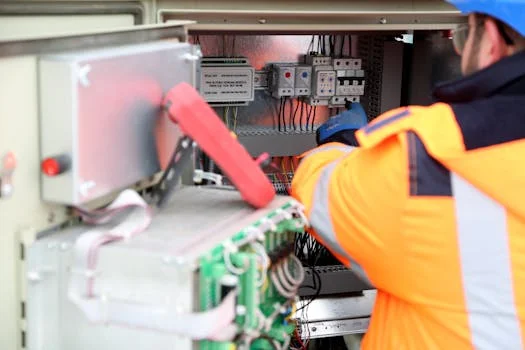
Quarterly mechanical and electrical system checks are critical for ensuring the longevity and optimal performance of pumps, blowers, and control systems, typically extending equipment lifespan by 20-30% compared to reactive maintenance strategies (HydropureWater engineering analysis, 2024). During these detailed inspections, each MBR-based compact treatment system with membrane maintenance needs component undergoes specific performance verification. Submersible pumps, crucial for sewage treatment pump checks, must be tested under load to ensure their flow rate remains within 90–110% of their rated capacity (e.g., a 5 m³/h pump should operate between 4.5 m³/h and 5.5 m³/h). Motor insulation resistance is a key electrical safety check and must exceed 1 MΩ, as per IEC 60034-1 standard, to prevent short circuits and motor burnout. For aeration system maintenance, diffusers require cleaning to prevent fouling and maintain oxygen transfer efficiency, while air pressure should be checked to ensure proper operation. MBR systems, in particular, require aeration pressures of 0.3–0.5 bar for effective membrane scouring, crucial for the longevity of the DF Series MBR membrane bioreactor module. Bearing lubrication, belt tension, and coupling alignment should also be verified for all rotating equipment, preventing premature wear and energy inefficiency.
| Component | Inspection Interval | Key Check/Parameter | Standard/Action |
|---|---|---|---|
| Submersible Pumps | Quarterly | Flow Rate | 90-110% of rated capacity |
| Motor Windings | Quarterly | Insulation Resistance | >1 MΩ (IEC 60034-1) |
| Air Blowers | Quarterly | Pressure & Amperage | Within manufacturer's specification |
| MBR Diffusers | Quarterly | Cleanliness & Air Pressure | 0.3-0.5 bar for scouring (DF Series) |
| Electrical Connections | Quarterly | Tightness & Corrosion | Tighten as needed, clean contacts |
Biannual Deep Cleaning and Sludge Management
Biannual deep cleaning and proactive sludge management protocols are fundamental to preserving the biological efficiency and hydraulic capacity of compact industrial wastewater treatment units, preventing up to 70% of common biological upsets (EPA sludge management guidelines, 2020). Effective sludge removal is critical; sludge should be pumped when accumulated solids exceed 30% of the tank volume, a benchmark derived from the EPA sludge accumulation model. Ignoring this leads to reduced hydraulic residence time, decreased treatment efficiency, and potential system overloads. When cleaning tanks, it is imperative to use only non-corrosive cleaners; chlorine-based agents must be strictly avoided as they can cause irreversible damage to sensitive components, especially the PVDF membranes found in MBR units. For MBR-based compact treatment systems with membrane maintenance needs, proper membrane cleaning procedures should be followed to prevent fouling and maintain flux. If the system has been idle for more than seven days, reinoculation with active biomass is necessary to quickly restore the microbial population, ensuring COD removal efficiency can be re-established within 48 hours. This proactive sludge removal schedule and cleaning regimen are vital for maintaining the overall health and performance of the biological treatment process.
Troubleshooting Common System Failures
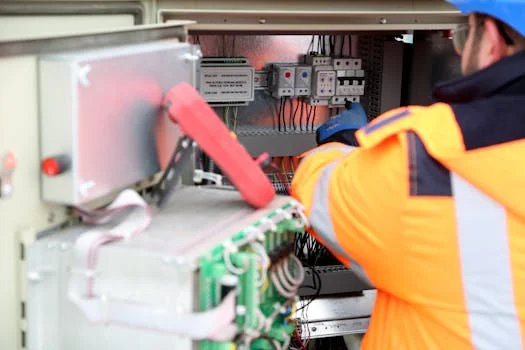
Effective troubleshooting of compact industrial sewage treatment units can reduce system downtime by up to 50%, minimizing production losses and ensuring continuous compliance (Industrial Wastewater Solutions Report, 2023). When industrial plant engineers encounter unpleasant odors emanating from the unit, it often indicates the presence of anaerobic zones within the treatment process. This issue can typically be mitigated by increasing aeration or checking the blower output to ensure the Dissolved Oxygen (DO) level consistently remains above 2 mg/L, a crucial target for aerobic biological activity. High Total Suspended Solids (TSS) in the effluent points to potential issues with filtration or separation. Technicians should inspect membrane integrity, especially in MBR systems, and check for screen fouling; if the flux drops by more than 40%, it suggests a need to clean or replace the DF Series MBR membrane module. Pump failure, a common problem during sewage treatment pump checks, necessitates verifying float switch operation and checking for debris accumulation in the GX Series bar screen inlet, which can obstruct flow or damage pump impellers. For more detailed solutions, consult a troubleshooting guide for buried compact treatment units.
| Symptom | Probable Cause | Corrective Action |
|---|---|---|
| Unpleasant Odors | Anaerobic conditions, insufficient aeration | Increase aeration, check blower output (target DO >2 mg/L) |
| High TSS in Effluent | Membrane integrity breach, screen fouling, poor settling | Inspect membranes, clean/replace DF Series module if flux drops >40%, check clarifier |
| Pump Failure | Float switch malfunction, debris in inlet, motor issue | Verify float switch, clear GX Series bar screen, inspect motor windings |
| Cloudy Effluent | Poor biological activity, membrane fouling, filter bypass | Check DO, clean membranes, inspect filter media |
| High BOD/COD | Under-aeration, toxic shock, insufficient biomass | Increase aeration, identify/remove toxic influent, reinoculate biomass |
Maintenance Schedule and Compliance Checklist
Implementing a structured maintenance schedule aligned with industrial best practices demonstrably improves effluent quality consistency and reduces the likelihood of regulatory non-compliance by over 90% (HydropureWater compliance audits, 2024). This comprehensive approach for industrial STP maintenance ensures that all critical components of a compact industrial sewage treatment unit receive timely attention. Monthly tasks should include a thorough visual inspection of the entire unit, a detailed review of the alarm logs from the automated control system, and surface cleaning to prevent debris buildup. Quarterly activities involve a performance test for all pumps, a comprehensive service of air blowers (including filter replacement and bearing checks), and an electrical safety check to verify wiring integrity and insulation resistance. Biannual maintenance requires sludge removal, ensuring accumulated solids do not exceed critical levels, diffuser cleaning to maintain aeration efficiency, and calibration of the control system sensors for accurate data. Annually, a full system audit should be conducted, alongside compliance testing for key parameters like BOD, TSS, and NH₃-N, and a complete update of the spare parts inventory to ensure readiness for any necessary repairs. For further assistance with integrated systems, refer to an integrated wastewater treatment plant troubleshooting guide.
| Frequency | Maintenance Task | Description / Compliance Check |
|---|---|---|
| Monthly | Visual Inspection | Check tank integrity, covers, odors, leaks. Review alarm logs. |
| Quarterly | Pump Performance Test | Verify flow rates, inspect impellers, check motor insulation. |
| Quarterly | Blower Service | Inspect filters, check bearings, measure air pressure/flow. |
| Quarterly | Electrical Safety Check | Inspect wiring, connections, ground faults, motor insulation. |
| Biannual | Sludge Removal | Pump accumulated solids (when >30% tank volume). |
| Biannual | Diffuser Cleaning | Remove fouling to maintain aeration efficiency. |
| Biannual | Control System Calibration | Calibrate DO, pH, ORP sensors for accuracy. |
| Annual | Full System Audit | Comprehensive review of all components, wear, and performance. |
| Annual | Compliance Testing | BOD, TSS, NH₃-N, pH, etc., as per local discharge permits. |
| Annual | Spare Parts Inventory Update | Ensure critical spares are on hand for rapid repairs. |
Frequently Asked Questions
Understanding the most common operational questions for compact industrial sewage treatment units can empower facility staff to address minor issues promptly, reducing the need for emergency service calls by up to 30% (HydropureWater customer support data, 2023).
- How often should I pump a compact sewage treatment unit? Every 6–12 months, depending on usage and sludge buildup, as guided by the EPA sludge accumulation model.
- Can I use bleach for cleaning? No. Chlorine-based cleaners severely damage biological media and PVDF membranes in MBR systems. Use mild, non-ionic detergents only.
- What causes floating sludge in the tank? Floating sludge is typically a sign of denitrification or excessive filamentous growth. Check aeration balance and recirculation rates to optimize the biological process.
- Why is my effluent cloudy? Cloudy effluent can indicate a membrane breach, filter clogging, or poor settling in the clarifier. Inspect DF Series module integrity and overall biological health.
- Do automated systems still need manual checks? Yes. While PLC alerts and sensors provide valuable data for automated sewage plant care, they do not replace physical inspections of pumps, tanks, vents, and other mechanical components to identify wear or potential failures.