Common Wastewater Challenges for Small Factories
Small factories, typically generating 1 to 80 cubic meters of wastewater per hour (m³/h), face a unique set of challenges distinct from municipal sewage treatment. Their effluent is characterized by inconsistent flow rates, high organic loads (COD of 300–1,200 mg/L), fats, oils, and grease (FOG), and elevated suspended solids (TSS)—all of which can overwhelm systems designed for residential waste. Limited real estate rules out large lagoon or extended aeration systems. Most small factories lack dedicated, on-site water treatment operators, necessitating a fully automated and remotely monitored system that requires minimal human intervention. Effective treatment for these industrial streams almost always begins with robust pretreatment, including oil/water separation, pH neutralization, and fine screening to protect downstream biological processes.
Beyond these core issues, small factories often contend with fluctuating production schedules. A factory might operate a single shift, creating a large, sudden surge of wastewater, or run a high-production campaign that generates a sustained high flow for weeks. This variability can shock treatment systems not designed for such peaks and valleys. Many small facilities lack the in-house expertise to navigate complex discharge permits. They must comply with local sewer authority limits, which can be as strict as <25 mg/L BOD and <250 mg/L TSS, or state environmental agency requirements for direct surface water discharge, which are often even more stringent. This regulatory maze, combined with the potential for significant fines for non-compliance, makes choosing a reliable and compliant system a critical business decision, not just an operational one.
Key Factors in Choosing the Right System
The selection of an optimal industrial wastewater solution depends on several factors.Selecting the optimal industrial wastewater solution requires a decision framework based on four critical technical and operational criteria. First, the flow rate dictates the system type; flows below 10 m³/h strongly favor compact, skid-mounted packaged units, while flows up to 80 m³/h can be handled by larger MBR, DAF, or A/O systems. Second, the required effluent quality is non-negotiable. For example, the EU Urban Waste Water Directive 91/271/EEC mandates treated effluent to contain less than 25 mg/L BOD, 120 mg/L COD, and 35 mg/L TSS. Third, the physical footprint is a major constraint; an integrated MBR membrane bioreactor system can reduce the required space by 60% compared to conventional activated sludge. Finally, the level of automation is crucial. A system with full PLC control, like our fully automated A/O packaged treatment plant, eliminates the need for a full-time operator, reducing labor costs and human error.
Two additional factors are equally vital: chemical consumption and sludge production. Systems that rely heavily on chemical coagulation and flocculation, like some DAF and clarifier systems, have ongoing consumable costs that can add tens of thousands of dollars to the annual operating budget. Conversely, primarily biological systems like A/O and MBR have lower chemical costs but produce biological sludge that requires dewatering and disposal. Understanding the volume and disposal costs of this waste byproduct is essential for an accurate total cost of ownership calculation. It's also prudent to consider future-proofing; selecting a modular system that can be easily expanded if production doubles can save enormous capital expense down the line compared to a complete system replacement.
Top 4 Wastewater Treatment Technologies for Small Industrial Sites
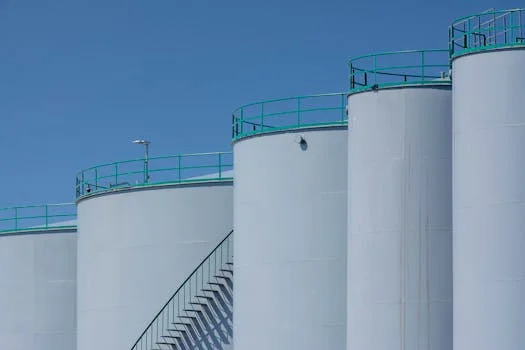
The Membrane Bioreactor (MBR) combines activated sludge with ultrafiltration (0.1 μm PVDF membranes), producing exceptional effluent quality of less than 1 NTU and 10 mg/L COD, making it ideal for water reuse applications. HydropureWater's MBR systems are designed for capacities from 10 to 2,000 m³/day. Anoxic/Oxic (A/O) Package Plants utilize biological contact oxidation followed by sedimentation, achieving 90–95% COD removal in a compact, buried or skid-mounted format suitable for 1–80 m³/h flows. For factories with high FOG, oil, or colloidal solids—common in food, textile, and metalworking—a Dissolved Air Flotation (DAF) unit is essential. Our DAF achieves 92–97% removal efficiency for these contaminants. Finally, Lamella Clarifiers offer a high-efficiency sedimentation solution, achieving surface loading rates of 20–40 m/h and reducing chemical consumption by 30% through sludge recirculation.
These technologies are not used in isolation but as part of a complete treatment train. For instance, a DAF unit is rarely a stand-alone solution; it is most effectively used as a robust pretreatment stage to remove FOG and TSS before an A/O or MBR system. This protects the delicate biological processes downstream from shock loads and fouling. Similarly, a lamella clarifier is often employed after chemical mixing and flocculation to settle out precipitated metals or phosphorous. The choice of technology is therefore a holistic process, designing a sequence of units—pretreatment, primary treatment, secondary biological treatment, and polishing—that work in concert to reliably meet the final effluent goals.
| Technology | Key Mechanism | Ideal For | Capacity Range |
|---|---|---|---|
| MBR | Biological treatment + Membrane Filtration | High-quality discharge/reuse, space constraints | 10–2,000 m³/day |
| A/O Package Plant | Anoxic/Aerobic Biological Treatment | General industrial organic waste, low OPEX | 1–80 m³/h |
| DAF | Dissolved Air Flotation | FOG, oil, colloidal solids removal | 4–300 m³/h |
| Lamella Clarifier | Inclined Plate Sedimentation | High-TSS streams, chemical reduction | 10–200 m³/h |
Performance Comparison: MBR vs A/O vs DAF vs Clarifier
A direct, data-driven comparison is the most effective way to evaluate these core technologies against the decision-critical parameters for a small factory. The following table provides a head-to-head analysis based on performance metrics from HydropureWater's product data and field testing.
Operational complexity is a key differentiator among these technologies. While MBR offers the best effluent, it requires more sophisticated membrane cleaning protocols (e.g., regular back-pulsing and periodic chemically enhanced backwashes) to maintain performance. The A/O process, by contrast, is often seen as more robust and forgiving of operational hiccups, though it requires managing a secondary clarifier. DAF units require precise control of air saturation pressure and chemical dose rates to form the fine bubbles necessary for effective flotation. Lamella clarifiers, while mechanically simple, depend on consistent chemical pretreatment to form settleable flocs. This balance between performance, cost, and operational simplicity is the final piece of the selection puzzle.
| Technology | Flow Range (m³/h) | Footprint | COD Removal | TSS Removal | Automation Level | Energy Use | Best Application |
|---|---|---|---|---|---|---|---|
| MBR | ~10–80 | 60% smaller | >98% | >99% (<1 NTU) | Full | Moderate | Reuse, strict discharge |
| A/O (WSZ) | 1–80 | Compact | 90–95% | ~90% | Full | Low | General industrial organic waste |
| DAF | 4–300 | Moderate | N/A* | N/A* | High | Medium | FOG, oil, colloids (pretreatment) |
| Lamella Clarifier | 10–200 | Compact | N/A* | 85–90% | Partial | Low | TSS reduction, chemical saving |
*Note: DAF and Clarifiers are primarily for physical separation; COD removal is a secondary effect from removing organic solids.
Compliance and Cost Considerations
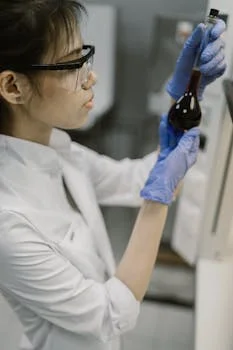
Meeting regulatory standards often requires a final disinfection step, such as chlorine dioxide (ClO₂) or ozone, to eliminate pathogens before discharge, as mandated by EPA, EU, and WHO guidelines. Financially, skid-mounted and containerized systems offer significant advantages. Skid-mounted plants can reduce installation time by 40% and overall cost by 15–20% compared to constructing concrete-based plants, as detailed in our 2025 B2B pricing guide for skid-mounted plants. For industries like food processing, a containerized wastewater solution for food factories can provide a rapid-deployment, mobile asset with a typical ROI of 18–24 months. Finally, forward-thinking managers must consider emerging contaminants like PFAS; planning for potential future 2025 PFAS compliance requirements for industrial dischargers may necessitate incorporating advanced oxidation or reverse osmosis capabilities.
Beyond capital expenditure (CAPEX), operational expenditure (OPEX) is a decisive factor. A system with a slightly higher purchase price but significantly lower energy consumption, chemical use, and sludge disposal fees will be cheaper within a few years. For example, an MBR's higher energy use for membrane scouring is often offset by its drastically lower sludge production compared to a conventional clarifier. Many municipalities offer rebates or reduced sewer surcharges for facilities that pretreat their wastewater to high standards, effectively providing an annual income stream that improves the ROI of a high-performance system. It is crucial to model these total lifecycle costs over a 5 to 10-year horizon to make the most economically sound decision.
Frequently Asked Questions
Which is better for small factories: MBR or SBR?
MBR offers superior effluent quality and a significantly smaller footprint. SBR (Sequencing Batch Reactor) systems require more space for equal capacity and often need more manual oversight for cycle control. SBRs operate in a fill-and-draw sequence, which can be less efficient for continuous industrial flows and more complex to automate reliably compared to the continuous flow of an MBR.
Can a small factory use a septic tank for industrial wastewater?
No. Septic tanks are designed for domestic sewage and will fail catastrophically when faced with high FOG, COD, and potentially toxic industrial loads, leading to compliance violations and system failure. The biological community in a septic tank cannot degrade complex industrial organics, and the FOG will quickly clog the soil absorption field, causing backups and environmental contamination.
What is the smallest legal industrial wastewater system?
Legal minimums vary by locality, but compliant, packaged biological systems are available for flows as low as 1 m³/h (e.g., the WSZ-1 model), provided they are paired with appropriate pretreatment. It is critical to consult with local environmental health officials and sewer authorities before finalizing any system, as they will have the final say on what is approved for your specific waste stream.
How much does a small industrial wastewater plant cost?
Capital costs typically range from $20,