An integrated wastewater treatment plant manufacturer designs compact, pre-engineered systems that combine biological treatment, clarification, and disinfection in one unit. Modern systems handle 1–80 m³/h, achieve 95–99% BOD/COD removal, and cost $18,000–$250,000 installed, depending on technology (A/O, SBR, MBR) and compliance requirements (EPA, EU standards).
What Is an Integrated Wastewater Treatment Plant?
An integrated wastewater treatment plant (WWTP) is a factory-assembled, skid-mounted or buried unit that consolidates pretreatment, biological digestion, settling, and disinfection into a single, compact system. These modular sewage plant solutions are engineered to be significantly more efficient in terms of space and installation time compared to conventional, site-built concrete plants. Industry benchmarks indicate integrated systems offer a 60% smaller footprint and 50% faster installation time, reducing on-site construction complexities and costs.
Modern integrated WWTPs are designed for a wide range of applications, from decentralized municipal wastewater treatment to specialized industrial effluent plant needs. Common applications include residential clusters and small communities requiring 1–20 m³/h capacity, food processing facilities handling 20–80 m³/h, and medical facilities demanding stringent Class A effluent for discharge or reuse. Their pre-engineered nature ensures consistent performance and compliance with various regulatory standards, making them a reliable choice for diverse wastewater challenges.
Key Technologies in Modern Integrated Plants
Modern integrated wastewater treatment plants primarily utilize three core biological treatment technologies: Anoxic/Aerobic (A/O), Sequencing Batch Reactor (SBR), and Membrane Bioreactor (MBR). Each technology offers distinct advantages for matching specific influent characteristics and discharge limits.
Anoxic/Aerobic (A/O) Systems: HydropureWater’s WSZ series employs a contact oxidation process combined with secondary sedimentation, achieving robust biological wastewater treatment. These systems typically deliver 95% BOD and 90% COD removal at flow rates ranging from 1–80 m³/h (HydropureWater product spec). A/O systems are known for their continuous flow operation and straightforward design, making them a cost-effective solution for many applications.
Sequencing Batch Reactor (SBR) Systems: SBR technology, exemplified by earthTek’s SABRE SBR, operates on a timed-cycle basis, performing aeration, settling, and decanting in a single tank. While effective for varying flow rates and nutrient removal, SBRs require batch processing and typically occupy a footprint 15–25% larger than continuous flow systems due to the need for equalization or larger reactor volumes.
Membrane Bioreactor (MBR) Systems: MBR integrated wastewater treatment plants, such as HydropureWater’s DF series, utilize submerged PVDF membranes for solid-liquid separation, filtering treated water to less than 1 μm. This advanced technology delivers near-reuse quality effluent and boasts a 60% smaller footprint compared to conventional activated sludge plants (MBR product data), making it ideal for space-constrained sites or where high effluent quality is paramount.
| Technology | Core Process | Typical Removal (BOD/COD) | Flow Capacity | Key Advantage |
|---|---|---|---|---|
| A/O (Anoxic/Aerobic) | Contact Oxidation + Sedimentation | 95% BOD, 90% COD | 1–80 m³/h | Continuous flow, robust, cost-effective |
| SBR (Sequencing Batch Reactor) | Timed Batch Cycles (Aeration, Settling, Decant) | 90-95% BOD, 85-90% COD | Variable | Flexibility for variable influent, nutrient removal |
| MBR (Membrane Bioreactor) | Biological Digestion + Submerged PVDF Membranes | 98%+ BOD, 95%+ COD | 0.4–83 m³/h | Superior effluent quality, compact footprint |
Flow Capacity and Footprint: Matching System to Site
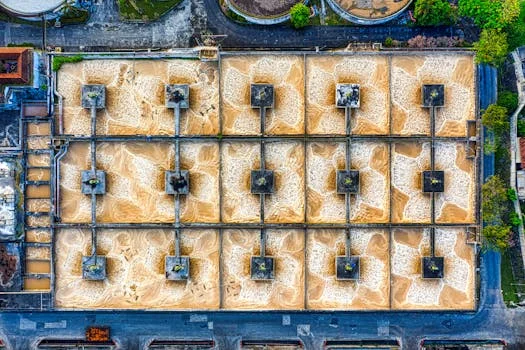
System flow capacity and physical footprint are critical determinants in selecting an integrated wastewater treatment plant, directly impacting site suitability and installation logistics. Manufacturers offer diverse configurations to address varying hydraulic loads and spatial constraints for different applications.
HydropureWater's WSZ series of fully automated underground A/O systems is designed to handle flow rates from 1–80 m³/h, offering flexible installation options including buried configurations. A 10 m³/h unit, for example, can have a surface footprint as compact as 2 m × 4 m, making it suitable for sites with limited above-ground space, such as residential developments or small commercial properties.
High-efficiency MBR systems with <1 μm filtration, like HydropureWater’s MBR solutions, are engineered for flow capacities ranging from 10–2,000 m³/day (approximately 0.4–83 m³/h). Their inherently compact design, which eliminates the need for a separate clarifier, makes them an ideal choice for space-constrained sites such as hospitals, urban factories, or resorts where land availability is a premium.
For industrial applications with higher flow rates or specific pre-treatment requirements, skid-mounted Dissolved Air Flotation (DAF) + A/O combos are available, covering capacities from 4–300 m³/h. These skid-mounted wastewater unit solutions typically require a footprint of 10–40 m², depending on the flow rate and the extent of pre-treatment necessary for challenging industrial streams (HydropureWater DAF spec).
| System Type | Flow Capacity Range | Typical Footprint (approx.) | Key Application |
|---|---|---|---|
| WSZ A/O (Underground) | 1–80 m³/h | 2m × 4m (for 10 m³/h unit) | Residential clusters, food processing, small communities |
| MBR Systems (Compact) | 0.4–83 m³/h (10-2,000 m³/day) | Highly compact (60% smaller than conventional) | Hospitals, urban factories, resorts, water reuse |
| Skid-mounted DAF + A/O | 4–300 m³/h | 10–40 m² | High-FOG industrial streams, pre-treatment intensive sites |
Effluent Quality and Compliance Standards
Achieving stringent effluent quality and meeting regional compliance standards are primary objectives for any integrated wastewater treatment plant, particularly with evolving environmental regulations. Different technologies are engineered to meet specific discharge limits and potential reuse requirements in various markets.
High-efficiency MBR systems are particularly adept at producing superior effluent quality, consistently achieving less than 1 NTU turbidity and typically less than 10 mg/L BOD. This level of treatment readily complies with stringent regulations such as EPA 2024 reuse standards for non-potable applications and the EU Urban Waste Water Directive 91/271/EEC, making them ideal for wastewater reuse system projects.
A/O systems are robust biological wastewater treatment solutions that reliably meet secondary treatment standards, typically producing effluent with 30 mg/L BOD and 30 mg/L TSS. While sufficient for discharge into many receiving waters, achieving water reuse quality with A/O systems often necessitates additional tertiary treatment steps like Dissolved Air Flotation (DAF) or filtration.
For specialized applications, such as medical facilities, HydropureWater’s medical wastewater treatment systems are designed to achieve over 99% pathogen kill using ozone disinfection, eliminating the need for chemical dosing. These systems meet both EU and EPA hospital discharge rules, ensuring safe and compliant disposal of medical effluent.
| System Type | Key Effluent Quality Parameters | Typical Compliance Standards | Water Reuse Potential |
|---|---|---|---|
| MBR Systems | <1 NTU Turbidity, <10 mg/L BOD | EPA 2024 Reuse, EU Urban Waste Water Directive 91/271/EEC | High (non-potable reuse) |
| A/O Systems | 30 mg/L BOD, 30 mg/L TSS | EPA Secondary Treatment Standards | Limited (requires tertiary treatment for reuse) |
| Medical Systems | 99%+ Pathogen Kill (Ozone) | EU & EPA Hospital Discharge Rules | N/A (specific discharge requirements) |
Cost Comparison: CAPEX, OPEX, and ROI by Technology
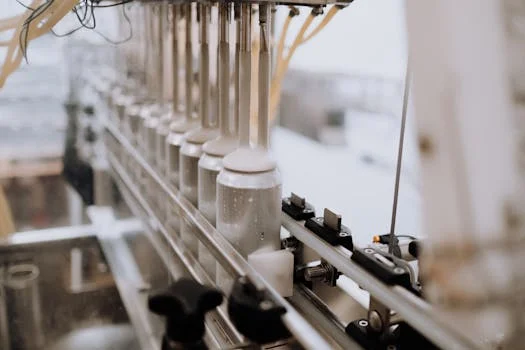
Evaluating an integrated wastewater treatment plant requires a comprehensive analysis of both Capital Expenditure (CAPEX) and Operational Expenditure (OPEX) to determine true Total Cost of Ownership (TCO) and Return on Investment (ROI). This 2025 B2B pricing guide provides realistic benchmarks for procurement teams.
For smaller-scale applications, HydropureWater’s WSZ A/O systems represent a cost-effective solution, with CAPEX ranging from $18,000–$65,000 for units handling 1–20 m³/h. These systems are known for their low operational costs, with OPEX typically around $0.35/m³ due to minimal energy consumption and automated operation that often eliminates the need for dedicated on-site personnel.
MBR systems, while requiring a higher initial CAPEX of $80,000–$250,000 for 10–80 m³/h capacity, offer significant long-term value, particularly for water reuse applications. The OPEX for MBRs is approximately $0.65/m³, primarily influenced by membrane maintenance and higher energy use for aeration and permeate pumping. However, the superior effluent quality enables water recycling, leading to a typical ROI in 3–5 years through reduced potable water consumption and wastewater discharge fees. More detailed pricing can be found in our real 2025 skid-mounted system pricing by capacity and region.
Skid-mounted DAF + A/O combined systems are priced between $45,000–$120,000, making them an attractive option for industrial facilities dealing with high-FOG (fats, oils, and grease) streams. These systems are particularly beneficial in sectors like food processing, where their ability to remove challenging contaminants can lead to an ROI of less than 4 years through reduced surcharges and potential byproduct recovery. For specific medical facility cost breakdowns, refer to our hospital-specific cost breakdowns for compliant systems.
| Technology | CAPEX Range (Installed) | OPEX per m³ (approx.) | ROI Potential |
|---|---|---|---|
| WSZ A/O (1–20 m³/h) | $18,000–$65,000 | ~$0.35 | Low initial cost, rapid deployment |
| MBR (10–80 m³/h) | $80,000–$250,000 | ~$0.65 | 3–5 years with water reuse savings |
| Skid-mounted DAF + A/O | $45,000–$120,000 | Variable (chemical dependent) | <4 years in high-FOG industrial applications |
How to Choose the Right Manufacturer
Selecting the optimal integrated wastewater treatment plant manufacturer requires rigorous due diligence across engineering capabilities, compliance track record, and long-term support. A thorough vendor evaluation process ensures a reliable, cost-effective, and compliant solution for your facility.
First, look for manufacturers with ISO 14001 certification, which demonstrates a commitment to environmental management and quality control, and extensive EPC (Engineering, Procurement, and Construction) project experience. Verify their track record with third-party compliance validation, such as adherence to EPA or EU directives, to ensure their systems consistently meet regulatory requirements. Further insights into compliance can be found in our ISO 14001 wastewater management compliance systems data 2025 guide.
Second, inquire about factory testing protocols. Reputable manufacturers perform comprehensive pre-shipment testing on pre-wired, skid-mounted systems. This crucial step reduces on-site commissioning time by up to 40%, minimizing project delays and unexpected costs. Factory acceptance testing (FAT) ensures all components integrate seamlessly and operate as specified before reaching your site.
Finally, demand a transparent lifecycle cost analysis, not just an upfront bid price. This analysis should detail energy consumption, chemical requirements, and maintenance schedules over a 10-year operational period. Understanding the total cost of ownership, including consumables and labor, is vital for long-term budget planning and maximizing ROI.
Frequently Asked Questions
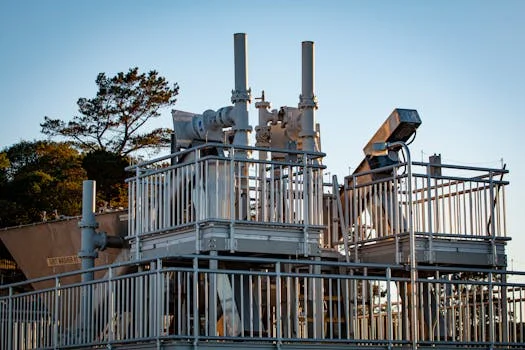
Understanding common inquiries about integrated wastewater treatment plants can streamline the procurement process and clarify key operational considerations.
What is the cost of a 50 m³/day integrated wastewater plant in 2025? Expect $70,000–$140,000 depending on the chosen technology (A/O vs MBR) and specific regional compliance requirements.
Which is better: MBR or A/O for small communities? A/O systems are generally lower cost and simpler to operate, making them suitable for communities with standard discharge requirements. MBR systems are better if water reuse is desired or if site space is extremely limited.
Do integrated plants meet EPA standards? Yes, properly designed MBR and A/O systems from reputable manufacturers meet or exceed EPA secondary treatment standards, with MBRs often achieving advanced reuse standards.
Can these systems be containerized or mobile? Yes, many integrated package wastewater treatment system models, including some WSZ series units, can be containerized or trailer-mounted, making them ideal for remote sites, temporary operations, or rapid deployment needs.
What maintenance do integrated plants require? A/O systems typically require annual inspection and routine sludge management. MBR systems require quarterly membrane cleaning and periodic replacement (every 5-10 years). Both technologies are often equipped with advanced automation for remote monitoring and reduced manual intervention.