Why RO Membrane Systems Fail in Industrial Applications
Industrial RO systems operate at significantly higher pressures (150–1,000 psi) and recovery rates (up to 95%) than residential units, which exponentially increases the risk of membrane fouling and mechanical failure. In a high-recovery industrial environment, the concentration of sparingly soluble salts in the brine stream can exceed their solubility limits within seconds, leading to immediate mineral scaling. Unlike consumer-grade filters that are replaced on a schedule, industrial membranes are managed through performance data. When a system is pushed to its hydraulic limits, the "concentration polarization" effect—where solutes accumulate at the membrane surface—becomes the primary driver of flux decline and salt passage.
Feedwater quality in industrial settings is often volatile, especially when sourced from surface water or process recycle streams. A Silt Density Index (SDI) greater than 5 indicates a high concentration of colloidal matter that will accelerate fouling regardless of the membrane brand. For long-term membrane integrity, engineers must target an SDI of less than 3 through robust pretreatment. Industrial RO systems are heavily integrated with Programmable Logic Controllers (PLCs) and Clean-In-Place (CIP) skids. Failure in these systems often stems from sensor drift or control logic errors rather than the membranes themselves. For instance, a miscalibrated pressure transducer can lead to false readings of high differential pressure, triggering unnecessary and costly chemical cleanings that prematurely age the polyamide layers.
Operational stressors such as rapid start-stop cycles also contribute to failure. In industrial applications, the "water hammer" effect caused by fast-acting automated valves can crack membrane envelopes or dislodge brine seals. Understanding an industrial RO system is a dynamic balance of mechanical pressure, chemical equilibrium, and automated logic is key to effective troubleshooting. According to HydropureWater field data (2025), this understanding is crucial.
Symptom 1: Reduced Permeate Flow Despite Stable Feed Pressure
A 10–15% drop in permeate flow while maintaining stable feed pressure is the classic indicator of membrane fouling, typically caused by organic matter, colloidal particles, or biofouling. In industrial wastewater treatment, this decline often occurs when the pretreatment stage fails to remove suspended solids or when organic loads spike in the influent. If the flow decline is accompanied by a significant increase in the pressure drop (delta-P) across the first stage, it is highly likely that particulate matter is physically blocking the feed spacers. A delta-P increase of more than 15% from the baseline established during system commissioning is a critical trigger for intervention.
To diagnose the specific type of fouling, engineers should first inspect the upstream equipment. If the feedwater SDI is consistently above 5, the issue likely resides in the multi-media filter for RO pretreatment or the coagulation/flocculation step. For systems processing high-solids wastewater, a DAF unit troubleshooting for industrial pretreatment protocol may reveal that insufficient polymer dosing is allowing micro-flocs to reach the RO membranes. Colloidal fouling often appears as a "slimy" or "filmy" layer on the membrane surface during a visual inspection of the lead elements.
Biofouling is another common culprit for flow reduction. In systems without continuous biocide dosing, bacteria can colonize the membrane surface, creating a protective extracellular matrix (EPS) that is resistant to standard flushing. This biological growth increases the resistance to flow and can lead to irreversible flux loss if not treated with a non-oxidizing biocide. Engineers should monitor the temperature-normalized permeate flow; if the flow remains low after accounting for temperature fluctuations, a chemical CIP using high-pH cleaners is required to break down the organic or biological foulants.
Symptom 2: Rising Salt Rejection Failure and Conductivity Spikes
Salt rejection dropping below 95%—from a typical industrial baseline of 98% to 99%—is a definitive sign of membrane degradation, chemical attack, or mechanical bypass. The most common cause of sudden salt rejection failure in industrial systems is exposure to oxidizing agents like free chlorine. Polyamide membranes have a very low tolerance for oxidizers; even concentrations as low as 0.1 ppm can cause irreversible damage to the polymer structure, leading to increased salt passage and eventually higher permeate flow as the membrane "thins" out. Always verify that the activated carbon filters or bisulfite dosing systems are functioning correctly to neutralize chlorine before it reaches the RO skid.
Conductivity spikes can also be caused by mechanical issues within the pressure vessels. If a conductivity increase is localized to a specific vessel, it often indicates a compromised O-ring on the permeate tube or a failed brine seal. During a system shutdown, engineers should inspect the internal interconnectors and end-cap seals. A "shimming" issue—where membranes have too much room to move within the housing—can lead to O-ring wear during the high-pressure surges of startup and shutdown. This bypass allows high-conductivity feed water to mix directly with the permeate stream.
In high-recovery systems, salt rejection may also decline due to scaling in the final stages. As minerals like calcium carbonate or calcium sulfate precipitate, they create a localized high-concentration environment at the membrane surface. This increases the osmotic pressure that the system must overcome, while simultaneously providing a pathway for ions to diffuse through the membrane. If the conductivity spike is paired with a significant increase in the pressure drop across the second or third stage, mineral scaling is the primary suspect.
Symptom 3: Frequent Automatic Flush Cycles or Constant Draining
Constant draining or excessively frequent automatic flush cycles in an industrial RO unit typically point to a failure in the control logic or a mechanical malfunction of the solenoid and check valves. In a properly functioning automated system, the PLC triggers a flush based on specific parameters: time, permeate quality, or a manual shutdown signal. If the system is constantly draining water even when not in production, the most likely cause is a failed check valve on the permeate line or a solenoid valve that is stuck in the open position. Inspect these valves for debris or mineral buildup that may prevent a tight seal.
PLC logic errors can also cause erratic cycling. If the feed water turbidity or pressure sensors are experiencing "signal noise" or drift, the PLC may interpret these as alarm conditions, triggering a protective flush cycle. Standard industrial low-pressure switches are typically set to a threshold of 40 psi; if the supply pump cannot maintain this pressure due to a clogged pre-filter, the system will cycle on and off repeatedly. Recalibrating these sensors and checking the stability of the raw water supply pump is essential for resolving cycle-based issues.
Check the settings for the "flush on standby" feature. Many industrial engineers set these intervals too frequently in an attempt to prevent biofouling, but this leads to excessive water waste and mechanical wear on the valves. A standard 15-minute flush every 24 hours of idle time is usually sufficient for most industrial applications. If the system continues to drain, verify that the concentrate flow control valve is not stuck wide open, which would prevent the system from reaching the required operating pressure for permeate production.
Diagnostic Protocol: From Field Data to Root Cause
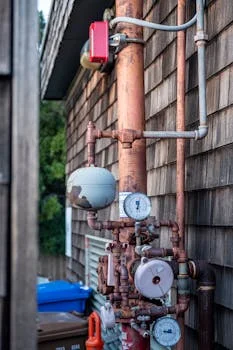
Effective troubleshooting in an industrial environment requires a transition from "guessing" to "data-driven diagnosis" by comparing current operational parameters against the system’s original startup logs. Engineers should collect a complete data set including feed pressure, permeate flow, concentrate flow, salt rejection percentage, stage-by-stage pressure drop, SDI, pH, and temperature. All flow data must be temperature-normalized to 25°C (77°F) to ensure that seasonal water temperature changes are not mistaken for membrane fouling. According to HydropureWater engineering protocol (2025), this data collection is essential.
Once the data is collected, use a systematic elimination approach. First, rule out pretreatment failures by testing the SDI and chlorine levels of the feedwater. Second, rule out mechanical issues by checking for valve leaks and pump performance. Finally, focus on chemical fouling by analyzing the location of the pressure drop. A pressure drop in the first stage suggests particulates or organics, while a drop in the final stage suggests mineral scaling. The following table provides a decision matrix for industrial RO diagnostics:
| Symptom Observed | Data Threshold | Likely Root Cause | Recommended Action |
|---|---|---|---|
| Declining Permeate Flow | >10% drop (normalized) | Organic or Biofouling | High-pH Alkaline Cleaning |
| Increased 1st Stage Delta-P | >15% increase | Colloidal/Particulate Buildup | Check Pretreatment/Physical Flush |
| Increased Last Stage Delta-P | >15% increase | Mineral Scaling (CaSO4) | Low-pH Acid Cleaning |
| Decreased Salt Rejection | <95% Rejection | Oxidizer Attack or O-ring Leak | Replace Membranes/Inspect Seals |
| High Feed Pressure Required | >15% increase | Extreme Fouling or Compaction | Perform CIP/Audit Flux Rates |
This systematic protocol ensures that maintenance teams do not perform unnecessary cleanings. For example, applying an acid clean to an organic fouling problem can actually "fix" the organics onto the membrane, making them much harder to remove later. Always match the chemical cleaning agent to the specific symptom and stage location identified during the data audit.
Corrective Actions and Chemical Cleaning Guidelines
When industrial RO performance deviates by 10–15%, a Clean-In-Place (CIP) procedure must be initiated to restore flux and rejection levels before the fouling becomes irreversible. For mineral scaling, such as calcium carbonate, calcium sulfate, or barium sulfate, an acid cleaning at a pH of 2–3 is required. Common acids used in industrial settings include citric acid or phosphoric acid. The cleaning solution should be circulated through the membranes for 1–2 hours, followed by a soak period, and finally a high-velocity flush until the effluent pH matches the influent pH.
For organic fouling and biofouling, an alkaline cleaning protocol is the standard corrective action. This involves using a high-pH solution (pH 10–11) containing detergents and chelating agents like EDTA to break down the biofilm and emulsify organic contaminants. In cases of severe biological growth, the application of a non-oxidizing biocide—such as DBNPA at a concentration of 50–100 ppm—for 2 to 4 hours is highly effective. This should always be followed by an alkaline clean to remove the dead biological matter from the membrane spacers. Industrial systems typically require this type of cleaning every 3–6 months, though systems with poor pretreatment or high SDI may require more frequent intervention.
The success of a CIP depends on the temperature and flow rate of the cleaning solution. For maximum efficacy, the cleaning solution should be heated to 30–35°C (86–95°F), as cold chemicals are significantly less effective at dissolving scales and organics. It is also vital to monitor the color and turbidity of the cleaning solution as it returns to the CIP tank; if the solution becomes heavily discolored or loaded with solids, it should be dumped and replaced with a fresh batch to prevent re-depositing contaminants onto the membranes.
Preventing Recurring RO Membrane Failures

The most effective strategy for extending the life of an industrial RO water treatment system with PLC control is the implementation of a proactive pretreatment monitoring program. Maintaining a Silt Density Index (SDI) of less than 3 is the industry gold standard for preventing colloidal fouling. This can be achieved by automating the backwash cycles on multi-media filters and ensuring that coagulant dosing is optimized for the current feed water quality. Regular monitoring of the SDI—at least once per shift—allows operators to catch pretreatment breakthroughs before they impact the expensive RO membranes.
Integrating PLC alarms for pressure differential spikes is another critical preventive measure. By setting an alarm at a 10% increase in delta-P, maintenance teams can address minor fouling through simple forward-flushing or low-pressure rinsing before it requires a full chemical CIP. Engineers should look at broader membrane management strategies, such as how to prevent membrane fouling in MBR systems if the RO is part of an integrated wastewater reuse plant, as upstream biological health directly impacts RO influent quality.
Finally, conduct quarterly performance audits and annual membrane autopsies on a single "sacrificial" element if the system experiences chronic issues. An autopsy can provide definitive evidence of the foulant type—whether