A coagulant dosing system manufacturer supplies precision-engineered equipment that injects coagulants like aluminum chloride or ferric sulfate into wastewater streams to destabilize colloids and form settleable flocs. HydropureWater’s systems achieve 95–98% dosing accuracy via PLC-controlled metering pumps, with flow ranges from 0.5–50 L/h and chemical compatibility with aggressive agents like FeCl₃ and Al₂(SO₄)₃. For procurement managers and engineers, selecting a manufacturer requires moving beyond surface-level descriptions to evaluate the hydraulic precision, material durability, and control logic that prevent the common failure of inconsistent floc formation.
What Is a Coagulant Dosing System and How Does It Work?
Coagulation is the physicochemical process of destabilizing suspended colloidal particles which, due to their negative surface charges, naturally repel each other and remain in suspension. A coagulant dosing system introduces trivalent metal salts, such as aluminum sulfate (alum) or ferric chloride, to neutralize these charges. According to the DLVO theory of colloidal stability, the introduction of counter-ions reduces the electrostatic repulsion (zeta potential), allowing van der Waals forces to dominate and initiate particle aggregation.
The system operates through two primary mechanisms depending on the chemical dosage and pH: charge neutralization and sweep flocculation. In charge neutralization, the coagulant ions adsorb onto the particle surface, reducing the zeta potential to a target range of < +5 mV. In sweep flocculation, the coagulant precipitates into insoluble hydroxides that "sweep" suspended solids out of the water as they settle. Effective destabilization requires precise retention times in a rapid mix chamber, typically ranging from 30–60 seconds, with a high velocity gradient (G-value) to ensure uniform chemical distribution before the water enters the lower-shear flocculation stage.
In industrial treatment trains, the coagulant dosing unit follows pretreatment screening and pH adjustment. It is the critical precursor to sedimentation, dissolved air flotation (DAF), or filtration. Without high-accuracy dosing, plants face "pin-floc" formation—particles too small to settle—or chemical overdosing, which leads to excessive sludge production and increased operational expenditure. HydropureWater’s engineering focuses on the transition from rapid mixing to aggregation, ensuring that the stoichiometric ratio of chemical to influent turbidity remains optimized even under fluctuating hydraulic loads.
Core Components of Industrial Dosing Systems
Industrial-grade dosing systems are defined by their material resilience and the precision of their hydraulic components. Unlike light-duty commercial units, an industrial automatic chemical dosing system must withstand the corrosive nature of concentrated acids and salts while maintaining a constant flow rate against variable discharge pressures. The build quality of these components directly impacts the Mean Time Between Failures (MTBF) and the overall lifecycle cost of the wastewater line.
The heart of the system is the metering pump. High-end manufacturers utilize electromagnetic diaphragm pumps or motor-driven mechanical diaphragms with turndown ratios of up to 1000:1. These pumps must provide a flow accuracy of ±1%, ensuring that even at low flow rates, the chemical delivery remains consistent. The storage and preparation tanks are typically constructed from high-density polyethylene (PE) or PVC-lined carbon steel to resist chemical degradation. For aggressive agents like ferric chloride (FeCl₃), PVDF piping and EPDM seals are mandatory to prevent leaks and system downtime.
| Component | Technical Specifications | Material / Standard |
|---|---|---|
| Metering Pump | Flow: 0.5–50 L/h; Accuracy: ±1%; Turndown: 1000:1 | PVDF Head / PTFE Diaphragm |
| Storage Tank | Volume: 100–1000 L; Integrated level sensors | PE or PVC-Lined Carbon Steel |
| Control System | PLC-based (Siemens/Allen-Bradley); HMI interface | IP65 Stainless Steel Enclosure |
| Piping & Valves | Pressure rating: 10 Bar; Connection: Flanged/Union | PVC-U, PVDF, or 316L SS |
| Skid Frame | Dimensions: 1.2 m × 0.8 m × 1.8 m (Standard) | 304/316L Stainless Steel |
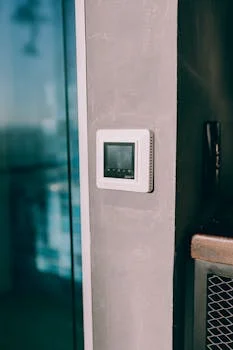
The integration of an IP65-rated control panel allows for seamless communication with the plant’s wider SCADA system. Modern systems utilize 4–20 mA feedback loops from online turbidity or zeta potential sensors to adjust the pump stroke length or frequency in real-time. This automation eliminates the risk of human error associated with manual batching and ensures that the system reacts instantly to influent spikes, maintaining downstream water quality standards.
Performance Metrics That Define System Reliability
Dosing accuracy in high-performance industrial systems is maintained at ±1.5% deviation even under variable backpressure, a significant improvement over the ±5% tolerance found in entry-level units. For a facility processing 1,000 cubic meters of wastewater daily, this precision translates to a 20–30% reduction in annual chemical consumption, aligning with EPA WaterSense benchmarks for resource efficiency. Reliability is quantified not just by accuracy, but by the system's ability to maintain performance over 20,000+ hours of continuous operation without major component failure.
Response time is another critical metric for engineers evaluating manufacturers. An optimized system should require less than 30 seconds to adjust its dosing rate following a detected change in influent turbidity. This rapid adjustment prevents the breakthrough of suspended solids into the clarifier, which can lead to non-compliance and potential fines. precisely controlled dosing has been shown to improve the surface loading rate in downstream clarifiers by up to 25%, allowing the plant to handle higher throughput without expanding its physical footprint.
Chemical utilization efficiency is achieved through the use of multi-stage mixing profiles. By ensuring the coagulant is introduced at the point of highest turbulence, the system maximizes the collision frequency between the chemical species and the colloidal particles. HydropureWater field data (2025) indicates that plants upgrading to automated, sensor-linked dosing systems see a measurable increase in sludge dewaterability, as the resulting flocs are more robust and release interstitial water more readily during mechanical pressing.
Integration with Wastewater Treatment Processes
Coagulant dosing systems do not operate in isolation; their performance is intrinsically linked to the efficiency of the entire treatment train. For instance, optimizing sedimentation after coagulation requires the dosing system to produce flocs with a specific density and shear resistance. If the dosing is inconsistent, the lamella plates in the clarifier may become fouled with light, un-settled solids, leading to increased maintenance and reduced effluent clarity.
In applications involving dissolved air flotation, the dosing system is positioned upstream of the saturation tank. Proper chemical injection has been proven to improve oil and Fat, Oil, and Grease (FOG) removal by 15–20% in food processing wastewater. Understanding how coagulant dosing affects DAF performance and troubleshooting is essential for operators managing high-organic loads. Precise dosing ensures that the micro-bubbles produced by the DAF unit can effectively attach to the aggregated flocs, facilitating rapid flotation and skimming.
these systems are designed for modular integration into specialized treatment units. They can be paired with the JY Series Integrated Water Purification System for a complete coagulation-flocculation-sedimentation-filtration sequence. In high-stakes environments, such as the Medical Wastewater Systems, the stability of the chemical feed is critical for neutralizing bio-hazardous colloids and ensuring total disinfection. The ability to integrate with Membrane Bioreactors (MBR) is also a key advantage, as pre-coagulation removes colloidal organics that would otherwise cause rapid membrane fouling and increase backwash frequency.
Compliance, Safety, and Environmental Standards
Compliance with international safety and environmental regulations is a non-negotiable requirement for industrial procurement. A reputable coagulant dosing system manufacturer ensures that all equipment meets CE, UL, and ISO 9001:2015 standards for mechanical and electrical safety. These certifications provide assurance that the pressure vessels, electrical enclosures, and rotating equipment have been tested for industrial durability and operator protection.
Environmental safety focuses on chemical containment and emissions. Systems must be designed with secondary spill containment that complies with the EPA Spill Prevention Control and Countermeasure (SPCC) rule, typically requiring a containment volume of 110% of the largest tank's capacity. For volatile chemicals such as hydrochloric acid used in pH adjustment or specific coagulant blends, integrated fume scrubbers on tank vents are necessary to prevent the release of corrosive vapors into the workspace. This design philosophy supports compliance with the EU Urban Waste Water Directive 91/271/EEC, which mandates stringent effluent quality and operational safety.
Beyond regulatory compliance, the environmental impact of the dosing process itself is a major consideration. By optimizing chemical usage through precision PLC logic, manufacturers help facilities reduce their "chemical footprint." This not only lowers the volume of chemicals transported and stored on-site but also reduces the volume of chemical sludge generated. Reducing sludge volume directly correlates to lower disposal costs and a smaller environmental impact, aligning with WHO water quality guidelines and corporate sustainability goals.
Frequently Asked Questions
What is a coagulant dosing system?
It is a skid-mounted, automated system designed to precisely inject chemical coagulants like alum or ferric chloride into a wastewater stream. Its primary purpose is to neutralize the electrical charge of suspended particles, allowing them to aggregate into larger flocs for removal via sedimentation or flotation.
What coagulants are commonly used in these systems?
Common chemicals include Aluminum Sulfate (Alum), Ferric Chloride (FeCl₃), Polyaluminum Chloride (PACl), and various cationic polymers. HydropureWater systems are built with chemical-resistant wetted parts (PVDF, PTFE, EPDM) to handle these aggressive agents without corrosion.
How is dosing accuracy maintained in fluctuating flows?
Accuracy is maintained through a PLC-controlled feedback loop. An inline flow meter or turbidity sensor sends a 4–20 mA signal to the PLC, which automatically adjusts the metering pump's stroke frequency or length to maintain the correct stoichiometric ratio.
Can the system integrate with existing plant SCADA?
Yes. Our industrial dosing systems support standard communication protocols including 4–20 mA analog signals, Modbus RS485, and Profibus, allowing for full remote monitoring and control from a central command center.
What are the typical maintenance requirements?
Standard maintenance includes a quarterly inspection of pump diaphragms and check valves, and an annual calibration of sensors. The average service interval for our industrial-grade pumps is approximately 6,000 operating hours, with a total MTBF exceeding 20,000 hours.
Further Reading
Explore these in-depth articles on related wastewater treatment topics: