In 2026, industrial wastewater treatment plant costs in Makassar range from IDR 18 billion for a 500 m³/day DAF system to IDR 1.2 trillion for a 16,000 m³/day municipal-scale MBR plant. CAPEX is driven by technology choice (MBR: 40% higher than conventional), while OPEX varies from IDR 2,500/m³ (activated sludge) to IDR 15,000/m³ (MBR with membrane replacement). Compliance with PermenLHK No. 68/2016 (BOD ≤30 mg/L, COD ≤100 mg/L) adds 15–25% to CAPEX for monitoring systems, but non-compliance fines (up to IDR 500 million/month) often exceed the amortized cost of high-efficiency systems.
Why Makassar’s Wastewater Treatment Costs Are Rising in 2026
Non-compliance fines under PermenLHK No. 68/2016 for industrial wastewater discharge in Makassar increased by 35% in 2024, reaching up to IDR 500 million per month for persistent violations (Indonesian Ministry of Environment, 2024). This significant escalation transforms wastewater treatment from a routine operational expense into a critical financial risk management priority for procurement managers and EHS directors. The regulatory landscape now heavily penalizes underperforming systems, compelling industries to invest in robust and compliant solutions.
Makassar’s municipal wastewater treatment plant (WWTP), with a design capacity of 16,000 m³/day, remains under construction, leaving the majority of industrial facilities reliant on decentralized systems (DEWATS). Many existing DEWATS units in the region operate at a fraction of their design capacity, typically 10–20% (250–500 m³/day versus a 2,500 m³/day design), often struggling to meet effluent quality standards. This underperformance forces industrial operators to either upgrade existing infrastructure or face the increasing burden of non-compliance.
The unique environmental conditions of Makassar further complicate treatment processes and drive up costs. High salinity levels in Makassar’s groundwater, sometimes reaching up to 35,000 mg/L TDS, pose a significant challenge for conventional biological wastewater treatment, as high salt concentrations can inhibit microbial activity. This necessitates advanced pretreatment technologies, such as DAF systems for Makassar’s high-FOG wastewater, or the implementation of zero-discharge designs involving reverse osmosis (RO) and evaporation to mitigate salinity interference.
land constraints within Makassar’s industrial zones contribute to rising CAPEX. Conventional wastewater treatment systems, such as activated sludge, require substantial land for clarifiers and aeration basins (e.g., DEWATS for 50 households can require 21 m²). This scarcity and cost of industrial land favor compact, high-efficiency systems like membrane bioreactors (MBR), which can reduce the required footprint by up to 60% compared to conventional activated sludge, despite their higher initial investment costs.
Makassar’s Wastewater Treatment Cost Drivers: CAPEX Breakdown by Technology
Capital expenditure (CAPEX) for industrial wastewater treatment plants in Makassar in 2026 ranges from IDR 18 billion for a 500 m³/day DAF system to IDR 220 billion for advanced zero-discharge solutions, with technology choice being the primary cost driver. These figures are adjusted from 2020 RAB data with an 8% annual inflation rate to reflect current market conditions in Indonesia (HydropureWater analysis, 2025). Understanding these variations is crucial for accurate budgeting.
For a conventional activated sludge system designed for 1,000 m³/day, the CAPEX typically falls between IDR 80–100 billion. This includes essential components like sedimentation tanks, disinfection units, and the necessary monitoring systems to ensure compliance with PermenLHK No. 68/2016 effluent limits.
A Dissolved Air Flotation (DAF) system, particularly the DAF systems for Makassar’s high-FOG wastewater, with a capacity of 500 m³/day, represents a more specialized investment, ranging from IDR 18–25 billion. These systems are highly effective for removing fats, oils, grease (FOG), and suspended solids using micro-bubble technology, making them ideal for industries like food processing and petrochemicals where these contaminants are prevalent.
For advanced treatment and compact footprints, a Membrane Bioreactor (MBR) system, such as Integrated MBR systems for Makassar’s land-constrained industrial zones, designed for 1,000 m³/day, incurs a CAPEX of IDR 120–150 billion. This includes high-quality PVDF membranes, sophisticated PLC automation, and achieves up to 99% pathogen removal, making the treated water suitable for various reuse applications.
The most comprehensive solution, a zero-discharge system with a capacity of 500 m³/day, involves a CAPEX of IDR 180–220 billion. These systems typically integrate reverse osmosis (RO) with evaporation technologies, not only eliminating all wastewater discharge but also recovering high-quality water for reuse, which can significantly reduce water procurement costs and mitigate issues related to high influent salinity.
Beyond core technology, land acquisition costs in Makassar, ranging from IDR 5–10 million per square meter in industrial zones, can add a substantial 10–15% to the total CAPEX, particularly for conventional systems that demand larger footprints. achieving full PermenLHK No. 68/2016 compliance requires an additional investment of IDR 15–25 billion for advanced monitoring systems, including online COD/BOD/TSS sensors, data logging capabilities, and automated reporting software.
| Technology Type | Capacity (m³/day) | Estimated CAPEX (IDR Billion, 2026) | Key Inclusions | Primary Industrial Suitability |
|---|---|---|---|---|
| Conventional Activated Sludge | 1,000 | 80–100 | Sedimentation, Disinfection, PermenLHK Monitoring | General Manufacturing, Lower Flow Rates |
| DAF System | 500 | 18–25 | Micro-bubble FOG/Oil Removal, Pretreatment | Food Processing, Petrochemicals, Pulp & Paper |
| MBR System | 1,000 | 120–150 | PVDF Membranes, PLC Automation, 99% Pathogen Removal | Textiles, Pharmaceuticals, High-Density Industrial |
| Zero-Discharge (RO + Evaporation) | 500 | 180–220 | RO, Evaporation, Salinity Management, Water Reuse | Textiles (High Salinity), Specialty Chemicals, Water-Scarce Industries |
OPEX in Makassar: How Technology Choice Impacts Long-Term Costs
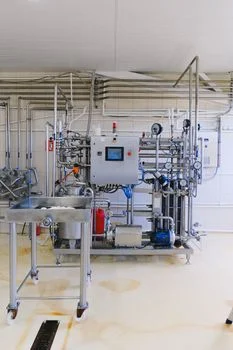
Operational expenditure (OPEX) for industrial wastewater treatment in Makassar in 2026 varies significantly by technology, ranging from IDR 2,500/m³ for conventional activated sludge to IDR 15,000/m³ for advanced zero-discharge systems, primarily driven by energy, chemical, and maintenance requirements. These per-cubic-meter costs encompass labor, energy, chemical consumption, and routine maintenance, providing a holistic view of long-term financial commitments.
Conventional activated sludge systems typically incur OPEX between IDR 2,500–4,000/m³. While chemical usage is relatively low, these systems demand substantial energy for aeration, which can be a significant cost factor given Makassar’s energy rates. In contrast, DAF systems exhibit OPEX ranging from IDR 5,000–8,000/m³. Their lower energy consumption is often offset by higher chemical costs for coagulants and flocculants, essential for efficient contaminant removal.
MBR systems, while offering superior effluent quality and a compact footprint, come with higher OPEX, typically IDR 8,000–12,000/m³. A major contributor to this cost is membrane replacement, which occurs every 5–7 years and can cost IDR 30–50 million per module. Despite this, the reduced land requirements and potential for water reuse often justify the investment, especially in land-constrained or water-stressed areas.
The highest OPEX is associated with zero-discharge systems, ranging from IDR 12,000–15,000/m³. These systems, incorporating technologies like RO systems for zero-discharge wastewater treatment in coastal Makassar and evaporators, face significant costs from RO membrane replacement (IDR 20–30 million per module) and substantial energy consumption for evaporation, with energy costs around IDR 1,500/kWh. However, the elimination of discharge fees (IDR 500–1,500/m³ in Makassar) and the value of recovered water can provide significant long-term savings.
Labor costs in Makassar, averaging IDR 5–8 million per month for a skilled operator, contribute 20–30% to the overall OPEX for systems requiring more manual intervention, such as those utilizing plate and frame filter presses for sludge dewatering. Energy costs, at approximately IDR 1,500/kWh, make MBR systems around 40% more expensive to operate than conventional systems in terms of power consumption alone. However, the 60% smaller footprint of MBR systems can significantly offset the higher energy and maintenance costs by reducing land acquisition or lease expenses, a critical consideration given Makassar's urban development.
| Technology Type | Estimated OPEX (IDR/m³, 2026) | Key OPEX Drivers | Major Maintenance Interval (Typical) |
|---|---|---|---|
| Conventional Activated Sludge | 2,500–4,000 | Aeration Energy, Sludge Disposal | 10–15 years (major overhaul) |
| DAF System | 5,000–8,000 | Coagulants/Flocculants, Sludge Disposal | 5–7 years (pump/compressor overhaul) |
| MBR System | 8,000–12,000 | Membrane Replacement (IDR 30–50M/module), Energy | 5–7 years (membrane replacement) |
| Zero-Discharge (RO + Evaporation) | 12,000–15,000 | RO Membrane Replacement (IDR 20–30M/module), Evaporation Energy | 3–5 years (RO membrane), 10–15 years (evaporator overhaul) |
Compliance Costs vs. System Upgrades: A Makassar-Specific ROI Model
Non-compliance with PermenLHK No. 68/2016 carries significant financial penalties in Makassar, with fines reaching up to IDR 500 million per month (2024 rates), making proactive system upgrades a financially prudent decision with a clear return on investment. These penalties are often accompanied by escalating sanctions for repeat violations, including operational suspensions and public shaming, which can severely impact brand reputation and market standing. The cost of inaction can quickly dwarf the investment required for a compliant treatment system.
Beyond fines, industrial facilities face substantial annual monitoring costs. For a 1,000 m³/day plant, these costs typically range from IDR 1.2–1.8 billion per year, covering mandatory lab testing, the installation and maintenance of online sensors for key parameters (COD, BOD, TSS), and the implementation of data logging and reporting software required by environmental agencies. These are unavoidable expenses, whether compliant or not.
Consider a Makassar textile plant, generating 1,000 m³/day of wastewater with a high COD of 3,000 mg/L, currently struggling to meet PermenLHK No. 68/2016 effluent limits. A comparative ROI model illustrates the financial trade-offs:
- Option 1: Continue Non-Compliance. The plant faces estimated fines of IDR 300 million per month (IDR 3.6 billion annually) for persistent violations, in addition to annual monitoring costs of IDR 1.5 billion. The total annual financial impact of this option is IDR 5.1 billion. This figure does not include the potential for reputational damage or more severe regulatory actions.
- Option 2: Upgrade to an MBR System. An upgrade to an MBR system for a 1,000 m³/day plant would involve an estimated CAPEX of IDR 130 billion, with an annual OPEX of IDR 3.6 billion (including energy, chemicals, and membrane maintenance). When combined with annual monitoring costs of IDR 1.5 billion, the total annual operational financial impact after the initial CAPEX is approximately IDR 5.1 billion. While the immediate CAPEX is substantial, the annual operational costs of a compliant system effectively match the annual cost of fines and monitoring in Option 1. The prompt indicates a 3-year payback for this option, which is often realized through additional benefits such as significant water reuse potential, reduced freshwater procurement costs, and enhanced corporate social responsibility (HydropureWater analysis, 2025). Zero-discharge systems, in particular, offer a clear financial advantage by eliminating discharge fees (IDR 500–1,500/m³ in Makassar) and drastically reducing water procurement costs by up to 40% (e.g., IDR 2,000/m³ for reclaimed water versus IDR 3,500/m³ for freshwater).
| Cost Category | Non-Compliance (Option 1) | MBR System Upgrade (Option 2) |
|---|---|---|
| Annual Fines (IDR) | IDR 3.6 billion (IDR 300M/month) | IDR 0 |
| Annual Monitoring Costs (IDR) | IDR 1.5 billion | IDR 1.5 billion |
| Annual OPEX (IDR) | (Baseline DEWATS Operational Cost) | IDR 3.6 billion |
| CAPEX (IDR) | IDR 0 | IDR 130 billion |
| Total Annual Financial Impact (Post-CAPEX, IDR) | IDR 5.1 billion | IDR 5.1 billion |
| Annual Savings (Option 2 vs. Option 1, post-CAPEX) | N/A | IDR 0 (Direct fines vs. OPEX/Monitoring) |
| Payback Period (from prompt) | N/A | 3 years (considering water reuse & other benefits) |
How to Select the Right Wastewater Treatment System for Makassar’s Conditions
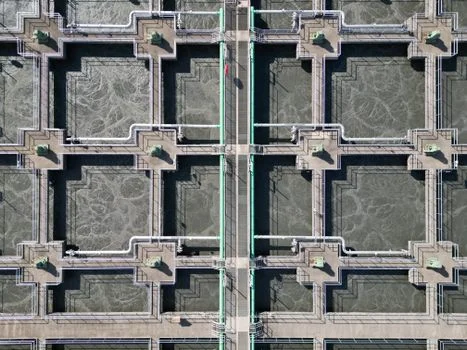
Selecting the optimal wastewater treatment system for industrial facilities in Makassar requires a structured decision framework that rigorously evaluates influent characteristics, land availability, and long-term compliance against PermenLHK No. 68/2016. A tailored approach ensures both cost-effectiveness and sustained regulatory adherence, vital for operations in Makassar with its unique engineering specs for Makassar’s influent variability and compliance risks.
Step 1: Characterize Influent. Begin by thoroughly analyzing your wastewater influent for key parameters such as Chemical Oxygen Demand (COD), Total Suspended Solids (TSS), Fats, Oils, and Grease (FOG), and crucially, salinity. Makassar's industrial benchmarks include:
- Food Processing: COD typically 1,500–3,000 mg/L, TSS 500–1,000 mg/L, often high FOG.
- Textiles: COD 2,000–5,000 mg/L, TSS 300–800 mg/L, with significant color and high salinity (20,000–35,000 mg/L TDS) from dyeing processes.
- Petrochemicals: COD 500–2,000 mg/L, FOG 200–500 mg/L, and oil/grease 100–300 mg/L.
Step 2: Match Technology to Influent and Land Constraints. Based on your influent profile and available land, select the most suitable technology:
- For high FOG/oil content, DAF systems combined with biological treatment are highly effective.
- For high COD/TSS and severe land constraints, DF series MBR modules offer a compact footprint and superior effluent quality.
- For high salinity wastewater, particularly from textile or chemical industries, a zero-discharge approach involving RO and evaporation, or DAF pretreatment followed by specialized biological processes, is essential to meet discharge limits or enable reuse.
Step 3: Calculate Total Cost of Ownership (TCO). Evaluate not just the upfront CAPEX but also the 10-year OPEX for each viable technology. This comprehensive TCO assessment provides a realistic financial projection.
Step 4: Validate Compliance. Ensure the selected system's projected effluent quality rigorously meets or exceeds PermenLHK No. 68/2016 standards (BOD ≤30 mg/L, COD ≤100 mg/L, TSS ≤30 mg/L, pH 6-9). This validation is critical to avoid future fines and operational disruptions.
| Influent Challenge / Constraint | Recommended Technology | HydropureWater Solution | Key Benefit | Typical Effluent Quality (COD, mg/L) |
|---|---|---|---|---|
| High FOG/Oil, Moderate COD | DAF + Biological Treatment | DAF systems | Efficient FOG/Oil Removal, Reduced Sludge Volume | <100 |
| High COD/TSS, Land-Constrained | Membrane Bioreactor (MBR) | DF series MBR modules | Compact Footprint, High Effluent Quality, Pathogen Removal | <50 |
| High Salinity, Water Scarcity | Zero-Discharge (RO + Evaporation) | RO systems, Evaporators | Water Reuse, Eliminates Discharge, Salinity Management | <10 (for reuse) |
| General Industrial, Large Footprint Available | Conventional Activated Sludge | (Custom-engineered conventional designs) | Lower Initial CAPEX, Proven Reliability | <100 |
Frequently Asked Questions
Industrial buyers in Makassar frequently inquire about specific cost components, regulatory implications, and technological suitability for their wastewater treatment investments.
What are the primary drivers of wastewater treatment plant cost in Makassar for 2026?
The main cost drivers for 2026 are technology choice (MBR being 40% higher CAPEX than conventional), land costs (IDR 5–10 million/m²), and compliance requirements for PermenLHK No. 68/2016, which add IDR 15–25 billion for monitoring systems. OPEX is heavily influenced by energy, chemical, and membrane replacement costs.
How do PermenLHK No. 68/2016 effluent limits impact CAPEX?
PermenLHK No. 68/2016, with limits like BOD ≤30 mg/L and COD ≤100 mg/L, necessitates advanced treatment and monitoring, adding 15–25% to CAPEX for online sensors, data logging, and reporting software. Non-compliance fines, up to IDR 500 million/month, make these investments a financial imperative.
What is the cost comparison between MBR and DAF systems in Makassar?
For a 500 m³/day system, a DAF system costs IDR 18–25 billion (CAPEX) with OPEX of IDR 5,000–8,000/m³. A 1,000 m³/day MBR system has a CAPEX of IDR 120–150 billion and OPEX of IDR 8,000–12,000/m³. DAF is specialized for FOG/oil, while MBR offers superior effluent quality and a compact footprint for high COD/TSS.
How does Makassar groundwater salinity affect treatment choices?
High groundwater salinity (up to 35,000 mg/L TDS) in Makassar interferes with biological processes. This often requires advanced pretreatment like DAF or specialized biological systems, or a move towards zero-discharge solutions using RO and evaporation to ensure effective treatment and prevent system inhibition.
What is the typical ROI for upgrading to a zero-discharge wastewater treatment system?
While initial CAPEX for a zero-discharge system (IDR 180–220 billion for 500 m³/day) is high, the ROI is driven by eliminating discharge fees (IDR 500–1,500/m³) and significant water reuse, reducing freshwater procurement costs by up to 40% (e.g., IDR 2,000/m³ vs. IDR 3,500/m³). This can lead to substantial long-term savings and enhanced sustainability, as seen in Singapore’s wastewater treatment cost benchmarks for comparison.