
Why Antofagasta’s Sewage Treatment Needs Are Unique: Mining, Aridity, and Compliance Risks
Antofagasta’s mining and municipal sectors require sewage treatment equipment that meets Chile’s DS 90/2000 discharge limits (e.g., COD ≤250 mg/L, TSS ≤80 mg/L) while operating in arid, high-altitude conditions. Top suppliers like IDOM and Sacyr deliver systems with capacities up to 900 L/s, but industrial buyers need a zero-risk selection framework: compare DAF (95% TSS removal), MBR (COD ≤50 mg/L), and RO (99% salt rejection) against local compliance, CAPEX (USD 500K–2M for mining-scale systems), and OPEX (USD 0.30–0.80/m³). This guide provides engineering specs, cost benchmarks, and a decision matrix for Antofagasta’s unique challenges.
Water scarcity in the Antofagasta region is among the most severe globally, with average annual rainfall recorded at just 0.7 mm. According to 2025 data from the Chilean Ministry of Public Works, the mining sector consumes approximately 90% of the region's available water resources, necessitating a shift toward radical water reuse. For procurement managers, the challenge is not merely treating sewage but transforming it into industrial-grade process water. Mining wastewater in this region presents extreme profiles, with Total Dissolved Solids (TDS) ranging from 5,000 to 15,000 mg/L and high concentrations of heavy metals such as Copper (Cu) and Arsenic (As). Engineering solutions must account for variable flow rates, which IDOM projects have shown can fluctuate between 50 and 900 L/s depending on the scale of the mining operation and camp size.
Compliance is governed by the Chilean DS 90/2000 regulation, which establishes strict discharge limits for marine and continental surface waters. Standard limits include a Chemical Oxygen Demand (COD) of ≤250 mg/L, Total Suspended Solids (TSS) of ≤80 mg/L, and a pH range of 6–9. However, for inland mining sites, internal reuse standards often exceed these requirements to protect sensitive equipment from scaling and corrosion. the operational environment in the Andes—often between 1,000 and 3,000 meters above sea level (masl)—introduces a critical engineering hurdle. At these altitudes, lower atmospheric pressure reduces oxygen transfer efficiency in biological systems by 20–30%, according to EPA 2024 correction factors. Failure to oversize aeration equipment or select altitude-resilient technologies leads to biological collapse and compliance breaches.
A notable case example of modern infrastructure in the region is the 900 L/s plant designed for mining reuse, featuring a 13 km pipeline and a layout optimized via Building Information Modeling (BIM). This project highlights the necessity of integrating large-scale equalization tanks (up to 18,000 m³) to handle the surge loads typical of municipal-to-industrial water transfer schemes.
Engineering Specs for Antofagasta: DAF, MBR, and RO Systems Compared
Selecting the right technology requires a granular understanding of removal efficiencies and energy trade-offs. Dissolved Air Flotation (DAF) is the primary choice for pre-treatment in Antofagasta, particularly for removing fats, oils, and suspended solids that could otherwise foul downstream membranes. DAF systems for mining wastewater pre-treatment achieve 92–97% TSS removal and operate at 2–6 bar pressure. Their modular design allows for rapid deployment in remote mining camps where footprint and installation speed are critical.
For high-quality effluent that meets the strictest reuse standards, Membrane Bioreactors (MBR) have become the industry benchmark. Integrated MBR systems for DS 90/2000 compliance in Antofagasta utilize 0.1 μm membrane pore sizes to ensure COD remains below 50 mg/L and BOD below 10 mg/L. Compared to conventional activated sludge, MBR systems offer a 60% smaller footprint and significantly higher resilience to the fluctuating organic loads found in municipal sewage. When evaluating MBR effluent quality benchmarks for industrial reuse, engineers must prioritize submerged membrane configurations, which consume 10–20× less energy than external cross-flow systems.
In scenarios where the treated water is destined for sensitive mining processes or cooling towers, Reverse Osmosis (RO) is required to manage salinity. RO systems for 99% salt rejection in mining water reuse operate at 15–25 bar and effectively remove monovalent ions that MBR and DAF cannot. However, RO requires rigorous pre-treatment—often a combination of DAF and ultrafiltration—to prevent irreversible membrane fouling caused by the high mineral content of Antofagasta’s groundwater. The following table summarizes the engineering parameters for these three core technologies.
| Parameter | DAF | MBR (DF Series) | RO Systems |
|---|---|---|---|
| TSS Removal Efficiency | 92% – 97% | >99% | >99.9% |
| COD Removal Efficiency | 60% – 80% | 90% – 95% | N/A (Salt Removal Focus) |
| Energy Consumption | 0.3 – 0.5 kWh/m³ | 0.8 – 1.2 kWh/m³ | 1.5 – 2.5 kWh/m³ |
| Footprint Requirement | Medium (Modular) | Low (Compact) | High (Includes Pre-treatment) |
| Salt Rejection | Negligible | Negligible | 98% – 99.5% |
| Primary Application | Solid/Oil Separation | Biological/Organic Removal | Desalination/Water Reuse |
Top 5 Sewage Treatment Equipment Suppliers in Antofagasta: Capabilities and Gaps
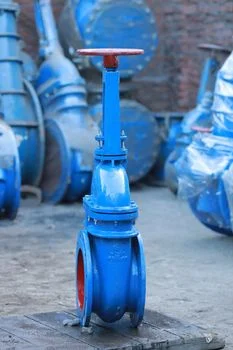
The supplier landscape in Antofagasta is divided between large-scale infrastructure firms and specialized equipment manufacturers. Understanding the distinction between a contractor and a manufacturer is vital for long-term operational resilience. Sacyr, for instance, dominates large-scale Public-Private Partnership (P3) projects, such as the Antofagasta water reuse plant. While they excel at project management and distribution, they typically rely on third-party subcontractors for specialized equipment manufacturing, which can complicate the procurement of spare parts.
IDOM provides high-level engineering and BIM expertise, particularly for 900 L/s scale mining infrastructure. However, as they do not maintain local manufacturing facilities in Chile, equipment is often imported, leading to longer lead times and higher logistics costs. Local suppliers like EcoFlow Solutions Chile offer DAF and MBR systems with the benefit of regional support, but they often lack the extensive mining compliance track record required for high-risk tailings or leaching operations. CleanTech Chile S.A. specializes in RO and desalination, providing high-spec systems that are effective but carry a significant CAPEX premium, often exceeding USD 2M for mining-scale applications.
HydropureWater occupies a strategic middle ground as a global manufacturer with established Chilean partnerships. By offering DAF, MBR, and RO systems with up to 20% lower CAPEX than European competitors (ranging from USD 800K to 1.5M for mining-scale systems), they address the budget constraints of municipal planners while meeting the technical rigors of the mining industry. A persistent gap across all suppliers in the region is the lack of integrated sludge dewatering and water reuse systems; most providers focus solely on the liquid stream, leaving the client to manage sludge disposal separately.
| Supplier | Core Strength | Manufacturing Base | Mining Experience | Relative CAPEX |
|---|---|---|---|---|
| Sacyr | P3 Project Management | Subcontracted | Very High | High |
| IDOM | BIM & Design Engineering | Imported | High | Moderate-High |
| EcoFlow Chile | Local Support & Service | Local Assembly | Moderate | Moderate |
| CleanTech Chile | RO & Desalination | Hybrid | High | Very High |
| HydropureWater | Integrated Tech (DAF/MBR/RO) | Global Factory | High | Competitive |
Cost Benchmarks for Antofagasta: CAPEX, OPEX, and ROI by Equipment Type
Budgeting for sewage treatment in Antofagasta requires accounting for regional cost drivers that are often overlooked in standard feasibility studies. CAPEX for a 100–500 m³/h system varies widely by technology: DAF systems range from USD 150K to 500K, MBR systems from USD 800K to 1.5M, and full RO plants from USD 1M to 2.5M. These figures include the necessary ruggedization for desert environments, such as dust-proof enclosures and UV-resistant coatings.
OPEX is heavily influenced by energy costs and chemical consumption. In Antofagasta, the high-altitude oxygen correction factor means that aeration for MBR systems can cost 20% more than at sea level. OPEX for DAF remains the lowest at USD 0.20–0.40/m³, while RO systems can reach USD 0.70–1.20/m³ when factoring in the high cost of anti-scalants and the periodic replacement of membranes every 3–5 years (a cycle that can cost USD 50K–100K). When comparing Santiago’s compliance standards for industrial wastewater with Antofagasta, the primary difference lies in the ROI calculation. In Antofagasta, the high cost of freshwater extraction (USD 3–5/m³) allows for a rapid ROI of 3–5 years for reuse-focused systems, making the higher CAPEX of RO and MBR economically justifiable.
| Technology | CAPEX (100-500 m³/h) | OPEX (per m³) | ROI (Mining Reuse) | Major Cost Driver |
|---|---|---|---|---|
| DAF | USD 150K – 500K | USD 0.20 – 0.40 | 2 – 3 Years | Chemical Coagulants |
| MBR | USD 800K – 1.5M | USD 0.50 – 0.80 | 3 – 4 Years | Aeration (Altitude) |
| RO | USD 1M – 2.5M | USD 0.70 – 1.20 | 4 – 5 Years | Membrane Replacement |
Step-by-Step Selection Framework for Antofagasta Buyers
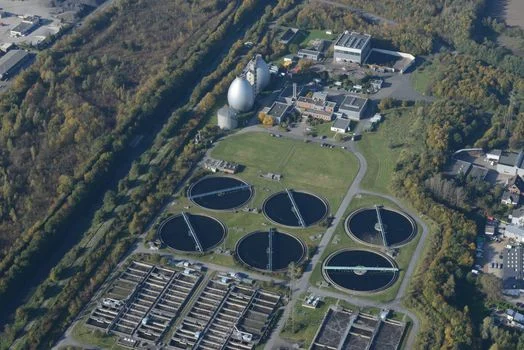
To eliminate risk during the procurement process, mining engineers and municipal planners should follow a structured evaluation framework tailored to the Atacama's specific environmental constraints.
- Define Influent Parameters: Conduct comprehensive lab testing over a 30-day period to capture variability in TDS, TSS, COD, and heavy metals. Standardizing the baseline is essential for sizing DAF and MBR units.
- Match Equipment to Compliance: Ensure the selected technology meets DS 90/2000 for discharge. If the goal is reuse, verify that the equipment can reach the specific conductivity and mineral limits required by your process.
- Evaluate Footprint Constraints: For urban municipal sites, MBR is often the only viable choice due to space limitations. Remote mining sites may favor modular DAF systems for mining wastewater that can be easily expanded.
- Apply Altitude Correction: Demand that suppliers provide aeration and pump curves specifically calculated for the site's elevation (masl). Standard sea-level specs will lead to under-performance.
- Assess Supplier Support: Prioritize manufacturers who offer local commissioning support and BIM integration to ensure the equipment fits within existing infrastructure layouts.
- Pilot Testing: For RO and MBR systems, a 3-month pilot test using actual site influent is critical to determine the real-world fouling rate and chemical demand.
- Negotiate Performance Guarantees: Secure contractual guarantees for 95% uptime and specific removal efficiencies (e.g., 90% TSS removal) to mitigate the risk of regulatory fines.
Frequently Asked Questions
What are the discharge limits for sewage treatment in Antofagasta?
Chile’s DS 90/2000 sets COD ≤250 mg/L, TSS ≤80 mg/L, and pH 6–9. Specific limits for heavy metals include Copper (Cu) ≤3 mg/L and Arsenic (As) ≤0.5 mg/L. Mining operations often enforce stricter internal limits for water reuse to prevent scaling in process piping.
How much does a mining-scale sewage treatment plant cost in Antofagasta?
CAPEX typically ranges from USD 1.2M to 2M for MBR systems (100–500 m³/h). RO systems, which provide the highest quality water for reuse, cost between USD 1.5M and 2.5M. OPEX generally fluctuates between USD 0.50 and 0.80/m³ depending on energy costs.
What’s the best sewage treatment technology for high-TDS mining wastewater?
RO systems are the only solution capable of achieving 99% salt rejection for high-TDS water. However, they must be preceded by DAF or MBR to remove organic and suspended solids that would otherwise destroy the RO membranes.
Can sewage treatment equipment handle Antofagasta’s high-altitude conditions?
Yes, but biological systems like MBR require 20–30% more aeration capacity due to lower oxygen partial pressure at high altitudes. Mechanical systems like DAF and RO are less affected but require specialized motors and cooling systems for the thin air.
How do I ensure compliance with Chile’s DS 90/2000?
Utilize equipment with certified removal efficiencies and implement a continuous monitoring system for pH, turbidity, and COD. Suppliers like HydropureWater provide compliance guarantees and integrated testing protocols for mining applications.


