In 2025, industrial facilities in Santiago must treat wastewater to Chilean standards DS 609/1998 (general effluent) and DS 90/2000 (specific contaminants), with local ordinances adding stricter limits for heavy metals and organic loads. Aguas Andinas now treats 100% of Santiago’s wastewater, but industrial plants must pre-treat effluent to avoid surcharges—DAF systems achieve 95% TSS removal, while MBR systems deliver near-reuse-quality effluent (<50 mg/L COD) for high-risk sectors like mining and food processing. Meeting these standards requires precise integration of primary separation, biological treatment, and advanced sludge dewatering to balance capital expenditure (CAPEX) with long-term operational efficiency (OPEX).
Santiago’s Industrial Wastewater Compliance: 2025 Standards and Deadlines
Chilean environmental regulations mandate industrial discharge into sewerage systems must not exceed maximum permissible limits established in Supreme Decree No. 609/1998, while discharges to surface waters or groundwater are governed by DS 90/2000. The Superintendencia de Servicios Sanitarios (SISS) and the Dirección General de Aguas (DGA) enforce these standards in the Santiago Metropolitan Region. Failure to comply by 2025 deadlines results in fines up to 10,000 UTM, alongside potential revocation of industrial discharge permits.
Aguas Andinas, the primary utility provider in Santiago, has implemented a rigorous surcharge program for industrial effluent exceeding municipal sewer limits. This program offsets processing costs for high-strength waste at major facilities like La Farfana and Mapocho "Biofactories." Santiago’s treatment plants process over 300,000 tonnes of sludge annually; industrial facilities contributing excess organic load or heavy metals face tiered pricing based on kilograms of Chemical Oxygen Demand (COD) and Total Suspended Solids (TSS) discharged. For mining operations, Santiago-specific ordinances often impose stricter copper limits (<1.0 mg/L) than the national baseline to protect the Maipo and Mapocho river basins.
| Parameter | DS 609/1998 (Sewerage) | DS 90/2000 (Surface Water) | Santiago Local Adjustment |
|---|---|---|---|
| pH | 6.0 – 9.0 | 6.0 – 8.5 | Strict 6.5 – 8.5 (Mining) |
| BOD₅ (mg/L) | 300 | 35 | <30 for high-load sectors |
| COD (mg/L) | 500 | 100 | <80 (Textiles/Food) |
| TSS (mg/L) | 300 | 80 | <50 (Industrial Zone) |
| Copper (mg/L) | 3.0 | 1.0 | 0.5 (Watershed Protection) |
Facility managers should follow a strict checklist to ensure 2025 compliance: 1) Conduct monthly effluent testing via SISS-certified laboratories; 2) Renew DGA water rights and SISS discharge permits; and 3) Verify pre-treatment systems, such as DAF systems, are certified for current flow rates. Understanding Latin American compliance standards provides a broader perspective on regional regulatory trends affecting Santiago.
Industrial Wastewater Treatment Technologies for Santiago’s Key Sectors
The food processing sector primarily uses Dissolved Air Flotation (DAF) systems.DAF systems achieve up to 95% removal of Fats, Oils, and Grease (FOG) and 92% of Total Suspended Solids (TSS). These systems operate by introducing micro-bubbles that attach to particles, lifting them to the surface for mechanical skimming. Engineering benchmarks for 2025 indicate high-rate DAF units can handle hydraulic loading rates of up to 15 m³/m²/h, making them ideal for space-constrained urban factories in Santiago.
For mining and pharmaceutical sectors, MBR systems offer a superior solution for removing heavy metals and active pharmaceutical ingredients (APIs). Membrane Bioreactors (MBR) combine biological degradation with ultrafiltration, typically using PVDF membranes with a pore size of 0.03 to 0.1 microns. Data from 2024 installations in Chile shows MBR systems can maintain copper and arsenic levels below 0.5 mg/L while producing effluent with a turbidity of less than 0.2 NTU, suitable for industrial reuse.
| Sector | Primary Pollutants | Recommended Technology | Removal Efficiency |
|---|---|---|---|
| Food Processing | FOG, BOD, TSS | DAF + Biological | 95% FOG / 92% TSS |
| Mining | Copper, Arsenic, TDS | MBR + Ion Exchange | 99% Metals / 98% TSS |
| Textiles | Dyes, COD, Sulfides | Chemical DAF + Aeration | 90% Color / 85% COD |
| Pharmaceuticals | APIs, Solvents | Ozone + MBR | 99.9% Pathogens/APIs |
In the textile industry, a combination of chemical coagulation and DAF is often employed. By using an automatic chemical dosing system, plants can achieve a 90% reduction in color and significant COD reduction. Following this primary treatment, a secondary biological stage ensures compliance with DS 90/2000 limits for discharge into the Mapocho river.
Equipment Selection Guide: DAF vs. MBR vs. Chemical Treatment for Santiago Factories
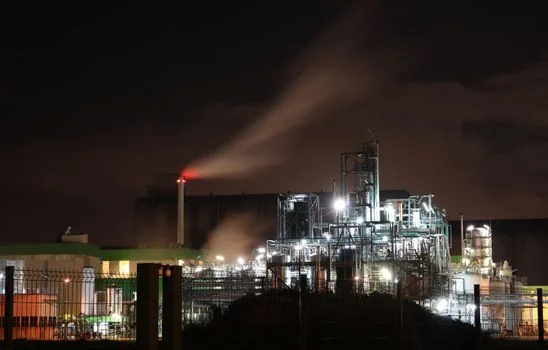
Selecting between DAF and MBR systems for Santiago factories depends on influent organic load, available footprint, and target effluent quality. DAF systems generally feature lower CAPEX, ranging from $50,000 to $300,000. Their OPEX is also relatively low, typically between $0.10 and $0.30 per cubic meter. This makes DAF a "zero-risk" choice for food and beverage plants.
Conversely, MBR systems represent a higher investment, with CAPEX ranging from $200,000 to $1M. The OPEX is higher as well, at $0.40–$0.80/m³, due to energy required for membrane scouring and periodic membrane replacement. However, the ROI for MBR is realized through elimination of heavy metal surcharges and ability to reuse treated water.
| System Type | CAPEX Range (USD) | OPEX ($/m³) | Primary Benefit |
|---|---|---|---|
| DAF (Dissolved Air Flotation) | $50k – $300k | $0.10 – $0.30 | High FOG/TSS removal, low power |
| MBR (Membrane Bioreactor) | $200k – $1M+ | $0.40 – $0.80 | Water reuse, <5mg/L BOD |
| Chemical Coagulation | $20k – $100k | $0.20 – $0.50 | Low footprint, specific metal removal |
A data-driven decision framework for Santiago facility managers prioritizes four factors: 1) Influent volume and peak flow variability; 2) Specific contaminant types; 3) Physical space constraints; and 4) Long-term water reuse goals. Reviewing an equipment selection framework provides additional technical insights. A detailed cost comparison between DAF and IAF systems helps procurement teams justify investment in higher-efficiency air saturation technology.
Sludge Management in Santiago: Dewatering, Disposal, and Valorization Options
Mechanical dewatering reduces disposal volumes by up to 75%, lowering operational costs associated with landfill fees.Plate-and-frame filter presses are the industry standard for achieving high cake dryness, often reaching 30–40% solids. These units are highly effective for food processing and municipal-style sludge. Alternatively, a screw press dewatering system offers a continuous, low-maintenance solution for mining and textile sludge.
| Dewatering Tech | Dry Solids % | CAPEX (USD) | Maintenance Level |
|---|---|---|---|
| Plate-and-Frame Press | 30% – 45% | $30k – $200k | High (Manual/Semi-Auto) |
| Multi-Disk Screw Press | 20% – 30% | $20k – $150k | Low (Fully Automatic) |
| Centrifuge Decanter | 25% – 35% | $100k – $400k | Medium (High Power) |
Investing in plate-and-frame filter presses reduces Santiago sludge disposal costs by 50%. By increasing solids content from 2% to 35%, a factory processing 100 m³ of sludge per month can save over $100,000 annually in transport and tipping fees.
Case Study: How a Santiago Food Processor Cut Costs by 40% with DAF Pre-Treatment
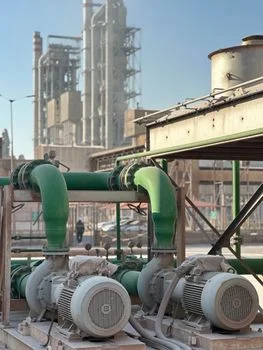
A dairy processing facility in Santiago eliminated monthly surcharges of $20,000 by implementing a dedicated pre-treatment system. The facility faced high municipal fees and risk of permit suspension during SISS audits. The solution involved installing a DAF-50 system with integrated automatic skimming mechanism and pH adjustment tank.
The results were immediate: beyond the $20,000 monthly savings in surcharges, the plant reduced sludge disposal costs by $8,000 per month. Total OPEX was reduced by 40% within six months. Key lessons include the importance of chemical optimization and value of automated systems in reducing labor costs and human error.
Frequently Asked Questions
What are effluent limits for industrial wastewater in Santiago?
Industrial discharge must comply with DS 609/1998 for sewerage discharge and DS 90/2000 for surface water discharge.
How much does a DAF system cost for a 100 m³/h food processing plant in Santiago?
A 100 m³/h DAF system typically requires a CAPEX of $120,000 to $180,000. OPEX generally ranges from $0.15 to $0.25 per cubic meter.
Can MBR systems handle high-salinity wastewater from mining operations?