Hospitals in Iraq face severe wastewater treatment challenges, with 60% of existing systems non-operational or overloaded (EPIC 2025). A 487-bed hospital in Basra required a $1.9M plant to meet WHO pathogen limits, while Kurdistan’s upstream provinces lack any treatment capacity. For 2026, MBR systems achieve <50 mg/L COD and 99.99% pathogen removal, but chlorine dioxide generators offer lower CAPEX ($50K–$200K) for smaller clinics. Iraqi Ministry of Health standards mandate <100 CFU/100mL fecal coliforms—requiring advanced disinfection for compliance.
Why Iraq’s Hospitals Need Zero-Risk Wastewater Treatment in 2026
The 2009 rehabilitation of Sadr Teaching Hospital’s wastewater plant in Basra cost $1.9 million to replace a system that had been inoperable for 15 years, highlighting the extreme consequences of infrastructure neglect. In 2026, the urgency has only intensified; the Enabling Peace in Iraq Center (EPIC) reports that 60% of the nation’s wastewater treatment plants are non-operational. For healthcare facilities, this failure translates into the direct discharge of untreated medical effluent containing antibiotic-resistant bacteria and hazardous pathogens into the Tigris and Euphrates rivers.
The regional challenges vary significantly across the country. In Basra, high groundwater salinity and seawater intrusion complicate biological treatment processes, requiring corrosion-resistant equipment. In Baghdad, extreme urban density leaves no room for traditional lagoon systems, necessitating compact, high-efficiency technologies like MBR systems for hospital wastewater in Iraq. Meanwhile, the Kurdistan region faces a near-total lack of upstream treatment infrastructure, placing the burden of environmental protection entirely on individual hospital facility managers and procurement officers.
To mitigate these risks, Iraqi healthcare providers are transitioning toward three primary technologies: Membrane Bioreactors (MBR), chlorine dioxide (ClO2) generators, and ozone disinfection. Each technology addresses specific infrastructure gaps. MBR offers the highest effluent quality for large-scale urban hospitals, while chlorine dioxide provides a cost-effective, mobile solution for rural clinics. Ozone disinfection serves as a powerful tertiary treatment for facilities targeting the total elimination of pharmaceutical residues. Choosing the correct system requires a deep understanding of the influent characteristics unique to the Iraqi medical sector.
Hospital Wastewater in Iraq: Influent Characteristics and Treatment Challenges
Academic assessments of hospital effluent in Basra (2025) indicate that Chemical Oxygen Demand (COD) levels can reach 1,200 mg/L, nearly double the concentration of standard municipal sewage. This high organic load is compounded by significant concentrations of suspended solids and fluctuating pH levels resulting from the heavy use of laboratory reagents and disinfectants. Engineering consultants must account for these elevated parameters to prevent system fouling and biological shock.
One of the most critical challenges in southern Iraq is high salinity. Total Dissolved Solids (TDS) in Basra hospital wastewater often exceed 1,500 mg/L. High salinity increases the osmotic pressure on microbial populations in conventional activated sludge systems, leading to poor sludge settling and the failure of biological nutrient removal. the widespread overprescription of antibiotics in Iraq has led to high concentrations of pharmaceutical residues in hospital streams, which can inhibit the growth of the nitrifying bacteria required for ammonia removal.
Intermittent power supply remains a primary cause of system failure across Baghdad and central Iraq. Biological systems that rely on continuous aeration can collapse during extended blackouts, leading to septic conditions and foul odors. This necessitates the integration of robust automation and backup power solutions. To ensure compliance with WHO standards, Iraqi hospitals must move beyond basic primary treatment and adopt advanced disinfection or membrane filtration to handle the specific "cocktail" of medical waste produced in high-traffic facilities.
| Parameter | Iraqi Hospital Influent (Typical) | Standard Municipal Sewage | Impact on Treatment |
|---|---|---|---|
| COD (mg/L) | 500 – 1,200 | 250 – 450 | Requires high-intensity aeration or MBR |
| BOD5 (mg/L) | 300 – 700 | 150 – 300 | High oxygen demand; risks anaerobic pockets |
| TSS (mg/L) | 200 – 800 | 100 – 300 | Rapid filter clogging; requires robust pre-treatment |
| TDS (mg/L) | 1,000 – 2,500+ | <500 | Corrosion risk; inhibits biological growth |
| Fecal Coliforms | 10^6 – 10^9 CFU/100mL | 10^4 – 10^6 CFU/100mL | Mandates advanced disinfection (Ozone/ClO2) |
MBR vs. Chlorine Dioxide vs. Ozone: Technology Comparison for Iraqi Hospitals
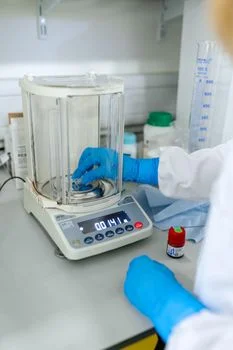
Membrane Bioreactor (MBR) technology achieves a 99.99% pathogen removal rate, providing a physical barrier that chemical disinfection alone cannot match in high-risk medical environments. By combining biological degradation with microfiltration or ultrafiltration, MBR systems eliminate the need for secondary clarifiers, reducing the total footprint by up to 60%. This is particularly advantageous for Baghdad-based hospitals where land value is high and space is limited. However, MBR systems require consistent power and skilled maintenance to manage membrane flux and prevent scaling in high-salinity environments like Basra.
For smaller clinics or facilities with limited budgets, on-site chlorine dioxide generators for Iraqi hospitals offer a highly effective alternative. Unlike traditional chlorine, chlorine dioxide does not produce harmful trihalomethanes (THMs) and remains effective across a wide pH range (4 to 10). This stability is vital for Iraqi hospitals where influent pH can fluctuate due to laboratory waste. Chlorine dioxide is also the most viable technology for mobile, trailer-mounted units used in field hospitals or temporary medical camps in remote provinces.
Ozone disinfection represents the "gold standard" for removing complex organic molecules and antibiotic residues. While it has a higher CAPEX and energy requirement, it leaves no chemical residue and provides the highest kill rate for viruses and spores. In many Iraqi procurement scenarios, a hybrid approach is recommended: MBR for organic removal followed by chlorine dioxide for residual disinfection in the distribution network. This ensures that even if the power fails momentarily, the residual disinfectant continues to protect the facility's water safety.
| Feature | MBR (Integrated) | Chlorine Dioxide (ClO2) | Ozone Disinfection |
|---|---|---|---|
| COD Removal | >95% (<50 mg/L) | Minimal (Disinfection only) | Moderate (Oxidation) |
| Pathogen Kill | 99.99% (Physical) | 99.9% (Chemical) | 99.999% (Oxidation) |
| Footprint | Very Small | Compact (Skid-mounted) | Moderate |
| CAPEX | High ($500K - $2M) | Low ($50K - $200K) | High ($300K+) |
| OPEX | 0.8 – 1.2 kWh/m³ | Chemical Costs ($5-$15/m³) | 1.5 – 2.0 kWh/m³ |
| Suitability | Large Urban Hospitals | Rural Clinics/Mobile Units | Tertiary Polishing |
Compliance Standards: Iraqi Ministry of Health, WHO, and EPA Requirements
The Iraqi Ministry of Health mandates that hospital effluent discharged into public sewers or water bodies must contain fewer than 100 CFU/100mL of fecal coliforms. This standard is strictly enforced for new hospital construction, such as the recently inaugurated plants in Babil and Baghdad. To meet these local requirements, facilities must also ensure that Biochemical Oxygen Demand (BOD) remains below 50 mg/L and Total Suspended Solids (TSS) below 100 mg/L. Failure to comply can result in heavy fines or the suspension of operating licenses.
International benchmarks, such as the WHO Guidelines for Drinking-water Quality (2022), set even more stringent targets for water reuse. If a hospital in Kurdistan or Basra intends to reuse treated effluent for landscape irrigation—a common strategy to combat water scarcity—the E. coli count must be <1 CFU/100mL. This level of purity is typically only achievable through MBR or advanced ozone oxidation. For procurement officers, matching the technology to the specific discharge or reuse target is the most critical step in the budgeting process.
the management of biosolids must align with EPA 40 CFR Part 503 standards if the sludge is to be applied to land. In agricultural regions surrounding Basra, ensuring that fecal coliforms in sludge are <1,000 MPN/g is essential for public health. Compact chlorine dioxide systems for Iraqi clinics often incorporate sludge thickening and disinfection stages to meet these requirements without the need for massive drying beds. For more insights on regional compliance, facility managers can review solutions for high-salinity hospital effluent in similar global contexts.
CAPEX and OPEX Breakdown: Budgeting for Hospital Wastewater Treatment in Iraq
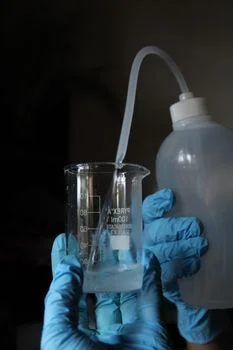
Total Cost of Ownership (TCO) for Iraqi hospital treatment systems is heavily influenced by energy consumption, which ranges from 0.8 kWh/m³ for MBR to over 2.0 kWh/m³ for high-output ozone systems. For a standard 500-bed hospital in Baghdad, a full-scale MBR plant typically requires a CAPEX investment of $1.5M to $2M. While this is a significant upfront cost, the 5-year TCO is often lower than chemical-heavy systems due to the reduction in sludge handling costs and the ability to reuse treated water, offsetting municipal water fees.
In contrast, chlorine dioxide generators represent a much lower initial investment, often between $50,000 and $200,000 for outpatient clinics or smaller specialized centers. The trade-off is found in the OPEX, where chemical precursors (sodium chlorite and hydrochloric acid) must be regularly procured and safely stored. In volatile market conditions, the logistics of chemical supply chains in Iraq can add 15-20% to the annual operating budget. Mobile chlorine dioxide systems are particularly attractive for temporary facilities, as they reduce CAPEX by 40% compared to permanent civil works.
| System Capacity (m³/day) | Technology Type | Estimated CAPEX (USD) | Annual OPEX (USD) | 5-Year TCO (USD) |
|---|---|---|---|---|
| 100 (Small Clinic) | Chlorine Dioxide | $65,000 | $12,000 | $125,000 |
| 500 (Medium Hospital) | MBR (WSZ Series) | $850,000 | $45,000 | $1,075,000 |
| 1,500 (Large Teaching) | MBR + Ozone | $2,200,000 | $110,000 | $2,750,000 |
| 200 (Mobile/Field) | Mobile ClO2 Unit | $120,000 | $22,000 | $230,000 |
Zero-Risk Equipment Selection: Checklist for Iraqi Hospitals
Automated PLC systems reduce the risk of operational failure in Iraqi hospitals by 70% compared to manually operated chemical dosing units. Given the shortage of specialized wastewater engineers in some provinces, procurement officers should prioritize "plug-and-play" systems that offer remote monitoring capabilities. This allows off-site experts to troubleshoot issues in real-time, ensuring the system remains compliant with Iraqi MoH standards even when local staff are unavailable.
When evaluating suppliers, the following checklist should be used to ensure long-term reliability in the Iraqi context:
- Corrosion Resistance: Does the equipment use SS316L or reinforced polymers to handle Basra’s high-salinity influent?
- Power Resilience: Does the system include an automatic restart function and surge protection for intermittent power grids?
- Automation Level: Is the system equipped with a PLC (e.g., Siemens or Delta) for automated chemical dosing and membrane cleaning?
- After-Sales Support: Does the supplier have a documented service history in Baghdad or Kurdistan for rapid parts replacement?
- Footprint Efficiency: Can the system be installed underground (like the WSZ Series) to save surface space for hospital parking or expansion?
HydropureWater’s compact medical wastewater system and WSZ Series are specifically engineered to address these challenges. The WSZ Series utilizes integrated MBR technology with a PLC-controlled interface, making it ideal for the high-density requirements of Baghdad. For more information on selecting the right partner, consult the Baghdad-specific supplier selection criteria.
Frequently Asked Questions
What is the most cost-effective wastewater treatment for a 100-bed Iraqi clinic?
For smaller facilities, chlorine dioxide generators are the most cost-effective, with CAPEX starting at $50,000. They provide excellent pathogen kill rates and require less space and power than biological systems. However, they do not remove COD or TSS, so they are best used when discharging into a functional municipal sewer system.
How do MBR systems handle the high salinity found in Basra?
MBR systems for hospitals in Basra utilize specialized salt-tolerant bacteria and corrosion-resistant membrane housings. While high TDS can reduce biological efficiency, the physical membrane barrier ensures that the effluent still meets discharge standards for solids and pathogens. To learn more about similar environments, see how Yangon hospitals address similar challenges.
| Requirement | Best Technology Choice | Reasoning |
|---|---|---|
| Strict Pathogen Limits | Ozone or MBR | Highest log-reduction of viruses and bacteria. |
| Limited Space (Baghdad) | MBR | Eliminates secondary clarifiers; very compact. |
| Low Budget (Rural) | Chlorine Dioxide | Lowest CAPEX; simple installation. |
| High Salinity (Basra) | MBR with SS316 | Physical filtration bypasses biological settling issues. |
Does the Iraqi Ministry of Health require on-site treatment for all new hospitals?
Yes, current regulations mandate that all new healthcare facilities must have an integrated wastewater treatment system that meets the <100 CFU/100mL fecal coliform limit before discharge. This is a key part of the environmental impact assessment required for hospital licensing in 2026.