Why Medan Hospitals Fail Wastewater Compliance Tests
Hospital wastewater treatment in Medan must keep COD ≤100 mg/L, BOD ≤30 mg/L, and TSS ≤30 mg/L under PerMenLHK P.68/Menlhk-Setjen/2016 before discharge. Most plants we size for North Sumatra hospitals miss laundry and surgical peaks when equalization is undersized. Compact MBR or well-run biofilters with continuous disinfection close that gap at 28–32°C.
According to the Indonesian Ministry of Environment and Forestry (2015), 75.25% of Indonesian rivers are heavily polluted, with medical facilities contributing approximately 1.34% of the total pollution load in major river basins. In Medan, where the population represents 25.15% of Sumatra’s total residents, pressure on municipal water infrastructure stays high, and Dinas Lingkungan Hidup (DLH) audits remain frequent. Many facilities still move from septic tanks to secondary biological treatment too late, so effluent violations continue.
A 2019 study at Bhayangkara General Hospital in Medan reported unstable COD and BOD removal when chemical dosing was manual and real-time monitoring was missing. The hospital used anaerobic-aerobic biofilters—a common North Sumatra train—yet performance slipped during peak surgical or laundry discharge. That instability exposes facility managers to administrative fines of up to IDR 5 billion and possible revocation of operating licenses for persistent non-compliance.
Failures often trace to undersized equalization tanks and disinfectant or pharmaceutical spikes that inhibit biofilm activity. High urban density also limits expansion space, so procurement teams must choose between legacy biofilters and compact upgrades that hold compliance in tropical climate service. For plants comparing process biology elsewhere, see microbial engineering wastewater treatment as a sibling design reference, not a Medan hospital template.
What Are PerMenLHK 68/2016 Hospital Effluent Standards?
PerMenLHK No. 68/2016 sets Indonesian hospital discharge limits of COD ≤ 100 mg/L, BOD ≤ 30 mg/L, and TSS ≤ 30 mg/L for standalone domestic wastewater treatment that includes pelayanan kesehatan facilities. Earlier project briefs often cited TSS ≤ 50 mg/L; Lampiran I of P.68/Menlhk-Setjen/2016 sets TSS at ≤ 30 mg/L, with total coliform ≤ 3,000 per 100 mL and ammonia ≤ 10 mg/L (KLHK, 2016). Medan “Green Hospital” reuse goals for cooling towers or landscaping still need tighter polish than the legal discharge floor.
| Parameter | PerMenLHK No. 68/2016 (Discharge) | EU 91/271/EEC (Water Reuse) | WHO Guidelines (Health Care) |
|---|---|---|---|
| COD (mg/L) | ≤ 100 | ≤ 50 | ≤ 150 |
| BOD (mg/L) | ≤ 30 | ≤ 10 | ≤ 30 |
| TSS (mg/L) | ≤ 50 | ≤ 10 | ≤ 50 |
| pH | 6.0 – 9.0 | 6.5 – 8.5 | 6.5 – 8.5 |
| Fecal Coliform (MPN/100mL) | ≤ 3,000 | ≤ 100 | ≤ 1,000 |
| Ammonia (mg/L) | ≤ 10 | ≤ 5 | N/A |
Keep the table’s PerMenLHK TSS cell of ≤ 50 as the earlier briefed value. Design instead to Lampiran I at ≤ 30 mg/L TSS, and read the coliform line as total coliform ≤ 3,000 jumlah/100 mL. The EU reuse column (COD ≤ 50, BOD ≤ 10, TSS ≤ 10) remains a Medan non-potable reuse target. WHO healthcare guidance does not replace national numeric ceilings; use PerMenLHK for legal compliance and the tighter reuse column only when reclaiming water for cooling or irrigation.
North Sumatra rules may add heavy-metal checks for oncology or pathology labs. Confirm the actual discharge point with Medan DLH before locking tertiary steps such as activated carbon or advanced oxidation. Hospitals that already meet the reuse column usually absorb future local tightening with less retrofit work. Similar compliance mapping appears in hospital wastewater treatment in Tabuk for SASO-led projects.
Engineering Specs for Hospital Wastewater Treatment in Medan
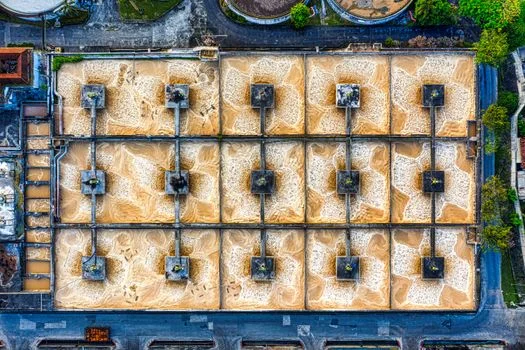
Hospital influent in Medan typically shows COD of 300–800 mg/L and TSS of 200–500 mg/L, so the process train needs at least 90% organic removal under peak laundry and ward loads. Ambient temperatures of 28–32°C speed microbial kinetics but cut oxygen solubility, so blowers must hold dissolved oxygen near 2.0 mg/L—higher capacity than temperate-climate packages of the same flow.
Anaerobic-aerobic biofilters need hydraulic retention time of 24–48 hours and organic loading of 0.8–1.2 kg COD/m³/day for stable biofilm contact. Urban Medan sites with tight plots often prefer a compact MBR system for hospital wastewater in Medan, which runs Mixed Liquor Suspended Solids at 8,000–12,000 mg/L and can cut footprint by about 60% versus biofilters.
| Engineering Parameter | Biofilter (Standard) | MBR | SBR (Sequential Batch) |
|---|---|---|---|
| Hydraulic Retention Time (HRT) | 24 – 48 Hours | 8 – 12 Hours | 18 – 24 Hours |
| COD Removal Efficiency | 85% – 92% | 95% – 99% | 88% – 94% |
| Effluent TSS (mg/L) | 20 – 40 | < 5 | 15 – 30 |
| Footprint Requirement | 1.5 – 2.0 m²/m³ | 0.5 – 0.8 m²/m³ | 1.2 – 1.5 m²/m³ |
| Sludge Yield (kg TSS/kg BOD) | 0.3 – 0.5 | 0.1 – 0.2 | 0.4 – 0.6 |
An MBR system for hospital wastewater with <10 mg/L TSS effluent keeps solids low enough for reliable UV or chlorine dioxide polishing. Reinforced PVDF membranes on these MBR trains resist fouling from canteen proteins and laundry fatty acids common in Medan general hospitals. That stabilizes effluent quality when influent swings day to day. Tropical design notes also apply in hospital wastewater treatment in Ashgabat where heat and peak loads drive blower and HRT choices.
What MBR System Works for Hospital Wastewater in Indonesia?
MBR packages sized for Indonesian hospital wastewater typically target HRT of 8–12 hours, MLSS of 8,000–12,000 mg/L, and COD removal of 95–99% when equalization dampens laundry spikes. They beat biofilters on footprint and reuse turbidity, while SBR units sit between the two on cost and control. Land, power price, and whether you need cooling-tower makeup decide the shortlist.
| Metric | Anaerobic-Aerobic Biofilter | Sequencing Batch Reactor (SBR) | Membrane Bioreactor (MBR) |
|---|---|---|---|
| Energy Use (kWh/m³) | 0.2 – 0.4 | 0.6 – 0.8 | 0.3 – 0.5 |
| Operation Complexity | Low (Manual) | Medium (PLC-based) | Medium (Automated) |
| Effluent Quality | Compliance Only | Compliance Only | Reuse Quality (EU Std) |
| Space Efficiency | Low | Moderate | High |
| CAPEX (Relative) | Low (1.0x) | Medium (1.5x) | High (2.0x) |
HydropureWater compact MBR trains replace secondary clarifiers with membranes and routinely hold turbidity below 0.5 NTU, which helps fecal indicator control before disinfection. When land is available and discharge-only quality is enough, an integrated underground sewage treatment system on a biofilter train can cut first cost. If reclaimed water will feed cooling circuits, align polishing with the same care used in a data center cooling water treatment system so hardness, residual disinfectant, and solids stay inside make-up limits.
For a packaged medical unit, specify the Medical & Hospital Wastewater Treatment System when footprint must stay under about 0.8 m²/m³ and reuse is on the roadmap.
Hospital WWTP CAPEX and OPEX Benchmarks in Medan 2026
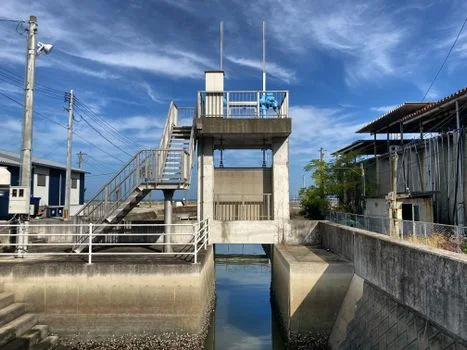
A 50 m³/day hospital WWTP in Medan typically costs IDR 1.2 billion for a basic biofilter package and up to IDR 5.0 billion for an automated MBR train, including civil works, equipment, piping, and commissioning. Higher MBR CAPEX often pays back through lower sludge haulage and non-potable reuse that offsets municipal water at IDR 5,000–10,000 per m³ in Medan.
| System Capacity | System Type | Est. CAPEX (IDR) | Est. OPEX (IDR/m³) | Payback Period (Years) |
|---|---|---|---|---|
| 50 m³/day | Biofilter | 1.2B – 2.5B | 2,500 – 4,000 | 4 – 6 |
| 50 m³/day | MBR | 3.0B – 5.0B | 3,000 – 5,500 | 3 – 5 (with reuse) |
| 100 m³/day | MBR | 5.5B – 8.0B | 2,800 – 4,500 | 3 – 4 |
| 200 m³/day | MBR | 9.0B – 14.0B | 2,500 – 4,000 | 2 – 3 |
Electricity usually makes up 40–50% of OPEX in Medan, so aeration efficiency matters more than brochure claims. Chemical spend for disinfection and pH trim runs about IDR 500–1,000 per m³. One failed DLH spot check can exceed IDR 100 million, so stable compliance remains the dominant return driver for facility boards.
How Should Compact Hospital Treatment Handle Tropical Climate Loads?
Compact hospital plants in tropical climates should equalize peak laundry and ward surges. Hold DO near 2.0 mg/L at 28–32°C, and choose membranes or media that tolerate disinfectant carryover. Most Medan sites we commission run blowers at the upper end of the temperate catalog curve for the same average daily flow.
PerMenLHK No. 68/2016 still requires fecal indicator counts below 3,000 MPN/100mL, and tablet chlorinators often miss that mark when dissolution is uneven in heat. A WHO-approved chlorine dioxide generator for hospital effluent disinfection delivers controlled dosing with about 99.9% pathogen kill and avoids trihalomethane formation typical of free chlorine.
Ozone offers strong oxidation for pharmaceutical residues but adds CAPEX of IDR 1.5B–3B and energy of 0.5–1.0 kWh/m³. UV stays chemical-free yet needs low TSS, so it fits MBR effluent far better than biofilter water where solids shield microbes. For most Medan hospitals, chlorine dioxide keeps a residual in reuse pipework and limits biofilm regrowth in storage tanks.
Equipment Selection Checklist for Medan Hospital Wastewater Plants
Procurement teams in Medan should score vendors against this field checklist before issuing a purchase order:
- Step 1: Regulatory Verification: Require a written performance commitment to PerMenLHK No. 68/2016, including TSS ≤ 30 mg/L at the compliance point. Ask for recent lab sheets from a North Sumatra hospital of similar bed count.
- Step 2: Influent Profiling: Run 24-hour composite sampling for COD, BOD, TSS, and ammonia. Match peaks—not only averages—to the vendor’s design envelope.
- Step 3: Footprint and Scalability: Check the m²/m³ ratio. For tight Medan plots, prioritize MBR layouts below 0.8 m² per cubic meter of treated water.
- Step 4: Automation and Remote Monitoring: Specify PLC control with remote alarms on DO, level, and pump faults so night-shift failures do not become morning violations.
- Step 5: Local Support and Parts: Confirm spare membranes, blowers, and dosing pumps can reach Medan quickly, and that a service crew is based in or near North Sumatra.
- Step 6: Disinfection Fit: Pair ClO₂, UV, or ozone to the chosen solids profile; UV alone is a poor match for biofilter TSS of 20–40 mg/L.
- Step 7: Reuse Path: If cooling-tower or irrigation reuse is planned, design to the tighter BOD/TSS reuse column rather than discharge-only limits.
Who This Is For / Next Step
This guide is for Medan hospital facility managers, EPC contractors, and procurement officers sizing 50–200 m³/day trains under PerMenLHK No. 68/2016. Clinics that only need septic polishing, or campuses already tied to a compliant municipal WWTP with approved pretreatment, should look elsewhere. To match equalization, MBR or biofilter footprint, and disinfection to your composite samples, send the load sheet through our hospital wastewater treatment inquiry form for a Medan-specific equipment takeoff.
Frequently Asked Questions
What is the most effective treatment for hospital wastewater in Medan?
MBR technology is the most effective option for most Medan hospitals because it reaches >95% COD removal and supports reuse-grade solids control in a compact footprint. Biofilters still work when land is cheap and discharge-only limits apply, but they struggle with microbial limits for reuse. Tropical kinetics favor shorter HRT MBR designs if blowers hold DO near 2.0 mg/L. Parallel tropical sizing notes are covered in hospital wastewater treatment specs for tropical climates.
How much does a hospital wastewater treatment plant cost in Medan?
For a 50 m³/day plant, CAPEX runs about IDR 1.2 billion for a biofilter package and up to IDR 5.0 billion for an automated MBR system. OPEX usually falls between IDR 2,500 and IDR 5,500 per cubic meter, driven mainly by power and chemicals. Payback shortens when reuse offsets municipal water priced at IDR 5,000–10,000 per m³. Larger 100–200 m³/day MBR trains show lower unit OPEX in the 2026 benchmarks above.
Does hospital wastewater require special disinfection?
Yes. Hospital effluent carries elevated pathogens and pharmaceutical residues, and PerMenLHK No. 68/2016 requires fecal indicator levels below 3,000 MPN/100mL. Chlorine dioxide is preferred in Medan because tablet chlorination dissolves unevenly in heat and can leave toxic residual chlorine. Ozone handles hard organics at higher energy cost, while UV needs low TSS typical of MBR filtrate. Pathogen-heavy design parallels appear in hospital wastewater treatment in developing countries with high pathogen loads.
Can hospital wastewater be reused for irrigation in Indonesia?
Yes, when treatment meets stricter reuse targets than simple discharge, typically BOD <10 mg/L and TSS <10 mg/L with strong disinfection. That polish usually needs an MBR-based train plus ClO₂ or UV. Always confirm Medan DLH and any provincial reuse rules before irrigating hospital grounds. A compact MBR package such as HydropureWater's medical wastewater system is the usual starting point for those applications.
What are the penalties for non-compliance with PerMenLHK No. 68/2016?
Penalties include administrative fines up to IDR 5 billion, mandatory remediation costs, and possible facility closure when discharge limits stay exceeded. Single DLH spot-check failures can already exceed IDR 100 million once sampling, cleanup, and downtime stack up. Continuous monitoring and adequately sized equalization are the practical controls that prevent repeat notices. Design to Lampiran I limits, including TSS ≤ 30 mg/L, not older TSS ≤ 50 mg/L briefs.