Why Mendoza’s Semiarid Conditions Demand Custom Wastewater Treatment Systems
Mendoza’s semiarid climate and strict industrial discharge limits (COD ≤125 mg/L, TSS ≤30 mg/L per 2024 provincial regulations) demand wastewater treatment systems that balance efficiency with water recovery. For wineries and bottling plants, dissolved air flotation (DAF) systems achieve 92–97% TSS removal at 50–300 m³/h, while membrane bioreactors (MBRs) deliver near-reuse-quality effluent (COD <50 mg/L) but require 30% higher CAPEX. A 2023 Mendoza bottling plant case study reported 40% water reuse, cutting freshwater intake costs by $220K/year—critical for regions where water rights cost $15–$25/m³.
Industrial facility managers in the Cuyo region face a unique hydrogeological crisis. With an average annual rainfall of only 220 mm—compared to over 800 mm in Buenos Aires—the availability of surface water is strictly rationed. This scarcity forces approximately 70% of industrial facilities to rely on groundwater extraction. According to 2023 INTA data, this groundwater often exhibits high salinity, with Total Dissolved Solids (TDS) reaching up to 1,200 mg/L. For an engineer, this high TDS is not merely a compliance metric; it is a primary driver of equipment degradation. Off-the-shelf treatment systems designed for temperate climates often fail in Mendoza because they do not account for the accelerated osmotic pressure and scaling potential inherent in these saline sources.
Wineries, which contribute roughly 60% of Mendoza’s industrial wastewater volume, present a specific organic challenge. Effluent from grape processing and fermentation typically carries Chemical Oxygen Demand (COD) loads ranging from 3,000 to 8,000 mg/L, largely driven by grape pomace, sugars, and high concentrations of tartaric acid. A 2025 study by Proctor et al. highlighted that these high organic loads are often accompanied by Chemicals of Emerging Concern (CECs). Herbicides like atrazine and pharmaceuticals such as carbamazepine have been detected in Mendoza’s industrial discharge at levels between 0.5 and 2.3 µg/L, significantly exceeding the 2024 EU threshold of 0.1 µg/L. This chemical profile requires more than simple biological digestion; it necessitates advanced oxidation or specialized chemical dosing systems for CEC removal in winery wastewater.
the semiarid heat of Mendoza accelerates biological activity in open-air lagoons but simultaneously increases evaporation rates, which further concentrates salts and pollutants. In Membrane Bioreactor (MBR) applications, these conditions lead to a 20% higher membrane cleaning frequency compared to temperate zones. The high ambient temperatures and mineral-rich water accelerate the formation of inorganic scaling and organic biofouling, shortening the lifespan of membranes unless specific flux-management protocols are implemented. Understanding these wastewater treatment strategies for semiarid regions is the first step in avoiding the "standard system" failure trap.
Mendoza’s 2024 Industrial Wastewater Discharge Limits: What Facilities Must Achieve
Compliance in Mendoza is governed by Provincial Resolution 543/2024, a regulatory framework that is significantly more stringent than Argentina’s national Law 24.051. While national standards may permit a COD of 250 mg/L, Mendoza’s Environmental Secretariat has capped industrial discharge at 125 mg/L to protect the limited aquifer recharge zones. For facility managers, this 50% reduction in allowable organic matter means that traditional primary treatment is no longer sufficient to avoid penalties.
The 2024 regulations also introduce specific parameters for the viticulture sector. Wineries must now monitor tartaric acid (≤100 mg/L) and ethanol (≤200 mg/L) specifically, as these compounds significantly disrupt the microbial balance of local soil when treated water is used for restricted irrigation (ACRE). Failure to meet these limits results in aggressive enforcement: non-compliance fines now range from $10,000 to $50,000 per violation, with the Mendoza Environmental Secretariat authorized to initiate immediate plant shutdowns for repeat offenses. In 2023, a major bottling plant in the region demonstrated that achieving 98% compliance is possible through an integrated approach, utilizing a high-efficiency DAF system for winery wastewater followed by secondary biological polishing.
| Parameter | Mendoza Resolution 543/2024 | National Law 24.051 | Winery Guidelines (2023) |
|---|---|---|---|
| COD (Chemical Oxygen Demand) | ≤125 mg/L | ≤250 mg/L | N/A |
| TSS (Total Suspended Solids) | ≤30 mg/L | ≤50 mg/L | N/A |
| pH Range | 6.5 – 8.5 | 5.5 – 10.0 | 6.5 – 8.5 |
| Tartaric Acid | N/A | N/A | ≤100 mg/L |
| Ethanol | N/A | N/A | ≤200 mg/L |
| Total Nitrogen | ≤15 mg/L | ≤30 mg/L | N/A |
The discrepancy between provincial and national limits creates a "compliance gap" for multinational firms operating in Mendoza. Engineering teams must design systems based on the provincial ceiling to ensure long-term operational license. This is particularly vital for facilities aiming for water reuse strategies for industrial facilities, as the quality required for internal reuse often surpasses even the strict 543/2024 discharge limits.
DAF vs MBR vs Chemical Dosing: Technology Comparison for Mendoza’s Industrial Wastewater
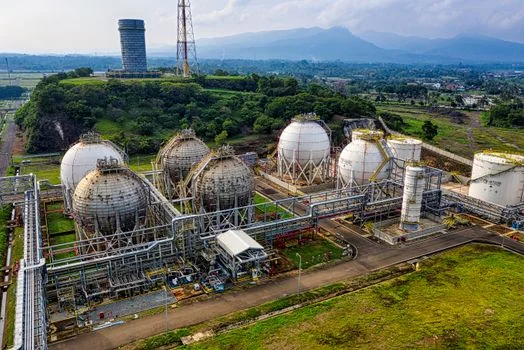
Choosing the correct technology in Mendoza requires a trade-off between CAPEX, OPEX, and the desired end-use of the treated water. For facilities with high solids and variable organic loads, such as wineries during harvest, Dissolved Air Flotation (DAF) serves as the industry workhorse. Modern DAF units, like HydropureWater’s, provide 92–97% TSS removal and can reduce COD by up to 80% when paired with appropriate coagulants. This technology is highly resilient to the "shock loads" typical of winery operations, where flow and concentration can triple in a single day.
However, if the goal is zero-liquid discharge or high-grade water reuse, an MBR system for near-reuse-quality effluent in semiarid regions is the superior choice. MBRs combine biological treatment with membrane filtration, producing an effluent with COD levels often below 50 mg/L and near-zero TSS. While the CAPEX is significantly higher, the ability to reuse 40% or more of the process water can offset the cost of expensive water rights. The primary technical hurdle for MBRs in Mendoza is the high TDS of the source water; engineers must specify membranes with high-salinity tolerance to prevent premature flux decline.
Chemical dosing remains an essential tertiary step, particularly for the removal of CECs and disinfection. Using a chlorine dioxide generator is often more effective than traditional chlorination in Mendoza because ClO2 does not react with the high levels of organic matter to form trihalomethanes (THMs), which are also regulated. This is critical for wastewater treatment for wineries and bottling plants where effluent might eventually contact agricultural land.
| Feature | DAF (Dissolved Air Flotation) | MBR (Membrane Bioreactor) | Chemical Dosing (ClO2) |
|---|---|---|---|
| Primary Removal Target | TSS, Fats, Oils, Greases | Dissolved Organics (COD/BOD) | Pathogens, CECs (Atrazine) |
| COD Removal Efficiency | 60–80% | 95–99% | N/A (Oxidation only) |
| Typical CAPEX (50 m³/h) | $800K – $1.2M | $2.5M – $3.5M | $120K – $250K |
| OPEX (per m³) | $0.15 – $0.30 | $0.30 – $0.55 | $0.05 – $0.10 |
| Water Reuse Potential | Low (requires polishing) | High (direct reuse quality) | N/A (supportive role) |
A hybrid approach is often the most cost-effective for large-scale Mendoza operations. For example, the Luján de Cuyo power plant utilizes a DAF system for initial solids removal followed by biological treatment. This prevents the high TSS from fouling the more sensitive downstream components, effectively balancing the lower CAPEX of DAF with the high-quality output of advanced filtration.
CAPEX and OPEX Breakdown for Industrial Wastewater Treatment in Mendoza (2026)
Budgeting for wastewater treatment in Mendoza requires accounting for "Arid Region Multipliers." These include increased costs for corrosion-resistant materials (due to high TDS) and import tariffs that typically add 15–20% to the cost of high-end equipment. the OPEX of any membrane-based system in Mendoza must be adjusted upward by 20–30% to account for the increased chemical consumption required for frequent membrane descaling.
Despite these costs, the ROI is increasingly driven by the rising cost of water rights. In Mendoza’s most stressed basins, water rights can cost between $15 and $25 per cubic meter. For a bottling plant processing 100 m³/h, a 40% reuse rate achieved via MBR can save over $220,000 annually in freshwater acquisition costs alone. This does not include the avoided cost of potential fines, which can reach $50,000 per incident under the 2024 mandates.
| Cost Component | Standard Estimate (Global) | Mendoza Adjusted (2026) | Reason for Adjustment |
|---|---|---|---|
| DAF CAPEX (per m³/h) | $15,000 – $40,000 | $18,000 – $50,000 | Import tariffs & logistics |
| MBR CAPEX (per m³/h) | $40,000 – $70,000 | $48,000 – $85,000 | High-salinity membrane specs |
| Energy OPEX (per m³) | $0.08 – $0.12 | $0.10 – $0.15 | Pumping head from deep wells |
| Chemical OPEX (per m³) | $0.05 – $0.10 | $0.08 – $0.15 | Scaling & pH correction needs |
To assist with these capital requirements, the Mendoza Provincial Government launched the 2024 Green Credit Program (Provincial Decree 12/2024). This initiative offers 5% interest loans specifically for industrial facilities implementing water-efficient technologies or advanced wastewater treatment systems. When combined with the HydropureWater cost model, these financing options can bring the payback period for an MBR system down to under 4.5 years for high-volume wineries.
Zero-Risk Compliance Checklist for Mendoza’s Industrial Facilities
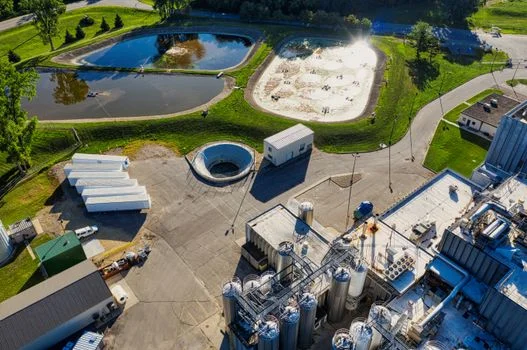
Achieving zero-risk compliance in Mendoza requires a proactive engineering strategy that begins before the wastewater even reaches the treatment plant. Following these steps ensures that your facility remains in the good graces of the Environmental Secretariat while optimizing system longevity.
- Step 1: Robust Pre-treatment. Install a pretreatment bar screen for solids removal in industrial effluents. Mendoza’s 2024 guidelines mandate the removal of all solids greater than 3 mm prior to discharge into provincial sewers or treatment lagoons to prevent clogging of public infrastructure.
- Step 2: Continuous Monitoring. Implement automated sensors for pH, COD, and TSS. Under Resolution 543/2024, digital data logging is now a requirement for provincial audits. Systems like the Hach SL1000 allow for real-time tracking that can be remotely accessed by regulators, reducing the risk of "surprise" fines during manual sampling.
- Step 3: Quarterly CEC Panels. Given the findings of the 2025 Proctor et al. study, facilities should conduct quarterly laboratory analysis for atrazine, glyphosate, and carbamazepine. Standard biological systems do not remove these; if detected, a tertiary chemical dosing or UV-oxidation step must be integrated.
- Step 4: Redundancy & Emergency Planning. Mendoza’s electrical grid can be unstable during summer storms. Ensure your ETP (Effluent Treatment Plant) has a bypass containment system capable of holding 24 hours of peak flow to prevent untreated discharge during power outages, as mandated by the 2023 Environmental Secretariat guidelines.
- Step 5: Sludge Management. Dewatered sludge from DAF systems must be tested for heavy metals and pesticide residues before being applied to land. High-salinity sludge may require specialized disposal to avoid soil salinization in the arid Mendoza landscape.
Frequently Asked Questions
What are the biggest wastewater treatment challenges for wineries in Mendoza?
The primary challenges are the extreme COD peaks (up to 8,000 mg/L) during the 3-month harvest period and the presence of pesticide residues like atrazine. These require robust primary treatment like DAF followed by specialized biological or chemical oxidation to meet the strict 125 mg/L COD limit.
How much does a wastewater treatment plant cost for a 100 m³/h bottling facility in Mendoza?
For a system achieving discharge compliance (DAF + Chemical Dosing), CAPEX is approximately $1.8M - $2.2M. For a system enabling high-grade reuse (MBR), CAPEX increases to $3.5M - $4.5M, with OPEX ranging from $0.25 to $0.50 per cubic meter treated.
Can treated wastewater be reused in Mendoza’s food processing plants?
Yes, but with restrictions. MBR systems produce effluent quality suitable for non-contact applications (cooling towers, floor washing). For direct food contact or irrigation of raw-consumption crops, Resolution 543/2024 requires additional disinfection, typically via chlorine dioxide or high-dose UV.
What are the penalties for non-compliance with Mendoza’s wastewater regulations?
Under the 2024 framework, fines start at $10,000 and scale to $50,000 per violation. Repeated non-compliance results in the revocation of water extraction rights and mandatory plant shutdowns until a certified treatment system is operational.
How does Mendoza’s semiarid climate affect wastewater treatment system design?
The high evaporation rates and saline groundwater (TDS ~1,200 mg/L) lead to rapid mineral scaling. This necessitates 20–30% more frequent chemical cleaning for membranes and the use of corrosion-resistant alloys in all wetted components to ensure a 15+ year equipment lifespan.