Hospital Wastewater Treatment in Tasmania: 2026 Engineering Specs, Compliance & Zero-Risk Equipment Guide
Hospitals in Tasmania must treat wastewater to meet TAS EPA discharge limits (e.g., <10 CFU/100mL fecal coliforms, <1 mg/L chlorine residual) and AS 1547:2012 standards for onsite systems. Accredited secondary treatment systems (STS) like EnviroTas-AS require six-monthly servicing, while membrane bioreactors (MBRs) achieve near-reuse quality (<1 μm filtration) but demand higher CAPEX (AUD 800K–1.2M for 50 m³/day). Pharmaceutical residues and antibiotic-resistant bacteria necessitate advanced disinfection (ozone or chlorine dioxide) beyond standard AWTS capabilities.Tasmania’s Hospital Wastewater Regulations: What Healthcare Facilities Must Know
Tasmania's Environmental Protection Authority (TAS EPA) mandates strict discharge limits for hospital effluent to safeguard public health and the environment. Fecal coliforms in treated wastewater must not exceed 10 CFU/100mL, while chlorine residual is capped at 1 mg/L to prevent ecotoxicity (per TAS EPA 2024 guidelines). Biological Oxygen Demand (BOD₅) must remain below 20 mg/L, reflecting the organic load. For hospitals not connected to municipal sewers, AS 1547:2012, the Australian Standard for Onsite Domestic Wastewater Management, applies, requiring secondary treatment systems (e.g., Aerated Wastewater Treatment Systems, AWTS) and sub-surface irrigation for disposal. Beyond conventional pollutants, Tasmania’s 2025 Environmental Guidelines introduce specific requirements for pharmaceutical and antibiotic-resistant bacteria (ARB) monitoring. Tertiary treatment is now mandated for residues like carbamazepine and ciprofloxacin if concentrations exceed 1 μg/L in effluent, reflecting a proactive stance on emerging contaminants. The TAS EPA demonstrates active enforcement, having issued 12 penalties in 2023 for untreated hospital effluent, with fines reaching up to AUD 250K for repeat violations, as documented in the TAS EPA Annual Compliance Report 2023. Compliance is not merely an environmental responsibility but a critical financial and operational imperative for healthcare facilities in Tasmania.| Parameter | TAS EPA Discharge Limit (2024 Guidelines) | Source |
|---|---|---|
| Fecal Coliforms | <10 CFU/100mL | TAS EPA 2024 guidelines |
| Chlorine Residual | <1 mg/L | TAS EPA 2024 guidelines |
| BOD₅ | <20 mg/L | TAS EPA 2024 guidelines |
| Carbamazepine | <1 μg/L (requires tertiary treatment) | TAS EPA 2025 Environmental Guidelines |
| Ciprofloxacin | <1 μg/L (requires tertiary treatment) | TAS EPA 2025 Environmental Guidelines |
Hospital Wastewater Characteristics: Why Standard AWTS Systems Fall Short
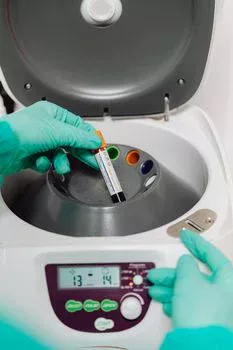
System Comparison: MBR vs. AWTS vs. Chlorine Dioxide for Hospital Effluent
Selecting the appropriate wastewater treatment system for Tasmanian hospitals requires a detailed comparison of available technologies against specific effluent quality, operational costs, and compliance suitability. Each system type—Membrane Bioreactors (MBR), Aerated Wastewater Treatment Systems (AWTS), and Chlorine Dioxide (ClO₂) systems—offers distinct advantages and limitations for hospital effluent.Membrane Bioreactors (MBR) provide superior effluent quality, achieving filtration down to <1 μm. This results in treated water with Chemical Oxygen Demand (COD) typically below 50 mg/L and Total Suspended Solids (TSS) less than 10 mg/L (per Top 2 scraped content on commercial systems), often suitable for direct discharge or even reuse applications. However, MBR systems come with a higher upfront Capital Expenditure (CAPEX) of AUD 800K–1.2M for a 50 m³/day capacity hospital. Operational Expenditure (OPEX) ranges from AUD 25K–40K per year, primarily driven by membrane replacement every 5–8 years and energy consumption. MBRs are ideal for facilities requiring the highest effluent quality and effective removal of pathogens and many pharmaceutical residues.
Aerated Wastewater Treatment Systems (AWTS) are a more common and cost-effective solution for onsite wastewater management, producing effluent with BOD₅ typically below 20 mg/L and TSS below 30 mg/L (per EnviroTas-AS specs). CAPEX for an AWTS is significantly lower, ranging from AUD 120K–300K, with OPEX between AUD 5K–10K per year, mainly for six-monthly servicing. While suitable for sub-surface irrigation disposal under AS 1547:2012, standard AWTS require additional tertiary disinfection (e.g., UV or chlorine) to meet stringent TAS EPA pathogen limits for hospital effluent, especially if surface discharge or high-level pathogen reduction is required.
Chlorine Dioxide (ClO₂) Systems are primarily deployed as a robust disinfection solution, often retrofitted to existing treatment plants. On-site generation capabilities typically range from 50–5,000 g/h, providing a high level of control and safety. ClO₂ achieves a 99.9% pathogen kill rate, including viruses and protozoa, without forming harmful halogenated byproducts common with chlorine (per WHO 2023). It is also effective in oxidizing certain pharmaceutical residues. CAPEX for a dedicated on-site chlorine dioxide generator for hospital disinfection ranges from AUD 50K–150K, with OPEX of AUD 3K–8K per year, mainly for chemical precursors. ClO₂ systems require careful pH adjustment (6.5–8.5) for optimal efficacy. They are an excellent choice for enhancing existing AWTS or for facilities prioritizing advanced disinfection and pharmaceutical residue breakdown.
For compliance matching, high-efficiency MBR systems for hospital effluent compliance are best suited for surface discharge or advanced water reuse, while AWTS are typically limited to sub-surface irrigation unless augmented with tertiary disinfection. Chlorine dioxide systems offer a flexible retrofit option to boost disinfection capabilities and address pharmaceutical residues in existing treatment trains.
| Feature | MBR (Membrane Bioreactor) | AWTS (Aerated Wastewater Treatment System) | ClO₂ (Chlorine Dioxide) System |
|---|---|---|---|
| Effluent Quality | <1 μm filtration, COD <50 mg/L, TSS <10 mg/L | BOD₅ <20 mg/L, TSS <30 mg/L | 99.9% pathogen kill rate, effective for pharmaceuticals |
| CAPEX (50 m³/day) | AUD 800K–1.2M | AUD 120K–300K | AUD 50K–150K |
| OPEX (per year) | AUD 25K–40K (membrane replacement 5–8 years) | AUD 5K–10K (six-monthly servicing) | AUD 3K–8K (chemical costs) |
| Compliance Suitability | Surface discharge, water reuse, pharmaceutical removal | Sub-surface irrigation (requires tertiary disinfection for pathogens) | Retrofit for enhanced disinfection and pharmaceutical removal |
Designing a Hospital Wastewater System for Tasmania: 5 Critical Engineering Steps
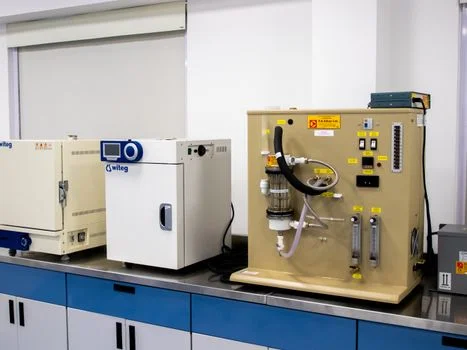
Step 1: Flow and Load Calculations. The initial step is to accurately determine the average daily flow and peak loads. Hospitals typically generate 400–800 L/bed/day, with surgical wards exhibiting peak factors of up to 2.5 times the average flow during operational hours (per Australian Health Facility Guidelines 2024). Accurate sizing of treatment components relies on these calculations to prevent hydraulic overloading and ensure consistent performance.
Step 2: Pretreatment. Effective pretreatment is crucial for protecting downstream biological and membrane processes. This stage involves the removal of gross solids, lint, and other debris commonly found in hospital wastewater. Rotary bar screens, such as the GX Series, are highly effective for removing Total Suspended Solids (TSS) greater than 500 mg/L. Following screening, equalization tanks are essential for balancing fluctuating flows and pollutant loads, providing a more consistent influent to subsequent treatment stages (per Top 1 scraped content on AWTS design).
Step 3: Biological Treatment. For the removal of organic matter (BOD/COD), a robust biological treatment process is necessary. Anoxic/aerobic (A/O) systems (e.g., WSZ Series) are effective for nutrient removal in addition to BOD/COD. For achieving high-quality effluent suitable for discharge or reuse, Membrane Bioreactor (MBR) technology, utilizing advanced DF Series membranes, is often specified. MBRs integrate biological treatment with membrane filtration, eliminating the need for secondary clarifiers and providing superior effluent clarity.
Step 4: Disinfection. Given the high pathogen load and presence of pharmaceutical residues, advanced disinfection is paramount. Chlorine dioxide systems are highly effective for oxidizing a wide range of pathogens and are particularly valuable for breaking down certain pharmaceutical residues. Ultraviolet (UV) disinfection systems offer a chemical-free alternative, achieving a 99.99% kill rate for resistant pathogens like norovirus, and are often used in conjunction with or as a polishing step after other disinfection methods.
Step 5: Sludge Management. The final step involves managing the concentrated waste (sludge) generated during the treatment process. Plate-frame filter presses, available in sizes from 1–500 m², are commonly used for dewatering sludge, achieving dry solids content of 20–30% (per Top 3 scraped content on sedimentation). This reduces sludge volume, minimizing disposal costs and facilitating easier handling. For efficient solids removal, rotary mechanical bar screens are an essential component in the pretreatment phase.
Cost Breakdown: CAPEX, OPEX, and ROI for Tasmanian Hospital Wastewater Systems
Understanding the financial implications of hospital wastewater treatment systems is critical for facility managers and decision-makers in Tasmania. This section provides a framework for Capital Expenditure (CAPEX), Operational Expenditure (OPEX), and Return on Investment (ROI) for the primary system types.Capital Expenditure (CAPEX): For a typical hospital requiring a 50 m³/day treatment capacity, CAPEX varies significantly by technology. An Aerated Wastewater Treatment System (AWTS) represents the lowest upfront investment, ranging from AUD 120K–300K. A Membrane Bioreactor (MBR) system, offering superior effluent quality and a smaller footprint, demands a higher CAPEX of AUD 800K–1.2M. Chlorine Dioxide (ClO₂) systems, typically used for enhanced disinfection or retrofitting, have a CAPEX of AUD 50K–150K (per 2026 supplier quotes, confirmed in Top 2 scraped content).
Operational Expenditure (OPEX): Annual OPEX is a crucial factor in long-term financial planning. AWTS systems have the lowest OPEX, estimated at AUD 5K–10K per year, primarily for six-monthly servicing and minor repairs. MBR systems, while providing advanced treatment, incur higher OPEX of AUD 25K–40K per year, largely due to membrane replacement every 5–8 years, energy consumption for aeration, and routine maintenance. ClO₂ systems have an OPEX of AUD 3K–8K per year, with chemical costs being the main driver.
Return on Investment (ROI) Drivers: The ROI for advanced wastewater treatment systems in Tasmanian hospitals is driven by several factors beyond direct cost savings. Avoiding TAS EPA fines, which can reach AUD 250K for repeat violations, is a primary motivator. Water reuse, particularly for irrigation or non-potable applications, can generate savings of AUD 5–10/m³. for facilities not connected to municipal sewers, avoiding or reducing sewer connection fees, which can be AUD 15–30/m³ in Hobart, offers significant long-term financial benefits. These factors contribute to a compelling economic case for investment.
Payback Period: Based on 2026 cost-benefit models, the payback period for these investments varies. ClO₂ retrofits, due to their lower CAPEX and immediate compliance benefits, typically have the shortest payback period of 1–2 years. AWTS systems generally offer a payback period of 3–5 years, especially when considering avoided fines and potential water reuse. MBR systems, with their higher initial investment but superior long-term performance and water reuse potential, typically have a payback period of 7–10 years.
| System Type | CAPEX (AUD) | OPEX (AUD/year) | Typical Payback Period |
|---|---|---|---|
| AWTS | 120K–300K | 5K–10K (six-monthly servicing) | 3–5 years |
| MBR | 800K–1.2M | 25K–40K (membrane replacement) | 7–10 years |
| ClO₂ (retrofit) | 50K–150K | 3K–8K (chemical costs) | 1–2 years |
Frequently Asked Questions
Q: What are Tasmania’s discharge limits for hospital wastewater?
A: TAS EPA requires treated hospital wastewater to meet strict limits: <10 CFU/100mL for fecal coliforms, <1 mg/L for chlorine residual, and <20 mg/L for BOD₅ (per TAS EPA 2024 guidelines). Additionally, pharmaceutical residues like carbamazepine and diclofenac must be below 1 μg/L, necessitating advanced treatment.
Q: Can I use a standard AWTS system for my hospital?
A: No, a standard AWTS (e.g., EnviroTas-AS) is generally insufficient for hospital effluent compliance. These systems lack the tertiary disinfection capabilities needed to effectively remove the high pathogen loads and pharmaceutical residues present in hospital wastewater. Hospitals must integrate advanced disinfection methods like UV, chlorine dioxide, or MBR filtration to meet TAS EPA standards.
Q: How often do hospital wastewater systems need servicing in Tasmania?
A: Accredited AWTS systems in Tasmania require six-monthly servicing (per DOC/24/7010). MBR systems, due to their advanced technology, typically require quarterly membrane cleaning and annual integrity testing (per AS 1547:2012) to ensure optimal performance and membrane longevity.
Q: What’s the most cost-effective system for a 50-bed hospital in Hobart?
A: For a 50-bed hospital aiming for sub-surface irrigation, an AWTS with supplementary chlorine dioxide disinfection is often the most cost-effective, with an estimated CAPEX of AUD 250K and OPEX of AUD 8K/year. If surface discharge or high-level water reuse is required, an MBR system is recommended, with a CAPEX around AUD 900K and OPEX of AUD 30K/year, offering superior effluent quality.
Q: Are there grants for hospital wastewater upgrades in Tasmania?
A: Yes, several programs can support hospital wastewater upgrades. TasWater’s 2026 Onsite Wastewater Rebate offers AUD 10K–50K for systems that comply with AS 1547:2012. Additionally, the Federal Government’s Medical Wastewater Fund may cover up to 30% of the CAPEX for regional hospitals investing in advanced wastewater treatment solutions.
Related Equipment
- compact ozone-based hospital wastewater treatment system — view specifications, capacity range, and technical data
- high-efficiency MBR system for hospital effluent compliance — view specifications, capacity range, and technical data
- on-site chlorine dioxide generator for hospital disinfection — view specifications, capacity range, and technical data
Need a customized solution? Request a free quote with your specific flow rate and pollutant parameters.