Why Detroit Hospitals Face Unique Wastewater Treatment Challenges in 2026
Detroit hospitals must comply with EGLE's 2026 wastewater treatment mandates, which require 99% pathogen removal and pharmaceutical degradation in effluent. Michigan's cold winters reduce biological treatment efficiency by 30-50%, making conventional systems inadequate. The Detroit Water and Sewerage Department (DWSD) requires pretreatment for hospitals discharging >25,000 GPD, with specific limits for BOD₅ (250 mg/L), TSS (300 mg/L), and fecal coliform (200 CFU/100mL). MBR systems achieve 95-99% COD removal in cold climates, while DAF systems handle high TSS loads from surgical suites and labs.
The Michigan Public Health Code Act 368 of 1978 places all hospital onsite wastewater systems under the regulatory oversight of the Department of Environment, Great Lakes, and Energy (EGLE). This mandate is critical for preventing groundwater contamination and protecting the Great Lakes basin. For facility managers and compliance officers in Detroit, the pressure of EGLE audits often stems from the high-complexity nature of medical effluent. Hospital wastewater contains 10–100 times higher concentrations of pharmaceuticals—including recalcitrant antibiotics and chemotherapy agents—and hazardous pathogens like norovirus or E. coli compared to standard municipal sewage (per PMC systematic reviews). These contaminants are not easily degraded by conventional septic systems, leading to potential permit violations.
The consequences of failing to meet these specialized standards are significant. EGLE enforcement data for 2024 indicates that fines for non-compliance range from $1,000 to $25,000 per violation, with repeat offenders risking mandatory facility shutdowns or restricted patient capacity. Beyond legal penalties, Michigan's geography introduces a technical hurdle: temperature. According to the EPA Cold Climate Wastewater Treatment Guide (2024), cold winters in the Great Lakes region can reduce the efficiency of biological treatment processes by 30% to 50%. This "thermal lag" means that a system designed for a temperate climate will likely fail in a Michigan January, resulting in effluent that exceeds BOD₅ and TSS limits during the months when regulatory scrutiny is often highest.
Detroit hospitals discharging more than 25,000 gallons per day (GPD) must adhere to the stringent pretreatment requirements set by the Detroit Water and Sewerage Department (DWSD). These include strict limits on Biochemical Oxygen Demand (BOD₅) at 250 mg/L, Total Suspended Solids (TSS) at 300 mg/L, and fecal coliform at 200 CFU/100mL. Additional specific limits for heavy metals like silver (≤0.1 mg/L) and mercury (≤0.002 mg/L) are also enforced by DWSD's Industrial Pretreatment Program (2025). These combined state and local regulations create a complex compliance landscape that demands robust and resilient wastewater treatment solutions.
Detroit-Specific Regulatory Requirements: EGLE 2026 vs DWSD Pretreatment Limits
Navigating the dual compliance framework of EGLE 2026 discharge limits and DWSD pretreatment mandates is paramount for Detroit hospitals. EGLE's 2026 wastewater discharge limits for hospital effluent are set at stringent levels: Chemical Oxygen Demand (COD) ≤125 mg/L, BOD₅ ≤25 mg/L, Total Suspended Solids (TSS) ≤30 mg/L, ammonia ≤1.0 mg/L, and phosphorus ≤1.0 mg/L, as outlined in the Michigan Water Quality Standards (2025). These state-level requirements focus on overall effluent quality to protect surface water bodies.
In parallel, the DWSD imposes its own set of pretreatment limits for hospitals discharging over 25,000 GPD. These include a higher BOD₅ limit of ≤250 mg/L, TSS ≤300 mg/L, and fecal coliform ≤200 CFU/100mL. Additionally, DWSD mandates a pH range of 6.0-9.0 and specific limits for silver, mercury, and chlorine residuals. These DWSD limits are designed to protect the municipal sewer infrastructure and the efficiency of the downstream wastewater treatment plant. Understanding the nuances between EGLE's stringent effluent quality targets and DWSD's infrastructure protection goals is crucial for selecting appropriate treatment technologies.
Sampling and reporting requirements add another layer of complexity. EGLE mandates quarterly sampling for pharmaceuticals, a significant analytical undertaking for hospital facilities. Conversely, DWSD requires monthly flow monitoring and annual compliance reports to demonstrate adherence to their pretreatment standards. Enforcement actions for non-compliance can be severe. EGLE's 2024 enforcement data shows fines ranging from $1,000 to $25,000 per violation, while DWSD possesses the authority to revoke discharge permits for repeated non-compliance, potentially leading to costly operational disruptions.
| Parameter | EGLE 2026 Discharge Limits | DWSD Pretreatment Limits (for >25,000 GPD) | Sampling Frequency |
|---|---|---|---|
| COD | ≤125 mg/L | N/A | Quarterly (Pharmaceuticals) |
| BOD₅ | ≤25 mg/L | ≤250 mg/L | Monthly (Flow), Annually (Compliance Report) |
| TSS | ≤30 mg/L | ≤300 mg/L | Monthly (Flow), Annually (Compliance Report) |
| Ammonia | ≤1.0 mg/L | N/A | Quarterly (Pharmaceuticals) |
| Phosphorus | ≤1.0 mg/L | N/A | Quarterly (Pharmaceuticals) |
| Fecal Coliform | N/A | ≤200 CFU/100mL | Monthly (Flow), Annually (Compliance Report) |
| Silver (Ag) | N/A | ≤0.1 mg/L | Monthly (Flow), Annually (Compliance Report) |
| Mercury (Hg) | N/A | ≤0.002 mg/L | Monthly (Flow), Annually (Compliance Report) |
| pH | 6.0-9.0 (Implied by Water Quality Standards) | 6.0-9.0 | Monthly (Flow), Annually (Compliance Report) |
Cold-Climate Wastewater Treatment Technologies: MBR vs DAF vs Electrocoagulation for Detroit Hospitals
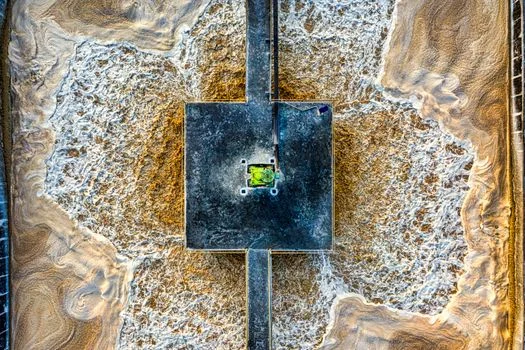
Selecting the right wastewater treatment technology for Detroit hospitals requires careful consideration of cold-climate performance and specific contaminant removal needs. Membrane Bioreactor (MBR) systems are highly effective in cold climates, with insulated reactors and extended Hydraulic Retention Times (HRT) of 18-24 hours allowing for 95-99% COD removal even at temperatures as low as 5°C. HydropureWater's MBR Series systems utilize advanced PVDF membranes with a 0.1 μm pore size, ensuring superior effluent quality suitable for reuse.
Dissolved Air Flotation (DAF) systems offer a robust solution for handling the high TSS loads often generated by hospital surgical suites and laboratories. Our DAF systems employ micro-bubble technology to remove 92-97% of TSS and 60-80% of fats, oils, and grease (FOG). For cold-climate operation, these systems incorporate modifications such as heated flocculation tanks and insulated skimmers to maintain optimal performance during Michigan's winters.
Electrocoagulation (EC) presents a viable option for achieving high levels of pharmaceutical removal, with reported efficiencies of 99%+ for antibiotics and chemotherapy agents. While EC can operate effectively at temperatures between 10-15°C and has an energy consumption of 10-15 kWh/m³, it necessitates careful pH adjustment and robust sludge handling procedures. For more information on EC, refer to the Electrocoagulation for Pharmaceutical Removal guide.
When considering footprint and scalability, MBR systems typically require up to 40% less space than conventional wastewater treatment plants, making them ideal for space-constrained hospital campuses. DAF systems, on the other hand, offer greater flexibility for scaling up or down to accommodate the variable flow rates common in hospital settings, particularly from surgical suites and diagnostic labs. A comprehensive comparison of MBR and DAF suitability can be found by exploring MBR vs MBBR Cost Difference, noting that similar principles apply when comparing MBR to other technologies.
| Technology | Primary Application | Cold Climate Performance (≤5°C) | Pharmaceutical Removal | TSS Removal | Footprint Efficiency |
|---|---|---|---|---|---|
| MBR Systems | High-quality effluent, pathogen removal | 95-99% COD removal with insulated reactors, extended HRT (18-24 hrs) | High (via biological degradation) | >99% | High (40% smaller than conventional) |
| DAF Systems | High TSS, FOG, and suspended solids loads | Effective with heated flocculation tanks and insulated skimmers | Moderate (physical separation) | 92-97% | Moderate (scalable) |
| Electrocoagulation | Specific contaminant removal (e.g., pharmaceuticals, heavy metals) | Effective at 10-15°C (requires temperature control) | 99%+ | Moderate to High | Moderate |
Designing a Detroit Hospital Wastewater System: Cold-Climate Process Parameters and Equipment Selection
Designing an effective wastewater treatment system for Detroit hospitals requires adherence to specific cold-climate process parameters and strategic equipment selection. For MBR systems, optimal performance in 5°C conditions is achieved with a Mixed Liquor Suspended Solids (MLSS) concentration of 8,000-12,000 mg/L, a Food-to-Microorganism (F/M) ratio between 0.05-0.15, and a membrane flux of 15-25 LMH. These parameters, detailed in HydropureWater's MBR Series specifications, ensure robust biological activity and efficient membrane separation despite thermal challenges.
DAF systems designed for hospital wastewater in Detroit should operate with an Air-to-Solids (A/S) ratio of 0.02-0.05 and a hydraulic loading rate of 5-10 m/h. A retention time of 20-40 minutes in the flocculation and flotation tanks is recommended to ensure adequate particle aggregation and separation, as per HydropureWater's DAF specifications. These settings are critical for managing the variable solids loads from surgical and laboratory waste streams.
Essential pretreatment for hospital wastewater in Detroit includes rotary mechanical bar screens, such as those in our GX Series, equipped with 1-3 mm openings. These screens effectively remove rags, plastics, and larger debris from surgical waste streams, protecting downstream equipment from damage and clogging. Proper pretreatment is a non-negotiable step in ensuring system reliability and compliance with DWSD pretreatment limits.
Disinfection is a final critical step to meet EGLE's 99% pathogen removal mandate. Chlorine dioxide generators are recommended. They achieve 99.99% pathogen kill at a dosage of 2-5 mg/L, while maintaining residual limits of 0.1-0.5 mg/L to comply with DWSD requirements and minimize disinfection byproduct formation. The use of chlorine dioxide generators for Detroit hospital effluent disinfection offers a highly effective and controllable disinfection method.
| Technology/Component | Key Design Parameters (Cold Climate/Hospital Specific) | Purpose |
|---|---|---|
| MBR System (HydropureWater MBR Series) | MLSS: 8,000-12,000 mg/L F/M Ratio: 0.05-0.15 Membrane Flux: 15-25 LMH (at 5°C) |
High-efficiency biological treatment and membrane filtration for pathogen and COD removal. |
| DAF System (HydropureWater) | A/S Ratio: 0.02-0.05 Hydraulic Loading Rate: 5-10 m/h Retention Time: 20-40 min |
Effective removal of TSS, FOG, and suspended solids from surgical/lab waste. |
| Rotary Mechanical Bar Screen (HydropureWater GX Series) | Screen Opening Size: 1-3 mm | Pretreatment to remove large solids, rags, and plastics from surgical waste streams. Mechanical bar screens for Detroit hospital wastewater pretreatment are essential. |
| Chlorine Dioxide Generator (HydropureWater) | Dosage: 2-5 mg/L Residual Limit: 0.1-0.5 mg/L |
Disinfection to achieve 99.99% pathogen kill, meeting EGLE and DWSD requirements. |
Detroit Hospital Wastewater Treatment Costs 2026: CAPEX, OPEX and Zero-Risk Budgeting
Accurate budgeting for hospital wastewater treatment in Detroit requires understanding both capital expenditure (CAPEX) and operational expenditure (OPEX), with specific attention to local cost factors and risk mitigation. CAPEX benchmarks for onsite wastewater systems in Detroit hospitals typically range from $120,000 to $1.8 million. MBR systems generally incur 20-30% higher CAPEX than DAF systems but offer the significant advantage of producing effluent of a quality suitable for water reuse, which can offset costs through reduced municipal charges.
Operational expenditure (OPEX) varies by technology. MBR systems typically range from $0.80 to $1.50 per cubic meter of treated water, DAF systems from $0.50 to $1.00/m³, and electrocoagulation systems from $1.20 to $2.00/m³. These OPEX figures include energy consumption, chemical usage, and sludge disposal costs. For specific cost comparisons, explore MBR vs MBBR cost difference, as similar cost structures often apply.
Detroit-specific cost factors significantly influence the overall project budget. Cold-climate modifications, such as enhanced insulation and heating systems, can add 15-25% to the initial CAPEX. DWSD pretreatment fees can range from $5,000 to $50,000 annually, depending on the hospital's flow volume and wastewater characteristics. Negotiating these fees often hinges on demonstrating consistent compliance and potentially implementing water reuse strategies.
Return on Investment (ROI) considerations are crucial for long-term financial planning. MBR systems that enable water reuse for applications like cooling towers and irrigation can lead to substantial savings, potentially reducing DWSD fees by 30-50%. Case study data from facilities like the Detroit Medical Center indicates significant operational cost reductions through effective water reclamation, underscoring the financial benefits of advanced treatment technologies.
| Cost Component | MBR Systems | DAF Systems | Electrocoagulation | Detroit-Specific Factors |
|---|---|---|---|---|
| CAPEX (Estimated) | $150K - $2.34M (20-30% higher than DAF) | $120K - $1.8M | $130K - $1.98M | Cold-climate mods: +15-25% CAPEX |
| OPEX per m³ (Estimated) | $0.80 - $1.50 | $0.50 - $1.00 | $1.20 - $2.00 | Energy, chemicals, sludge disposal |
| DWSD Pretreatment Fees (Annual) | Variable ($5K - $50K+) | Variable ($5K - $50K+) | Variable ($5K - $50K+) | Based on flow volume and pollutant loading |
| ROI Potential | High (water reuse savings 30-50%) | Moderate | Moderate (specific contaminant removal value) | Reduced fines, improved public image |
Detroit Hospital Wastewater Equipment Selection: A Zero-Risk Decision Framework
Selecting the right wastewater treatment equipment for a Detroit hospital requires a systematic, zero-risk approach that accounts for unique regulatory and environmental conditions. The framework below guides facility managers and compliance officers through essential steps to ensure compliance and operational efficiency. For a broader perspective on cold-climate solutions, consider the cold-climate hospital wastewater treatment case study from Novosibirsk, which highlights transferable principles.
Step 1: Flow Characterization. Accurately measure peak and average wastewater flows from all relevant hospital areas, including surgical suites, laboratories, patient wards, and laundry facilities. Typical Detroit hospital flows can range from 50 to 500 m³/day, but precise measurement is critical for system sizing. Understanding diurnal and seasonal variations is also key.
Step 2: Contaminant Profile Analysis. Conduct comprehensive testing of wastewater streams to identify and quantify key contaminants. This includes pharmaceuticals (as mandated by EGLE for quarterly testing of 20+ compounds), hazardous pathogens, heavy metals (especially silver and mercury for DWSD compliance), BOD₅, TSS, FOG, and nutrients. This analysis dictates the required treatment technologies.
Step 3: Cold-Climate Performance Validation. Insist on equipment that has proven performance data in temperatures ≤5°C. Request specific case studies from suppliers demonstrating successful operation in similar cold climates. Verify that biological processes are not compromised and that physical components (e.g., pumps, membranes, sensors) are designed for low-temperature environments.
Step 4: DWSD Compliance Verification. Ensure the selected technology and its proposed operating parameters can consistently meet DWSD pretreatment limits for BOD₅ (≤250 mg/L), TSS (≤300 mg/L), fecal coliform (≤200 CFU/100mL), and specific heavy metal limits. This might require incorporating pretreatment steps or selecting technologies with higher removal efficiencies.
Step 5: Supplier Selection and Due Diligence. Prioritize suppliers with demonstrable experience in designing and installing wastewater treatment systems for hospitals in Michigan, particularly those familiar with EGLE and DWSD regulations. A supplier checklist should include verification of local support, warranty terms, and references from similar facilities in the Detroit area. HydropureWater offers a range of solutions and expertise tailored to these specific challenges.
Frequently Asked Questions About Hospital Wastewater Treatment in Detroit
What are the EGLE 2026 requirements for hospital wastewater in Detroit? EGLE mandates 99% pathogen removal, pharmaceutical degradation, and nutrient limits, with specific effluent targets such as COD ≤125 mg/L, BOD₅ ≤25 mg/L, and TSS ≤30 mg/L. Hospitals must also comply with DWSD pretreatment limits for BOD₅ (≤250 mg/L), TSS (≤300 mg/L), and fecal coliform (≤200 CFU/100mL).
How does Detroit's cold climate affect wastewater treatment systems? Michigan's thermal lag reduces biological treatment efficiency by 30-50% in winter, necessitating systems with insulated reactors, extended HRT (18-24 hours), and cold-tolerant biological processes or membrane filtration technologies.
What are the best wastewater treatment technologies for Detroit hospitals? MBR systems are highly effective in cold climates, achieving 95-99% COD removal and producing reuse-quality effluent. DAF systems are well-suited for handling high TSS loads from surgical suites and laboratories. Electrocoagulation offers excellent pharmaceutical removal but requires additional sludge handling.
How much does hospital wastewater treatment cost in Detroit? CAPEX ranges from $120K-$1.8M for onsite systems, with MBR systems typically costing 20-30% more than DAF. OPEX varies from $0.50-$2.00/m³ depending on the technology, with cold-climate modifications potentially adding 15-25% to initial costs.
What are the DWSD pretreatment requirements for Detroit hospitals? Hospitals discharging >25,000 GPD must meet BOD₅ ≤250 mg/L, TSS ≤300 mg/L, and fecal coliform ≤200 CFU/100mL. Specific limits for silver (≤0.1 mg/L) and mercury (≤0.002 mg/L) are also enforced. DWSD requires monthly flow monitoring and annual compliance reports.
Related Equipment
- cold-climate MBR systems for Detroit hospitals — view specifications, capacity range, and technical data
- DAF systems for high-TSS hospital wastewater in Detroit — view specifications, capacity range, and technical data
Need a customized solution? Request a free quote with your specific flow rate and pollutant parameters.