Why Senegal’s Hospital Wastewater Treatment is a Public Health Crisis
Senegal’s hospitals generate approximately 500 m³/day of high-risk wastewater laden with pathogens (E. coli exceeding 106 CFU/100mL), pharmaceuticals, and heavy metals, drastically surpassing the World Health Organization’s (WHO) <1,000 CFU/100mL discharge limit for healthcare effluent. In Dakar, a concerning 30% of healthcare facilities discharge untreated wastewater directly into the already overburdened Hann Bay system. Fann Hospital, a major referral center with 1,200 patients and 750 beds daily, exemplifies this challenge. Research from CRCF highlights influent characteristics at such facilities typically ranging from 300–1,200 mg/L COD and 150–600 mg/L BOD, with bacterial contamination far exceeding safe levels. The Hann Bay wastewater treatment plant, reportedly operating at 120% capacity, cannot cope with this influx, leading to direct discharge that violates Senegal’s 2023 Water Code (Article 47). This untreated effluent poses a significant threat, increasing the risk of waterborne diseases like cholera and undermining public health and environmental integrity.
Senegal’s Regulatory Landscape: WHO, EU, and Local Standards for Hospital Effluent
Navigating Senegal's evolving regulatory framework is crucial for healthcare facilities to avoid substantial penalties and environmental damage. The World Health Organization's (WHO) Guidelines for Drinking-water Quality (4th Ed., 2022) set a benchmark for healthcare effluent, stipulating a maximum of <1,000 CFU/100mL. Senegal's own 2023 Water Code, specifically Article 47, mandates pre-treatment for all healthcare facilities, with non-compliance carrying fines up to XOF 50 million (approximately $80,000 USD). While not directly applicable, the EU Urban Waste Water Directive 91/271/EEC provides relevant benchmarks for Senegalese exporters, requiring effluent to meet limits of COD <125 mg/L, BOD <25 mg/L, and TSS <35 mg/L. Looking ahead, Dakar’s Municipal Bylaw 2025 will enforce on-site treatment for hospitals exceeding 200 beds, with a mandatory requirement for MBR or equivalent technology by 2027. Understanding and adhering to these varied standards is paramount for operational continuity and public health protection.
| Standard/Regulation | Parameter | Limit | Applicability |
|---|---|---|---|
| WHO Guidelines for Drinking-water Quality (2022) | E. coli (healthcare effluent) | <1,000 CFU/100mL | International benchmark |
| Senegal Water Code (2023), Article 47 | Wastewater Pre-treatment | Mandatory for healthcare facilities | National legislation |
| EU Urban Waste Water Directive 91/271/EEC | COD | <125 mg/L | Reference for exporting nations |
| EU Urban Waste Water Directive 91/271/EEC | BOD | <25 mg/L | Reference for exporting nations |
| EU Urban Waste Water Directive 91/271/EEC | TSS | <35 mg/L | Reference for exporting nations |
| Dakar Municipal Bylaw 2025 | Treatment Technology | MBR or equivalent mandatory for >200 beds | Local ordinance (effective 2027) |
Hospital Wastewater Treatment Technologies: MBR vs DAF vs Electrocoagulation
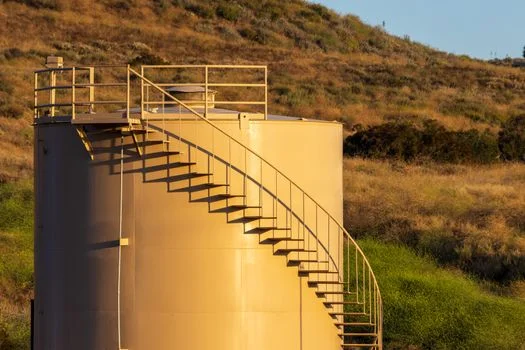
Selecting the appropriate wastewater treatment technology is critical for hospitals in Senegal, considering influent characteristics, space limitations, and budget. Membrane Bioreactor (MBR) systems, such as the HydropureWater MBR Series, offer superior performance with 99.9% pathogen removal and effluent COD levels below 50 mg/L. Their compact design, requiring up to 60% less space than conventional systems, makes them ideal for urban hospitals in Dakar, like Fann Hospital. For facilities with high oil and grease loads, such as surgical centers, Dissolved Air Flotation (DAF) systems are highly effective, achieving 95% TSS removal and 90% FOG reduction, with capacities ranging from 4–300 m³/h. Electrocoagulation presents a viable option for more remote hospitals, such as those in Saint-Louis, offering 99% heavy metal removal and 95% COD reduction. While its CAPEX can be higher (€150K–€400K), it boasts lower operational expenditure compared to chemical dosing. For final disinfection, chlorine dioxide generators are recommended for Senegal's humid climate, providing 99.99% pathogen kill at low concentrations (0.5–2 mg/L) and offering a safer alternative to chlorine gas.
| Technology | Key Features | Typical Application in Senegal | Performance Metrics | HydropureWater Product Series |
|---|---|---|---|---|
| MBR (Membrane Bioreactor) | High-level pathogen removal, compact footprint, superior effluent quality | Urban hospitals in Dakar (e.g., Fann Hospital) | 99.9% pathogen removal, <50 mg/L COD | HydropureWater MBR Series |
| DAF (Dissolved Air Flotation) | Effective for FOG and suspended solids removal | Surgical centers, facilities with high grease loads | 95% TSS removal, 90% FOG reduction | DAF line |
| Electrocoagulation | Heavy metal and COD reduction, lower OPEX than chemical dosing | Remote hospitals, specific industrial pre-treatment needs | 99% heavy metal removal, 95% COD reduction | (N/A - specific product series not listed) |
| Chlorine Dioxide Disinfection | Broad-spectrum pathogen inactivation, safe for humid climates | Final disinfection step for all technologies | 99.99% pathogen kill at 0.5–2 mg/L | ClO₂ generator |
Engineering Specs for Hospital Wastewater Treatment in Senegal: 2026 Parameters
Accurate engineering specifications are vital for designing and sizing effective hospital wastewater treatment systems in Senegal. For Dakar’s hospitals, typical influent characteristics include COD ranging from 300–1,200 mg/L, BOD from 150–600 mg/L, and TSS from 200–800 mg/L, with pH levels generally between 6.5–8.5, as indicated by CRCF data. For MBR systems, sizing of 0.8–1.2 m³/membrane/day for PVDF flat-sheet modules (DF Series) is recommended, with an energy consumption of 0.6–1.0 kWh/m³. DAF systems require a surface loading rate of 5–10 m³/m²/h, and the DAF line typically needs 2–4 mg/L of polymer for effective flocculation. For disinfection, a chlorine dioxide residual of 0.5–2 mg/L maintained for a 30-minute contact time is compliant with WHO 2024 guidelines. Sludge management can be optimized using a plate-frame filter press (available from leading suppliers), which reduces sludge volume by approximately 70%, achieving dewatered cake with less than 20% moisture content.
| Parameter | Influent Characteristics (Dakar Hospitals) | MBR Sizing (DF Series) | DAF Sizing | Disinfection (WHO 2024) | Sludge Management (Filter Press) |
|---|---|---|---|---|---|
| COD | 300–1,200 mg/L | Effluent <50 mg/L | N/A | N/A | N/A |
| BOD | 150–600 mg/L | Effluent <10 mg/L | N/A | N/A | N/A |
| TSS | 200–800 mg/L | Effluent <5 mg/L | 5–10 m³/m²/h (SLR) | N/A | Reduces volume by ~70% |
| E. coli | >106 CFU/100mL | <10 CFU/100mL (post-disinfection) | N/A | <1,000 CFU/100mL (target) | N/A |
| pH | 6.5–8.5 | N/A | N/A | N/A | N/A |
| Energy Use | N/A | 0.6–1.0 kWh/m³ | N/A | N/A | N/A |
| Polymer Dosing | N/A | N/A | 2–4 mg/L | N/A | N/A |
| Contact Time | N/A | N/A | N/A | 30 minutes | N/A |
| Residual Disinfectant | N/A | N/A | N/A | 0.5–2 mg/L (ClO₂) | N/A |
| Sludge Moisture | N/A | N/A | N/A | N/A | <20% |
CAPEX and OPEX Breakdown: 2026 Cost Models for Senegalese Hospitals
Accurate budgeting for hospital wastewater treatment systems in Senegal requires a clear understanding of both capital expenditure (CAPEX) and operational expenditure (OPEX), factoring in local costs. CAPEX for these systems can range from €250,000 for smaller clinics utilizing compact solutions, up to €1.2 million for facilities serving 750 beds, often involving MBR technology coupled with sludge dewatering. MBR systems typically have a CAPEX of €500,000–€1.2 million, inclusive of civil works, with OPEX ranging from €0.30–€0.50/m³, considering membrane replacement every 5–7 years. DAF systems present a lower CAPEX of €150,000–€400,000 and OPEX of €0.15–€0.30/m³, with polymer costs averaging €2–€4/kg. Electrocoagulation systems fall within a similar CAPEX range of €150,000–€400,000, with OPEX of €0.20–€0.40/m³ due to electrode replacement every 2–3 years. Senegalese-specific costs include an 18% import duty on equipment, labor costs for operators at €10–€15/hour, and land lease rates of €5–€10/m²/year in Dakar.
| System Type | Estimated CAPEX (€) | Estimated OPEX (€/m³) | Key Cost Drivers |
|---|---|---|---|
| Small Clinic System | 250,000 | 0.10–0.20 | Equipment size, pre-engineered components |
| MBR System (750-bed hospital) | 500,000 – 1,200,000 | 0.30 – 0.50 | Membrane lifespan (5-7 yrs), energy consumption, civil works |
| DAF System | 150,000 – 400,000 | 0.15 – 0.30 | Polymer consumption (€2-€4/kg), energy, maintenance |
| Electrocoagulation System | 150,000 – 400,000 | 0.20 – 0.40 | Electrode replacement (2-3 yrs), energy, chemical usage (if any) |
| Senegal Specific Costs | N/A | N/A | Import Duties (18%), Labor (€10-€15/hr), Land Lease (€5-€10/m²/yr) |
Zero-Risk Equipment Selection Checklist for Senegalese Hospitals
To mitigate risks and ensure a successful procurement process for hospital wastewater treatment equipment in Senegal, a comprehensive checklist is essential. First, verify that any proposed equipment demonstrably meets Senegal’s Water Code (Article 47) and the WHO 2024 guidelines (<1,000 CFU/100mL). Given Dakar’s climate, ensure systems are designed to operate reliably in temperatures ranging from 30–45°C with 80% humidity. Crucially, the supplier must have a Dakar-based service team capable of responding within 24 hours. A robust operator training program, a minimum of 40 hours, is non-negotiable. Secure a minimum 2-year warranty on equipment and a 10-year warranty on MBR membranes. Finally, request references from similar projects in African hospitals, such as those in Morocco or Côte d’Ivoire, to validate supplier experience and performance. This structured approach will safeguard your investment and ensure compliance.
Frequently Asked Questions

What are the discharge limits for hospital wastewater in Senegal? Senegal’s Water Code (Article 47) mandates pre-treatment for all healthcare facilities. Internationally, the WHO 2024 guidelines require effluent to have <1,000 CFU/100mL. For hospitals exceeding 200 beds in Dakar, Municipal Bylaw 2025 further stipulates limits such as COD <125 mg/L.
How much does a hospital wastewater treatment plant cost in Senegal? CAPEX for hospital wastewater treatment systems in Senegal typically ranges from €250,000 for smaller facilities to €1.2 million for large hospitals. MBR systems are generally priced between €500,000–€1.2 million, while DAF systems are more budget-friendly at €150,000–€400,000. OPEX for these systems falls between €0.15–€0.50/m³.
What is the best technology for hospital wastewater treatment in Dakar? For urban hospitals in Dakar with space constraints, Membrane Bioreactor (MBR) systems are highly recommended due to their excellent pathogen removal rates and compact footprint. For facilities dealing with significant grease and oil, Dissolved Air Flotation (DAF) is a more suitable choice. Electrocoagulation is an emerging option for remote locations.
Can hospital wastewater be reused in Senegal? Yes, treated wastewater from advanced systems like MBRs, which achieve <1 μm filtration, can be reused for non-potable purposes such as irrigation or cooling towers. However, Senegal’s 2023 Water Code requires an additional disinfection step, such as UV or chlorine dioxide, for such reuse applications.
What are the penalties for non-compliance with Senegal’s wastewater regulations? Non-compliance with Senegal’s wastewater regulations, particularly Article 47 of the Water Code, can result in severe penalties, including fines of up to XOF 50 million ($80,000 USD) and potential facility shutdowns for repeated violations.
Related Equipment
- MBR systems for hospital wastewater treatment in Senegal — view specifications, capacity range, and technical data
- DAF systems for high-FOG hospital wastewater in Senegal — view specifications, capacity range, and technical data
- chlorine dioxide disinfection for Senegal’s hospital effluent — view specifications, capacity range, and technical data
Need a customized solution? Request a free quote with your specific flow rate and pollutant parameters.