In 2026, wastewater treatment plant costs in Kazan vary sharply by scale and technology: municipal upgrades like Kazan Vodocanal’s €26M EBRD-funded project target Volga River compliance, while industrial systems (100–500 GPM) range from €200K for dissolved air flotation (DAF) to €700K for membrane bioreactors (MBR). Local utility costs (electricity: ₽5.5/kWh, labor: ₽80K/month) and winterization requirements add 10–20% to OPEX, making tech selection critical for long-term ROI.
Why Kazan’s Wastewater Treatment Costs Are Unique in 2026
Kazan’s industrial and municipal sectors face a unique convergence of geographic and regulatory pressures that drive capital and operational expenditures higher than the Russian national average. The primary cost driver is the city's commitment to the "Rehabilitation of the Volga" federal project, which mandates extremely tight discharge limits for any facility within the Caspian Sea basin. For industrial procurement managers, this means secondary treatment is no longer sufficient; tertiary polishing is now a budgetary requirement rather than an option.
Kazan’s -30°C winters increase CAPEX by 10–15% due to the necessity of structural insulation, heated equipment enclosures, and antifreeze dosing systems for chemical lines. Biological processes, particularly those used in municipal and food-processing applications, slow down significantly in cold temperatures. To maintain the required COD and ammonia removal rates during Tatarstan’s winter months, engineers must design larger reactor volumes or implement energy-intensive tank heating, which can increase OPEX by 20% compared to systems in southern Russia. Specifically, energy for membrane heating and maintaining biological activity in MBR systems becomes a dominant line item from November through March.
Volga River discharge limits (COD <30 mg/L, TSS <10 mg/L, and ammonia <1 mg/L) require the integration of advanced filtration or membrane technologies. Meeting these standards typically adds 30–50% to the cost of industrial systems compared to standard secondary-only systems. While the EBRD’s €26M loan for Kazan Vodocanal sets a massive benchmark for municipal infrastructure, industrial buyers in Kazan’s petrochemical and food clusters face a more fragmented pricing environment, with systems ranging from €200K to €700K for capacities between 100 and 500 GPM. Local electricity costs (₽5.5/kWh) and labor rates (₽80K/month for qualified operators) further tilt the scales toward automated, energy-efficient technologies that reduce the headcount required for 24/7 compliance monitoring.
CAPEX Breakdown: Kazan Wastewater Treatment Plant Costs by Technology
Capital expenditure (CAPEX) for wastewater systems in Kazan is dictated by the specific contaminant profile of the influent and the required purity of the effluent. For facilities dealing with high levels of fats, oils, and grease (FOG), such as those in the local dairy or meat processing sectors, DAF systems for Kazan’s high-FOG/TSS industrial wastewater represent the most cost-effective entry point. These systems generally cost between €200K and €400K for capacities of 100–300 m³/h, providing 90–95% removal efficiency for suspended solids.
For facilities requiring the highest level of treatment, such as those aiming for water reuse or direct discharge into the Volga, MBR systems for Kazan’s reuse-quality effluent needs are the industry standard. These systems, including the WSZ or DF series, range from €500K to €700K for 100–500 m³/h capacities. While the initial investment is higher, the ultra-filtration membranes deliver effluent with COD levels below 50 mg/L, though buyers must budget for membrane replacement cycles every 5–7 years, costing approximately €50K–€100K per cycle.
In the metalworking and chemical sectors common in Tatarstan, electrocoagulation for Kazan’s metalworking and chemical industries offers a specialized alternative. These systems cost between €250K and €500K for 50–200 m³/h. They are particularly effective at breaking emulsions and removing heavy metals without the heavy chemical dependency of DAF, though they consume significantly more electricity—averaging ₽1.2M per year for a 100 m³/h flow rate.
For residential zones or hospitals with limited surface area, underground package plants for Kazan’s space-constrained sites can reduce land acquisition and preparation costs by up to 40%. However, these systems require robust sludge dewatering to reduce Kazan’s disposal costs (₽3K–₽12K/ton). A plate-frame filter press typically adds €30K–€80K to the CAPEX but is essential for managing the concentrated waste generated by high-efficiency systems. Buyers should also include a 10–15% contingency fund to cover Kazan’s permitting delays, which currently average 6–12 months for industrial discharge approvals.
| Technology Type | Capacity (m³/h) | CAPEX Range (€) | Primary Application | Volga Compliance Level |
|---|---|---|---|---|
| DAF | 100 - 300 | 200,000 - 400,000 | Food Processing / Textiles | Moderate (Requires Polishing) |
| MBR (WSZ/DF Series) | 100 - 500 | 500,000 - 700,000 | Municipal / Industrial Reuse | High (Direct Discharge) |
| Electrocoagulation | 50 - 200 | 250,000 - 500,000 | Metalworking / Heavy Metals | High (Specific Contaminants) |
| Underground Package Plant | 10 - 100 | 150,000 - 350,000 | Residential / Hospitals | High (Integrated Tertiary) |
OPEX in Kazan: Energy, Chemicals, and Labor Costs You Can’t Ignore
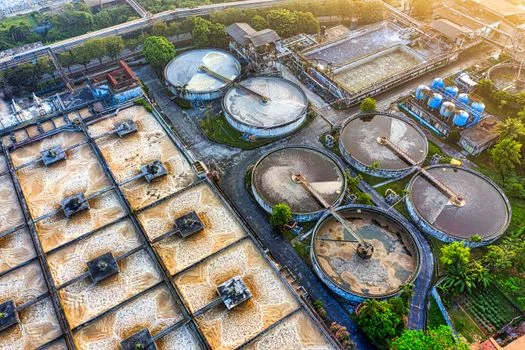
Operational expenditure (OPEX) in Kazan is heavily influenced by the local cost of utilities and the seasonal climate. Energy consumption is the largest variable, with MBR systems consuming between 0.8 and 1.2 kWh/m³ (equivalent to ₽4.4–₽6.6/m³). In contrast, DAF systems are more energy-efficient at 0.3–0.5 kWh/m³, but they require a steady supply of polymers and coagulants. These chemical costs for a 100 m³/h DAF system typically range from ₽120K to ₽200K per year, depending on the influent TSS load.
Winterization is a critical "hidden" OPEX in Tatarstan. Heating membranes to prevent fouling in MBR systems or maintaining temperature in chemical storage tanks for automatic chemical dosing systems can add ₽500K–₽1M per year to the budget. Without these measures, chemical viscosity increases and biological activity drops, leading to compliance failures and potential fines from the Environmental Committee.
Labor costs for a standard industrial wastewater plant in Kazan require at least one operator per shift (₽80K/month) and one maintenance technician (₽100K/month) for 24/7 operation. Implementing advanced PLC systems with remote monitoring can reduce labor requirements by approximately 30%, as they allow for off-site oversight and automated alarms. Chemical pricing also varies; while local Kazan-based vendors offer polymers at ₽350/kg and coagulants at ₽200/kg, the quality can be inconsistent. Higher-grade chemicals or chlorine dioxide generation for disinfection (₽1,200/kg) may be necessary to meet the strict microbial limits for Volga discharge.
| Cost Category | Unit Cost (Kazan 2026) | Annual Impact (100 m³/h System) | Reduction Strategy |
|---|---|---|---|
| Electricity | ₽5.5 / kWh | ₽3.8M - ₽5.2M | VFD Drives / High-eff Aerators |
| Labor | ₽80K - ₽100K / month | ₽3.5M - ₽4.5M | PLC Automation / Remote Monitoring |
| Chemicals | ₽200 - ₽1,200 / kg | ₽1.5M - ₽2.5M | Optimized Dosing Sensors |
| Sludge Disposal | ₽3K - ₽12K / ton | ₽0.8M - ₽2.0M | Plate-Frame Filter Press |
| Winterization | Variable | ₽0.5M - ₽1.0M | Insulated Piping / Heat Recovery |
MBR vs. DAF vs. Electrocoagulation: Which System Fits Your Kazan Budget?
Selecting the right technology requires a balance between initial CAPEX and long-term OPEX, specifically tailored to the wastewater’s chemical makeup. If your facility produces high-FOG (fats, oils, grease) and TSS effluent, such as a meat processing plant in the Kazan suburbs, DAF is the most viable option. It offers a lower CAPEX (€200K–€400K) and effectively prepares wastewater for municipal sewer discharge. However, if the goal is direct discharge into the Volga, DAF will require an additional aerobic polishing step, which may negate its initial cost advantage.
MBR is the preferred choice for projects where space is at a premium or where the highest effluent quality is mandatory. For a hospital wastewater treatment strategy for Kazan’s clinics, MBR provides a physical barrier to pathogens and micro-pollutants that other systems cannot match. While the OPEX is higher (₽2.5M–₽4M/year), the ability to reuse water for irrigation or cooling towers can provide a significant ROI over a 10-year horizon. For a more granular look at these trade-offs, industrial planners should consult a detailed MBR vs. MBBR cost comparison for Kazan’s industrial buyers.
Electrocoagulation is a niche but powerful tool for Kazan’s heavy industries. It is particularly effective for removing emulsified oils and heavy metals from metal plating or automotive parts manufacturing. While it avoids the logistics of chemical storage—a major benefit in Kazan’s snowy winters—the high energy consumption means it is best suited for lower flow rates (under 200 m³/h) where chemical handling would be disproportionately expensive.
Decision Framework:
- Is influent COD > 1,000 mg/L and space limited? Select MBR.
- Is the primary goal FOG and TSS removal for sewer discharge? Select DAF.
- Are heavy metals or complex emulsions present? Select Electrocoagulation.
- Is the budget constrained with high land availability? Select MBBR or Conventional Activated Sludge with tertiary filtration.
Local vs. Imported Equipment: Kazan Supplier Cost Comparison
Procurement managers in Tatarstan often face a choice between local Russian-made equipment and imported systems from Europe or Asia. Local suppliers based in or near Kazan typically offer a 20–30% lower CAPEX. For example, a 100 m³/h DAF system from a local vendor might cost ₽15M, whereas a high-spec imported version could reach ₽20M. However, local systems often lack international certifications like CE or ISO, and their automation packages may be less sophisticated, leading to higher labor costs over time.
Imported equipment usually includes comprehensive warranties (2–5 years) and built-in compliance documentation that simplifies the permitting process with Kazan’s Environmental Committee. Lead times are another major factor; local equipment can often be delivered in 3–6 months, while imports may take 6–12 months due to customs and logistics. A recent case study of a Kazan food processing plant highlighted this trade-off: the plant saved ₽2M initially by sourcing a DAF system locally but eventually spent ₽1.5M on retrofits and additional sensors to meet Volga River limits—costs that would have been covered by an imported system’s compliance guarantee.
| Factor | Local (Tatarstan/Russia) | Imported (International) |
|---|---|---|
| CAPEX | 20 - 30% Lower | Standard Market Rate |
| Lead Time | 3 - 6 Months | 6 - 12 Months |
| Compliance Support | Basic / Variable | Comprehensive / Guaranteed |
| After-Sales Support | Rapid (On-site in 24h) | Remote / Local Partners |
| Certification | GOST-R | ISO, CE, GOST-R |
Zero-Risk Compliance Checklist for Kazan Wastewater Projects
To ensure a wastewater project in Kazan proceeds without budget overruns or regulatory hurdles, follow this engineering-led checklist:
- Pre-design Sampling: Conduct a 30-day influent sampling campaign during peak production. Underestimating COD or TSS loads by even 15% can lead to system failure and add 20–40% to CAPEX for emergency retrofits.
- Permitting Lead Time: Submit discharge plans to the Kazan Environmental Committee at least 9 months before the intended startup. Delays in the Volga basin are common and can stall production.
- Technology Verification: Ensure the selected tech (MBR, DAF, etc.) meets Volga River limits (COD <30 mg/L, TSS <10 mg/L) with at least a 10% safety margin to account for seasonal temperature fluctuations.
- Pre-Treatment: Install mechanical bar screens to protect downstream membranes and pumps from Kazan’s typical industrial debris.
- Winterization Audit: Confirm that all outdoor tanks are insulated and that polymer dosing lines are heat-traced. A single frozen line can shut down the entire compliance chain.
- Sludge Strategy: Secure a contract with a licensed landfill or incineration facility in Tatarstan before commissioning. Prices range from ₽3K to ₽12K per ton; having a dewatering plan in place is non-negotiable for OPEX control.
Frequently Asked Questions
What are the Volga River discharge limits for industrial wastewater in Kazan?
The limits are strictly enforced: COD <30 mg/L, TSS <10 mg/L, ammonia <1 mg/L, and pH between 6.5 and 8.5. Some specific industrial zones may have even tighter requirements for heavy metals.
How much does a 100 m³/h wastewater treatment plant cost in Kazan?
Depending on the technology, CAPEX ranges from €200,000 (DAF) to €700,000 (MBR). This does not include land costs or major civil engineering works.
What’s the annual OPEX for a 100 m³/h MBR system in Kazan?
Expect to spend between ₽2.5M and ₽4M per year. This covers electricity (₽5.5/kWh), labor, chemicals, and a sinking fund for membrane replacement every 5–7 years.
Can I use local Tatarstan suppliers for my project?
Yes, local suppliers offer significant CAPEX savings and faster delivery. However, ensure they provide performance guarantees and that their equipment is compatible with international automation standards for better long-term reliability.
How long does it take to get a discharge permit in Kazan?
The process typically takes 6 to 12 months. It involves multiple stages of review by local and federal environmental authorities, so starting early is essential to avoid project delays.