Uttarakhand’s Sewage Treatment Landscape: Capacity, Gaps, and Compliance Pressures
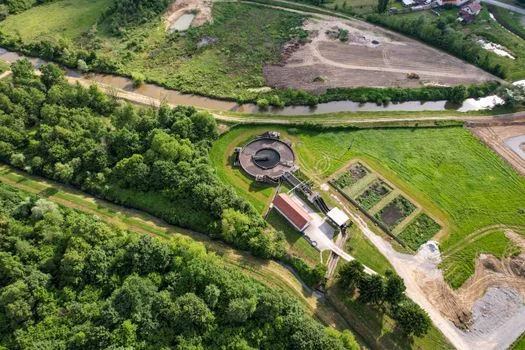
Uttarakhand’s municipal sewage treatment capacity has surged from 152.9 MLD in 2020 to 428 MLD in 2024, with projects underway to reach 700 MLD by 2026, according to the National Institute of Urban Affairs. Key plants like Jagjeetpur, serving approximately 120,000 people, and Kulri, with a 900 m³/day capacity, utilize secondary treatment to meet Central Pollution Control Board (CPCB) effluent standards (BOD <30 mg/L, TSS <100 mg/L). However, despite this growth, significant compliance gaps persist. The current infrastructure, with 24 identified plants, includes facilities like Landhor North and Salawala, many of which are still under construction, delaying full operational compliance. Only approximately 40% of these STPs currently meet the Uttarakhand Pollution Control Board's (UKPCB) stringent fecal coliform limit of <1,000 MPN/100mL. Common violations include BOD levels exceeding 30 mg/L in about 30% of samples. regional disparities present unique challenges. Hilly regions, such as Mussoorie and Almora, face an estimated 20–30% higher capital expenditure (CAPEX) compared to plain areas due to terrain constraints, with costs ranging from ₹20-25 Lakhs/MLD versus ₹12-15 Lakhs/MLD. Conversely, tourist-heavy zones like Rishikesh and Haridwar experience significant seasonal load spikes, often requiring treatment capacities 2–3 times higher than average daily flows to maintain compliance.
| Plant Name | Location | Capacity (MLD/m³/day) | Population Served | Treatment Stage | Status | Notes |
|---|---|---|---|---|---|---|
| Jagjeetpur STP | Haridwar | 120,000 (Population) | 120,000 | Secondary | Operational | Key plant meeting CPCB standards |
| Kulri STP | Mussoorie | 900 m³/day | 6,013 | Secondary | Under Construction | Example of a smaller, hilly region plant |
| Landhor North | Mussoorie | 800 m³/day | 5,345 | Secondary | Under Construction | Hilly region terrain challenges |
| Salawala | Dehradun | 710 m³/day | 4,744 | Secondary | Under Construction | Planned for plain region |
| Vijay Colony | Dehradun | 420 m³/day | 2,806 | Secondary | Under Construction | Urban area STP |
| Bah Bazar | Devprayag | Not Reported | 4,728 | Not Reported | Under Construction | Upper Ganges basin project |
| Bakh | Almora | Not Reported | Not Reported | Not Reported | Operational | Hilly region, potential compliance issues |
Engineering Specs for Uttarakhand Municipal STPs: Influent, Effluent, and Process Parameters
Designing or evaluating a municipal sewage treatment plant (STP) in Uttarakhand demands a precise understanding of local wastewater characteristics and regulatory mandates. Influent parameters for typical municipal wastewater in India, according to CPCB 2024 benchmarks, range from BOD of 200–400 mg/L, COD of 400–800 mg/L, and TSS of 250–500 mg/L. However, tourist-heavy regions like Haridwar can see significant spikes, with BOD levels potentially reaching 600 mg/L during festivals. UKPCB effluent standards are stringent, requiring BOD below 30 mg/L, COD below 250 mg/L, TSS below 100 mg/L, and critically, fecal coliform below 1,000 MPN/100mL. Advanced technologies like Membrane Bioreactors (MBR) can consistently achieve BOD levels below 10 mg/L, significantly exceeding these requirements and enabling water reuse. Key process parameters include hydraulic retention time (HRT), which typically spans 6–12 hours for conventional activated sludge systems and 4–8 hours for MBR systems. Sludge retention time (SRT) is crucial for nitrification and usually maintained between 15–30 days. Energy consumption varies, with conventional systems consuming 0.3–0.6 kWh/m³, while MBR systems, due to membrane aeration and pumping, consume 0.5–0.8 kWh/m³. For sludge management, Uttarakhand’s STPs generate approximately 0.1–0.3 kg of TSS per kg of BOD removed. Efficient dewatering, for instance, using a plate-and-frame filter press to achieve 20% solids content, can reduce sludge disposal costs by up to 40%.
| Parameter | Typical Influent Range (mg/L) | Peak Influent Range (mg/L) | UKPCB Effluent Standard (mg/L) | MBR Achievable Effluent (mg/L) | HRT (Hours) | SRT (Days) | Energy Consumption (kWh/m³) | Sludge Yield (kg TSS/kg BOD removed) |
|---|---|---|---|---|---|---|---|---|
| BOD | 200–400 | Up to 600 (e.g., Haridwar festivals) | <30 | <10 | 4–12 (Conventional: 6–12; MBR: 4–8) | 15–30 | 0.3–0.8 (Conventional: 0.3–0.6; MBR: 0.5–0.8) | 0.1–0.3 |
| COD | 400–800 | Up to 1000+ | <250 | <50 | N/A | N/A | N/A | N/A |
| TSS | 250–500 | Up to 800 | <100 | <5 | N/A | N/A | N/A | N/A |
| Fecal Coliform | 106–108 MPN/100mL | 108+ MPN/100mL | <1,000 MPN/100mL | <10 MPN/100mL (with disinfection) | N/A | N/A | N/A | N/A |
For effective sludge management, dewatering using equipment like a plate and frame filter press to achieve 20% solids content can reduce disposal volumes by up to 40%.
MBR vs. SBR vs. Conventional: Technology Selection for Uttarakhand’s Variable Loads
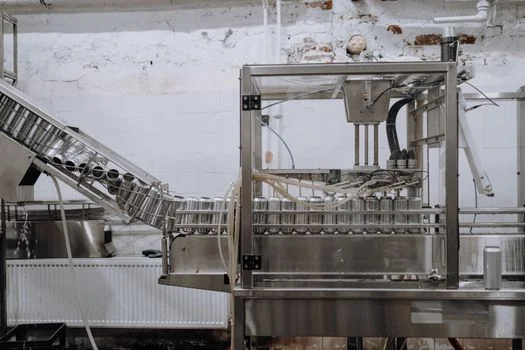
Choosing the appropriate wastewater treatment technology for Uttarakhand’s diverse needs—ranging from hilly terrains to bustling tourist hubs—is critical for both performance and cost-effectiveness. Membrane Bioreactor (MBR) systems offer superior effluent quality, consistently achieving BOD <10 mg/L, COD <50 mg/L, and TSS <5 mg/L, making them ideal for sensitive ecological zones and areas requiring water reuse. Their compact footprint, typically 30–50% smaller than conventional systems, is advantageous in land-scarce hilly regions. MBRs also exhibit high tolerance for load fluctuations, a key benefit for tourist areas like Rishikesh that experience significant seasonal demand variations. The CAPEX for MBRs is higher, ranging from ₹22–28 Lakhs/MLD, with OPEX at ₹0.5–0.8/m³. Sequencing Batch Reactor (SBR) systems provide a good balance for mid-sized plants, such as those serving Dehradun suburbs, with effluent BOD typically between 10–20 mg/L and COD between 50–100 mg/L. SBRs require equalization tanks to manage variable flows effectively. Their CAPEX is moderate at ₹15–20 Lakhs/MLD, with OPEX at ₹0.4–0.6/m³. Conventional Activated Sludge (CAS) processes offer the lowest CAPEX (₹12–15 Lakhs/MLD) and OPEX (₹0.3–0.5/m³), achieving effluent BOD of 20–30 mg/L and COD of 100–150 mg/L. However, CAS often requires additional tertiary treatment, such as disinfection, to meet stringent fecal coliform limits. For hilly regions, MBR technology’s submerged membranes can be more resilient to lower dissolved oxygen levels compared to SBRs. Conventional systems in such terrains may require up to 30% more aeration energy to compensate for environmental factors.
| Technology | Typical Effluent BOD (mg/L) | Typical Effluent COD (mg/L) | Typical Effluent TSS (mg/L) | Footprint | Load Variation Tolerance | CAPEX (₹/MLD) | OPEX (₹/m³) | Suitability for Uttarakhand |
|---|---|---|---|---|---|---|---|---|
| MBR | <10 | <50 | <5 | Compact (30-50% smaller) | High | 22–28 Lakhs | 0.5–0.8 | Tourist zones (Rishikesh), sensitive areas, water reuse |
| SBR | 10–20 | 50–100 | 10–20 | Moderate | Moderate (requires equalization) | 15–20 Lakhs | 0.4–0.6 | Mid-sized plants, moderate loads (Dehradun suburbs) |
| Conventional (Activated Sludge) | 20–30 | 100–150 | 20–30 | Large | Low (requires buffer/equalization) | 12–15 Lakhs | 0.3–0.5 | Cost-sensitive projects, requires tertiary treatment for strict compliance |
For stringent fecal coliform compliance, technologies like chlorine dioxide generators are essential tertiary disinfection units for MBR systems or conventional plants.
Uttarakhand STP Cost Models: CAPEX, OPEX, and ROI for 2026 Projects
Accurate cost modeling is paramount for municipal procurement teams in Uttarakhand to budget effectively and evaluate vendor proposals. Capital expenditure (CAPEX) for STPs typically breaks down into civil works (₹5–8 Lakhs/MLD), mechanical and electrical components (₹4–7 Lakhs/MLD), and the core treatment technology itself, which can range from ₹3–5 Lakhs/MLD for conventional systems to ₹10–13 Lakhs/MLD for advanced MBR technology. As noted, hilly regions introduce a 20–30% premium on CAPEX due to logistical and construction challenges, pushing costs for plants in areas like Mussoorie to ₹20–25 Lakhs/MLD, compared to approximately ₹12–15 Lakhs/MLD in plain regions like Dehradun. Operational expenditure (OPEX) per cubic meter (m³) is influenced by energy consumption (₹0.3–0.8/m³), chemical usage (₹0.1–0.3/m³), labor costs (₹0.05–0.1/m³), and sludge disposal (₹0.1–0.2/m³). While MBR systems have higher energy demands (0.5–0.8 kWh/m³), their improved sludge dewatering capabilities can lead to 40% lower sludge disposal costs, as demonstrated by efficient plate and frame filter press operations. Return on Investment (ROI) can be significantly enhanced through treated water reuse, generating savings of ₹5–10/m³ compared to freshwater procurement, and by avoiding substantial UKPCB penalties, which can range from ₹1 Lakh to ₹5 Lakhs per violation. Energy-efficient systems may also qualify for carbon credits, offering an additional revenue stream of ₹0.5–1/m³. When comparing vendors, turnkey solutions from established providers may command a 15–20% premium but include compliance guarantees. Local contractors might offer 10–15% lower CAPEX but potentially higher long-term OPEX due to less automated processes.
| Cost Component | Conventional STP | MBR STP | Hilly Region Adjustment | Notes |
|---|---|---|---|---|
| CAPEX | ||||
| Civil Works | 5–8 | 6–9 | +20–30% | Foundation, tanks, buildings |
| Mechanical & Electrical | 4–7 | 5–8 | +10–15% | Pumps, blowers, control panels |
| Treatment Technology | 3–5 | 10–13 | N/A | Core treatment units |
| Total CAPEX (Plain) | 12–15 | 21–30 | ||
| Total CAPEX (Hilly) | 15–20 | 25–36 | Includes terrain impact | |
| OPEX | Per m³ treated | |||
| Energy | 0.3–0.5 | 0.5–0.8 | kWh/m³ varies | |
| Chemicals | 0.1–0.2 | 0.1–0.3 | Disinfection, coagulants | |
| Labor | 0.05–0.1 | 0.05–0.1 | Operators, maintenance | |
| Sludge Disposal | 0.1–0.2 | 0.06–0.12 | Dewatering efficiency impacts cost | |
| Total OPEX (Estimated) | 0.55–1.0 | 0.71–1.32 |
For cost benchmarks in plain regions, refer to wastewater treatment plant cost analyses in Rajasthan, which offer comparable data.
UKPCB/CPCB Compliance Roadmap: Step-by-Step Approval for Uttarakhand STPs
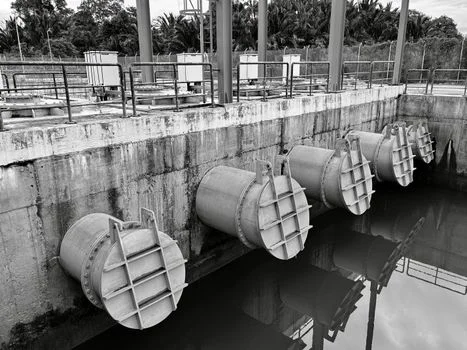
Navigating the regulatory landscape for STPs in Uttarakhand requires a systematic approach to ensure timely approvals and avoid costly penalties. The process begins with meticulous site selection, prioritizing locations away from flood-prone areas—a critical lesson from Uttarakhand's 2023 monsoon, which damaged several operational STPs—and maintaining the mandated 500m buffer zone from water bodies as per UKPCB regulations. Step two involves technology approval, where comprehensive process flow diagrams (PFDs) and mass balance calculations must be submitted to the UKPCB for review, typically taking 4–6 weeks. Notably, MBR systems achieving effluent BOD below 10 mg/L can benefit from a streamlined approval process as per a 2024 circular. Following this, a Consent to Establish (CTE) application must be filed. This requires an Environmental Impact Assessment (EIA) report, which can cost ₹2–5 Lakhs, and for sites in hilly regions, supplementary noise and vibration studies. The CTE is generally valid for five years. The final crucial step is obtaining a Consent to Operate (CTO). This necessitates three months of continuous effluent testing for key parameters (BOD, COD, TSS, fecal coliform) conducted by UKPCB-approved laboratories, such as the Central Laboratory in Dehradun. The CTO is subject to annual renewal, with fees ranging from ₹50,000 to ₹2 Lakhs. A common pitfall leading to CTO rejections, affecting up to 60% of applications, is exceeding the fecal coliform limit of 1,000 MPN/100mL. To mitigate this, implementing robust tertiary disinfection, such as using chlorine dioxide generators, which offer a 99.9% pathogen kill rate, is highly recommended.
Frequently Asked Questions
What’s the best STP technology for tourist-heavy areas like Rishikesh? MBR systems are highly recommended for tourist-heavy areas like Rishikesh. They can effectively handle 2–3 times the average load spikes, such as those experienced during festivals like the Kumbh Mela, and produce effluent of reuse quality (BOD <10 mg/L). While the CAPEX is higher at approximately ₹25 Lakhs/MLD compared to ₹15 Lakhs/MLD for conventional systems, their resilience and water quality benefits often justify the investment.
How much does it cost to upgrade an STP to meet UKPCB’s fecal coliform limit? Upgrading an existing STP to meet UKPCB's fecal coliform limit typically involves adding a tertiary disinfection stage. This can add approximately ₹2–3 Lakhs/MLD to CAPEX and an additional ₹0.1–0.2/m³ to OPEX. However, this investment is crucial to avoid potential penalties ranging from ₹1 Lakh to ₹5 Lakhs per violation.
What’s the typical payback period for an STP in Uttarakhand? The payback period for an STP in Uttarakhand varies significantly by technology and operational efficiency. Conventional systems in plain regions like Dehradun might see a payback of 5–7 years. MBR systems in areas like Rishikesh, with higher initial CAPEX, may have a payback of 8–10 years. However, this period can be reduced to 3–5 years if the treated water is effectively reused for purposes like irrigation or industrial cooling towers.
Can STPs in hilly areas use gravity flow to reduce energy costs? Yes, STPs in hilly areas can leverage gravity flow to reduce energy costs, provided the site topography offers sufficient elevation drop. A minimum drop of 10 meters is generally required to avoid pumping. For instance, the Landhor North STP project near Mussoorie is designed to utilize a 15-meter elevation drop, which is projected to cut energy consumption by approximately 25% compared to a fully pumped system.
What are the most common UKPCB violations in Uttarakhand STPs? The most frequent UKPCB violations observed in Uttarakhand STPs include BOD levels exceeding 30 mg/L (affecting around 30% of plants), TSS levels above 100 mg/L (around 25% of plants), and critically, fecal coliform counts exceeding 1,000 MPN/100mL (observed in up to 60% of tested samples). MBR technology, especially when coupled with effective disinfection, can significantly mitigate or eliminate all three of these common violations.
Related Equipment
The following HydropureWater products are engineered for the wastewater challenges discussed above:
- MBR systems for Uttarakhand’s variable-load STPs — view specifications, capacity range, and technical data
Need a customized solution? Request a free quote with your specific flow rate and pollutant parameters.