Mandalay’s central plant in Industrial Zone (2) is sized for about 60,000 gallons/day (227 m³/day) from 23 leather factories. The design goal is to cut COD from 2,000–10,000 mg/L to the Myanmar National Environmental Quality (Emission) Guidelines (NEQEG 2015) limit of 250 mg/L. The reported K500M scheme (65% Denmark RBF, 35% SME equity) pairs dissolved air flotation (DAF) for TSS removal at 92–97% with membrane bioreactors (MBR). Payback is often quoted at 3–5 years against K56,000/month disposal fees avoided. For factory managers, Mandalay industrial wastewater decisions now turn on compliance cost, not optional disposal.
Why Mandalay industrial wastewater plants need upgrades now
Mandalay Zone (2) leather effluent typically runs 2,000–10,000 mg/L COD and needs about 97% COD removal to meet the NEQEG 250 mg/L discharge limit. Shared plant capacity is reported at 60,000 gallons/day (227 m³/day) for 23 tanneries under a K500M RBF-backed scheme. On-site trains usually combine DAF, chromium precipitation, and MBR, with modular CAPEX near K1.5M–K2.5M per m³/day.
Over 90 factories have discharged untreated effluent through a single 10-inch pipe into the Dokhtawady River, affecting groundwater and about 13 nearby villages (Eleven Myanmar reporting on the Zone (2) scheme). Leather processing typically generates 30–40 m³ of wastewater per ton of hide. That stream often shows COD of 2,000–10,000 mg/L and chromium up to about 100 mg/L (UNIDO 2022 tannery benchmarks cited in plant planning materials).
Fee exposure and enforcement risk now drive Zone plant decisions. The common monthly disposal charge reported for Zone factories is K56,000 per factory (about US$40 at the time of those reports). Myanmar’s Environmental Conservation Law (2012) also allows steeper sanctions, including fines framed up to 1% of annual revenue for serious or repeat breaches. Community complaints in Pyin Oo Lwin and Amarapura townships have raised pressure on operators beyond the monthly fee alone.
Untreated tannery water also wastes recoverable water and chemicals. High sulfide and chromium signal process loss as well as river risk. Modular pretreatment lets SMEs cut closure risk and reclaim water for non-potable reuse, so production growth does not track industrial waste discharge volume one-for-one.
Influent quality versus Myanmar discharge limits
Leather wastewater in Mandalay averages about 8,500 mg/L COD, which needs roughly 97.1% removal to meet the NEQEG COD limit of 250 mg/L. Closing the gap between raw influent and legal limits defines the treatment train. Textile plants mainly fight color and dye residuals, while tanneries must remove heavy metals and high organics together.
The following table outlines typical influent ranges for three Mandalay sectors against the National Environmental Quality (Emission) Guidelines:
| Parameter | Leather Effluent (Avg) | Textile Effluent (Avg) | Food Processing (Avg) | Myanmar Limit (ECC 2015) |
|---|---|---|---|---|
| COD (mg/L) | 2,000–10,000 | 500–1,500 | 1,000–4,000 | ≤ 250 |
| TSS (mg/L) | 1,500–4,000 | 200–600 | 500–1,200 | ≤ 50 |
| pH | 9.0–11.0 | 8.0–10.0 | 4.0–6.5 | 6.0–9.0 |
| Total Chromium (mg/L) | 50–100 | < 0.5 | N/A | ≤ 0.1 |
| Sulfide (mg/L) | 150–300 | < 10 | N/A | ≤ 1.0 |
| Oil & Grease (mg/L) | 100–500 | < 50 | 100–1,000 | ≤ 10 |
Chromium speciation is the key compliance detail for Mandalay tanneries. Earlier plant summaries often treated “total chromium ≤ 0.1 mg/L” as the single limit. The NEQEG general effluent table, still presented by ECD in 2025 WEPA materials, sets chromium (hexavalent) at ≤ 0.1 mg/L and chromium (total) at ≤ 0.5 mg/L. COD ≤ 250 mg/L and TSS ≤ 50 mg/L remain unchanged. Chemical reduction with sodium metabisulfite at pH 2.5–3.0, then neutralization, precipitates chromium hydroxide. Correct operation can cut chromium from about 100 mg/L to below 0.1 mg/L Cr(VI). Factories that need recycle-grade polish can add RO systems for chromium polishing after chemical precipitation after metals are already precipitated.
Treatment technologies compared: DAF vs MBR vs chemical precipitation
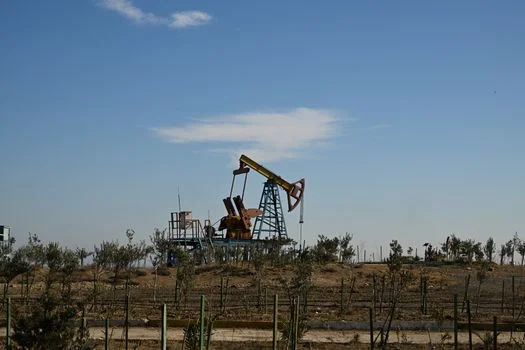
Dissolved air flotation removes about 92–97% of TSS and 60–80% of COD from leather wastewater by floating insoluble organics for skimming. DAF is often the lowest-CAPEX first stage for Mandalay SMEs. A single DAF stage rarely meets the 250 mg/L COD limit alone, so biological or chemical secondary treatment is required for full compliance.
| Technology | COD Removal | TSS Removal | Energy Use | Best For... |
|---|---|---|---|---|
| DAF | 60–80% | 92–97% | Low-Med | Pre-treatment of oils/fats |
| MBR (Integrated) | 90–98% | > 99% | High | Meeting strict discharge/reuse |
| Chemical Precipitation | 50–70% | 80–90% | Low | Chromium and heavy metals |
For high-strength effluent, DAF systems for leather wastewater pre-treatment protect downstream biology. Without DAF, tannery oil and grease foul membranes in MBR systems for high-COD industrial effluent. An MBR couples activated sludge with membrane filtration and skips secondary clarifiers. It can produce effluent suitable for irrigation or cooling make-up when metals are controlled upstream.
Chemical precipitation remains the workhorse for heavy metals. An chemical dosing for chromium precipitation holds pH and coagulant dose so most chromium reports to sludge. That sludge is then dewatered on a filter presses for leather sludge dewatering to cut haulage volume. Engineers comparing mechanisms can use the detailed guide to chromium precipitation for leather factories. Parallel permit logic in other markets is covered in the Wastewater Discharge Standards Australia: Compliance Guide and the Bangladesh Effluent Permit Compliance Guide for Industry 2026.
What drives cost, capacity, and compliance time?
Modular plant CAPEX in Mandalay is commonly estimated at about K1.5M–K2.5M per m³/day of installed capacity. A 50 m³/day factory package usually lands near K75M–K125M for equipment plus install, well below the K500M shared Zone (2) plant sized for 23 tanneries. CAPEX splits are typically civil works 30%, equipment 50%, and installation/commissioning 20%.
OPEX is dominated by chemicals and power. The table below lists OPEX per kilogram of COD removed at the Myanmar prices used in the original model.
| Process | OPEX per kg COD Removed | Primary Cost Driver |
|---|---|---|
| DAF System | K1,200 | Polymer & Coagulant |
| MBR System | K1,800 | Aeration Energy |
| Chemical Precipitation | K900 | pH Adjustment Chemicals |
Payback is often framed as (CAPEX + 5-year OPEX) / (annual fees avoided + reuse savings). A tannery avoiding K56,000/month and reusing about 40% of process water may see DAF-led payback of 3.2–4.5 years. Denmark RBF grant support covering up to 65% of CAPEX for eligible SMEs can shorten effective payback to under 18 months. Myanmar SME loans near 12% interest can fund the remaining equity. ECC qualification commonly takes 3–6 months when the IEE, ECD inspection, and third-party water tests stay on schedule.
Compliance checklist: meeting Myanmar wastewater discharge standards
Myanmar’s Environmental Conservation Rules require industrial facilities to hold an Environmental Compliance Certificate from the Environmental Conservation Department. Mandalay plants face audits on discharge quality and sludge handling; MCDC can suspend licenses when standards are not held.
- Discharge Limits: Ensure COD ≤ 250 mg/L, TSS ≤ 50 mg/L, and Total Chromium ≤ 0.1 mg/L.
- Permitting: Secure a valid discharge license from the Mandalay City Development Committee and an ECC from the national ECD.
- Monitoring: Implement daily on-site testing for pH and TSS. Weekly COD and chromium testing must be documented in a compliance logbook.
- Auditing: Schedule quarterly third-party effluent analysis through an ISO-certified laboratory to validate internal data.
- Sludge Management: All chemical sludge (especially chromium-rich sludge) must be dewatered to at least 30% solids and disposed of at an MCDC-approved hazardous waste site.
According to ECD 2023 guidelines cited in earlier plant briefings, about 60% of Mandalay compliance findings tied to COD exceedances and 25% to hazardous sludge mishandling. Pretreatment plus dewatering remains the practical control stack. For how peer markets structure similar shifts, see case studies for leather wastewater treatment in emerging markets.
Equipment selection matched to Mandalay factory loads
Wrong unit selection causes membrane fouling or chemical waste. Match the influent profile first: a raw-hide line carries far more solids and fat than a finishing shop, so mechanical separation must be sized harder upstream. Sound Mandalay industrial wastewater selection starts from measured COD, FOG, and chromium, not from a catalog default skid.
Use this decision frame during procurement:
- If COD > 5,000 mg/L: Use a DAF for primary solids removal followed by an MBR for biological polishing.
- If Chromium > 50 mg/L: Implement chemical precipitation with an chemical dosing for chromium precipitation before any biological stages.
- If TSS > 1,000 mg/L: Install a rotary screen for solids removal to prevent pump clogs.
| Industry | Recommended Primary Unit | Recommended Secondary Unit | Sludge Handling |
|---|---|---|---|
| Leather/Tannery | DAF | MBR (DF Series) | Plate-and-Frame Press |
| Textile/Dyeing | DAF | Activated Carbon/Ozone | Belt Filter Press |
| Food Processing | Rotary Screen (GX) | MBR (Integrated) | Screw Press |
For biology, MBR systems for high-COD industrial effluent add a physical barrier against solids breakthrough when influent swings. That barrier reduces sudden fine exposure and yields water suitable for cooling or wash reuse after metals control.
Can treated effluent feed cooling towers?
MBR permeate with TSS typically below 10 mg/L can support cooling-tower make-up or floor wash when conductivity and residual metals stay within site limits. MCDC has encouraged industrial reuse in Zone plants, and reclaiming about 40% of process water is a common planning target for tannery water balances. Blowdown recycling still needs hardness, chloride, and chromium checks before the cooling circuit, not COD compliance alone.
Who this is for
This guide is for Mandalay tannery, textile, and food-plant engineers sizing on-site trains or joining a shared Zone plant. EPC and procurement teams can use the CAPEX band and technology table to shortlist DAF, precipitation, and MBR packages. Factories without chromium or FOG loads should look at lighter municipal packages instead. HydropureWater can size a DAF–precipitation–MBR train against your lab sheet and ECC limits.
Frequently Asked Questions
What is the cost of a 50 m³/day DAF system for a leather factory in Mandalay?
A 50 m³/day DAF package is commonly budgeted near K120M CAPEX in local cost models. Monthly OPEX near K15,000 assumes polymer dosing sized for about 92% TSS removal under typical FOG loads. Final price still tracks oil and grease concentration, civil scope, and whether chemical precipitation is skid-mounted upstream.
Can MBR systems handle leather wastewater without pre-treatment?
No. High fats, oils, and grease in tannery effluent cause rapid irreversible membrane fouling if MBR sees raw influent. DAF or chemical precipitation pretreatment is required to protect a 3–5 year membrane life. Skipping that stage usually raises OPEX through replacements faster than any aeration savings.
What are the penalties for discharging untreated wastewater in Mandalay?
The widely cited Zone disposal charge is K56,000 per month per factory. The Environmental Conservation Law (2012) also allows larger fines, including penalties framed up to 1% of annual revenue, plus license action after repeated ECC breaches. Fee avoidance alone rarely justifies CAPEX; enforcement and reuse savings usually do.
How long does it take to get an Environmental Compliance Certificate (ECC) in Myanmar?
ECC processing typically takes 3–6 months when documents are complete. The path includes an Initial Environmental Examination, ECD site inspection, and third-party water quality tests. Delays usually come from incomplete sludge plans or missing chromium speciation data, not from the treatment hardware lead time.
Is water reuse allowed in Mandalay’s industrial zones?
Yes. MCDC encourages reuse of treated industrial effluent inside the zones. MBR permeate with TSS under 10 mg/L is often suitable for cooling, washing, or irrigation after site-specific salt and metal checks. Factories that reclaim about 40% of process water can cut purchased water cost enough to shorten payback by one to two years.