Why Kolkata Factories Are Racing to Upgrade Wastewater Treatment in 2026
In 2026, Kolkata industrial wastewater treatment plant costs range from ₹2.5 lakh for a 5 KLD ETP to ₹11 crore+ for a 10 MLD MBR system, with MBBR and SBR technologies dominating due to their adaptability to variable influent loads (per WBPCB 2023 enforcement data). Key cost drivers include capacity (₹35K–₹75K/KLD for STPs), technology choice (ZLD systems start at ₹2 crore), and Kolkata-specific constraints like land availability (₹5K–₹12K/sq. ft in industrial zones) and monsoon resilience (20% higher CAPEX for flood-proofing). This guide provides a tech-specific CAPEX/OPEX breakdown, compliance-optimized selection framework, and a Kolkata-adjusted ROI calculator for zero-risk procurement.
The West Bengal Pollution Control Board (WBPCB) issued over 300 non-compliance notices to Kolkata factories between 2023 and 2025, with industrial clusters in Haldia (petrochemicals) and Howrah (textiles) facing the highest scrutiny (WBPCB Annual Report 2023). This intensified regulatory action underscores the urgency for industrial facilities to upgrade their wastewater treatment infrastructure. For instance, a Howrah textile mill was forced to shut down for 15 days in 2024 after its effluent consistently exceeded Chemical Oxygen Demand (COD) limits by 300%, resulting in an estimated ₹1.2 crore in lost production and an additional ₹3 lakh in WBPCB penalties. The looming 2026 compliance deadline mandates that all factories in West Bengal must install or upgrade their Effluent Treatment Plants (ETPs) to consistently meet WBPCB effluent limits, specifically BOD <100 mg/L, COD <250 mg/L, and TSS <100 mg/L. Kolkata's unique operational environment presents additional challenges: land costs in industrial zones can range from ₹5,000–₹12,000 per square foot, power reliability averages three outages per month, and the 2023 monsoon season saw 12 factories report ETP failures due to waterlogging, necessitating a 20% higher CAPEX for flood-proofing.
Beyond the immediate financial penalties and operational disruptions, prolonged non-compliance can lead to severe reputational damage, making it difficult for businesses to attract investors, secure loans, or even retain customers who are increasingly conscious of environmental responsibility. The WBPCB's enforcement strategy is not merely punitive; it reflects a broader commitment to safeguarding the Hooghly River and local groundwater sources, which are vital for public health and agriculture. Industries failing to comply risk legal action under the Water (Prevention and Control of Pollution) Act, 1974, which can include imprisonment for key personnel in egregious cases. The types of violations most frequently cited include elevated levels of heavy metals (e.g., lead, chromium from tanneries and metal finishing), high biological oxygen demand (BOD) and chemical oxygen demand (COD) from organic-rich effluents (food processing, textiles), and excessive total suspended solids (TSS) from various manufacturing processes.
Kolkata's unique set of operational challenges further complicates ETP implementation. The high population density and established industrial zones mean that land for expansion is scarce and exorbitantly priced. This drives demand for compact, high-efficiency treatment technologies like MBR and SBR, which can achieve superior effluent quality in a smaller footprint, sometimes even requiring vertical integration of treatment units. The intermittent power supply necessitates robust backup power systems, such as industrial-grade diesel generators or, increasingly, solar-hybrid solutions, which add to both CAPEX and OPEX. Furthermore, the annual monsoon season brings heavy rainfall and potential flooding, making flood-proofing a critical design consideration. This involves raising ETP platforms, sealing electrical components, and installing high-capacity drainage and pumping systems, all contributing to the aforementioned 20% increase in CAPEX for resilient infrastructure. These factors collectively push factories to seek not just compliant, but also robust and spatially efficient wastewater treatment solutions.
However, the drive to upgrade is not solely about avoiding penalties. Forward-thinking factories in Kolkata are recognizing the significant economic incentives associated with advanced wastewater treatment. Implementing systems capable of producing reuse-quality effluent allows industries to drastically reduce their freshwater consumption, leading to substantial savings on water procurement costs, which are steadily rising. For example, a textile unit that reuses 70% of its treated wastewater can save millions annually. Moreover, advanced ETPs can facilitate resource recovery, such as the extraction of valuable chemicals or the generation of biogas from anaerobic digestion, creating new revenue streams or offsetting energy costs. Embracing sustainable practices also enhances a company's corporate social responsibility (CSR) profile, fostering better community relations and improving brand image, which can be a competitive advantage in a market increasingly valuing eco-friendly operations. The 2026 deadline, therefore, serves as a catalyst for a broader shift towards sustainable industrial practices in Kolkata.
Kolkata Wastewater Treatment Plant Cost Breakdown: CAPEX by Technology and Capacity
In 2026, the capital expenditure (CAPEX) for industrial wastewater treatment plants in Kolkata varies significantly, ranging from approximately ₹2.5 lakh for a small 5 KLD ETP to over ₹11 crore for a substantial 10 MLD MBR system. Technologies like Moving Bed Biofilm Reactor (MBBR) and Sequencing Batch Reactor (SBR) are frequently chosen due to their inherent adaptability to the fluctuating influent loads common
in industrial settings and their relatively compact footprint. For context, a typical conventional activated sludge (CAS) plant, while having a lower initial CAPEX per KLD (around ₹25,000-₹45,000/KLD for capacities >500 KLD), requires a significantly larger land area, making it less viable in land-constrained Kolkata. MBBR and SBR systems typically range from ₹35,000–₹75,000/KLD for medium-sized plants (50 KLD to 1 MLD), offering a good balance between cost, efficiency, and space utilization. These systems are particularly effective for industries with variable discharge patterns, such as food processing or batch chemical manufacturing, allowing for greater operational flexibility without compromising effluent quality.
For industries requiring higher effluent quality, particularly for water reuse or stringent discharge limits, Membrane Bioreactor (MBR) systems are increasingly popular. While their CAPEX is higher, generally starting from ₹70,000–₹120,000/KLD for systems above 100 KLD, MBR technology offers the smallest footprint, superior effluent quality (often suitable for direct reuse), and reduced sludge production. Industries like pharmaceuticals, specialized chemicals, and high-end textile processing often opt for MBR to meet exacting standards and reduce freshwater consumption. Zero Liquid Discharge (ZLD) systems, which aim to recover all water and minimize waste, represent the highest CAPEX investment, typically starting from ₹2 crore for smaller systems and escalating significantly for larger capacities. ZLD involves a combination of advanced technologies such as Reverse Osmosis (RO), Multi-Effect Evaporators (MEE), and crystallizers. These are primarily adopted by highly polluting industries like distilleries, certain chemical plants, and power generation facilities where discharge is either prohibited or economically unfeasible due to high pollutant concentrations.
Beyond CAPEX, operational expenditure (OPEX) is a critical consideration for long-term sustainability. Key OPEX components include energy consumption, chemical costs, sludge disposal, and maintenance. Energy typically accounts for 40-60% of total OPEX, driven by aeration blowers, pumps, and membrane filtration in MBR systems. For instance, an MBR system might have higher energy costs due to membrane scouring and pumping, but these are often offset by reduced chemical usage and lower sludge volumes. Chemical costs, including coagulants, flocculants, pH adjusters, and disinfectants, can be substantial, especially for conventional physico-chemical treatment or specific pollutant removal. Sludge management, encompassing dewatering and disposal, is another major OPEX item. Given Kolkata's land constraints, landfilling costs are rising, making efficient sludge dewatering solutions (e.g., filter presses, centrifuges) crucial to minimize volume and associated transport/disposal fees.
Kolkata's specific operational environment significantly impacts both CAPEX and OPEX. The high cost of land necessitates compact ETP designs, pushing industries towards technologies like MBR or integrated, multi-story treatment units, which inherently carry a higher upfront cost but save on real estate. The need for monsoon resilience, as previously mentioned, adds to civil engineering CAPEX for elevated structures and robust waterproofing. Furthermore, power reliability issues mean that factories must invest in reliable backup power solutions, such as diesel generators or UPS systems, which contribute to CAPEX and increase OPEX through fuel consumption and maintenance. These local factors often mean that a standard ETP design from another region may not be cost-effective or even feasible in Kolkata, emphasizing the need for a tailored approach.
A comprehensive, compliance-optimized selection framework is essential for informed decision-making. This framework considers:
- Influent Characteristics: Detailed analysis of wastewater quality (BOD, COD, TSS, pH, heavy metals, specific toxins) and flow rate fluctuations.
- Effluent Standards: Strict adherence to WBPCB limits, with consideration for future tightening of regulations or potential for water reuse.
- Land Availability: Prioritizing compact technologies for limited space.
- Budget Constraints: Balancing initial CAPEX with long-term OPEX, considering the total cost of ownership.
- Operational Complexity: Assessing the availability of skilled labor for plant operation and maintenance.
- Scalability: Designing for potential future expansion of production capacity or stricter regulations.
To further aid decision-making, a Kolkata-adjusted ROI calculator becomes invaluable. This tool quantifies the financial benefits of ETP upgrades by factoring in:
- Avoided Penalties: Direct financial savings from preventing WBPCB fines and potential shutdowns.
- Water Savings: Reduced freshwater consumption costs through treated effluent reuse.
- Resource Recovery: Revenue or cost savings from recovering valuable materials or energy (e.g., biogas).
- Enhanced Brand Value: Quantifying the intangible benefits of improved public image and CSR.
- Tax Incentives/Subsidies: Including any government grants or accelerated depreciation benefits available for green technologies in West Bengal.
Recommended Equipment for This Application
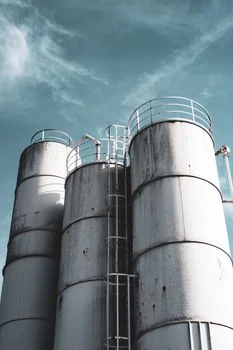
To effectively address the multifaceted wastewater challenges faced by Kolkata's industrial sector, careful selection of robust and efficient treatment equipment is paramount. The following types of equipment are specifically engineered to meet the stringent WBPCB compliance requirements, mitigate operational risks associated with Kolkata's unique environment, and provide long-term economic benefits through water reuse and optimized resource management.
- MBR systems for Kolkata factories needing reuse-quality effluent — MBR technology is ideal for Kolkata's land-constrained environment, offering a compact footprint while producing high-quality effluent suitable for industrial reuse, significantly reducing freshwater demand and operational costs. View specifications, capacity range, and technical data.
- DAF systems for pre-treatment in Kolkata’s food processing and textile industries — Dissolved Air Flotation (DAF) systems are crucial for effective pre-treatment, particularly in industries with high levels of fats, oils, grease (FOG), and suspended solids, such as food processing and textiles. They efficiently remove these pollutants, reducing the load on downstream biological processes and preventing operational issues. View specifications, capacity range, and technical data.
- sludge dewatering solutions to reduce Kolkata’s high disposal costs — Efficient sludge dewatering is critical for managing the solid waste generated during wastewater treatment. Plate and frame filter presses significantly reduce sludge volume, thereby lowering transportation and disposal costs, which are particularly high in Kolkata due to limited landfill space and increasing environmental regulations. View specifications, capacity range, and technical data.
Selecting the right combination of these technologies, often integrated into a customized solution, is key to achieving optimal performance and compliance. Factors such as influent characteristics, desired effluent quality, available space, and budget all play a crucial role in determining the most effective plant design. Need a customized solution? Request a free quote with your specific flow rate and pollutant parameters.
Related Guides and Technical Resources
To further empower Kolkata's industrial facilities with the knowledge and tools necessary for successful wastewater treatment upgrades and continuous compliance, we recommend exploring these in-depth articles. These resources provide detailed insights into specific treatment processes, cost models, and selection guides, offering valuable technical information to support informed decision-making and operational excellence.