Food Processing Wastewater Treatment in UAE: 2026 Engineering Specs, Costs & Zero-Discharge Compliance Guide
Food processing plants in the UAE generate 977–2,800 gallons of high-COD wastewater per ton of product (e.g., dairy, meat, fruits/vegetables), with ADFMC and KEPA mandating effluent limits of <50 mg/L BOD, <100 mg/L TSS, and <10 mg/L FOG. Hybrid DAF-MBR-RO systems achieve 99% water reuse, reducing freshwater costs by 40% while meeting zero-discharge targets for facilities in Abu Dhabi and Dubai.UAE Food Processing Wastewater: Regulatory Compliance and Discharge Limits
Compliance with UAE wastewater regulations is critical for food processing plants to avoid significant penalties and ensure operational continuity. The Abu Dhabi Food Control Authority (ADFMC) and the Sharjah Environment and Protected Areas Authority (KEPA) set specific discharge limits, which often vary by emirate and facility type, alongside federal mandates. ADFMC’s 2025 wastewater guidelines for food plants mandate effluent limits of Biochemical Oxygen Demand (BOD) <50 mg/L, Total Suspended Solids (TSS) <100 mg/L, Fats, Oils, and Grease (FOG) <10 mg/L, and a pH range of 6–9 (ADFMC Circular 2024-11). These standards apply primarily to facilities operating under Abu Dhabi jurisdiction. For plants in Sharjah and Dubai, KEPA imposes stricter limits, including Chemical Oxygen Demand (COD) <125 mg/L, ammonia <10 mg/L, and increasingly, zero-discharge requirements for new permits issued post-2026. This reflects a growing regional emphasis on water conservation and reuse. Federal Law No. 24 of 1999 (as amended) also mandates pretreatment for industrial wastewater across all emirates, with non-compliance risking fines up to AED 500,000 and potential plant shutdowns for repeated violations. The permit application process for industrial wastewater discharge typically spans 6–12 months, requiring a comprehensive Environmental Impact Assessment (EIA) and a detailed wastewater characterization report. Regulatory bodies conduct inspections quarterly for high-risk food processing plants, focusing on continuous monitoring data and operational logs. Facilities must align their treatment strategies with both emirate-specific and federal guidelines to ensure long-term compliance and avoid operational disruptions.| Parameter | ADFMC 2025 Limits (Abu Dhabi) | KEPA 2026 Limits (Sharjah/Dubai) |
|---|---|---|
| BOD | <50 mg/L | <20 mg/L (for reuse) |
| COD | Not specified (implied by BOD) | <125 mg/L |
| TSS | <100 mg/L | <30 mg/L |
| FOG | <10 mg/L | <5 mg/L |
| Ammonia | Not specified | <10 mg/L |
| pH | 6–9 | 6–9 |
| Zero-Discharge | Targeted by 2030 | Required for new permits post-2026 |
Wastewater Characteristics by Food Processing Sector: COD, TSS, and FOG Benchmarks
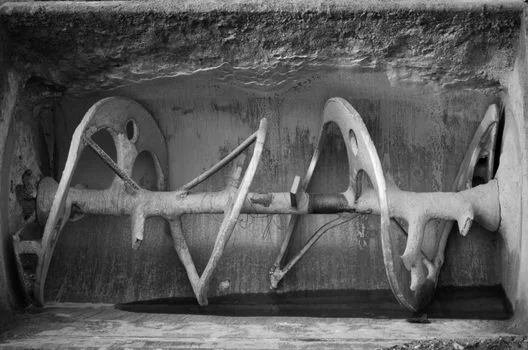
| Food Processing Sector | Typical COD (mg/L) | Typical TSS (mg/L) | Typical FOG (mg/L) | Wastewater Volume (gallons/ton product) |
|---|---|---|---|---|
| Dairy | 1,200–3,500 | 300–800 | 200–500 | N/A |
| Meat/Poultry | 2,000–6,000 | 500–1,500 | 1,000–3,000 | N/A |
| Fruit/Vegetable | 800–2,000 | 100–500 | 50–150 | 977–2,800 |
| Beverage | 500–1,500 | 50–200 | 20–80 | 528–1,849 |
DAF Systems for Food Processing: Sizing, Removal Efficiencies, and UAE Case Studies
Dissolved Air Flotation (DAF) systems are a highly effective pretreatment technology for removing FOG and TSS from industrial wastewater, making them essential for food processing plants in the UAE. HydropureWater's DAF systems achieve 90–98% TSS and 85–95% FOG removal at flow rates ranging from 4–300 m³/h, significantly reducing the load on downstream biological or membrane treatments. A notable case study involves an Abu Dhabi poultry plant that successfully reduced its FOG concentration from 2,500 mg/L to below 10 mg/L using a DAF system combined with precise chemical dosing. This enabled the plant to meet stringent ADFMC discharge limits and avoid surcharges. Sizing a DAF system accurately is crucial for optimal performance; the general formula for DAF system sizing for meat processing and other food applications is Q (m³/h) = (Peak Flow Rate × Safety Factor 1.2) / 24 hours. For example, a meat plant processing 10 tons/day with an average wastewater generation of 100 m³/day (approx. 4.17 m³/h average flow) would require a DAF system sized for a peak flow rate of around 50 m³/h to accommodate operational surges and cleaning cycles. Our DAF systems for FOG and TSS removal in UAE food plants are engineered with advanced micro-bubble technology, generating 30–50 μm bubbles that achieve three times higher flotation efficiency compared to conventional DAF units (per EPA 2023 benchmarks). Optimal performance relies on effective chemical dosing, typically requiring 50–200 ppm coagulant (e.g., polyaluminum chloride - PAC) and 1–5 ppm polymer for efficient flocculation. HydropureWater’s automatic chemical dosing systems integrate seamlessly with DAF units, ensuring precise and consistent chemical addition to maximize contaminant removal.MBR vs. Conventional Activated Sludge: Footprint, Energy Use, and Effluent Quality
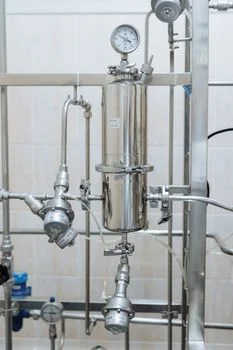
| Parameter | MBR System | Conventional Activated Sludge (CAS) |
|---|---|---|
| Effluent COD | <50 mg/L | 80–120 mg/L |
| Effluent BOD | <10 mg/L | 20–40 mg/L |
| Effluent TSS | <5 mg/L | 10–30 mg/L |
| Footprint | Compact (60% less than CAS) | Large |
| Energy Use | 0.8–1.2 kWh/m³ | 0.4–0.6 kWh/m³ |
| Reuse Potential | High (meets UAE standards) | Requires tertiary treatment |
| Membrane Lifespan | 5–8 years (for PVDF) | N/A |
RO Systems for Water Reuse: Recovery Rates, Fouling Prevention, and Costs
Reverse Osmosis (RO) systems are instrumental in achieving high-purity water for reuse in food processing plants, enabling significant freshwater savings and progress towards zero-discharge targets. RO systems for 95% water recovery in UAE food plants can achieve recovery rates of 75–95% when treating pretreated food processing wastewater, which is considerably higher than the 50–70% typically observed for municipal sewage due to lower initial TDS. Effective fouling prevention is paramount for ensuring the longevity and efficiency of RO membranes. This critically involves robust pretreatment, typically with DAF followed by MBR, to reduce the Silt Density Index (SDI) to <3 and minimize suspended solids, organic matter, and colloidal particles that can irreversibly foul membranes. The energy consumption for brackish water RO, common in food processing wastewater reuse, ranges from 1.5–3 kWh/m³, which is significantly lower than the 4–6 kWh/m³ required for seawater desalination. A Dubai beverage plant successfully reduced its freshwater consumption by 40% by implementing an RO system combined with UV disinfection for treated MBR effluent, demonstrating the economic and environmental benefits of advanced reuse technologies. To further prevent mineral scaling on RO membranes, chemical dosing for DAF and RO fouling prevention typically includes 2–5 ppm of polyacrylic acid as an antiscalant.Hybrid DAF-MBR-RO Systems: Design Specs, CAPEX/OPEX, and Zero-Discharge ROI
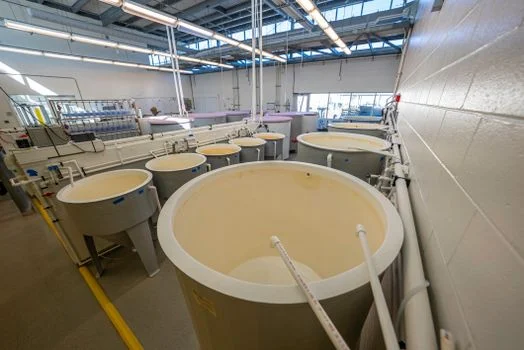
| Component/Metric | DAF System (Pretreatment) | MBR System (Biological/Clarification) | RO System (Polishing/Reuse) | Hybrid System Total (100 m³/h) |
|---|---|---|---|---|
| Typical Flow Rate | 50 m³/h | 100 m³/h | 75 m³/h (recovery) | 100 m³/h influent |
| CAPEX (Approx.) | $300,000 | $600,000 | $400,000 | $1,200,000–$2,000,000 |
| OPEX (per m³) | $0.05–$0.10 | $0.20–$0.30 | $0.25–$0.40 | $0.50–$0.80 |
| Primary Removal | TSS, FOG | BOD, COD, TSS | TDS, Pathogens | Total contaminants |
| Effluent Quality | Reduced FOG/TSS | High-quality (reuse ready) | Ultra-pure (potable/process) | Zero-discharge potential |
| ROI Driver | Reduced disposal costs | Reduced discharge fees | Freshwater savings | Compliance + Savings |
Frequently Asked Questions
Q: What are the penalties for non-compliance with UAE wastewater regulations?
A: Non-compliance with UAE wastewater regulations can result in fines up to AED 500,000 and potential plant shutdowns for repeated violations, as stipulated by ADFMC 2024 guidelines and Federal Law No. 24 of 1999. Timely compliance is crucial to avoid severe operational and financial impacts.
Q: Can MBR systems handle high-FOG wastewater from meat processing?
A: Yes, MBR systems can effectively treat wastewater from meat processing, but they require robust DAF pretreatment to reduce FOG concentrations to below 500 mg/L. A case study from an Abu Dhabi poultry plant demonstrated successful operation of an MBR system after DAF pretreatment, ensuring optimal membrane performance and longevity.
Q: What’s the typical payback period for a DAF system in a UAE food plant?
A: The typical payback period for a DAF system in a UAE food plant is 1.5–3 years. This rapid ROI is primarily driven by significant reductions in wastewater disposal costs, which can range from $1–$3/m³, and avoidance of surcharges for high FOG and TSS discharges.
Q: Are there subsidies for water reuse systems in the UAE?
A: Yes, the UAE government, particularly through initiatives like ADFMC’s 2025 Green Industry Incentives Program, offers grants and subsidies ranging from 30–50% for food processing plants investing in advanced water reuse and zero-discharge systems. These incentives aim to promote sustainable water management practices across the emirates.
Q: How often should RO membranes be replaced in food processing wastewater?
A: RO membranes in food processing wastewater applications typically require replacement every 3–5 years. This lifespan is highly dependent on the efficiency of the upstream pretreatment (DAF and MBR) in preventing fouling, as well as the specific characteristics of the influent water and operational parameters.
Related Equipment
- DAF systems for FOG and TSS removal in UAE food plants — view specifications, capacity range, and technical data
- MBR systems for zero-discharge compliance in UAE food processing — view specifications, capacity range, and technical data
- RO systems for 95% water recovery in UAE food plants — view specifications, capacity range, and technical data
- chemical dosing for DAF and RO fouling prevention — view specifications, capacity range, and technical data
Need a customized solution? Request a free quote with your specific flow rate and pollutant parameters.