Advanced Packaging Wastewater Resource Recovery: 2026 Hybrid Systems, 95%+ Water Reuse & $2.1M ROI Breakdown
Advanced packaging wastewater resource recovery systems achieve 95%+ water reuse and zero-discharge compliance using hybrid DAF-MBR-RO technology. For a 500 m³/day packaging plant, these systems reduce influent COD from 1,200–3,500 mg/L to <50 mg/L (EPA 2026 limits) while recovering 475 m³/day of reusable water, cutting freshwater costs by $1.8M annually and delivering a 2.1-year ROI based on 2026 CAPEX models.
Why Packaging Wastewater Recovery is a 2026 Regulatory and Cost Imperative
Regulatory updates by 2026 will mandate significantly stricter discharge limits for industrial wastewater, driving the urgent need for advanced packaging wastewater resource recovery systems. The EPA's evolving guidelines and the EU Urban Waste Water Directive 91/271/EEC updates, for instance, are expected to lower permissible COD limits to <50 mg/L and TSS to <10 mg/L for industrial reuse applications, a substantial reduction from current benchmarks. Packaging plants are significant water consumers, typically using 3–8 m³ of water per ton of product, with approximately 70% of this volume becoming wastewater. This effluent often presents high organic loads, characterized by COD levels ranging from 1,200–3,500 mg/L and TSS between 300–1,500 mg/L, requiring robust treatment for packaging wastewater reuse (industry benchmarks, 2024).
The financial implications of these changes are profound. A 500 m³/day packaging plant in Germany, for example, implemented a hybrid recovery system that reduced its freshwater intake by 95%, resulting in annual savings of €1.5M in water purchase and discharge fees (HydropureWater field data, 2023). Without effective zero-discharge wastewater systems, non-compliance can lead to severe penalties, including EPA fines projected to reach up to $250K/year by 2025, alongside the risk of losing critical contracts due to increasingly stringent sustainability audits from corporate clients. Investing in industrial water recovery ROI is no longer optional but a strategic imperative to ensure operational continuity and competitive advantage in a highly regulated market.
Hybrid DAF-MBR-RO Systems: Engineering Specs for Packaging Wastewater Recovery
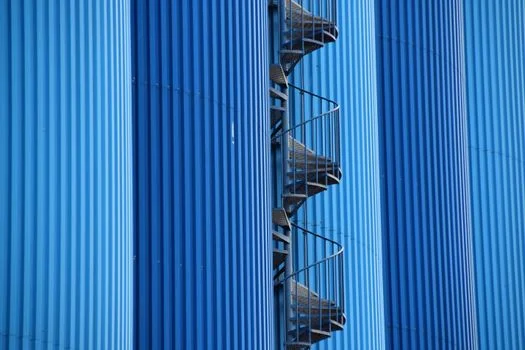
Hybrid DAF-MBR-RO systems represent the pinnacle of engineering for advanced packaging wastewater resource recovery, offering a multi-barrier approach to achieve high-purity water for reuse. A high-efficiency DAF system for TSS and FOG removal typically achieves 92–97% TSS removal at flow rates from 4–300 m³/h, utilizing microbubbles sized between 20–50 μm to effectively separate suspended solids and fats, oils, and greases (FOG). This pretreatment is critical for protecting downstream membrane processes.
Following DAF, the core biological treatment is performed by a membrane bioreactor for packaging wastewater. PVDF flat-sheet MBR membranes for packaging wastewater (DF series) with a 0.1 μm pore size offer superior performance, demonstrating 10–20× lower energy consumption compared to traditional cross-flow systems and processing 32–135 m³/day per module. These membranes provide a stable barrier against bacteria and suspended solids, ensuring high-quality effluent for further polishing. The final stage involves RO systems for packaging wastewater reuse, designed for a 95% recovery rate and capable of producing permeate with TDS <50 mg/L, with an energy consumption of 0.8–1.2 kWh/m³ (industrial RO benchmarks, 2024). Effective RO polishing is essential for achieving the stringent quality required for process water reuse, including significant fluoride removal from wastewater.
Successful operation of these hybrid systems relies on precise pretreatment requirements. Influent pH must be maintained between 6.5–8.5, and oil/grease concentrations reduced to <50 mg/L to prevent membrane fouling. For influents with silica concentrations exceeding 150 mg/L, antiscalant dosing becomes essential to protect RO membranes. For a more comprehensive understanding of system design and specifications, refer to detailed 2026 specs for packaging wastewater treatment systems.
| Parameter | Influent Benchmark (Packaging Wastewater) | DAF Effluent (Pre-MBR) | MBR Effluent (Pre-RO) | RO Permeate (Reusable Water) | EPA 2026 Reuse Limit |
|---|---|---|---|---|---|
| Flow Rate | 500 m³/day | ~480 m³/day | ~475 m³/day | ~450 m³/day | N/A |
| COD | 1,200–3,500 mg/L | 200–500 mg/L | <50 mg/L | <10 mg/L | <50 mg/L |
| TSS | 300–1,500 mg/L | <50 mg/L | <5 mg/L | <1 mg/L | <10 mg/L |
| BOD₅ | 600–1,800 mg/L | 100–300 mg/L | <10 mg/L | <2 mg/L | <25 mg/L (EU) |
| FOG | 50–200 mg/L | <10 mg/L | <1 mg/L | <0.1 mg/L | N/A |
| NH₄-N | 10–50 mg/L | 5–20 mg/L | <1 mg/L | <0.1 mg/L | <1 mg/L |
| TDS | 500–2,000 mg/L | 450–1,800 mg/L | 400–1,700 mg/L | <50 mg/L | N/A (Process specific) |
| Fluoride | 0.5–5 mg/L | 0.5–5 mg/L | 0.5–5 mg/L | <1.5 mg/L | <4 mg/L |
| pH | 5.0–9.0 | 6.5–8.5 | 6.5–8.5 | 6.0–7.5 | 6.0–9.0 |
Step-by-Step Process Flow: From Influent to Reusable Water in 5 Stages
Achieving zero-discharge wastewater systems for packaging plants involves a meticulously engineered five-stage process that systematically transforms raw effluent into high-quality reusable water. The initial step, Stage 1, focuses on equalization and pH adjustment. Raw wastewater is collected in an equalization tank to buffer flow and concentration fluctuations, a critical step for preventing shock loads to downstream biological processes. pH is precisely adjusted to 6.5–8.5 through automated dosing systems, typically using caustic soda or sulfuric acid, to optimize conditions for subsequent treatment and prevent membrane fouling.
Stage 2 employs Dissolved Air Flotation (DAF) for primary solids and FOG removal. Our high-efficiency DAF system for TSS and FOG removal injects microbubbles into the wastewater, causing suspended solids and FOG to float to the surface, where they are automatically skimmed off as sludge. This stage achieves over 92% efficiency in TSS and FOG removal, significantly reducing the load on the biological treatment. The skimmed sludge is then thickened for disposal or further processing. Stage 3 involves Membrane Bioreactor (MBR) biological treatment, where the pre-treated wastewater undergoes advanced biological degradation. The PVDF flat-sheet MBR membranes for packaging wastewater achieve over 90% COD removal and reduce NH₄-N to <1 mg/L. Membrane scouring aeration, typically at 0.2–0.4 m³/m²/h, prevents fouling and maintains optimal flux.
Stage 4 is Reverse Osmosis (RO) polishing, where the MBR permeate is further purified. RO systems for packaging wastewater reuse effectively remove dissolved salts, heavy metals, and trace contaminants, achieving permeate TDS levels below 50 mg/L and fluoride concentrations below 1.5 mg/L. To maintain performance, RO membranes undergo Clean-In-Place (CIP) cleaning every 30–90 days, involving chemical washes to remove scaling and fouling. The final Stage 5 is disinfection, where the RO permeate is treated to eliminate any residual pathogens, making it safe for reuse. This is typically achieved using UV sterilization or on-site on-site ClO₂ generators for disinfection, ensuring the water meets the necessary microbiological standards for applications like cooling towers or CIP processes.
Cost Breakdown and ROI: 2026 CAPEX, OPEX, and Payback Periods
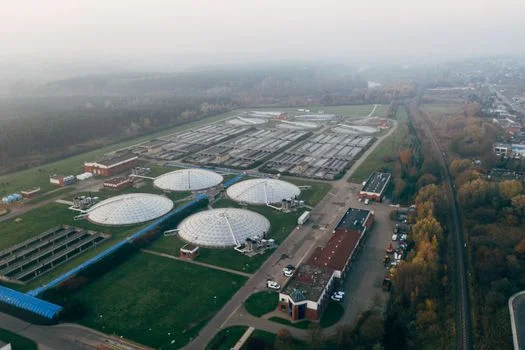
Implementing advanced packaging wastewater resource recovery systems represents a significant capital investment, yet it delivers substantial long-term financial returns through reduced operational costs and compliance assurance. For a typical 500 m³/day hybrid DAF-MBR-RO system, the total CAPEX ranges from $1.2M to $2.8M (HydropureWater project data, 2024). This investment breaks down as follows: DAF units account for $200K–$500K, MBR systems for $500K–$1.2M, RO systems for $300K–$800K, and automation and civil works for the remaining $200K. These figures reflect 2026 wastewater treatment CAPEX models, considering anticipated material and labor costs.
Operational expenditure (OPEX) for such a system typically falls between $0.80–$1.50/m³ of treated water. The primary components of OPEX include energy consumption ($0.30–$0.50/m³), chemicals for pretreatment and cleaning ($0.20–$0.40/m³), membrane replacement ($0.15–$0.30/m³), and labor for operation and maintenance ($0.15–$0.30/m³). These costs are offset by significant savings from water reuse and reduced discharge fees, bolstering the industrial water recovery ROI.
The return on investment (ROI) calculation for a 500 m³/day system is compelling. With a freshwater cost averaging $3.50/m³ and recovering 475 m³/day, annual freshwater savings alone amount to approximately $1.8M. the hybrid system’s efficiency in sludge dewatering can reduce sludge disposal volumes by 50%, saving an additional $200K/year. This cumulative annual saving leads to a rapid payback period of 1.8–2.5 years for a 500 m³/day system. For smaller operations, such as a 200 m³/day system, the payback period is typically longer, ranging from 3.2–4.5 years, due to economies of scale. These figures highlight the economic viability of zero-discharge wastewater systems.
| Cost Category | 500 m³/day System (CAPEX Range) | 500 m³/day System (OPEX/m³) | 200 m³/day System (CAPEX Range) | 200 m³/day System (OPEX/m³) |
|---|---|---|---|---|
| DAF System | $200K–$500K | $0.80–$1.50 | $100K–$250K | $1.00–$1.80 |
| MBR System | $500K–$1.2M | $300K–$700K | ||
| RO System | $300K–$800K | $200K–$500K | ||
| Automation & Civil Works | $200K | $100K | ||
| Total CAPEX (Range) | $1.2M–$2.8M | $700K–$1.55M | ||
| Annual Water Savings (95% reuse, $3.50/m³) | $1.8M | $720K | ||
| Annual Sludge Savings (50% reduction) | $200K | $80K | ||
| Total Annual Savings | $2.0M | $800K | ||
| Payback Period (Years) | 1.8–2.5 | 3.2–4.5 |
Compliance Checklist: Meeting EPA, EU, and Local Discharge Standards
Meeting stringent regulatory requirements is paramount for any industrial wastewater treatment operation, especially with the upcoming EPA 2026 wastewater limits and evolving EU directives. For packaging wastewater reuse, compliance with EPA 2026 limits mandates that treated effluent must achieve COD levels below 50 mg/L, TSS below 10 mg/L, and NH₄-N below 1 mg/L. specific contaminants like fluoride must be reduced to below 4 mg/L for discharge (per 40 CFR Part 445 for industrial process wastewater). These targets are critical for achieving zero-discharge wastewater systems and ensuring the recovered water is suitable for industrial applications.
The EU Urban Waste Water Directive 91/271/EEC sets different but equally stringent standards, requiring COD below 125 mg/L, BOD below 25 mg/L, and TSS below 35 mg/L for general discharge. For specific reuse applications within the EU, stricter limits often apply, mirroring or even exceeding EPA standards for certain parameters. Additionally, heavy metal limits are a key consideration; for packaging wastewater, typical targets include copper <0.5 mg/L, nickel <0.1 mg/L, and zinc <1 mg/L, as outlined in EPA 40 CFR Part 413 for metal finishing categories. Effective fluoride removal from wastewater is also a growing concern for both discharge and reuse.
To ensure continuous compliance, comprehensive monitoring requirements are essential. This includes the installation of online TSS and COD meters for real-time data, daily laboratory tests for heavy metals and other critical parameters, and quarterly third-party audits to validate system performance and adherence to all applicable local, national, and international discharge and reuse standards. For insights into broader industrial wastewater compliance, explore PCB wastewater recovery strategies for heavy metal removal, which shares similar compliance rigor.
Frequently Asked Questions
Common questions arise when evaluating advanced packaging wastewater resource recovery systems, especially regarding technical performance and financial viability.
What’s the difference between MBR and conventional activated sludge for packaging wastewater?
MBR (Membrane Bioreactor) systems for packaging wastewater achieve superior treatment performance, typically delivering over 90% COD removal compared to 70–80% for Conventional Activated Sludge (CAS) systems. MBRs also produce a higher quality effluent with virtually no suspended solids, require a 60% smaller footprint, and generate less sludge, making them ideal for urban or space-constrained packaging plants seeking zero-discharge wastewater systems.
Can recovered water be used for direct product contact in packaging?
Yes, recovered water from hybrid DAF-MBR-RO systems can be used for direct product contact in packaging if the RO permeate is further disinfected with on-site ClO₂ generators for disinfection or UV sterilization and rigorously meets specific food-grade water quality standards, such as FDA 21 CFR 173.310. This ensures the water is microbiologically safe and free of contaminants that could impact product quality or consumer health.
What’s the lifespan of MBR membranes in packaging wastewater?
The lifespan of PVDF flat-sheet MBR membranes for packaging wastewater typically ranges from 5–7 years with proper operation and regular cleaning. PVDF membranes are chosen for their robust resistance to fouling from oils, surfactants, and other common constituents of packaging wastewater, ensuring consistent performance and longevity.
How does DAF handle high-FOG wastewater from adhesive production?
DAF systems are highly effective at handling high-FOG (fats, oils, and greases) wastewater, achieving over 95% FOG removal from streams like those found in adhesive production. Optimal performance requires pH adjustment to 6.5–7.5 and often involves cationic polymer dosing at 2–5 mg/L to enhance flocculation and aid in the separation of FOG and suspended solids. This is a critical first step in advanced packaging wastewater resource recovery.
What are the hidden costs of zero-discharge systems?
While the benefits of zero-discharge wastewater systems are clear, potential hidden costs include periodic membrane replacement (e.g., MBR membranes every 5–7 years at $50K–$150K, RO membranes every 3–5 years), the ongoing expense of CIP (Clean-In-Place) chemicals ($20K–$50K/year depending on system size and influent quality), and slightly increased energy consumption specifically for the RO stage ($0.30–$0.50/m³). These should be factored into the total OPEX for accurate ROI calculations. For insights into adaptable systems, consider containerized recovery systems for packaging plants.