Why Port Elizabeth Hospitals Need Dedicated Wastewater Treatment
Hospital wastewater in Port Elizabeth requires treatment to meet Department of Water Affairs (DWA) discharge limits of <50 mg/L COD, <10 mg/L ammonia, and <1,000 CFU/100mL fecal coliforms (DWA 2023). With municipal WWTPs unequipped for medical effluent, on-site systems like MBR (99.9% pathogen removal) or electrocoagulation (95% pharmaceutical reduction) are critical. This guide provides 2026 engineering specs, local compliance requirements, and zero-risk equipment selection criteria for hospitals in the Eastern Cape.
The Department of Water Affairs (DWA) 2023 revised standards mandate that medical facilities in the Nelson Mandela Bay Municipality (NMBM) implement rigorous on-site pre-treatment before discharging into the municipal grid. Failure to meet these limits—specifically the <1,000 CFU/100mL fecal coliform threshold—subjects facility managers to administrative fines exceeding ZAR 500,000 per violation or potential criminal prosecution under the National Water Act. These regulations are increasingly strictly enforced as the City of Gqeberha struggles with aging infrastructure; a 2024 report indicated that several municipal wastewater treatment plants (WWTPs) are operating at 140% capacity, leaving them unable to neutralize the complex chemical loads present in medical effluent.
Recent environmental data highlights the urgency of this transition. A 2023 Nelson Mandela University study on eutrophication confirmed that untreated hospital effluent is a primary contributor to harmful algal blooms in Algoa Bay, threatening both local marine biodiversity and the city’s tourism economy. Public awareness has also spiked following widely circulated footage of raw sewage spills at Hobbie Beach, which has pressured the NMBM to audit all large-scale industrial and medical water users. For facility managers, the choice is no longer between treating or not treating, but between proactive compliance and reactive crisis management.
Case Example: In 2025, Livingstone Hospital underwent a comprehensive upgrade, replacing a failing traditional system with an advanced MBR system for hospital wastewater treatment in Port Elizabeth. The upgrade addressed an influent COD of 450 mg/L, successfully reducing it to <30 mg/L in the final effluent. This intervention allowed the facility to avoid an estimated ZAR 1.2M in annual municipal surcharges and environmental fines while ensuring zero-risk discharge into the municipal line.
Hospital Wastewater Characteristics: What Makes It Different
Hospital effluent in the Eastern Cape typically exhibits chemical oxygen demand (COD) concentrations ranging from 300 to 800 mg/L, significantly exceeding the 250 mg/L average of standard domestic sewage. This elevated organic load is compounded by the presence of "emerging contaminants"—pharmaceutical residues such as ciprofloxacin (12–45 µg/L) and acetaminophen (5–20 µg/L)—which persist through conventional biological treatment processes. Unlike domestic waste, medical effluent is a reservoir for antibiotic-resistant genes (ARGs) and highly infectious pathogens that require specialized oxidation or membrane filtration to neutralize.
Flow variability presents a significant engineering challenge for Port Elizabeth facilities. Per data from the 2024 Nelson Mandela Bay infrastructure audit, local hospitals generate between 200 and 400 liters of wastewater per bed per day. However, this flow is not uniform; diurnal patterns show sharp peaks during shift changes (typically 06:00–08:00 and 18:00–20:00) when sterilization, laundry, and patient hygiene activities coincide. These surges can overwhelm small-scale treatment plants if equalization tanks are not correctly sized to handle 4–6 hours of peak hydraulic load.
Temperature and pH fluctuations further complicate the biological treatment of medical waste. Effluent temperatures in Port Elizabeth hospitals fluctuate between 18°C and 30°C depending on the use of industrial-scale laundry and boiler systems, while pH levels vary from 6.5 to 8.5. For engineers designing hybrid systems for high-COD hospital effluent, maintaining a stable microbial environment requires automated pH correction and robust thermal management to prevent biomass shock.
| Parameter | Hospital Influent (PE Range) | DWA 2023 Discharge Limit | Municipal Pre-treatment Goal |
|---|---|---|---|
| COD (mg/L) | 300 – 800 | < 50 | < 75 |
| BOD₅ (mg/L) | 50 – 200 | < 10 | < 20 |
| Ammonia (mg/L) | 25 – 60 | < 10 | < 15 |
| Fecal Coliforms (CFU/100mL) | 10⁶ – 10⁸ | < 1,000 | < 1,000 |
| Ciprofloxacin (µg/L) | 12 – 45 | Not Regulated* | < 1.0 |
*Note: While not currently regulated by DWA, pharmaceutical limits are expected in the 2028 update.
Treatment Technology Comparison: MBR vs. Electrocoagulation vs. Activated Sludge
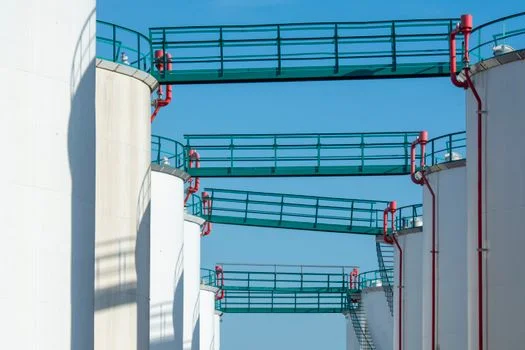
Membrane Bioreactor (MBR) technology is the current gold standard for South African medical facilities due to its ability to achieve 99.9% pathogen removal without intensive chemical dosing. By combining biological degradation with microfiltration or ultrafiltration membranes, MBR systems produce effluent with <10 mg/L BOD, making the water suitable for non-potable reuse in cooling towers or landscape irrigation. The primary engineering trade-off is membrane fouling; in Port Elizabeth’s hard-water conditions, membranes require a structured cleaning-in-place (CIP) protocol every 3–6 months to maintain permeate flux.
Electrocoagulation (EC) has emerged as a superior solution for the removal of pharmaceutical residuals and heavy metals. By using sacrificial anodes to destabilize suspended solids and emulsified oils, EC can achieve a 95% reduction in pharmaceutical concentrations and an 85% reduction in COD. For facilities like Dora Nginza Hospital, which implemented an EC system in 2025, the technology reduced ciprofloxacin levels from 35 µg/L to <1 µg/L. However, EC requires precise pH adjustment and incurs higher OPEX due to electrode replacement costs and electricity consumption (typically 0.5–1.5 kWh/m³).
Activated Sludge with extended aeration remains a viable low-CAPEX option for smaller clinics, provided it is paired with advanced tertiary disinfection. While it can achieve 97% BOD removal when operated at a flow rate of 3 L/s with 0.5 ppm residual chlorine, it struggles with pharmaceutical persistence and is prone to sludge bulking during flow surges. For modern Eastern Cape requirements, activated sludge is often relegated to a pre-treatment role before MBR or EC stages.
| Feature | MBR Systems | Electrocoagulation (EC) | Activated Sludge (AS) |
|---|---|---|---|
| Pathogen Removal | 99.9% (Physical Barrier) | 90% (Oxidation/Floc) | < 80% (Requires ClO₂) |
| Pharma Removal | Moderate (30-50%) | High (90-95%) | Low (< 20%) |
| Footprint | Compact (Smallest) | Medium | Large (Clarifiers Needed) |
| Maintenance | Membrane Cleaning | Electrode Replacement | Sludge Management |
| Primary Risk | Membrane Fouling | Passivation of Electrodes | Sludge Bulking |
For smaller regional clinics, compact ozone-based systems for small hospitals and clinics offer a simplified alternative, providing high-level disinfection with a much smaller mechanical footprint than traditional biological plants.
Port Elizabeth Compliance Checklist: DWA 2023 and Municipal Requirements
Compliance for hospital wastewater in the Eastern Cape is governed by a dual-layer regulatory framework: the national DWA 2023 standards and the Nelson Mandela Bay Municipality (NMBM) Water Services Bylaws. Facility managers must maintain a "Permit to Discharge Trade Effluent" for any flow exceeding 10 m³/day. This permit requires a detailed site plan, a description of the treatment process, and a commitment to quarterly effluent testing by a SANAS-accredited laboratory. Failure to provide these test results during a municipal inspection can result in immediate "Red Flag" status, leading to water service restrictions.
Disinfection is the most critical compliance pillar for medical facilities. The DWA mandates a residual chlorine level of 0.3–0.5 ppm at the point of discharge. However, many engineers are moving away from liquid bleach due to its instability and the formation of harmful trihalomethanes (THMs). Instead, on-site chlorine dioxide generators for hospital effluent disinfection are becoming the regional standard. Chlorine dioxide (ClO₂) is more effective than chlorine at high pH and does not react with ammonia, ensuring a more consistent pathogen kill rate in hospital-specific effluent.
Finally, sludge disposal must be handled as hazardous waste. Unlike municipal sludge, hospital sludge often contains high concentrations of pathogens and chemical residues. In the Eastern Cape, this sludge must be dewatered and transported by a licensed hazardous waste contractor to an approved Class A landfill site. Facility managers should maintain a manifest of all sludge removals to prove compliance during DWA audits. This process is similar to how Morocco’s hospitals comply with EU-equivalent discharge limits, where cradle-to-grave waste tracking is mandatory.
Cost Breakdown: CAPEX and OPEX for Hospital Wastewater Treatment in Port Elizabeth
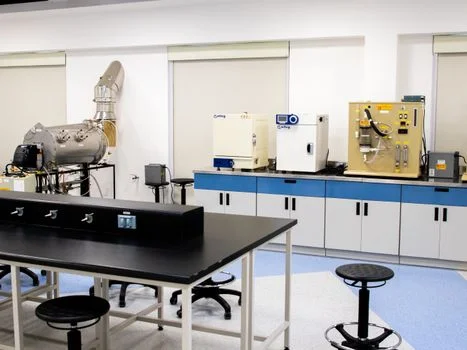
Budgeting for a hospital wastewater system in 2026 requires accounting for South African inflationary pressures and local utility tariffs. For a 50 m³/day system—sufficient for a medium-sized hospital—the CAPEX range for a turnkey MBR or EC plant is ZAR 1.2M to ZAR 2.8M. MBR systems typically sit at the higher end of this range due to the cost of membrane modules, while activated sludge systems are cheaper but require significantly more land, which may not be available in urban areas like Gqeberha Central or Newton Park.
OPEX is driven primarily by electricity and specialized labor. With electricity tariffs in Port Elizabeth projected at ZAR 2.10/kWh for 2026, energy-efficient blowers and automated controls are essential for ROI. Labor costs for a certified Class V operator—required for complex MBR or EC plants—average ZAR 350 per hour. When these factors are combined with chemical consumables and sludge disposal fees (ZAR 1,200/ton), the total operating cost typically falls between ZAR 0.80 and ZAR 1.50 per cubic meter of treated water.
| Cost Element | MBR System (50 m³/day) | EC System (50 m³/day) | AS System (50 m³/day) |
|---|---|---|---|
| Est. CAPEX (ZAR) | 2.2M – 2.8M | 1.8M – 2.4M | 1.2M – 1.6M |
| Power Consumption | 1.2 – 1.8 kWh/m³ | 0.8 – 1.5 kWh/m³ | 0.5 – 0.9 kWh/m³ |
| Annual Maintenance | ZAR 85,000 | ZAR 110,000 | ZAR 45,000 |
| Sludge Disposal | Low (High Solids) | Moderate | High (High Volume) |
| ROI Period | 3.2 Years | 3.8 Years | 5.5 Years* |
*ROI for Activated Sludge is longer due to potential fines and lack of water reuse capability.
The ROI calculation for Dora Nginza Hospital’s MBR system demonstrated a 3.2-year payback period. This was achieved by eliminating municipal "over-limit" surcharges and repurposing 40% of the treated effluent for toilet flushing and laundry pre-wash, significantly reducing the facility’s monthly water bill. This financial model mirrors Florida’s strict hospital effluent standards and enforcement, where water reuse is the primary driver for CAPEX justification.
Zero-Risk Equipment Selection: A Decision Framework for Port Elizabeth Hospitals
Selecting the right equipment requires a systematic evaluation of five critical factors. First, engineers must perform a 7-day composite sampling of the hospital’s influent to determine the peak organic load and the specific pharmaceutical profile. This data determines whether a purely biological system (MBR) is sufficient or if an electrochemical stage (EC) is required for chemical neutralization. Sizing must be based on peak diurnal flow, not daily averages, to prevent hydraulic washout.
Second, the physical footprint must be evaluated. In land-constrained areas like Port Elizabeth’s medical precincts, an underground integrated sewage treatment system is often the only viable option. These systems minimize odor and noise while freeing up surface area for parking or facility expansion. For newer builds with dedicated utility space, skid-mounted MBR units offer easier maintenance access and modular scalability.
Third, local vendor support is non-negotiable. A treatment plant is only as reliable as its nearest technician. Ensure the equipment provider offers a 24-hour response time and stocks critical spares—such as membrane modules, pH probes, and dosing pumps—within the Eastern Cape. Finally, before final commissioning, a 30-day pilot trial should be conducted to validate that the effluent consistently meets DWA 2023 limits under real-world hospital load variations.
Frequently Asked Questions
What are the specific DWA 2023 limits for hospital wastewater in Port Elizabeth?
The DWA 2023 General Authorization limits for medical effluent discharged into water resources or municipal sewers require COD <50 mg/L, Ammonia <10 mg/L, and Fecal Coliforms <1,000 CFU per 100mL. Hospitals in Nelson Mandela Bay must also comply with municipal bylaws that often set stricter local limits on heavy metals and specific pharmaceutical compounds.
Why is MBR preferred over traditional activated sludge for hospitals?
MBR (Membrane Bioreactor) is preferred because it uses a physical membrane barrier that provides 99.9% pathogen removal and total suspended solids (TSS) elimination. Traditional activated sludge relies on gravity settling, which is less reliable for medical effluent containing high levels of disinfectants that can disrupt sludge settling, leading to non-compliance.
How does electrocoagulation remove pharmaceuticals from medical waste?
Electrocoagulation uses electricity to release metal cations from sacrificial anodes (usually aluminum or iron). These cations neutralize the charges on pharmaceutical molecules and other contaminants, causing them to clump together (flocculate) so they can be easily filtered out. It is particularly effective for removing antibiotics like ciprofloxacin that biological systems struggle to break down.
Is on-site water reuse legal for South African hospitals?
Yes, provided the treated water meets SANS 241 standards for non-potable use. Many hospitals in the Eastern Cape reuse treated effluent for irrigation, cooling towers, and toilet flushing. This requires a high-quality treatment process like MBR followed by UV or chlorine dioxide disinfection to ensure the water is safe for human contact.