Why Tokyo Hospitals Need Advanced Wastewater Treatment
Tokyo Metropolitan Government Ordinance No. 154 (2023) mandates that hospital wastewater must undergo specific treatment to mitigate antimicrobial-resistant bacteria (ARB) and pharmaceutical residues, setting strict discharge limits of COD ≤30 mg/L, BOD ≤20 mg/L, and coliforms ≤3,000 CFU/mL. For facility managers, these regulations represent a shift from traditional disinfection to advanced oxidation and filtration. Failure to comply is not merely a regulatory oversight; it carries significant financial and reputational weight. In 2024, a hospital in Shibuya was fined ¥10M ($68K USD) following repeated coliform violations, highlighting the Tokyo Metropolitan Government's aggressive enforcement of effluent quality in densely populated urban wards.
The public health risk driving these mandates is the proliferation of antimicrobial resistance (AMR) in the urban water cycle. A 2025 metagenomic study of untreated Tokyo hospital wastewater identified concentrations of ARB ranging from 10^6 to 10^8 CFU/mL. Unlike standard municipal sewage, hospital effluent contains concentrated loads of antimicrobial resistance genes (ARGs) such as blaCTX-M and mecA. When discharged without advanced treatment, these genes can transfer to environmental bacteria via horizontal gene transfer, accelerating resistance in Tokyo’s waterways. This ecological impact is why international benchmarks, such as Morocco’s approach to AMR in hospital effluent, are increasingly being studied by Japanese environmental engineers to refine local protocols.
Beyond microbial threats, the persistence of pharmaceuticals like azithromycin and levofloxacin in the effluent poses a long-term risk to aquatic ecosystems. Traditional secondary treatment systems often fail to degrade these complex organic molecules. Consequently, Tokyo hospitals are now required to implement systems capable of achieving high-log reduction of both pathogens and chemical residues to ensure compliance with the 2026 environmental quality standards.
Ozone-UV Systems: Engineering Specs and Performance Data
Continuous flow ozonation systems operating at a flow rate of 20 L/min within 1 m³ reaction tanks have demonstrated the highest efficacy in neutralizing antimicrobial-resistant genes in Japanese clinical settings. For engineers evaluating a compact ozone disinfection system for hospitals, the process requires precise control over ozone dosage, typically maintained between 5–10 mg/L. This dosage ensures that even recalcitrant pharmaceutical compounds are oxidized through the generation of hydroxyl radicals. Performance data from 2025 pilot studies indicate that this configuration achieves a removal rate of >99% for azithromycin and doxycycline, and between 90–97% for levofloxacin and vancomycin.
Post-ozone treatment, the integration of UV-LED modules provides a secondary barrier against microbial regrowth. These modules utilize a 254 nm wavelength with a fluence of 40 mJ/cm², achieving 99.9% bacterial inactivation (HydropureWater field data, 2025). A critical innovation in these systems is the excess ozone recirculation loop. By returning unused ozone exhaust gas from the gas phase back into the reaction tank, the system inhibits biofilm formation on tank walls and UV sleeves, which typically degrades disinfection efficiency over time. This design is particularly effective for treating hybrid systems for high-COD hospital wastewater where organic loading might otherwise interfere with UV penetration.
| Parameter | Engineering Specification | Performance Benchmark |
|---|---|---|
| Flow Rate | 20 L/min (Continuous Flow) | Standardized for 300-bed facilities |
| Ozone Dosage | 5–10 mg/L | >99% Azithromycin removal |
| UV Wavelength/Fluence | 254 nm / 40 mJ/cm² | 99.9% Bacterial inactivation |
| Reaction Tank Volume | 1.0 m³ | 10–15 min contact time |
| Operating pH Range | 6.5 – 8.5 | Optimal for radical generation |
| Biofilm Inhibition | Exhaust gas recirculation | Reduces maintenance by 30% |
To maintain these removal rates, the system must operate within a temperature range of 10–30°C. Lower temperatures can decrease the reaction kinetics of ozone, while higher temperatures reduce ozone solubility. Modern PLC-controlled systems monitor these variables in real-time, adjusting the ozone generator output to maintain the target oxidation-reduction potential (ORP), ensuring that the effluent consistently meets the Tokyo Metropolitan Government's stringent 2026 draft standards.
MBR vs. Ozone-UV vs. Chlorine Dioxide: Which System Fits Your Hospital?
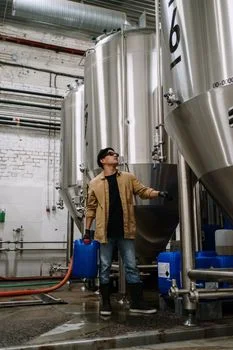
Membrane Bioreactor (MBR) systems utilize 0.1 μm ultrafiltration membranes to achieve COD removal rates of 95–98%, making them the preferred choice for Tokyo hospitals with severe space constraints. Because MBR combines biological treatment and membrane filtration in a single footprint, it is often 60% smaller than a comparable ozone-UV setup. For procurement teams, MBR systems for space-constrained urban hospitals provide a high-clarity effluent that is ideal for non-potable reuse, such as cooling tower make-up or landscape irrigation, which can significantly offset municipal water costs.
In contrast, chlorine dioxide (ClO₂) systems remain a viable option for budget-conscious clinics. Utilizing on-site ClO₂ generators for budget-conscious clinics with capacities of 50–200 g/h, these systems offer powerful disinfection with lower initial CAPEX. However, ClO₂ is less effective at degrading pharmaceutical residues compared to ozone and can form disinfection byproducts (DBPs) if the incoming wastewater has high organic loading. While Ozone-UV systems have a higher OPEX (¥3–5/m³) due to energy consumption (0.5–1 kWh/m³), they are the only technology currently proven to meet the 2026 AMR removal thresholds consistently.
| Technology | Primary Strength | AMR Removal | Footprint | Relative OPEX |
|---|---|---|---|---|
| Ozone-UV | Pharmaceutical degradation | Highest (>99%) | Moderate | High |
| MBR | Solids/COD removal | High (90-95%) | Compact | Moderate |
| ClO₂ | Low initial cost | Moderate (80-85%) | Small | Moderate-High |
| Hybrid (MBR+Ozone) | Zero-Liquid Discharge | Absolute (>99.9%) | Large | Very High |
The decision framework for Tokyo facility managers often depends on the hospital's specific medical services. Infectious disease wards or facilities with large oncology departments (producing high levels of cytotoxic drugs) typically require the advanced oxidation capabilities of Ozone-UV. Conversely, general outpatient clinics or psychiatric facilities may find the MBR system's balance of space efficiency and COD reduction more aligned with their operational needs. Understanding how Orlando hospitals comply with U.S. EPA standards provides a useful technical parallel, as both jurisdictions are moving toward mandatory monitoring of specific pharmaceutical tracers.
Tokyo Regulatory Compliance Checklist for Hospital Wastewater
Tokyo Ordinance No. 154 requires all medical facilities discharging more than 50 m³ per day to maintain a rigorous self-monitoring program and adhere to specific effluent thresholds. Compliance is not a one-time installation but an ongoing operational requirement. Facility managers must ensure that their systems are not only capable of meeting these limits but are also equipped with the data-logging capabilities required for annual reporting to the Tokyo Metropolitan Government Bureau of Environment.
- Discharge Thresholds: Ensure effluent consistently tests below COD ≤30 mg/L, BOD ≤20 mg/L, TSS ≤30 mg/L, and coliforms ≤3,000 CFU/mL.
- AMR Monitoring: Facilities with >200 beds must perform quarterly metagenomic testing for specific ARGs, including blaCTX-M and mecA.
- Pharmaceutical Tracers: Verify that treatment processes reduce azithromycin to ≤0.1 μg/L and levofloxacin to ≤0.5 μg/L, per the 2026 draft standards.
- Permitting: Confirm that on-site treatment systems have received specific approval from the Tokyo Metropolitan Government; centralized sewerage discharge requires a pre-treatment permit.
- Monitoring Frequency: Establish a protocol for daily pH and ORP monitoring, weekly COD/BOD testing, and monthly fecal coliform counts.
- Emergency Protocols: Maintain a 24-hour bypass or storage capacity to prevent untreated discharge during system maintenance or power failures.
The shift toward metagenomic testing represents a significant change in how compliance is measured. Rather than simply counting total bacteria, regulators are looking at the genetic potential for resistance. This requires hospitals to partner with laboratories capable of high-throughput sequencing. Implementing a robust self-monitoring program is the most effective way to avoid the fines that have recently targeted facilities in the Minato and Shinjuku wards.
Cost Breakdown: CAPEX, OPEX, and ROI for Tokyo Hospital Systems
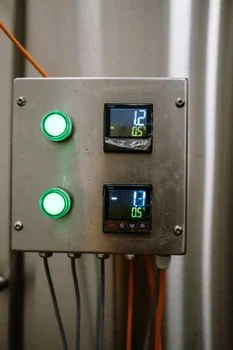
The CAPEX for an Ozone-UV system capable of treating 20 m³/h typically ranges from ¥15M to ¥25M ($100–170K USD), depending on the level of automation and sensor integration. While the initial investment is significant, the ROI is driven by the avoidance of heavy regulatory fines and the reduction of sewer surcharges. In Tokyo, hospitals discharging effluent with high COD levels into the public sewer system can face surcharges ranging from ¥500 to ¥1,000 per cubic meter. By treating on-site to high-quality standards, facilities can eliminate these surcharges entirely.
MBR systems represent a higher initial CAPEX (¥20–30M) but often feature lower OPEX because they do not require constant chemical dosing. The primary cost driver for MBR is membrane replacement every 5–7 years and the energy required for aeration. For hospitals looking to maximize ROI, the Tokyo Metropolitan Government offers subsidies covering up to 50% of the CAPEX for systems specifically designed to target AMR and pharmaceutical residues. This makes advanced systems like Ozone-UV much more accessible for private medical groups.
| Cost Component | Ozone-UV (20 m³/h) | MBR (20 m³/h) | ClO₂ (20 m³/h) |
|---|---|---|---|
| CAPEX (Initial) | ¥15M – ¥25M | ¥20M – ¥30M | ¥8M – ¥12M |
| Annual OPEX | ¥2M – ¥4M | ¥1.5M – ¥3M | ¥3M – ¥5M |
| Energy Demand | 0.5 – 1.0 kWh/m³ | 0.3 – 0.6 kWh/m³ | 0.1 – 0.2 kWh/m³ |
| Chemical Costs | Negligible | Low (Cleaning) | High (Precursors) |
| Est. ROI (Years) | 3.5 – 5.0 | 4.0 – 6.0 | 2.0 – 3.0 |
Operational costs for ClO₂ systems are heavily influenced by the price of sodium chlorite and hydrochloric acid. While the CAPEX is low, the cumulative chemical costs over five years often exceed the total cost of an Ozone-UV system. water reuse savings (approximately ¥300/m³ in central Tokyo) can drastically shorten the ROI period for MBR and Ozone-UV systems, as the high-quality effluent can be repurposed for non-potable hospital utilities.
Implementation Roadmap: From Audit to Operation in 6 Months
A successful wastewater system implementation in a Tokyo hospital environment requires a structured 6-month timeline to navigate both engineering and regulatory hurdles. The process begins with a comprehensive wastewater audit, establishing a baseline for flow rates, COD/BOD levels, and AMR presence. This data is critical for sizing the equipment correctly; under-sizing a system to save on CAPEX is a common pitfall that leads to immediate compliance failure once the system is under full load.
- Month 1: Audit & Analysis: Conduct a 24-hour composite sampling to determine peak flow and contaminant concentrations. Perform a regulatory gap analysis against Tokyo Ordinance No. 154.
- Month 2: Selection & RFP: Evaluate Ozone-UV vs. MBR based on the audit data. Issue RFPs to vendors with proven Japanese medical track records.
- Month 3-4: Permitting & Civil Works: Submit plans to the Tokyo Metropolitan Government Bureau of Environment. Begin site preparation, including tank installation and piping modifications.
- Month 5: Commissioning: Install the equipment and begin a 7-day performance validation trial. Train hospital engineering staff on system operation and emergency bypass procedures.
- Month 6: Full Operation: Launch the self-monitoring program. Perform the first round of metagenomic testing to establish the "post-treatment" AMR baseline.
Common pitfalls during implementation include neglecting the annual replacement of UV lamps or failing to calibrate ozone sensors, both of which can lead to a "silent" failure where the system appears to be running but is not achieving target disinfection levels. Staff training is equally vital; operators must understand how to interpret AMR testing protocols and when to adjust ozone output based on fluctuations in hospital occupancy or seasonal changes in wastewater temperature.
Frequently Asked Questions
What are the specific AMR discharge limits for Tokyo hospitals in 2026?While traditional limits focus on coliforms (≤3,000 CFU/mL), the 2026 draft standards introduce monitoring for specific antimicrobial-resistant genes (ARGs) such as blaCTX-M and pharmaceutical residues like azithromycin (≤0.1 μg/L). Hospitals with over 200 beds are expected to demonstrate at least a 2-log reduction (>99%) in these markers compared to untreated influent.
How does Ozone-UV compare to traditional chlorination for AMR removal?Traditional chlorination is often ineffective against certain resistant strains and does not degrade pharmaceutical residues. Ozone-UV systems use hydroxyl radicals to break down complex organic molecules and DNA, achieving >99% removal of ARGs and antibiotics, which chlorine cannot achieve at standard dosages without creating harmful disinfection byproducts.
Are there subsidies available for Tokyo hospitals to upgrade wastewater systems?Yes, the Tokyo Metropolitan Government provides subsidies for "Advanced Environmental Infrastructure," which can cover up to 50% of the CAPEX for systems targeting AMR and pharmaceutical residues. Eligibility usually requires the facility to provide detailed performance data and adhere to the latest 2023/2024 environmental ordinances.
What is the typical maintenance schedule for a hospital Ozone-UV system?Standard maintenance includes monthly calibration of ozone sensors and ORP probes, quarterly inspection of the ozone generator’s dielectric tubes, and annual replacement of UV-LED lamps. The excess ozone recirculation system significantly reduces the frequency of manual tank cleaning by preventing biofilm buildup on internal surfaces.