Mosul’s Wastewater Crisis: Why Standard Treatment Fails
Mosul’s industrial and municipal wastewater treatment requires equipment that meets Iraq’s 2023 EPA discharge limits (Pb ≤0.1 ppm, Cd ≤0.01 ppm, COD ≤150 mg/L) while addressing post-conflict challenges like power instability (4–6 outages/day) and heavy metal contamination (Pb spikes up to 8.66 ppm in local factories). Top suppliers offer MBR systems for pathogen removal (99% efficiency), DAF for FOG/heavy metals, and SBR for cost-sensitive projects, with CAPEX ranging from $150K for small DAF units to $2M+ for large-scale MBR plants. This guide provides a zero-risk selection framework, supplier shortlist, and engineering specs to ensure compliance and operational resilience.
The urgency for specialized equipment in Mosul is best illustrated by a recent case at an intravenous solutions factory. The facility faced immediate closure after local authorities detected Lead (Pb) levels of 8.2 ppm—82 times the legal limit. Standard biological treatment failed because heavy metals are toxic to the bacteria required for organic breakdown. Success was only achieved after implementing a multi-stage system utilizing nano-activated carbon and chemical precipitation, which brought Pb levels down to 0.05 ppm. This is not an isolated incident; University of Mosul research confirms that industrial outflows in the region frequently show Lead concentrations up to 8.66 ppm and Cadmium (Cd) between 0.03 and 0.21 ppm.
Beyond chemical complexity, Mosul’s infrastructure presents a physical challenge to wastewater operations. The local power grid is notoriously unstable, averaging 4 to 6 outages daily. For a standard activated sludge plant, these outages are catastrophic. Without continuous aeration, the biomass (the "bugs" that eat waste) dies or washes out of the system. Studies from 2010 on the General Mosul Hospital’s biological unit showed that recovery from such outages can take weeks, during which the hospital discharges untreated, pathogen-rich water into the Tigris. while the Municipal Hybrid Power plant serves over 1 million residents, it is not designed to handle the high Chemical Oxygen Demand (COD) and heavy metal loads of the industrial sector. This makes on-site pretreatment mandatory for any factory wishing to avoid the IQD 50M fines now being enforced by the Ministry of Environment.
Post-conflict constraints also mean that complex, chemical-heavy systems often fail due to supply chain delays. When a shipment of specialized polymers is delayed at the border, the treatment plant stops working. For Mosul, the most resilient equipment choices are modular, low-maintenance systems that incorporate automated recovery protocols and high-efficiency physical separation stages to mitigate the risks of both power loss and chemical shortages.
Iraq EPA 2023 Discharge Limits: What Mosul Buyers Must Know
Compliance in Mosul is no longer a "best effort" endeavor; it is a legal and financial necessity. The Iraq Ministry of Environment (MoE) updated its discharge standards in 2023, significantly tightening the requirements for industrial and hospital effluents. The most critical shift is the reduction of permissible Chemical Oxygen Demand (COD) from the 2010 standard of 250 mg/L to a strict 150 mg/L. For plant engineers, this 40% reduction often means that existing legacy systems are no longer sufficient without a tertiary polishing stage or a membrane upgrade.
The penalties for non-compliance have scaled alongside the standards. Under current enforcement, a single violation for heavy metal discharge (Pb > 0.1 ppm) can result in fines up to IQD 50M. More importantly, the MoE has the authority to mandate immediate operational shutdowns until a compliant treatment system is commissioned. In 2024 and early 2025, several textile and metalworking facilities in the Nineveh Governorate were forced to pause production for months due to inadequate pretreatment of dyes and heavy metals. These limits are, in many cases, stricter than WHO guidelines—Iraq permits only 0.1 ppm of Pb compared to the more common 0.2 ppm in some neighboring regions, reflecting a national priority on protecting the Tigris River basin from industrial toxicity.
| Parameter | 2010 Iraq Limit | 2023 Iraq MoE Limit | Mosul Industrial Avg (Raw) |
|---|---|---|---|
| COD (mg/L) | 250 | 150 | 450–1,200 |
| BOD (mg/L) | 60 | 30 | 200–600 |
| Lead (Pb) (ppm) | 0.2 | 0.1 | 2.0–8.66 |
| Cadmium (Cd) (ppm) | 0.05 | 0.01 | 0.03–0.21 |
| Fecal Coliform | 2,500 CFU | 1,000 CFU | 10^6+ CFU |
Sector-specific risks further complicate the procurement process. Hospitals must contend with Antimicrobial Resistance (AMR) risks, requiring systems that can handle pharmaceutical residues that bypass standard SBRs. Metalworking and electroplating shops must prioritize heavy metal removal to avoid the highest tier of fines. For those in the metalworking sector, electroplating wastewater treatment for Mosul’s metalworking sector requires a focus on chemical precipitation followed by high-efficiency filtration to meet these 2023 benchmarks.
Top 5 Sewage Treatment Technologies for Mosul: Specs, Costs & Use Cases
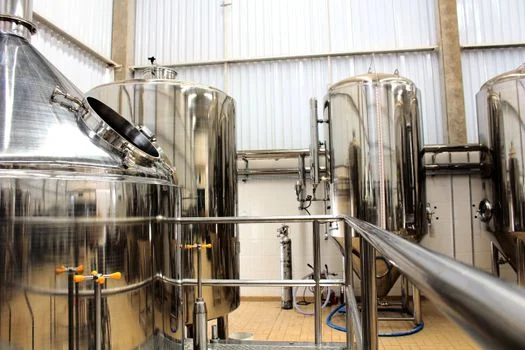
Selecting the right technology requires balancing the high effluent standards of the 2023 Iraq EPA limits with the operational realities of Mosul. Below are the five primary technologies currently being deployed in the region, categorized by their engineering strengths and cost profiles.
1. Membrane Bioreactor (MBR): MBR is the gold standard for hospital and high-end industrial reuse. By combining biological treatment with membrane filtration, it achieves 99.9% pathogen removal. For a 50 m³/h system, CAPEX typically starts at $1.2M. The primary advantage is the small footprint and effluent quality (COD < 50 mg/L), making it ideal for MBR systems for hospital wastewater in Mosul where space is at a premium. However, it requires a stable power supply or a dedicated UPS to prevent membrane fouling during outages.
2. Dissolved Air Flotation (DAF): DAF is the preferred solution for Mosul’s industrial sector, particularly for removing Fats, Oils, and Grease (FOG) and heavy metals. By injecting micro-bubbles into the wastewater, contaminants are floated to the surface and skimmed off. A Mosul textile factory recently reported a 95% reduction in Total Suspended Solids (TSS) using DAF. DAF systems for heavy metal removal in Mosul are highly effective for Pb and Cd compliance when paired with proper chemical dosing. CAPEX ranges from $150K to $800K.
3. Sequencing Batch Reactor (SBR): SBRs are batch-process systems that perform aeration and settling in a single tank. They are cost-effective (CAPEX $200K–$1M) and flexible for varying flow rates. While they achieve 92–97% COD removal, they are vulnerable to the power outages common in Mosul, as the settling phase can be disrupted, leading to biomass washout.
4. Underground WSZ Plants: These are integrated, modular "plug-and-play" systems. They are fully automated and require minimal operator intervention. Underground WSZ plants for Mosul’s power instability are particularly useful because their low energy consumption allows them to be powered by smaller backup generators or solar arrays. They are ideal for residential compounds and small factories with flow rates between 1–80 m³/h.
5. Hybrid Systems: In many cases, a single technology is insufficient. A hybrid DAF + MBR system is often used for hospitals to remove both heavy metals (via DAF) and pharmaceutical residues/pathogens (via MBR). This approach ensures compliance with the strictest 2023 limits while optimizing OPEX by reducing the load on the expensive MBR membranes.
| Technology | Target Contaminant | CAPEX (50 m³/h) | Energy Need | Mosul Suitability |
|---|---|---|---|---|
| MBR | Pathogens, COD, BOD | $1.2M – $2M | High | Best for Hospitals |
| DAF | Pb, Cd, FOG, TSS | $300K – $600K | Medium | Best for Factories |
| SBR | BOD, Nitrogen | $250K – $500K | Medium | Best for Municipal |
| WSZ (Underground) | Domestic Sewage | $150K – $400K | Low | Best for Power Gaps |
Shortlist: 7 Vetted Sewage Treatment Equipment Suppliers for Mosul
Identifying a sewage treatment equipment supplier in mosul requires more than checking a price list. The following shortlist categorizes vetted supplier types based on their ability to handle Iraq’s specific environmental and logistical constraints. When evaluating these vendors, look for those who provide on-site commissioning and training for local staff.
| Supplier Type / Name | Primary Technology | Key Advantage for Mosul | Compliance Focus |
|---|---|---|---|
| HydropureWater | DAF, MBR, WSZ | Heavy metal expertise (Pb/Cd reduction) | Iraq EPA 2023 |
| Nineveh Water Tech Partners | SBR, Municipal | Local Mosul presence for rapid parts | COD/BOD Limits |
| Al-Hadbaa Engineering | Industrial Pretreatment | Experience with power-resilient designs | Heavy Metals |
| Mesopotamia Modular Systems | WSZ Underground | Low-maintenance, fully automated | Domestic Sewage |
| Tigris Hospital Solutions | MBR, UV Disinfection | Pathogen & Pharmaceutical removal | AMR Compliance |
| Northern Iraq EPC Group | Turnkey Large-scale | Full civil works and installation | Multi-sector |
| Nineveh Chemical & Equipment | DAF, Chemical Dosing | Reliable chemical supply chain | FOG/TSS Limits |
When vetting a supplier, avoid those who cannot provide Iraq-specific case studies. A red flag is a vendor who offers a "standard" European or Chinese model without adjusting for Mosul’s high influent heavy metal concentrations or the need for surge protection against grid spikes. Ensure the supplier provides a comprehensive spare parts package for at least 24 months, as supply chain delays in Nineveh can otherwise lead to months of downtime. For context on regional pricing, buyers can review Baghdad wastewater treatment plant costs for comparison, which often mirror Mosul’s CAPEX but may have lower logistics costs.
Step-by-Step Selection Framework: Zero-Risk Equipment for Mosul
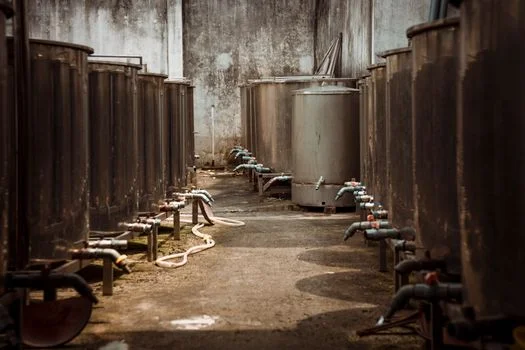
To avoid a "white elephant" project—a system that is bought but never successfully operated—procurement managers should follow this five-step engineering framework.
Step 1: Define Influent and Flow: Do not rely on generic design parameters. Conduct a 7-day composite sampling of your wastewater to identify peak concentrations of Pb, Cd, COD, and TSS. If your Pb levels exceed 0.1 ppm, you must include a physical-chemical stage (like DAF) regardless of the biological system chosen.
Step 2: Site and Infrastructure Audit: Evaluate your power reliability. If you experience more than 3 outages per day, your system must include either an automated restart protocol, a large equalization tank to buffer flow during downtime, or a low-energy technology like an underground WSZ plant. For medical facilities, following hospital wastewater treatment best practices from Tel Aviv can provide insights into integrating high-reliability membrane systems in complex urban environments.
Step 3: CAPEX vs. OPEX Analysis: A cheaper SBR system may have lower CAPEX but significantly higher OPEX if it requires constant biomass reseeding after power failures. Use a simple ROI calculator: Fines Avoided (IQD 50M) + Water Reuse Savings - (Chemicals + Energy + Maintenance). Often, a more expensive MBR or DAF system pays for itself within 18 months by avoiding regulatory penalties alone.
Step 4: Request a Mosul-Specific RFP: Your Request for Proposal should specifically ask: "How does this system handle a 4-hour power outage?" and "What is the guaranteed effluent Pb concentration when influent spikes to 8 ppm?" If a supplier cannot answer these with data, they are a high-risk choice.
Step 5: Pilot Testing: Before committing to a $1M+ installation, request a 3-month pilot test using a trailer-mounted unit. This validates the chemical dosing requirements and ensures the technology can handle the specific "cocktail" of contaminants in your facility’s waste stream. This is the ultimate zero-risk strategy for selecting prefabricated wastewater plants for industrial use.
Frequently Asked Questions
What’s the best sewage treatment system for a Mosul hospital with high pharmaceutical residues?
Membrane Bioreactor (MBR) systems are the most effective. They provide 99.9% pathogen removal and utilize ultrafiltration membranes (<1 μm) that capture most pharmaceutical residues. These systems ensure compliance with Iraq’s 2023 limits for fecal coliform (≤1,000 CFU/100mL) and COD (≤150 mg/L). CAPEX for a 50 m³/h hospital-grade MBR typically starts at $1.2M.
How do I treat Pb >0.1 ppm in Mosul industrial wastewater?
Treatment requires a Dissolved Air Flotation (DAF) system combined with chemical precipitation. By adding coagulants and adjusting pH, Lead is precipitated into solids, which the DAF unit then floats and removes. A Mosul intravenous solutions factory successfully used this method with nano-activated carbon to reduce Pb from 8.2 ppm to 0.05 ppm.
What’s the CAPEX for a 50 m³/h sewage treatment plant in Mosul?
The cost varies significantly by technology: $200K–$500K for a standard SBR, $300K–$600K for a DAF system, and $1.2M–$1.8M for a high-spec MBR. Modular underground WSZ plants for domestic sewage generally fall in the $300K–$500K range for this capacity, depending on the required automation level.
Can I install a sewage treatment plant in Mosul with unreliable power?
Yes, but the design must be modified. Underground WSZ plants are ideal due to low energy requirements. For industrial MBR or SBR systems, you must include a large equalization tank (to hold waste during outages) and an automated aeration control system that prevents biomass death during the 4–6 daily power cuts typical of the Mosul grid.
What are the Iraq EPA fines for Pb non-compliance?
Under 2023-2025 enforcement protocols, fines for discharging Lead (Pb) above 0.1 ppm range from IQD 10M to 50M. Repeat violations often lead to mandatory facility shutdowns. For example, a metalworking plant in Nineveh was fined IQD 30M in early 2025 and ordered to cease operations until a compliant DAF system was installed.
Further Reading
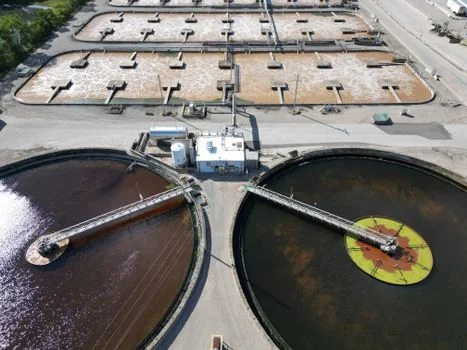
Explore these in-depth articles on related wastewater treatment topics: