What Is a Brackish Water RO System and How Does It Work?
Brackish water contains between 1,000 and 10,000 ppm total dissolved solids (TDS), placing it between freshwater and seawater in salinity. A brackish water RO system removes dissolved salts and contaminants by forcing the feedwater through semi‑permeable thin‑film composite (TFC) membranes under pressure. The membranes reject 95‑99 % of ions such as calcium, magnesium, sodium, and sulfate, allowing only pure water to pass as permeate.
Typical operating pressures range from 250 to 400 psi, which is sufficient to overcome the osmotic pressure of brackish feedwater. The process is usually staged: a high‑pressure pump pushes water into the membrane module, a permeate collection line gathers the treated water, and a concentrate (reject) stream is discharged or recycled. Recovery rates—the proportion of feedwater converted to permeate—vary from 50 % in conventional designs to as high as 95 % when energy‑recovery devices are incorporated.
Because the feed TDS is moderate, the system can be integrated with relatively simple pre‑treatment (multimedia filters, cartridge filters) and post‑treatment (UV, chlorination) to meet ultra‑pure water specifications for pharmaceutical, food & beverage, and power‑generation plants.
Practical Considerations for Installation
Engineers typically conduct a site‑specific water‑quality survey to confirm TDS, temperature, and fouling potential when deploying a brackish RO plant. Real‑time pressure transducers and conductivity meters are installed on both the feed and permeate lines to enable automatic adjustments of pump speed, ensuring the system stays within design recovery limits. Routine membrane cleaning cycles, scheduled based on a decline in permeate flow of 5‑10 %, help preserve performance and extend membrane life.
Key Technical Parameters for Industrial Brackish Water RO Systems
Recovery rate, membrane type, flow capacity, energy consumption, and pre‑treatment requirements determine system performance and lifecycle cost.
| Parameter | Typical Industry Range | HydropureWater Value | Notes |
|---|---|---|---|
| Recovery Rate | 50 % – 85 % | Up to 95 % | Reduces wastewater volume and lowers disposal fees. |
| Membrane Type | TFC, polyamide, spiral‑wound | High‑flux TFC optimized for 1,000‑10,000 ppm TDS | Rejects 95‑99 % of divalent ions; lifespan 3‑7 years with proper maintenance. |
| Flow Capacity | 10 m³/day – 2,000 m³/day | 10 m³/day – 2,000 m³/day (modular skid‑mount) | Scalable by adding parallel membrane trains. |
| Specific Energy Use | 1.5 – 3.0 kWh/m³ (including pump losses) | 1.5 – 2.2 kWh/m³ with energy‑recovery devices | Lower energy translates to reduced OPEX. |
| Pre‑treatment Requirement | SDI < 5, 5 µm cartridge, antiscalant dosing | Multimedia filter + cartridge; SDI‑reducing pre‑treatment filter for RO protection | Maintains membrane integrity and prolongs life. |
These specifications are documented in our industrial brackish water RO system with 95% recovery rate data sheet and are validated by field trials conducted in 2024‑2025 across three continents.
Deep‑Dive into Each Parameter
Recovery Rate: Operators often target the highest feasible recovery while monitoring concentrate TDS to avoid premature scaling. A rule of thumb is to keep concentrate TDS below 15,000 ppm; exceeding this can trigger calcium carbonate precipitation.
Membrane Type: High‑flux TFC membranes provide greater permeate flow at a given pressure, but they may be slightly more susceptible to organic fouling. Pairing them with a 5 µm cartridge filter and periodic low‑pH cleaning balances flux and durability.
Energy Use: Installing a pressure‑exchanger energy‑recovery device can shave up to 0.5 kWh/m³ off the specific energy use, a savings that compounds dramatically in plants processing >1,000 m³/day.
How Brackish Water RO Systems Differ from Seawater and Municipal RO
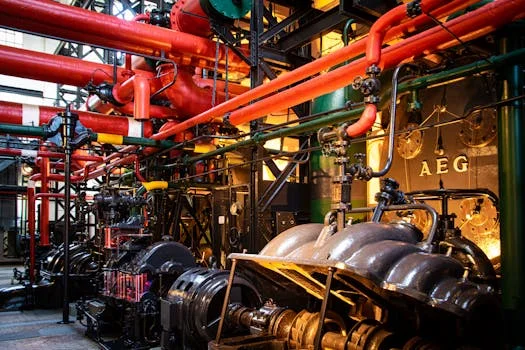
Brackish‑water RO operates at 250–400 psi. This lower pressure reduces both capital equipment size and operating energy.
Compared with municipal‑water RO (feed TDS < 1,000 ppm), brackish systems encounter higher scaling potential because of elevated calcium, magnesium, and sulfate concentrations. Consequently, pre‑treatment must focus on hardness removal and antiscalant dosing, whereas municipal systems rely more on chlorination and micro‑filtration.
Design differences include fewer pressure‑boost stages, optional energy‑recovery turbines (often unnecessary for brackish), and a membrane stack optimized for moderate salinity. These distinctions translate into lower upfront cost—typically 30‑50 % less than a comparable seawater plant of the same capacity—and a smaller footprint, enabling skid‑mounted deployment in existing industrial sites.
Environmental and Operational Impacts
Brackish RO generates less concentrate volume than seawater desalination, reducing the disposal burden on local landfills or deep‑well injection sites. In arid regions where brackish groundwater is abundant, plants can recycle the concentrate for irrigation after appropriate dilution, improving sustainability metrics.
Case studies from 2023‑2024 in Texas and Western Australia show that switching from municipal purchase to on‑site brackish RO cut annual carbon emissions by 12‑18 % thanks to reduced electricity consumption and fewer tanker deliveries.
Top Brackish Water RO System Manufacturers Compared
The leading brackish water RO system manufacturers offer distinct trade‑offs in recovery, energy use, and regulatory compliance.
| Manufacturer | Recovery Rate | Flow Capacity (m³/day) | Specific Energy Use (kWh/m³) | Compliance |
|---|---|---|---|---|
| HydropureWater | Up to 95 % | 10 – 2,000 | 1.5 – 2.2 (with ERD) | EPA, EU Drinking Water Directive 98/83/EC, WHO |
| US‑based commercial supplier | 80 % – 85 % | 15 – 30 | 2.0 – 2.8 | EPA (limited), ANSI‑certified components |
| European membrane specialist | 78 % – 84 % | 20 – 500 | 1.8 – 2.5 | EU Directive, ISO 9001, NSF/ANSI 61 |
| North‑American durability‑focused brand | 70 % – 80 % | 10 – 200 | 2.2 – 3.0 | EPA, CSA, limited EU coverage |
The table highlights that HydropureWater delivers the highest recovery while maintaining a low specific energy use, making it a cost‑effective choice for high‑volume industrial applications.
Beyond the Numbers
When evaluating vendors, many end‑users also weigh warranty length (HydropureWater offers a 24‑month full‑system warranty), availability of on‑site technical support, and the flexibility to customize skid‑mount layouts for constrained plant footprints. Some manufacturers provide modular expansion kits that allow capacity to be increased by 25 % without major shutdowns, a feature that can be decisive for rapidly growing operations.
Cost and ROI Analysis for Industrial Brackish RO Systems in 2025
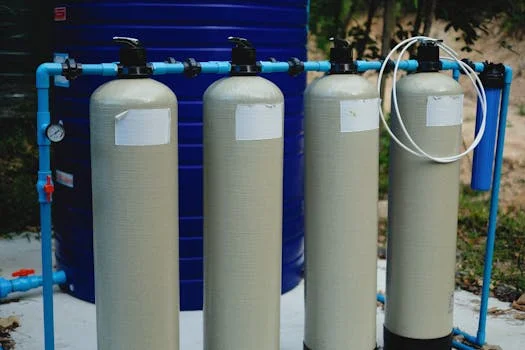
In 2025 the capital cost of a brackish‑water RO plant scales from roughly $15,000 for a 10 m³/day unit to $500,000 for a 2,000 m³/day system. Operating expenses—including electricity, membrane replacement, and routine chemicals—average $0.30–$0.70 per cubic meter of permeate.
For a food‑processing plant consuming 500 m³/day of treated water, the annual operating cost is estimated at $54,750 (assuming $0.60/m³). If municipal water purchase costs $1.20/m³, the plant saves $273,750 per year, delivering a payback period of 2.2 years after accounting for capital amortization.
Pharmaceutical facilities, which require ultra‑pure water, often achieve even shorter ROI because they avoid costly water‑quality failures and waste‑disposal fees. Detailed cost breakdowns and pricing trends are discussed in the 2025 industrial RO system cost and pricing trends report.
Financing and Sensitivity Scenarios
Many operators now leverage lease‑to‑own arrangements that spread capital outlay over 5‑7 years, reducing upfront cash requirements. Sensitivity analysis shows that a 10 % increase in electricity rates extends the payback by roughly 0.4 years, while a 5 % improvement in membrane lifespan can shorten it by 0.3 years. Incorporating a carbon‑credit incentive (average $0.02/kWh saved) further improves the net present value of the project.
Compliance and Certifications for Industrial Water Purification
HydropureWater’s RO units meet EPA drinking water standards, the EU Drinking Water Directive 98/83/EC, and WHO Guidelines for safe water. Membrane housings and wetted parts are certified to NSF/ANSI 61, confirming suitability for potable applications. All electrical and control components comply with IEC 60335 and UL‑listed requirements, facilitating straightforward permitting and environmental audit processes.
Comprehensive documentation—including material safety data sheets (MSDS), performance test reports, and third‑party certification letters—is provided to support regulatory submissions and internal compliance reviews.
Audit‑Ready Documentation
For facilities subject to ISO 14001 or ISO 9001 audits, the supplier supplies a pre‑filled compliance matrix that maps each system component to the relevant clause. In cross‑border projects, dual‑language certificates (English/Spanish or English/Chinese) are available, reducing translation delays during permitting.
Frequently Asked Questions

- Can brackish water RO systems produce drinking water? Yes. When paired with appropriate pre‑treatment (multimedia filtration, antiscalant) and post‑disinfection (UV or chlorine dioxide), the permeate meets WHO and EPA drinking‑water standards.
- What is the typical lifespan of RO membranes in brackish water systems? With proper maintenance and an influent SDI < 5, membranes last 3–7 years before replacement is required.
- How much space does an industrial brackish RO system require? Compact skid‑mounted units start at roughly 2 m × 1 m for a 10 m³/day capacity and scale linearly; a 2,000 m³/day plant occupies about 30 m × 12 m including pre‑treatment.
- Is chemical cleaning required for brackish RO membranes? Yes. A clean‑in‑place (CIP) protocol using citric acid or caustic solutions is recommended every 3–6 months, depending on feedwater quality and operating conditions.
- Can RO systems handle variable TDS levels? Modern units feature automated pressure and flow controls that