Why Assam’s Wastewater Treatment Costs Are Unique: 5 Local Factors That Break Budgets
In Assam, wastewater treatment plant costs vary dramatically by technology and scale. For industrial buyers, CAPEX ranges from ₹2.5 lakh for a 10 KLD conventional system to ₹5.37 crore for a UASB-based STP (Guwahati Metropolitan Development Authority, 2023). OPEX adds ₹0.5–₹2 per KL treated, depending on automation and sludge disposal. Key cost drivers include influent COD (Assam’s textile effluent often exceeds 2,000 mg/L), land premiums in Guwahati (₹5,000–₹10,000/sq. m), and compliance with PCB Assam’s discharge limits (BOD < 30 mg/L, TSS < 100 mg/L). This guide breaks down costs by technology, scales, and Assam-specific factors to help buyers avoid overpaying or under-specifying.
PCB Assam’s discharge limits (BOD < 30 mg/L, COD < 250 mg/L, TSS < 100 mg/L) require tertiary treatment for most industrial effluent, which typically adds 20–30% to CAPEX compared to national averages for basic secondary systems. According to GMDA Borsola Beel project specifications, achieving these limits in high-organic-load environments necessitates advanced biological stages or membrane filtration. land acquisition costs in Guwahati industrial zones like Bamunimaidam and Noonmati range from ₹5,000 to ₹10,000 per square meter, significantly higher than the ₹2,000–₹4,000 per square meter found in rural districts like Golaghat or Tinsukia (Assam Industrial Development Corporation, 2024). Utilizing skid-mounted systems for Assam’s remote industrial sites can save 40–60% on land footprint, though underground installations require deeper excavation costing ₹1,200–₹1,800 per cubic meter.
The monsoon season (June–September) presents a unique operational challenge in the Brahmaputra basin, where influent Total Suspended Solids (TSS) can increase by 300–500% due to rainwater infiltration and high turbidity in source water. This requires pre-treatment upgrades, such as heavy-duty rotary screens, which add ₹5–₹10 lakh to the initial CAPEX (IndiaMART supplier data). Sludge disposal is another significant budget item; landfilling costs in Assam are currently ₹1,500–₹3,000 per ton, whereas in industrial hubs like Gujarat, they often range from ₹800–₹1,200 per ton (Assam Pollution Control Board, 2023). Implementing anaerobic digestion (UASB) can reduce sludge volume by up to 70%, but requires an additional ₹20–₹30 lakh in CAPEX.
Finally, electricity tariffs for industrial users in Assam range from ₹6.50 to ₹8.50 per kWh (Assam Power Distribution Company, 2024). This makes energy-efficient technologies, such as compact MBR systems for Guwahati’s land-constrained industrial zones which operate at approximately 0.4–0.8 kWh/m³, critical for long-term OPEX control compared to older, high-energy aeration systems.
CAPEX Breakdown: How Much Does a Wastewater Treatment Plant Cost in Assam by Technology?
Technology selection is the primary determinant of CAPEX, with MBR and DAF systems commanding premiums for their specialized performance in land-constrained or high-FOG (Fats, Oils, and Grease) environments. While a conventional STP might seem cost-effective, the requirement for tertiary treatment to meet PCB Assam standards often narrows the price gap between basic and advanced systems.
| Technology | 10 KLD Scale (Total) | 50 KLD Scale (Total) | 200 KLD Scale (Total) | Assam Footnote |
|---|---|---|---|---|
| Conventional STP (A/O) | ₹2.5 – ₹4 Lakh | ₹12 – ₹18 Lakh | ₹40 – ₹55 Lakh | Requires +15% for tertiary filters |
| MBR (Membrane Bioreactor) | ₹8 – ₹10 Lakh | ₹35 – ₹50 Lakh | ₹1.2 – ₹1.6 Crore | Saves 60% land in Guwahati |
| DAF (Dissolved Air Flotation) | ₹4 – ₹6 Lakh | ₹20 – ₹28 Lakh | ₹70 – ₹90 Lakh | Essential for Tea/Mustard Oil |
| UASB (Anaerobic) | N/A (Large Scale Only) | ₹25 – ₹35 Lakh | ₹80 – ₹1.1 Crore | Requires pre-treatment for TSS |
| Hybrid A/O | ₹3 – ₹5 Lakh | ₹15 – ₹22 Lakh | ₹50 – ₹70 Lakh | Best for textile COD loads |
Conventional STPs using the Anoxic/Oxic (A/O) process remain the cheapest upfront option at ₹2.5–₹4 lakh per KLD for small scales. However, these systems require secondary clarifiers and disinfection units, which add ₹5–₹8 lakh for 50 KLD systems to remain compliant. For the food processing sector in Assam—specifically mustard oil and dairy—DAF systems for Assam’s high-FOG industrial effluent are preferred. These systems cost ₹4–₹6 lakh per KLD but include integrated chemical dosing units (costing ₹2–₹3 lakh for a 50 KLD setup) that achieve 95% FOG removal efficiency.
UASB plants are highly effective for high-COD effluent from Assam’s distilleries and paper mills, costing ₹1.5–₹2.5 lakh per KLD at scale. While 30–40% cheaper than aerobic systems for high-load organic matter, they necessitate robust pre-treatment if TSS exceeds 500 mg/L, as seen in the GMDA Borsola Beel project. For textile manufacturers dealing with COD levels of 1,500–2,500 mg/L, Hybrid A/O systems provide a balanced CAPEX of ₹3–₹5 lakh per KLD, often achieving 90% removal without the immediate need for expensive tertiary membranes.
OPEX Uncovered: The Hidden Costs of Running a Wastewater Treatment Plant in Assam
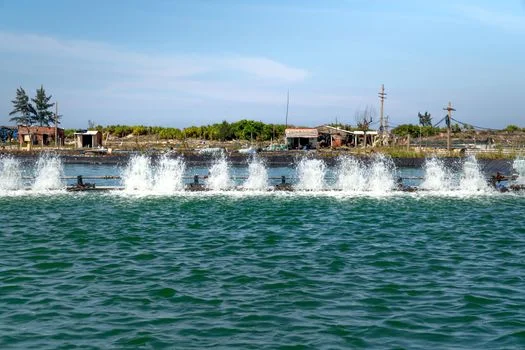
Operating expenses (OPEX) often exceed the initial CAPEX within 5 to 7 years of operation, driven primarily by Assam’s specific energy tariffs and chemical supply chains. Labor costs also fluctuate based on the degree of automation, with manual systems requiring 24/7 oversight in high-compliance zones.
| Technology | Energy (per KL) | Chemicals (per KL) | Sludge/Labor (per KL) | Total OPEX/Year (50 KLD) |
|---|---|---|---|---|
| Conventional STP | ₹0.35 – ₹0.50 | ₹0.10 – ₹0.20 | ₹0.40 – ₹0.60 | ₹15.5 – ₹23.7 Lakh |
| MBR | ₹0.80 – ₹1.20 | ₹0.05 – ₹0.15 | ₹0.20 – ₹0.40 | ₹19.2 – ₹31.9 Lakh |
| DAF | ₹0.40 – ₹0.60 | ₹0.30 – ₹0.50 | ₹0.30 – ₹0.50 | ₹18.2 – ₹29.2 Lakh |
| UASB | ₹0.10 – ₹0.20 | ₹0.05 – ₹0.10 | ₹0.40 – ₹0.70 | ₹10.0 – ₹18.2 Lakh |
Energy is the dominant OPEX driver, accounting for 60–70% of total running costs. With industrial tariffs in Assam reaching ₹8.50/kWh, aeration blowers represent a significant drain. Using variable-speed blowers can reduce these costs by 20–30%. Chemical costs for coagulants like PAC and polyelectrolytes range from ₹0.1 to ₹0.3 per KL, but DAF systems require 2–3 times more chemicals than MBR to effectively separate emulsified oils. To manage these costs, PLC-controlled dosing to optimize OPEX in Assam’s high-chemical-cost environment is recommended to prevent over-dosing and waste.
Sludge management is particularly expensive in Assam due to the limited number of industrial hazardous waste landfills. Landfilling costs of ₹1,500–₹3,000 per ton make dewatering essential. Utilizing filter presses to cut Assam’s high sludge disposal costs by 50% can reduce the moisture content of sludge from 98% to 65%, significantly lowering the weight-based disposal fees. Labor costs for a 50 KLD plant typically range from ₹5–₹10 lakh per year for a qualified operator and technician, though automation can reduce this requirement to a part-time supervisory role.
MBR vs. DAF vs. UASB: Which Technology Is Right for Your Assam Facility?
Choosing the correct technology requires a side-by-side comparison of technical performance against the specific influent characteristics of Assam's industrial sectors. For instance, the tea industry faces different challenges than the Guwahati-based pharmaceutical or textile sectors.
| Criteria | MBR | DAF | UASB | Hybrid A/O |
|---|---|---|---|---|
| Footprint | 0.5 sq.m/KLD | 1.5 sq.m/KLD | 2.0 sq.m/KLD | 1.2 sq.m/KLD |
| Effluent BOD | < 5 mg/L | 20-40 mg/L | 30-60 mg/L | 15-25 mg/L |
| COD Removal | 95-98% | 70-85% | 75-90% | 85-92% |
| Maintenance | High (Membrane) | Medium (Mechanical) | Medium (Biogas) | Low (Biological) |
| Assam Best Fit | Guwahati Pharma | Edible Oil/Tea | Distilleries/Paper | Textile/General |
MBR technology is the superior choice for land-constrained sites in Guwahati's industrial areas where high-quality water reuse is desired. It consistently delivers effluent with BOD < 10 mg/L and TSS < 5 mg/L, comfortably exceeding PCB Assam standards. However, it carries higher energy costs and requires membrane replacement every 3–5 years, costing approximately ₹2–₹3 lakh for a 50 KLD system. DAF systems are indispensable for FOG-heavy effluent, such as that from mustard oil mills or dairy processing, where they achieve up to 95% removal efficiency. Their primary drawback is the high chemical consumption and the need for frequent mechanical maintenance of the scraper assembly.
UASB systems are the "workhorses" for high-COD loads, offering 30–50% lower OPEX than aerobic systems because they do not require heavy aeration. However, they are sensitive to temperature fluctuations and require biogas scrubbing (₹5–₹10 lakh) if the methane produced is to be utilized or safely flared. Hybrid A/O systems offer a middle ground for textile effluent, achieving high organic removal without the complexity of membranes, though they require a larger footprint than MBR systems to achieve similar results (ResearchGate, 2023).
How to Calculate ROI for Your Assam Wastewater Treatment Plant: A Step-by-Step Guide
Return on Investment (ROI) for a wastewater treatment plant in Assam is calculated by comparing the total annual savings against the annual operating costs and initial CAPEX. The formula is: ROI (Years) = CAPEX / (Annual Savings - Annual OPEX).
Annual savings are derived from three main sources: water reuse (replacing fresh water at ₹0.05–₹0.10 per KL), penalty avoidance (PCB Assam fines can range from ₹1 lakh to ₹5 lakh per violation), and reduced sludge disposal fees through advanced dewatering. For a 50 KLD MBR plant in Guwahati with a CAPEX of ₹40 lakh and annual OPEX of ₹18 lakh, if the facility saves ₹25 lakh per year in water and penalties, the ROI is approximately 5.7 years. However, when considering how Maharashtra’s wastewater treatment costs compare to Assam’s, the longer payback in Assam is often due to higher logistics and chemical procurement costs.
| Technology (50 KLD) | CAPEX | Annual Savings | Payback Period |
|---|---|---|---|
| MBR (Reuse Focus) | ₹45 Lakh | ₹28 Lakh (Water+Penalty) | 2.5 - 3.5 Years |
| DAF (FOG Removal) | ₹25 Lakh | ₹12 Lakh (Penalty Avoidance) | 3.0 - 4.5 Years |
| UASB (COD Focus) | ₹30 Lakh | ₹15 Lakh (Energy+Penalty) | 2.8 - 4.0 Years |
Sensitivity analysis shows that ROI is highly dependent on electricity tariffs. If APDCL rates rise by 15%, the MBR payback period can extend by nearly 8 months. Conversely, a Guwahati textile factory (50 KLD, COD 2,000 mg/L) recently reported saving ₹22 lakh per year by switching to a UASB system combined with treating heavy metal effluent from Assam’s tea processing and electroplating industries, achieving a 3.4-year payback through significant reduction in aeration energy and compliance security.
Supplier Selection Checklist: 7 Red Flags When Buying a Wastewater Treatment Plant in Assam
Selecting a supplier in Assam requires vetting beyond the initial quote. Low-cost bidders often compromise on material quality or after-sales support, leading to system failure within 24 months. Industrial buyers should utilize the following checklist to evaluate potential vendors:
- Response Rate: Suppliers with a response rate below 85% on platforms like IndiaMART often lack the infrastructure for urgent repairs. Look for vendors with a 90%+ rating.
- Automation Grade: While manual systems are ₹2–₹3 lakh cheaper, they require 24/7 labor (₹5–₹10 lakh/year). Ensure the system includes PLC automation to reduce human error.
- Material of Construction (MoC): Mild steel (MS) is prone to rapid corrosion in Assam’s humid climate. Insist on Stainless Steel (SS) or high-grade FRP for a 15–20 year lifespan.
- In-house Installation: Third-party installers add 15–40% to the CAPEX. Suppliers with dedicated installation teams reduce markup and ensure better alignment with design specs.
- Warranty Terms: A standard 1-year warranty is insufficient for membranes. Premium suppliers offer 2–3 year warranties on critical components like MBR modules.
- Compliance Certification: The supplier must provide documented proof that their system meets PCB Assam’s BOD < 30 mg/L and TSS < 100 mg/L limits for your specific influent type.
- Remote Monitoring: Given the remote nature of many Assam industrial sites, systems with SMS alerts for pH or flow deviations reduce downtime by 30–50%.
Frequently Asked Questions
What is the average cost of a 100 KLD wastewater treatment plant in Assam?
The CAPEX for a 100 KLD plant ranges from ₹30–₹50 lakh for conventional STPs, ₹80–₹120 lakh for MBR, and ₹40–₹60 lakh for UASB systems. OPEX typically ranges from ₹0.5 to ₹2 per KL treated. In Guwahati, land costs can add an additional ₹10–₹20 lakh depending on the footprint of the selected technology (Sources: IndiaMART, GMDA).
Does PCB Assam require Zero Liquid Discharge (ZLD) for all industries?
While not mandatory for all, ZLD is increasingly encouraged for high-pollution industries like textiles and chemicals. Most industries must at least meet the BOD < 30 mg/L and COD < 250 mg/L standards. Achieving ZLD typically doubles the CAPEX due to the need for evaporators and crystallizers (Source: Assam Pollution Control Board).
Which technology is best for the tea industry's wastewater in Assam?
The tea industry often deals with high TSS and organic polyphenols. A combination of DAF for primary solids removal followed by a Hybrid A/O system is generally the most cost-effective solution, balancing the ₹4–₹6 lakh/KLD CAPEX with manageable chemical OPEX (Source: ResearchGate).
How does the Assam monsoon affect treatment plant design?
The monsoon increases influent TSS significantly. Plants must be designed with larger equalization tanks and robust pre-screening (rotary screens) to prevent system bypass or clogging. This typically adds 10% to the overall project CAPEX in the Brahmaputra basin (Source: IndiaMART supplier data).