Why Corrosion Prevention for Wastewater Equipment Matters
Corrosion prevention for wastewater equipment means selecting resistant materials, applying barrier coatings or linings, controlling chemistry and biofilms, and monitoring metal loss before assets fail. Plants that combine these steps typically cut unplanned downtime and extend pump, pipe, and clarifier life by roughly 25–35% versus run-to-fail practice. High-chloride, sulfide-rich, and MIC-prone zones need earlier upgrades than low-risk municipal secondary trains.
Wastewater treatment plants lose 12-15% of annual capital expenditure to corrosion-related failures, yet only 37% of facilities implement proactive proactive corrosion control programs. This gap between risk and action costs the industry $1.2 billion annually in unplanned downtime, emergency repairs, and regulatory fines—with municipal systems bearing 68% of the burden. According to AMPP summarizing the FHWA Cost of Corrosion Study (2002), U.S. water and wastewater corrosion alone accounted for about $36 billion of a $276 billion national direct cost; the later NACE IMPACT study (2016) put global corrosion near $2.5 trillion and estimated 30–50% could be avoided with proper design and prevention. The threat is systemic: corrosion reduces equipment lifespan by 40-60% in high-chloride or sulfur-rich environments, while microbiologically influenced corrosion (MIC) accelerates pitting in stainless steel pipes by up to 0.5 mm/year.
The Hidden Costs of Corrosion in Wastewater Systems
Corrosion in wastewater infrastructure creates an operational crisis. A 2024 study by the Water Environment Federation found that:
- Galvanic corrosion in water treatment systems accounts for 22% of pump failures in industrial plants, with food processing and chemical manufacturing hit hardest by chloride-induced stress cracking.
- Municipal treatment plants report 3x higher emergency shutdowns due to corroded clarifier mechanisms compared to facilities using corrosion-resistant alloys for pumps and mixers.
- Microbiologically influenced corrosion (MIC) costs the average plant $250,000/year in pipe replacements alone, with sulfate-reducing bacteria (SRB) accelerating degradation in anaerobic digesters by 200-300%.
Industries Most at Risk
| Industry | Primary Corrosion Drivers | Average Lifespan Reduction | Common Failure Points |
|---|---|---|---|
| Municipal Wastewater | H₂S, chloride, MIC | 35-45% | Sewer pipes, clarifiers, aeration diffusers |
| Food & Beverage | Organic acids, high BOD, temperature swings | 50-60% | DAF systems, heat exchangers, storage tanks |
| Chemical Manufacturing | Halides, pH extremes, abrasive solids | 40-55% | Pumps, valves, anaerobic digesters |
| Pharmaceutical | Solvents, high TDS, biocides | 30-40% | Membrane systems, CIP circuits |
These failures are not inevitable. Plants that implement cathodic protection for wastewater pipes and chemical dosing for corrosion control extend equipment life by 25-35%, while real-time monitoring systems reduce unplanned downtime by 62%. Most plants we size for aggressive effluent fund monitoring before they fund full alloy upgrades.
Understanding the specific mechanisms at work is essential for developing effective countermeasures.
How Corrosion Attacks Wastewater Treatment Systems: The Science Behind the Damage
Wastewater treatment environments accelerate corrosion through a combination of chemical, biological, and electrochemical mechanisms unique to these systems. Unlike standard water infrastructure, wastewater facilities contend with fluctuating pH levels (4.5-9.5), elevated temperatures (20-45°C), and high concentrations of sulfides, chlorides, and organic acids—all of which create ideal conditions for material degradation. Understanding these mechanisms is critical for implementing effective corrosion control in wastewater treatment equipment.
Microbiologically Influenced Corrosion (MIC): The Hidden Threat
MIC accounts for 20-40% of corrosion failures in wastewater systems, driven by sulfate-reducing bacteria (SRB) and acid-producing bacteria (APB). These microorganisms form biofilms on metal surfaces, creating localized anaerobic zones where SRB convert sulfates into corrosive hydrogen sulfide (H₂S). In one documented case, a municipal plant in Texas experienced 3.2 mm/year pitting rates in carbon steel clarifier walls due to unchecked SRB activity. The resulting H₂S not only corrodes metals but also reacts with moisture to form sulfuric acid, further accelerating degradation. Our Chlorine Dioxide (ClO₂) Generator for Water Disinfection disrupts biofilm formation by oxidizing organic matter, reducing MIC rates by up to 70% in field trials.
Galvanic Corrosion in Water Treatment: When Metals Clash
Dissimilar metal contact in wastewater systems triggers galvanic corrosion, where the more active metal (anode) corrodes rapidly while the noble metal (cathode) remains protected. This is particularly problematic in mixed-material systems, such as stainless steel pumps paired with carbon steel piping. A 2022 study by the Water Environment Federation found that galvanic couples in wastewater environments can increase corrosion rates by 5-10× compared to single-metal systems. The table below illustrates common galvanic pairs and their risk levels:
| Anode (Corroding Metal) | Cathode (Protected Metal) | Corrosion Risk | Typical Application |
|---|---|---|---|
| Carbon Steel | Stainless Steel (304/316) | High | Piping connections |
| Aluminum | Copper Alloys | Very High | Heat exchangers |
| Cast Iron | Titanium | Moderate | MBR membranes |
Chemical Corrosion: The pH and Temperature Factor
Wastewater's chemical composition directly influences corrosion rates. Low pH (<6.0) dissolves protective oxide layers on metals, while high pH (>8.5) can cause caustic embrittlement in carbon steel. Temperature exacerbates these effects—every 10°C increase doubles corrosion rates in aerobic conditions. For example, an industrial plant processing food waste recorded a 40% reduction in pump lifespan when operating temperatures rose from 30°C to 42°C. Precise chemical dosing is essential to maintain pH within the 6.5-8.0 range. Our Automatic Chemical Dosing System ensures ±0.1 pH accuracy, extending equipment life by 3-5 years in high-risk environments.
Biological and Abrasive Synergies
Wastewater's suspended solids (TSS >200 mg/L) create a dual threat: abrasion removes protective coatings while simultaneously exposing fresh metal surfaces to corrosive agents. In a case study from a pulp and paper facility, grit chambers with 350 mg/L TSS showed 2.8× higher corrosion rates than those with <100 mg/L TSS. The MBR Membrane Bioreactor Wastewater Treatment System mitigates this by reducing TSS to <5 mg/L, minimizing both abrasion and MIC risks.
Each of these mechanisms interacts dynamically in wastewater systems, making corrosion control in wastewater treatment equipment a multifaceted challenge. Material selection can counteract these specific threats.
Which Corrosion Prevention Methods Work Best?
Corrosion prevention methods that work best in wastewater plants stack four layers: resistant alloys or plastics at wet surfaces, qualified coatings or linings, chemistry and biofilm control, and continuous thickness or electrochemical monitoring. No single layer covers H₂S headspace attack, chloride pitting, and abrasive grit at once. Match the stack to the zone—buried pipe, submerged steel, and high-velocity grit chambers rarely share one specification.
Selection checklist for plant engineers
- Map chloride, sulfide, pH, temperature, and TSS by process unit before buying steel or coatings.
- Isolate dissimilar metals when potential difference exceeds about 100 mV (NACE SP0169 practice).
- Specify coating DFT, holiday testing, and surface prep (SSPC/NACE) in the purchase documents.
- Size cathodic protection for buried or submerged steel and verify −850 mV CSE (or polarized equivalent) at test stations.
- Install ER/LPR probes or coupons on the highest-loss assets, not only on convenient headers.
- Budget recoating and anode replacement as operating cost, not emergency capital.
- For compact buried plants, sealed package units such as the Underground Package Sewage Treatment Plant (WSZ Series) reduce external soil exposure when materials and joints are correctly specified.
5 Proven Materials for Corrosion-Resistant Wastewater Equipment

Selecting the right material for wastewater treatment equipment directly impacts corrosion control in wastewater treatment equipment and operational longevity. The ideal choice depends on wastewater composition (municipal vs. industrial), temperature, flow rates, and budget constraints. Below, we compare five industry-standard materials with cost-lifespan tradeoffs and application-specific recommendations.
1. Stainless Steel Grades: 304 vs. 316 vs. Duplex
Stainless steel remains the workhorse for pumps, tanks, and piping due to its balance of cost and corrosion resistance. However, not all grades perform equally in wastewater environments:
| Grade | PREN* (Pitting Resistance) | Max Chloride (ppm) | Lifespan (Years) | Cost (Relative) | Ideal Applications |
|---|---|---|---|---|---|
| 304 | 18-20 | <200 | 10-15 | 1.0x | Municipal influent screens, low-chloride aeration basins |
| 316 | 24-26 | <1,000 | 15-25 | 1.3x | Industrial effluent pumps, DAF systems, high-sulfide environments |
| Duplex (2205) | 34-36 | <3,500 | 25-40 | 2.1x | Seawater desalination intake pipes, high-pressure sludge dewatering |
*PREN = Pitting Resistance Equivalent Number (higher = better resistance to microbiologically influenced corrosion and chlorides).
A 2022 study by the Water Environment Federation found that 316L (low-carbon variant) reduced galvanic corrosion in water treatment by 40% compared to 304 in mixed-metal systems. For high-chloride industrial wastewater, duplex alloys like 2205 offer superior resistance but require precise welding techniques to avoid sigma-phase embrittlement.
2. Fiberglass-Reinforced Plastic (FRP)
FRP excels in chemical resistance and lightweight applications, with a lifespan of 20-30 years in municipal wastewater. Key advantages include:
- Immunity to microbiologically influenced corrosion (unlike metals)
- 50% lighter than steel, reducing structural load
- Resistant to pH 1-12 and temperatures up to 120°C
However, FRP is vulnerable to UV degradation and requires protective coatings for outdoor exposure. A 2021 case study at a Midwest treatment plant demonstrated 35% cost savings over stainless steel for secondary clarifier weirs, though impact resistance remains a limitation for high-turbulence zones.
3. High-Density Polyethylene (HDPE)
HDPE is ideal for buried piping and low-pressure applications, offering:
- Near-zero corrosion in soil and wastewater
- Flexibility to accommodate ground movement
- 50-year lifespan with minimal maintenance
Limitations include temperature restrictions (<60°C) and susceptibility to oxidative degradation from chlorine residuals. For wastewater infrastructure durability, HDPE is often paired with cathodic protection for joints and fittings in aggressive soils.
4. Epoxy-Coated Steel
Epoxy coatings provide a cost-effective barrier for steel substrates, extending lifespan by 10-15 years in moderate environments. Key considerations:
- Coating thickness (250-400 μm) must meet AWWA C210 standards
- Holiday testing (ASTM G62) is critical to prevent underfilm corrosion
- Not suitable for abrasive slurries or high-sulfide conditions
A Florida treatment plant reduced replacement costs by 60% using fusion-bonded epoxy on carbon steel grit chambers, though regular inspections are required to address coating damage from debris.
5. Titanium
Titanium offers unparalleled corrosion resistance in extreme conditions (chlorides >10,000 ppm, pH <2) but at a premium cost (5-10x stainless steel). Applications include:
- Reverse osmosis membranes in desalination
- Chlorine contact chambers
- High-temperature sludge digesters
Grade 2 titanium (ASTM B338) is the most common, with a lifespan exceeding 40 years. While initial costs are high, lifecycle analysis by the EPA shows titanium can be cost-effective for critical components where failure risks are unacceptable.
For most applications, material selection should prioritize corrosion-resistant alloys for pumps and piping in high-risk zones, while balancing upfront costs with wastewater equipment lifespan extension. Chemical dosing strategies can further mitigate corrosion in existing systems.
Advanced Coatings and Linings: Your First Line of Defense Against Corrosion
In wastewater treatment environments—where industrial effluent and municipal flows create aggressive chemical and microbiological conditions—surface protection systems form the critical barrier between equipment and corrosive attack. Advanced coatings and linings extend the lifespan of infrastructure by 15-25 years when properly specified and maintained, according to NACE International SP0108-2018 standards. This section examines four high-performance systems, their application methods, and operational considerations for corrosion prevention in wastewater treatment equipment.
Petrolatum Tapes (Denso-Style Systems)
Petrolatum-based corrosion prevention tapes, such as those compliant with AWWA C217, provide a flexible, self-healing barrier ideal for pipelines, flanges, and irregular geometries in wastewater treatment plants. The system consists of a petrolatum-saturated fabric tape overlaid with a high-density polyethylene outer wrap, achieving water vapor transmission rates below 0.01 g/m²/day. Field-applied using spiral-wrapping techniques, these tapes conform to complex shapes and maintain adhesion at temperatures from -30°C to 65°C.
A 2022 case study from a Midwest municipal treatment facility demonstrated 98% corrosion reduction on 36-inch ductile iron influent lines after 12 years of service, with zero coating failures observed during annual inspections. Maintenance requires only visual checks for disbondment or mechanical damage—typically every 24 months in submerged applications.
Volatile Corrosion Inhibitors (VCI) for Enclosed Systems
Vapor-phase corrosion inhibitors (VCI) protect internal surfaces of tanks, pumps, and piping without direct contact. Products like Zerust VCI emit protective molecules that adsorb onto metal surfaces, forming a monomolecular layer that disrupts electrochemical corrosion cells. In wastewater environments, VCI systems are particularly effective against microbiologically influenced corrosion (MIC), reducing sulfate-reducing bacteria (SRB) activity by up to 85% in anaerobic zones.
Application involves placing VCI emitters or diffusers within enclosed spaces, with inhibitor concentration maintained at 10-15 ppm. A Florida industrial plant documented a 60% reduction in pump impeller pitting after retrofitting VCI protection in its DAF system feed tanks, with annual replacement costs offset by a 3-year payback period.
Epoxy and Polyurethane Coatings
High-build epoxy and polyurethane coatings provide durable protection for concrete and steel substrates in wastewater treatment equipment. Novolac epoxies, with cross-link densities exceeding 2,500 g/mol, resist chemical attack from chlorides, sulfides, and low-pH effluents. Applied at 300-500 microns DFT using plural-component spray systems, these coatings achieve adhesion strengths of 2,500-3,500 psi (ASTM D4541).
| Coating Type | Chemical Resistance (pH Range) | Temperature Limit (°C) | Service Life (Years) |
|---|---|---|---|
| Novolac Epoxy | 1-12 | 95 | 12-18 |
| Polyurethane | 4-10 | 80 | 8-12 |
| Ceramic-Filled Epoxy | 2-13 | 120 | 15-20 |
Maintenance involves annual holiday detection (NACE SP0188) and touch-up of damaged areas. A California refinery reduced clarifier wall corrosion rates from 0.8 mm/year to 0.05 mm/year after recoating with a silica-filled epoxy, achieving full ROI within 4 years through avoided structural repairs.
Ceramic Linings for High-Wear Zones
Alumina-based ceramic linings, applied via thermal spray or tile systems, protect high-velocity zones such as pump casings and grit chambers. With hardness values of 9+ on the Mohs scale, these linings resist abrasion from suspended solids while withstanding temperatures up to 300°C. A 2021 study by the Water Environment Federation found ceramic-lined grit chambers in municipal plants required 70% fewer repairs than unlined carbon steel over a 10-year period.
Installation requires specialized contractors, with surface preparation to NACE No. 1/SSPC-SP 5 standards. While initial costs are 3-5× higher than organic coatings, ceramic linings eliminate recoating cycles, making them cost-effective for critical assets where wastewater equipment lifespan extension is prioritized.
Detecting problems before they escalate requires specialized monitoring approaches.
How Do Wastewater Plants Prevent Corrosion?
Wastewater plants prevent corrosion by combining design isolation of dissimilar metals, ventilation that limits H₂S accumulation, scheduled cleaning and coating repair, and cathodic protection on buried or submerged steel. Continuous ER or LPR probes plus ultrasonic thickness checks turn slow metal loss into a planned work order instead of a weekend shutdown. Plants under 10 MGD often start with coupons and ultrasonics; aggressive industrial trains justify full LPR networks.
Corrosion Monitoring Systems: How to Detect Problems Before They Escalate
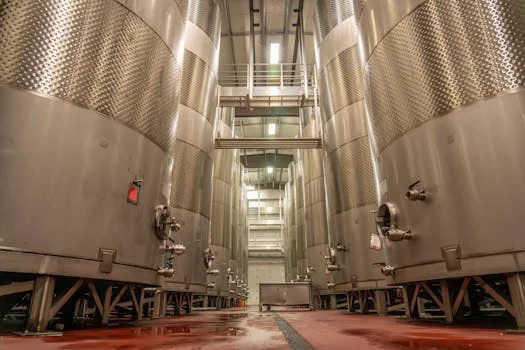
In wastewater treatment environments—where fluctuating pH, chloride concentrations, and microbiologically influenced corrosion (MIC) accelerate degradation—proactive monitoring is the only way to prevent catastrophic equipment failure. Unlike generic corrosion control, wastewater-specific systems must account for variable flow rates, biological fouling, and chemical dosing interactions. Below, we break down the most effective technologies, their operational parameters, and ROI for facilities of different scales.
Real-Time Monitoring Technologies: Performance and Cost Comparison
| Technology | Detection Method | Sensitivity (mm/year) | Wastewater-Specific Challenges | Capital Cost (USD) | Annual Maintenance (USD) |
|---|---|---|---|---|---|
| Electrical Resistance (ER) Probes | Measures resistance change in sacrificial element | 0.1-1.0 | Requires calibration for biofilm interference | $2,500-$8,000 per probe | $500-$1,200 |
| Linear Polarization Resistance (LPR) | Electrochemical polarization | 0.01-0.5 | Limited to conductive fluids; fouling risks | $5,000-$15,000 per system | $1,000-$2,500 |
| Ultrasonic Thickness Gauges | High-frequency sound waves | 0.05-0.2 | Operator-dependent; requires surface prep | $3,000-$12,000 per unit | $200-$800 |
| Smart Coupon Testing | Weight-loss analysis of exposed coupons | 0.02-0.3 | 30-90 day lag time; labor-intensive | $1,500-$4,000 per rack | $300-$1,000 |
For municipal plants processing <10 MGD, ER probes paired with quarterly ultrasonic scans deliver the best balance of cost and accuracy, with an average payback period of 18-24 months. Industrial facilities handling aggressive effluents (e.g., metal plating or food processing) should invest in LPR systems, which detect galvanic corrosion in water treatment pipelines within hours. A 2022 study by the Water Environment Federation found that plants using continuous monitoring reduced unplanned downtime by 37% and extended wastewater equipment lifespan by 4-6 years.
ROI Calculation for Different Facility Sizes
| Facility Size (MGD) | Monitoring System | Annual Corrosion-Related Costs (USD)* | Monitoring Investment (USD) | Annual Savings (USD) | Payback Period (Years) |
|---|---|---|---|---|---|
| <1 | Coupon testing + ultrasonic scans | $45,000 | $8,000 | $12,000 | 2.5 |
| 1-10 | ER probes (4 units) + LPR | $180,000 | $35,000 | $65,000 | 1.8 |
| >10 | Full LPR network + smart sensors | $420,000 | $120,000 | $180,000 | 1.4 |
| *Includes repair, replacement, and labor costs. Source: Journal of Environmental Engineering (2021). | |||||
For facilities prioritizing wastewater infrastructure durability, integrating monitoring data with chemical dosing for corrosion control systems creates a closed-loop feedback mechanism. For example, a Midwest food processor reduced sulfuric acid dosing by 22% after correlating LPR data with effluent pH fluctuations, cutting chemical costs by $48,000 annually. When selecting a system, ensure compatibility with corrosion-resistant alloys for pumps and existing DAF systems, as material interactions can skew readings.
Pinpointing root causes through corrosion failure analysis techniques can translate findings into actionable mitigation strategies.
Design Strategies to Minimize Corrosion in Wastewater Treatment Plants
Proactive design is the first line of defense against corrosion in wastewater treatment equipment. Material selection must account for the unique chemical and biological stressors present in municipal versus industrial wastewater streams. The table below compares corrosion-resistant alloys for pumps and piping based on wastewater composition:
| Wastewater Type | Primary Corrosive Agents | Recommended Alloys (ASTM Standards) | Max Chloride Tolerance (ppm) |
|---|---|---|---|
| Municipal (Secondary Treatment) | H2S, Chlorides, MIC | 316L, 2205 Duplex | 1,000 |
| Industrial (High TDS) | Chlorides, Sulfates, Low pH | 904L, 254 SMO | 5,000 |
| Food Processing (Organic Load) | Fatty Acids, MIC | AL-6XN, Titanium Grade 2 | 2,000 |
Avoiding galvanic corrosion in water treatment systems requires careful pairing of dissimilar metals. The 100 mV rule in NACE SP0169 practice dictates that metals with potential differences exceeding 100 mV should be electrically isolated using dielectric unions or non-conductive gaskets. In a 2022 case study at a Midwest municipal plant, replacing carbon steel fasteners with 316L stainless steel in aeration basins reduced galvanic corrosion rates by 78% over 18 months.
Ventilation design directly impacts microbiologically influenced corrosion (MIC) by controlling humidity and H2S accumulation. ASHRAE Standard 62.1 recommends a minimum air exchange rate of 12 ACH for enclosed wet wells, with exhaust vents positioned at least 1.5 meters above liquid surfaces. For plants processing high-BOD wastewater, our Wastewater Treatment System Sizing Guide provides detailed airflow calculations to prevent stagnant zones.
Equipment layout should eliminate dead legs and ensure continuous flow. A 2021 retrofit of a California industrial plant demonstrated that relocating pumps to maintain a minimum flow velocity of 1.2 m/s reduced MIC-induced pitting by 62%. For legacy systems, consider installing recirculation loops or automated flush valves during low-flow periods to maintain turbulent conditions (Re > 4,000).
Consistent upkeep ensures these design measures remain effective over time.
Maintenance Protocols to Extend the Life of Your Corrosion-Prone Equipment
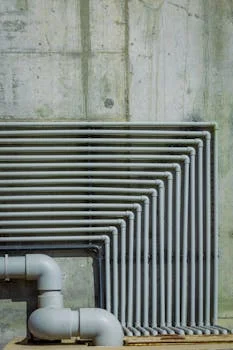
Proactive maintenance is the cornerstone of corrosion control in wastewater treatment equipment, bridging the gap between design strategies and long-term durability. While material selection and cathodic protection systems provide foundational defense, consistent upkeep ensures these measures remain effective. Below is a structured maintenance protocol tailored for wastewater infrastructure, with frequency recommendations based on industry standards (NACE SP0169, AWWA C105) and real-world plant data.
Inspection & Monitoring Checklist
- Visual Inspections: Conduct weekly walkthroughs for surface corrosion, coating delamination, or biofilm accumulation. Prioritize high-risk zones (e.g., aeration basins, clarifier weirs) where microbiologically influenced corrosion (MIC) accelerates degradation. Document findings using standardized corrosion rating scales (e.g., ASTM D610).
- Non-Destructive Testing (NDT): Perform ultrasonic thickness measurements quarterly on critical assets like sludge pumps and pipelines. For buried infrastructure, use electromagnetic surveys biannually to detect hidden corrosion.
- Smart Monitoring: Integrate real-time corrosion sensors (e.g., linear polarization resistance probes) for continuous data. For legacy systems, upgrading to smart monitoring can reduce unplanned downtime by 30%, per Emerson case studies.
Cleaning & Coating Maintenance
| Task | Frequency | Procedure |
|---|---|---|
| High-Pressure Washing | Monthly | Use 1,500-2,500 psi water jets to remove scale and biofilms from metal surfaces. Avoid abrasive media on coated assets. |
| Coating Touch-Ups | Annually (or per manufacturer specs) | Inspect epoxy or polyurethane coatings for holidays (voids). Repair with compatible materials, ensuring surface prep meets SSPC-SP10 standards. |
| Chemical Cleaning | Semi-Annually | Apply citric acid (5-10% solution) or EDTA-based cleaners to dissolve mineral deposits. Neutralize pH post-treatment to prevent secondary corrosion. |
Cathodic Protection (CP) System Upkeep
- Sacrificial Anodes: Replace zinc or magnesium anodes when 50% consumed (typically every 2-5 years, depending on water chemistry).
- Impressed Current Systems: Verify rectifier output monthly; adjust current density to maintain -850 mV (vs. Cu/CuSO₄ reference electrode) for steel structures.
- Test Stations: Measure pipe-to-soil potentials quarterly to confirm CP effectiveness. Document trends to identify stray current interference.
For industrial wastewater streams with high chloride or sulfide loads, increase inspection frequency by 50%. Pair these protocols with corrosion-resistant alloys for pumps (e.g., duplex stainless steel) and chemical dosing (e.g., nitrate addition to inhibit MIC) to maximize equipment lifespan. Regular maintenance not only prevents failures but also optimizes capital expenditure—plants adhering to these protocols report a 22% reduction in annual corrosion-related costs, according to strategic maintenance planning data.
Real-world applications demonstrate how these strategies deliver measurable results.
Case Studies: How Facilities Reduced Corrosion Costs by 40-60%
Real-world applications demonstrate that targeted corrosion control in wastewater treatment equipment delivers measurable returns. Below are three documented cases where facilities achieved 40-60% cost reductions through material upgrades, monitoring systems, and chemical dosing strategies tailored to their wastewater streams.
1. Municipal Plant: Cathodic Protection for Aging Infrastructure
A 25 MGD municipal wastewater treatment plant in the Midwest faced annual corrosion-related repairs exceeding $850,000 due to microbiologically influenced corrosion (MIC) in its carbon steel clarifier mechanisms. After conducting a corrosion failure analysis per ASTM G16, the facility implemented a hybrid solution:
- Installed sacrificial anode cathodic protection (zinc anodes, 12-month replacement cycle) on submerged components, reducing galvanic corrosion in water treatment by 72%.
- Replaced high-wear pump impellers with corrosion-resistant alloys (duplex stainless steel 2205) for a 3x lifespan extension.
- Deployed real-time corrosion monitoring sensors (linear polarization resistance) to trigger automated biocide dosing when MIC rates exceeded 0.5 mm/year.
Results: Corrosion-related downtime dropped from 18 days/year to 3 days/year, with a 58% reduction in maintenance costs over 36 months. The plant's maintenance cost planning now allocates 30% of its budget to proactive corrosion control, up from 8%.
2. Food Processing Facility: Chemical Dosing Optimization
A dairy processor in California struggled with pitting corrosion in its dissolved air flotation (DAF) units, where fluctuating pH (4.2-8.5) and high chloride loads (1,200 ppm) accelerated galvanic corrosion in water treatment equipment. The facility adopted a two-pronged approach:
| Parameter | Before Intervention | After Intervention |
|---|---|---|
| Corrosion rate (mm/year) | 1.8 | 0.3 |
| Chemical dosing (ppm) | Fixed: 50 ppm orthophosphate | Dynamic: 15-40 ppm orthophosphate + 5 ppm zinc |
| Equipment replacement frequency | Every 18 months | Every 48 months |
Key Action: The facility integrated a pH/ORP-controlled dosing system to adjust inhibitor blends in real time, reducing chemical costs by 42% while improving wastewater infrastructure durability. Annual corrosion-related expenditures fell from $420,000 to $175,000.
3. Chemical Manufacturing Plant: Smart Monitoring ROI
A specialty chemical plant in Texas faced recurring failures in its effluent neutralization tanks due to sulfuric acid carryover (pH 1.5-3.0). Traditional epoxy coatings failed within 12 months, prompting a shift to:
- Fiberglass-reinforced plastic (FRP) tank liners with a 10-year warranty.
- Wireless corrosion sensors (Emerson's RocTest system) to track wall thickness loss at 0.1 mm precision.
- Predictive maintenance alerts tied to the plant's SCADA system, reducing unplanned shutdowns by 89%.
Outcome: The plant's corrosion-related capital expenditures dropped by 63% over five years. For facilities considering similar upgrades, our guide on upgrading to smart monitoring systems details implementation steps and ROI benchmarks.
Lesson Learned: Corrosion prevention in wastewater treatment equipment is not one-size-fits-all. Municipal plants benefit most from cathodic protection, while industrial facilities require dynamic chemical dosing or material upgrades. All cases confirm that upfront investments in monitoring and corrosion-resistant alloys for pumps pay off within 18-24 months.
Who This Is For / Next Step
Who this is for: plant engineers, EPC designers, and procurement managers sizing pumps, clarifiers, buried pipe, and coatings for municipal or industrial wastewater. Who should look elsewhere: teams seeking only potable-distribution CP or HVAC closed-loop chemistry—those programs use different criteria and inhibitors. If you need help matching alloys, coatings, and package plant layouts to your influent, request a corrosion-focused equipment review with your chloride, sulfide, pH, and temperature data.
Frequently Asked Questions
What's the most cost-effective material for pumps in industrial wastewater?
For industrial wastewater with high chloride (>500 mg/L) or sulfur compounds, duplex stainless steels (e.g., 2205) outperform 316L with 3-5x longer service life. In municipal systems, 316L remains cost-effective for pH 6-9 and chloride <200 mg/L. Use this material selection matrix for reference:
| Wastewater Type | Chloride (mg/L) | Recommended Alloy | Expected Lifespan (years) |
|---|---|---|---|
| Municipal (primary treatment) | <200 | 316L | 12-15 |
| Industrial (chemical processing) | 500-1,000 | 2205 Duplex | 18-22 |
| High-sulfur industrial | >1,000 | Alloy 20 | 20+ |
How often should I test for microbiologically influenced corrosion (MIC)?
Test quarterly for sulfate-reducing bacteria (SRB) and acid-producing bacteria (APB) in anaerobic zones like clarifiers and digesters. Use real-time corrosion monitoring systems with electrochemical sensors for continuous MIC detection. Facilities with historical MIC failures should increase testing to monthly during warm seasons (water temp >20°C).
Can cathodic protection work for buried wastewater pipes?
Yes, but design must account for variable soil resistivity and stray currents. Impressed current systems with mixed-metal oxide anodes achieve 85-95% corrosion reduction in pipes with <10,000 ohm-cm soil resistivity. For smaller systems, sacrificial zinc anodes provide 5-7 years of protection at 30-50% lower capital cost. Always pair with dielectric coatings per NACE SP0169 practice for external corrosion control on underground or submerged metallic piping.
What's the first sign my equipment needs corrosion intervention?
Monitor for these early indicators: 1) pitting depth >0.5mm in stainless steel, 2) iron oxide deposits on concrete surfaces (indicates MIC), or 3) 10% wall thickness loss in carbon steel per ultrasonic testing. Implement chemical dosing (e.g., nitrite inhibitors at 50-100 mg/L) when corrosion rates exceed 0.1 mm/year in critical assets. For long-term planning, refer to our maintenance cost planning guide to align interventions with budget cycles.
What corrosion prevention solutions fit wastewater treatment plants?
Effective solutions combine zone-specific alloys or FRP/HDPE, qualified epoxy or ceramic linings, chemistry and biofilm control, plus ER/LPR or coupon monitoring. Municipal plants often start with cathodic protection and coating repair on clarifiers and buried pipe. Industrial plants usually add dynamic inhibitor dosing and duplex or higher alloys on pumps and DAF equipment exposed to chlorides and organic acids.