Antalya’s sewage treatment equipment market is fragmented, with suppliers offering solutions from compact MBR systems (ideal for coastal hotels) to industrial DAF units (for food processing). Key selection criteria include compliance with Turkish Water Pollution Control Regulation (e.g., COD <125 mg/L for discharge to sensitive areas) and cost benchmarks: a 50 m³/h WSZ underground plant averages €80,000–€120,000 CAPEX, while a 200 m³/h MBR system ranges from €350,000–€500,000. This guide provides a zero-risk framework to match suppliers to your project’s technical and budgetary needs.
Why Antalya’s Sewage Treatment Needs Are Unique: Compliance, Seasonality, and Space Constraints
Antalya's unique environmental and economic landscape dictates specific requirements for wastewater treatment systems, primarily driven by its tourism-heavy economy, coastal location, and rapid urbanization. Approximately 70% of Antalya’s wastewater originates from domestic sources, including hotels, resorts, and residential areas; 20% from industrial zones such as food processing and textiles; and 10% from general municipal infrastructure (HydropureWater field data, 2025). Each source presents distinct effluent characteristics and requires adherence to specific limits outlined in the Turkish Water Pollution Control Regulation.
Seasonal load fluctuations are a critical design consideration, with summer tourism driving 30–50% higher wastewater flows compared to winter months. Systems must be designed to handle these peak loads efficiently without incurring the excessive capital expenditure of overdesign for year-round maximum capacity. For instance, an ESLI 2023 hotel project in Lara Beach experienced a 40% seasonal variance in wastewater volume, necessitating a modular MBR system for high-quality effluent reuse in Antalya’s industrial and municipal projects that could scale capacity (HydropureWater field data, 2025).
Coastal challenges further complicate equipment selection for sewage treatment equipment suppliers in Antalya. High salinity levels, often ranging from 5,000–10,000 mg/L Total Dissolved Solids (TDS) in coastal areas, can inhibit the biological activity of conventional activated sludge systems. limited space availability in prime coastal real estate, particularly for hotels and resorts, mandates compact solutions. Modular MBR and compact underground sewage treatment system for Antalya hotels and resorts are often preferred due to their significantly smaller footprint, typically 60% less than conventional systems, according to EPA 2023 footprint data. This allows for underground or rooftop installations, preserving valuable land.
Compliance hotspots, such as discharge to environmentally sensitive areas like Lara Beach or Konyaaltı Beach, impose stringent nutrient removal requirements. These areas often necessitate total nitrogen (TN) levels below 15 mg/L and total phosphorus (TP) below 2 mg/L to prevent eutrophication. Currently, only a limited number of suppliers in Antalya, including ESLI Water Treatment, Rotem Su Arıtma Sistemleri, and BlueWave Industries, offer advanced tertiary treatment capabilities that reliably achieve these low nutrient limits.
| Antalya Wastewater Profile & Challenges | Characteristic | Impact on System Design | Key Technology Considerations |
|---|---|---|---|
| Wastewater Source Distribution | 70% Domestic, 20% Industrial, 10% Municipal | Varied effluent quality, distinct compliance needs. | Flexible systems, industry-specific pre-treatment. |
| Seasonal Load Fluctuations | 30-50% higher flows in summer | Requires flexible capacity, modular design. | Modular MBR, adaptable WSZ plants. |
| Coastal Salinity | 5,000–10,000 mg/L TDS | Inhibits conventional biological processes. | Salinity-tolerant MBR/WSZ, specialized aeration. |
| Space Constraints (Coastal) | Limited land availability | Favors compact, underground, or rooftop systems. | MBR, WSZ underground plants (60% smaller footprint). |
| Sensitive Area Discharge | Lara Beach, Konyaaltı Beach | Requires stringent nutrient removal (TN <15, TP <2). | Tertiary treatment (e.g., denitrification, phosphorus removal). |
Turkish and EU Wastewater Standards: What Antalya Buyers Must Know Before Sourcing Equipment
Adherence to the Turkish Water Pollution Control Regulation (Su Kirliliği Kontrolü Yönetmeliği) is non-negotiable for all sewage treatment projects in Antalya, with specific discharge limits varying based on the receiving environment. The 2004 regulation, amended in 2022, establishes critical parameters such as Chemical Oxygen Demand (COD) <125 mg/L, Biochemical Oxygen Demand (BOD₅) <40 mg/L, and Total Suspended Solids (TSS) <30 mg/L for general discharge (Turkish Regulation, Table 1). For sensitive receiving waters, such as coastal areas or protected zones, more stringent limits apply, including Total Nitrogen (TN) <15 mg/L and Total Phosphorus (TP) <2 mg/L (Turkish Regulation, Table 1). These specific antalya wastewater treatment regulations are paramount for ensuring environmental protection.
Antalya’s municipal wastewater treatment infrastructure is aligning with the EU Urban Waste Water Directive (91/271/EEC), which mandates secondary treatment standards for all agglomerations by 2027. This alignment influences the design and upgrade of larger municipal plants, as exemplified by Özaltın Holding’s 2024 lagoon project in Antalya, which focused on enhancing biological treatment to meet these evolving standards (HydropureWater project data, 2024).
Industrial pre-treatment requirements are also clearly defined under the turkish water pollution control regulation 2025. Facilities like food processing plants (e.g., olive oil mills) must reduce specific pollutants, such as Fats, Oils, and Greases (FOG) to below 50 mg/L, before discharging their effluent into municipal sewage systems. This prevents clogging and operational issues in public infrastructure. An ESLI 2023 project for a food processing facility in Antalya involved the installation of a 100 m³/h industrial DAF system for pre-treatment of food processing and textile wastewater in Antalya to achieve these FOG reduction targets.
For projects considering sewage reuse standards Turkey, especially for irrigation or toilet flushing, the treated effluent must meet even higher quality benchmarks. MBR effluent intended for reuse typically needs to achieve a BOD₅ of less than 10 mg/L and turbidity below 2 NTU (WHO Guidelines for the Safe Use of Wastewater, 2023). This provides significant opportunities for water conservation in Antalya’s arid climate, offering an attractive return on investment for hotels and agricultural enterprises.
A common compliance pitfall for buyers is encountering suppliers who quote ‘generic’ systems without specific provisions for Antalya’s unique challenges, such as high salinity or the need for advanced nutrient removal. To mitigate this, procurement managers should always request Antalya-specific case studies and ask direct questions, such as: "Provide third-party lab reports demonstrating your system's compliance with Turkish Regulation Table 1 limits for TN and TP in a coastal Antalya project."
| Wastewater Standard Category | Key Parameters & Limits for Antalya | Applicable Regulation | Impact on Supplier Selection |
|---|---|---|---|
| General Discharge Limits | COD <125 mg/L, BOD₅ <40 mg/L, TSS <30 mg/L | Turkish Water Pollution Control Regulation (Table 1) | Mandatory baseline for all projects. |
| Sensitive Area Discharge | TN <15 mg/L, TP <2 mg/L | Turkish Water Pollution Control Regulation (Table 1) | Requires advanced tertiary treatment capabilities. |
| Municipal Plant Alignment | Secondary treatment standards by 2027 | EU Urban Waste Water Directive (91/271/EEC) | Influences larger municipal project upgrades. |
| Industrial Pre-treatment | FOG <50 mg/L (e.g., food processing) | Turkish Water Pollution Control Regulation | Necessitates specialized pre-treatment units (e.g., DAF). |
| Wastewater Reuse Standards | BOD₅ <10 mg/L, Turbidity <2 NTU (for irrigation) | WHO Guidelines (2023) | Requires high-quality MBR or advanced filtration. |
Sewage Treatment Technologies for Antalya: How to Match Your Project to the Right System
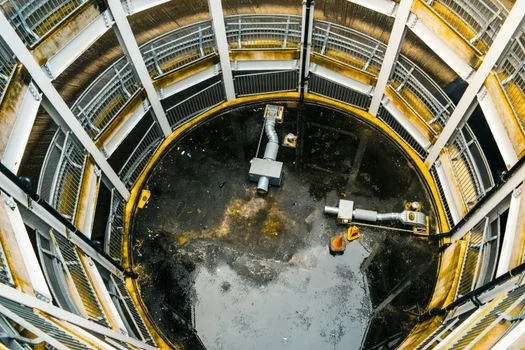
Selecting the optimal sewage treatment technology for projects in Antalya requires a precise match between effluent goals, site constraints, and budget, moving beyond generic solutions. Each technology offers distinct advantages for specific applications, ranging from compact hotel systems to large-scale industrial pre-treatment.
The choice of technology significantly impacts both capital expenditure (CAPEX) and operational expenditure (OPEX), alongside effluent quality and physical footprint. For instance, a compact underground sewage treatment system for Antalya hotels and resorts, like a WSZ Underground A/O Plant, is ideal for smaller capacities and where discreet installation is paramount. Meanwhile, an MBR system for high-quality effluent reuse in Antalya’s industrial and municipal projects offers superior effluent quality and a smaller footprint, crucial for high-value land areas.
| Technology | Capacity Range | Typical Effluent Quality | Footprint | CAPEX Range (€/m³/h or €/m³/day) | Antalya Use Case |
|---|---|---|---|---|---|
| WSZ Underground A/O Plants | 1–80 m³/h | COD <60 mg/L, BOD₅ <15 mg/L | 20 m² (for 50 m³/h) | €1,500–€2,500/m³/h | Coastal hotels, small resorts, villas needing discreet, compact solutions. |
| MBR Systems | 10–2,000 m³/day | BOD₅ <5 mg/L, TSS <1 mg/L, Turbidity <2 NTU | 60% smaller than conventional | €3,500–€5,000/m³/day | Industrial parks (e.g., ESLI’s 2024 pharmaceutical project), hotels aiming for water reuse. |
| DAF Systems | 4–300 m³/h | TSS <30 mg/L, FOG <50 mg/L | Moderate | €2,000–€4,000/m³/h | Industrial pre-treatment (e.g., Rotem Su Arıtma’s 2023 food processing project for olive oil mills). |
| Lagoons (Aerated/Facultative) | 500–5,000 m³/day | BOD₅ <30 mg/L, TSS <50 mg/L | Very Large | €1,000–€1,500/m³/day | Large municipal projects, where land is abundant and OPEX is prioritized (e.g., Özaltın’s 6,000 m³ lagoon). |
| Hybrid Systems (e.g., DAF+MBR) | 50–1,000 m³/h | 95% COD removal, high clarity | Moderate to Large | Variable, higher end | High-strength industrial wastewater (e.g., textile dyeing wastewater, BlueWave Industries’ Mersin project). |
Antalya-specific considerations are critical for successful implementation. Salinity tolerance is paramount for coastal projects; MBR and WSZ plants are engineered to handle up to 10,000 mg/L TDS, making them suitable. Conversely, conventional activated sludge systems often struggle with high salinity, leading to reduced efficiency and potential compliance issues. Seasonal flexibility is another key factor for tourism-driven areas; modular MBR or WSZ systems allow for easy capacity expansion or reduction, preventing overdesign and enabling efficient operation during peak and off-peak seasons. An ESLI 2023 hotel project successfully scaled its wastewater treatment capacity by 30% during the high season using a modular MBR design (HydropureWater field data, 2025). Finally, space constraints, particularly in densely developed coastal areas, necessitate innovative solutions. Underground WSZ or rooftop MBR systems are increasingly adopted by hotels and resorts in Antalya to maximize usable land and maintain aesthetic appeal, as demonstrated by a 2024 Antalya resort case study where a rooftop MBR system served a 500-room hotel.
Top 5 Sewage Treatment Equipment Suppliers in Antalya: Capabilities, Costs, and Case Studies
Identifying a reliable sewage treatment equipment supplier in Antalya requires evaluating their specialization, track record, and transparent cost structures, moving beyond generic offerings. The market includes a range of providers, from industrial specialists to compact system providers, each with distinct strengths for Antalya’s diverse project needs.
Cost transparency is essential when comparing proposals from different suppliers. The CAPEX benchmarks provided typically include equipment, installation, and commissioning, but generally exclude civil works, which can add 15–25% for underground systems. OPEX benchmarks highlight energy consumption (e.g., MBR at 1.0–1.2 kWh/m³) and chemical usage, critical for long-term budget planning. For instance, understanding sewage treatment cost benchmarks Turkey is crucial for accurate financial forecasting.
| Company | Specialization | Capacity Range | Key Projects in/near Antalya | CAPEX Benchmark (€/m³/h or €/m³/day) |
|---|---|---|---|---|
| ESLI Water Treatment | Industrial (pharmaceuticals, microelectronics), advanced MBR | 10–500 m³/h | 2023 Antalya hospital project (MBR, 100 m³/day) - how Antalya’s medical facilities can learn from Athens’ hospital wastewater compliance strategies | €3,500–€4,500/m³/day |
| Rotem Su Arıtma Sistemleri | Compact systems (hotels, resorts), WSZ underground | 1–50 m³/h | 2024 Lara Beach resort (WSZ, 30 m³/h) | €1,800–€2,500/m³/h |
| BlueWave Industries (Mersin) | Industrial (textiles, food processing), DAF + MBR hybrid | 50–1,000 m³/h | 2023 Adana textile plant (DAF + MBR, 500 m³/h) - cost benchmarks and tech specs for Antalya’s food processing and textile industries | €2,500–€3,500/m³/h |
| Özaltın Holding | Municipal (lagoons, pump stations), large-scale infrastructure | 500–10,000 m³/day | 2024 Antalya municipal lagoon (6,000 m³) | €1,000–€1,500/m³/day |
| Local distributors (e.g., Antalya Su Teknolojileri) | Small-scale (villas, clinics), packaged systems | 1–10 m³/h | 2023 Kemer clinic (compact medical wastewater treatment system for Antalya clinics and dental offices) | €2,000–€3,000/m³/h |
A thorough supplier vetting checklist wastewater should include specific inquiries. Always request Antalya-specific case studies to verify a supplier's understanding of local conditions and regulatory compliance; generic 'global' references are often insufficient. Demand third-party lab reports from these projects to confirm effluent quality against Turkish Regulation Table 1 limits. Finally, investigate after-sales support, as this directly impacts long-term operational reliability. ESLI, for instance, offers 24/7 remote monitoring, while Rotem provides comprehensive on-site training programs, such as their 2024 program for hotel maintenance staff, ensuring local teams are proficient in system operation and basic troubleshooting.
How to Calculate Your Project’s Total Cost: CAPEX, OPEX, and Hidden Expenses in Antalya
Accurately calculating the total cost of a sewage treatment project in Antalya extends beyond initial equipment purchase to encompass long-term operational expenses and often overlooked hidden costs. A comprehensive financial model is critical for procurement approvals and ensures transparent budget planning, addressing all aspects of CAPEX OPEX sewage treatment plant.
Capital Expenditure (CAPEX) for a 100 m³/h system, for example, typically breaks down as follows:
- Equipment: This is the primary cost, varying significantly by technology. An MBR system might cost €120,000, a WSZ underground plant €80,000, and an industrial DAF system for pre-treatment of food processing and textile wastewater in Antalya €60,000.
- Installation: Typically 15–20% of the equipment cost, but can be higher for complex or underground systems requiring specialized labor and excavation.
- Civil Works: Ranging from €20,000–€50,000, these costs cover excavation, concrete foundations, structural housing, and landscaping to integrate the plant into the site.
- Commissioning: An essential 5–10% of the equipment cost, covering startup, testing, optimization, and crucial operator training to ensure efficient plant performance.
Operational Expenditure (OPEX) represents the ongoing costs for the annual operation of the plant:
- Energy: A major component, estimated at €15,000–€25,000 annually for a 100 m³/h system, assuming 0.8–1.2 kWh/m³ energy consumption at an average electricity cost of €0.12/kWh. MBR systems tend to be on the higher end of this range due to aeration and membrane scouring.
- Chemicals: Costs range from €5,000–€10,000 for coagulants, flocculants, and disinfectants (e.g., chlorine, or for advanced disinfection, consider how ozone disinfection can enhance Antalya’s sewage treatment systems for reuse applications).
- Sludge Disposal: A significant variable cost, estimated at €10,000–€30,000 annually, depending on sludge volume and local disposal fees (€50–€150/ton).
- Maintenance: Typically 2–5% of the initial CAPEX, though MBR systems may incur higher maintenance costs due to periodic membrane replacement (every 5-10 years).
Hidden costs in Antalya often include project-specific environmental factors and administrative requirements:
- Salinity Corrosion: Coastal projects may require 10–15% additional CAPEX for corrosion-resistant materials (e.g., stainless steel components) compared to standard carbon steel, preventing premature equipment failure.
- Seasonal Labor: Installation costs can rise by 20–30% during the peak summer tourism season due to increased demand for skilled labor and logistical challenges.
- Permitting: Municipal approvals and environmental impact assessments can incur costs of €5,000–€15,000, reflecting Antalya Metropolitan Municipality’s 2024 fee schedule and regulatory complexity.
An ROI calculation template helps justify investment by quantifying payback periods:
Payback Period = (Total CAPEX + 5-Year Total OPEX) / (Annual Savings from Compliance + Annual Revenue from Water Reuse)
For example, a 50 m³/h MBR system for a hotel with a €150,000 CAPEX and €20,000/year OPEX, generating €30,000/year in water reuse savings (e.g., reduced municipal water purchase), could achieve a payback period of approximately 5 years. This demonstrates clear financial benefits beyond mere compliance.
| Cost Category | Component | Estimated Range (100 m³/h system) | Notes for Antalya Projects |
|---|---|---|---|
| CAPEX (Initial Investment) | Equipment | €60,000–€120,000 | Varies by technology (DAF < WSZ < MBR). |
| Installation | 15–20% of equipment cost | Higher for underground/complex systems, seasonal labor impact. | |
| Civil Works | €20,000–€50,000 | Excavation, concrete, landscaping. | |
| Commissioning & Training | 5–10% of equipment cost | Ensures proper startup and operator proficiency. | |
| OPEX (Annual Operating Costs) | Energy | €15,000–€25,000 | 0.8–1.2 kWh/m³ at €0.12/kWh; MBR typically higher. |
| Chemicals | €5,000–€10,000 | Coagulants, disinfectants, pH adjusters. | |
| Sludge Disposal | €10,000–€30,000 | €50–€150/ton; volume dependent. | |
| Maintenance & Spares | 2–5% of CAPEX | Higher for MBR due to membrane replacement cycle. | |
| Hidden Costs (Antalya-Specific) | Salinity Corrosion Prevention | +10–15% to CAPEX | For coastal projects (stainless steel components). |
| Seasonal Labor Surcharge | +20–30% on installation | During peak summer tourism season. | |
| Permitting & Approvals | €5,000–€15,000 | Antalya Metropolitan Municipality fees, environmental assessments. |
Step-by-Step RFP Checklist: How to Select a Sewage Treatment Supplier in Antalya Without Regrets
A structured Request for Proposal (RFP) process is essential for de-risking the selection of a sewage treatment equipment supplier in Antalya, ensuring all technical, compliance, and financial criteria are met. This step-by-step approach guides procurement managers and engineers through a rigorous evaluation.
Pre-RFP Steps: Laying the Foundation
- Define Effluent Goals: Clearly articulate desired effluent quality, distinguishing between 'BOD₅ <10 mg/L for reuse' and 'TSS <30 mg/L for discharge'. This precision prevents misaligned proposals.
- Conduct a Site Audit: Document site specifics including available space, geological soil conditions, existing utility connections, and power availability. This informs system design and installation logistics.
- Shortlist 3–5 Suppliers: Utilize the comparison tables and insights from this guide to identify vendors specializing in your project type (e.g., MBR vs DAF for coastal hotels, or municipal projects).
RFP Questions to Ask: Ensuring Comprehensive Responses
When issuing your RFP, include specific questions that compel suppliers to provide detailed, Antalya-relevant information:
- Compliance: "Provide third-party lab reports for a similar Antalya project (e.g., hotel or industrial zone) demonstrating compliance with Turkish Water Pollution Control Regulation Table 1 discharge limits, specifically for TN and TP if applicable."
- Technical: "Specify the membrane pore size (for MBR systems) or the air:solids ratio (for DAF systems) and justify its suitability for Antalya’s typical wastewater characteristics, including salinity."
- Cost: "Itemize all CAPEX components, including equipment, installation, civil works, and commissioning. Provide a detailed OPEX breakdown for the first five years, covering energy, chemicals, sludge disposal, and estimated maintenance, with unit costs."
- Support: "Describe your Antalya-based service team's structure, response time for critical issues, and your preventative maintenance program. Provide references for local after-sales support."
Red Flags to Avoid: Identifying Potential Risks
- Lack of Antalya Case Studies: Suppliers without verifiable projects in Antalya may lack crucial understanding of local regulations, climate, and logistical challenges, increasing the risk of non-compliance.
- Quotes Missing OPEX Details: Incomplete OPEX breakdowns are a major red flag, often indicative of hidden costs that will surface during operation. Demand full transparency on energy, chemicals, and sludge.
- No Warranty on Critical Components: Absence of a clear warranty on high-value, high-wear components like MBR membranes or DAF diffusers signals a lack of confidence in product longevity.
Negotiation Tips: Optimizing Value
- Bundle Installation and Commissioning: Requesting a combined quote for these services can often yield a 10–15% discount compared to separate contracts.
- Request a Pilot Test: For complex industrial projects (e.g., textile wastewater), a small-scale pilot test can validate performance and de-risk full-scale investment.
- Lock in OPEX Rates: Negotiate long-term contracts (3–5 years) for energy and chemical supply, or at least fixed-price agreements for consumables, to mitigate future price volatility.
Frequently Asked Questions
Addressing common inquiries significantly streamlines the procurement process for sewage treatment equipment in Antalya, providing quick answers to critical decision points.
Q: What are the primary regulations governing sewage treatment in Antalya?
A: The main regulation is the Turkish Water Pollution Control Regulation (Su Kirliliği Kontrolü Yönetmeliği), which specifies discharge limits for parameters like COD, BOD₅, TSS, TN, and TP, with stricter limits for sensitive areas. Additionally, municipal projects align with the EU Urban Waste Water Directive (91/271/EEC).
Q: How does Antalya's high seasonal tourism impact wastewater treatment system design?
A: Seasonal tourism causes 30–50% load fluctuations. Systems must be designed for flexibility, often utilizing modular MBR or WSZ plants that can be expanded or contracted to efficiently handle peak summer flows without overdesigning for the off-season.
Q: Are MBR systems suitable for coastal hotels in Antalya with limited space?
A: Yes, MBR systems are highly suitable. They offer a 60% smaller footprint than conventional systems and can be installed on rooftops or underground, addressing space constraints. They also produce high-quality effluent suitable for reuse, which is beneficial for hotels aiming to reduce water costs.
Q: What are typical sewage treatment cost benchmarks Turkey for a medium-sized hotel (e.g., 50 m³/h)?
A: For a 50 m³/h system, a compact WSZ underground sewage treatment system for Antalya hotels and resorts typically costs €80,000–€120,000 in CAPEX. A more advanced MBR system for high-quality effluent reuse in Antalya’s industrial and municipal projects of similar capacity would be in the range of €150,000–€250,000, offering superior effluent quality and smaller footprint.
Q: What hidden costs should be anticipated for a sewage treatment project in Antalya?
A: Key hidden costs include increased CAPEX (10–15%) for corrosion-resistant materials due to coastal salinity, a 20–30% surcharge on installation labor during peak tourism season, and €5,000–€15,000 for municipal permitting and environmental assessments.