Solar cell wastewater treatment suppliers must deliver hybrid DAF-RO-MBR systems capable of 99%+ TSS removal and 95%+ COD reduction to meet EPA 40 CFR Part 469 limits for arsenic (<0.1 mg/L) and HF acid (<10 mg/L). Solar integration reduces grid dependency by 30–60% in high-irradiance regions (e.g., Arizona, Saudi Arabia), with CAPEX ranging from $200K for small-scale batch systems to $15M for high-recovery RO-MBR hybrids treating 100+ gpm. Key 2027 advancements include zero-fouling PVDF MBR membranes (0.1 μm pore size) extending cleaning intervals to 6–12 months, cutting OPEX by 25% vs. 2024 benchmarks.
Why Solar Cell Wastewater Treatment Fails: 3 Hidden Gaps in PV Fab Effluent
Unplanned shutdowns due to water scarcity or non-compliance cost solar cell manufacturing plants millions annually, impacting production targets and brand reputation. Periods with reduced water availability can compromise the operation of water and energy intensive industrial processes, leading to unplanned factory shutdowns (per scientific literature on circular water strategies in solar cell manufacturing). Beyond water availability, the complex effluent profile from photovoltaic (PV) manufacturing processes frequently overwhelms conventional single-stage treatment systems, leading to persistent compliance issues.
High fluoride concentrations, often ranging from 50–500 mg/L, and ammonia levels between 100–1,000 mg/L in solar panel manufacturing effluent consistently exceed the removal capacity of basic treatment methods, leading to membrane fouling and regulatory violations. The production of silicon wafers involves aggressive chemical cleaning and etching, resulting in complex effluents with these elevated contaminant levels. conventional treatment systems struggle to manage the wide influent pH swings (typically 2–12) and heavy metal spikes (10–1,000 ppm) common in solar cell wastewater, making consistent effluent quality an ongoing challenge. For instance, a solar fab in Arizona faced a $2 million fine for arsenic exceedance (0.15 mg/L vs. EPA limit of 0.1 mg/L) due to inadequate pretreatment and a system unable to dynamically respond to varying influent loads.
Hybrid DAF-RO-MBR Systems: 2027 Engineering Specs for Solar Cell Wastewater
Hybrid DAF-RO-MBR systems achieve 99%+ TSS removal and 95%+ COD reduction, effectively addressing the complex contaminant profiles of solar cell wastewater. These multi-stage systems are engineered to handle influent pH ranges from 2–12 and flow rates from <1 gpm to 400+ gpm, meeting stringent discharge limits such as EPA 40 CFR Part 469 for heavy metals and HF acid.
The initial Dissolved Air Flotation (DAF) stage, utilizing systems like the DAF system for solar cell wastewater pretreatment, effectively removes 92–97% of Total Suspended Solids (TSS) and 60–80% of Fats, Oils, and Greases (FOG) at flow rates between 4–300 m³/h. Following DAF, the Reverse Osmosis (RO) stage, often employing high-recovery RO systems for fluoride and heavy metal removal, achieves 95%+ fluoride and ammonia removal. These systems are designed with recovery rates up to 85% for high-recovery hybrids, minimizing water waste. The final biological treatment is handled by the MBR stage, which incorporates 2027 zero-fouling PVDF membranes with a 0.1 μm pore size. These advanced membranes deliver effluent Chemical Oxygen Demand (COD) levels of ≤50 mg/L and extend cleaning intervals to 6–12 months, resulting in a 25% OPEX reduction compared to 2024 benchmarks. Modular designs ensure system scalability, supporting flow rates from <1 gpm up to 400+ gpm, with CAPEX ranging from $500K for smaller batch systems to $15M for high-recovery RO-MBR hybrids.
The typical process flow for a hybrid DAF-RO-MBR system involves influent entering the DAF for TSS and FOG removal, followed by the RO stage for heavy metal and ion removal, then the integrated MBR system with zero-fouling PVDF membranes for biological treatment, leading to high-quality effluent suitable for reuse or discharge. For more detailed specifications, refer to 2027 hybrid DAF-RO-MBR specs and cost models.
| System Stage | Key Function | 2027 Performance Spec | Typical Contaminant Removal |
|---|---|---|---|
| DAF (Dissolved Air Flotation) | Pretreatment, TSS/FOG removal | 92–97% TSS removal, 60–80% FOG removal | Suspended Solids, Oils, Greases |
| RO (Reverse Osmosis) | Primary contaminant removal | 95%+ Fluoride & Ammonia removal, 85% recovery | Heavy Metals, Fluoride, Ammonia, Dissolved Salts |
| MBR (Membrane Bioreactor) | Biological treatment, solids separation | Effluent COD ≤50 mg/L, 0.1 μm PVDF membranes | BOD, COD, Pathogens, Suspended Solids |
Solar Integration Benchmarks: Energy Savings and Payback Periods by Region
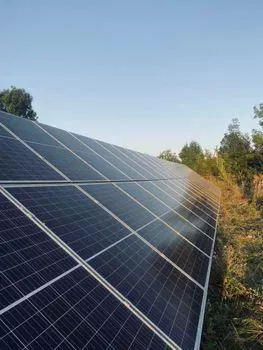
Solar integration can reduce grid energy consumption for wastewater treatment systems by 30–60%, significantly impacting operational costs and sustainability profiles. In high-irradiance regions, such as Arizona and Saudi Arabia, solar-powered systems can achieve 50–60% grid energy reduction with payback periods of 3–4 years for systems treating more than 50 m³/h. These substantial savings are driven by consistent sunlight exposure and often favorable local incentives for renewable energy adoption.
For moderate-irradiance regions like Germany and China, solar integration typically yields 30–40% energy reduction, with payback periods extending to 4–5 years. System sizing often follows a benchmark of approximately 1 kWp of solar capacity per 10 m³/h of treated wastewater. Hybrid solar-grid systems, which incorporate battery storage (e.g., Li-ion or flow batteries), add 15–20% to the initial CAPEX but ensure 24/7 operation during periods of low sunlight, providing critical reliability for continuous industrial processes. A compelling case study involved a 100 m³/h solar cell wastewater treatment supplier system deployed in Riyadh, Saudi Arabia, which achieved 58% energy savings, translating to an OPEX reduction of $120K/year. With a CAPEX of $3.2M, the system reached payback in 3.5 years, demonstrating the economic viability of solar integration in optimal conditions.
| Region Type | Example Regions | Grid Energy Reduction | Typical Payback Period | Solar Panel Sizing (Approx.) |
|---|---|---|---|---|
| High-Irradiance | Arizona, Saudi Arabia | 50–60% | 3–4 years | 1 kWp per 10 m³/h |
| Moderate-Irradiance | Germany, China | 30–40% | 4–5 years | 1 kWp per 10 m³/h |
Supplier Selection Framework: 5 Zero-Risk Criteria for Solar Cell Fabs
Selecting a solar cell wastewater treatment supplier requires a structured evaluation beyond basic compliance, focusing on long-term performance and operational resilience. The hybrid system scalability is a key selection criterion, ensuring future expansion needs can be met without significant retrofits (Top 1 page source). A comprehensive framework helps procurement teams make informed decisions.
First, verify the supplier’s systems meet all local effluent standards, including regional nuances like EU Directive 2010/75/EU, EPA 40 CFR Part 469, and China GB 21900-2008. A thorough checklist of key contaminants (arsenic, fluoride, ammonia, TSS, COD) should be part of the compliance review. Second, assess system scalability and modularity, specifically looking for designs that allow for at least a 20% capacity increase without requiring major retrofits or significant downtime. Third, evaluate solar integration efficiency by comparing kWh/m³ treated across different suppliers, targeting a consumption of <0.8 kWh/m³ for solar-powered systems to ensure optimal energy performance. Fourth, request detailed data on zero-fouling MBR performance, focusing on membrane cleaning intervals (target: 6–12 months) and documented OPEX savings (target: 25% reduction vs. conventional MBRs) to validate the advanced membrane technology claims. Finally, scrutinize after-sales support, including guaranteed response times for critical issues like membrane replacements (target: <72 hours) and the availability of IoT-enabled predictive maintenance and remote monitoring capabilities.
| Selection Criterion | Key Metric / Target | Impact on Solar Fab |
|---|---|---|
| Compliance Adherence | Meets EU Directive 2010/75/EU, EPA 40 CFR Part 469, China GB 21900-2008 | Prevents fines, ensures operational continuity |
| System Scalability | 20%+ capacity increase without major retrofits | Supports production growth, minimizes future CAPEX |
| Solar Integration Efficiency | <0.8 kWh/m³ treated (solar-powered) | Reduces energy OPEX, improves sustainability |
| Zero-Fouling MBR Performance | 6–12 months cleaning interval, 25% OPEX reduction | Lowers maintenance costs, increases uptime |
| After-Sales Support | <72 hours response for membrane replacement, IoT monitoring | Minimizes downtime, optimizes system performance |
CAPEX/OPEX Breakdown: 2027 Cost Models for Solar Cell Wastewater Treatment
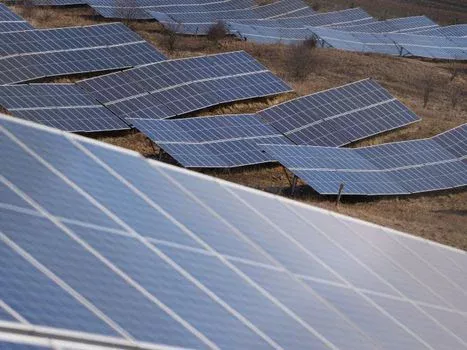
Understanding the CAPEX and OPEX components for solar cell wastewater treatment supplier systems is crucial for accurate budgeting and financial planning. Capital expenditure (CAPEX) for these systems varies significantly based on scale and complexity. Batch systems treating less than 10 m³/h typically range from $200K–$500K. Modular DAF-RO-MBR systems handling 10–100 m³/h fall within $500K–$5M. High-recovery RO-MBR hybrids designed for 100+ m³/h can require CAPEX between $5M–$15M (per 2025 engineering specs). These figures reflect the investment in equipment, installation, and initial setup.
Operational expenditure (OPEX) is primarily driven by energy consumption, which accounts for 30–40% of the total. Membrane replacement represents 20–25% of OPEX, while chemicals contribute 15–20%, and labor 10–15%. Solar integration directly impacts energy OPEX, reducing it by 30–60% in suitable regions. Specific membrane replacement costs include RO membranes, which typically cost $50–$100/m² and require replacement every 3–5 years for 85% recovery systems. MBR membranes, particularly advanced PVDF 0.1 μm pore size models, cost $150–$300/m² and have a longer lifespan of 5–8 years. A solar fab in Malaysia demonstrated significant cost savings by switching to zero-fouling MBR membranes; this extended their cleaning interval from 3 to 9 months, reducing overall OPEX by 22% annually. This illustrates how advanced membrane technology directly translates to measurable operational cost reductions.
| Cost Category | Description | 2027 Benchmark / Range |
|---|---|---|
| CAPEX (Batch Systems) | <10 m³/h flow rate | $200K–$500K |
| CAPEX (Modular DAF-RO-MBR) | 10–100 m³/h flow rate | $500K–$5M |
| CAPEX (High-Recovery RO-MBR) | 100+ m³/h flow rate | $5M–$15M |
| OPEX (Energy) | Primary operational cost | 30–40% of total OPEX (30–60% reduction with solar) |
| OPEX (Membrane Replacement) | RO and MBR membrane costs | RO: $50–$100/m² (3–5 years); MBR: $150–$300/m² (5–8 years) |
| OPEX (Chemicals) | Coagulants, pH adjusters, cleaning agents | 15–20% of total OPEX |
| OPEX (Labor) | Operation and maintenance staff | 10–15% of total OPEX |
Regional Compliance Checklist: Effluent Limits for Solar Cell Wastewater
Adhering to regional effluent limits is non-negotiable for solar cell manufacturing plants, as non-compliance can result in substantial fines and operational disruptions. The EU Directive 2010/75/EU sets strict limits for industrial emissions, including arsenic at <0.1 mg/L, fluoride at <15 mg/L, and COD at <125 mg/L for relevant industrial processes (Top 1 page source).
In the United States, EPA 40 CFR Part 469 mandates specific discharge standards for the electrical and electronic components point source category, including arsenic at <0.1 mg/L, HF acid at <10 mg/L, and TSS at <30 mg/L (Top 1 page source). China’s GB 21900-2008 standard for the discharge of water pollutants from the electronic industry specifies fluoride at <10 mg/L, ammonia at <15 mg/L, and COD at <80 mg/L. India’s Central Pollution Control Board (CPCB) Guidelines, while broadly setting TSS at <100 mg/L and COD at <250 mg/L, also feature regional variances, with water-scarce states like Rajasthan imposing stricter limits on parameters such as fluoride and heavy metals. A common compliance pitfall occurred when a solar fab in India faced a $500K fine for fluoride exceedance (22 mg/L vs. 10 mg/L limit) due to inadequate RO pretreatment, highlighting the necessity of understanding and meeting precise local regulations. Further details on regional compliance can be found in articles like Regional compliance and CAPEX benchmarks for solar fabs in India.
| Region / Standard | Arsenic Limit | Fluoride Limit | Ammonia Limit | COD Limit | TSS Limit |
|---|---|---|---|---|---|
| EU Directive 2010/75/EU | <0.1 mg/L | <15 mg/L | N/A | <125 mg/L | N/A |
| EPA 40 CFR Part 469 (USA) | <0.1 mg/L | N/A (HF acid <10 mg/L) | N/A | N/A | <30 mg/L |
| China GB 21900-2008 | N/A | <10 mg/L | <15 mg/L | <80 mg/L | N/A |
| India CPCB Guidelines | N/A | Varies (e.g., <10 mg/L in some states) | N/A | <250 mg/L | <100 mg/L |
Frequently Asked Questions
- What are the primary contaminants in solar cell manufacturing effluent?
- Solar cell manufacturing effluent typically contains high concentrations of fluoride (50–500 mg/L), ammonia (100–1,000 mg/L), heavy metals (10–1,000 ppm), and organic solvents, often with significant pH swings (2–12). These require advanced multi-stage treatment to meet discharge limits.
- How do zero-fouling MBR membranes improve wastewater treatment efficiency?
- Zero-fouling PVDF MBR membranes (0.1 μm pore size) significantly extend cleaning intervals to 6–12 months, compared to 2-3 months for conventional membranes. This reduces OPEX by up to 25% by decreasing chemical usage, labor, and downtime, while consistently delivering effluent COD ≤50 mg/L.
- What is the typical payback period for solar-integrated wastewater treatment systems?
- The payback period for solar-integrated systems ranges from 3–4 years in high-irradiance regions (e.g., Arizona, Saudi Arabia) where grid energy reduction can reach 50–60%. In moderate-irradiance areas, the payback period is typically 4–5 years, with energy savings of 30–40%.
- What are the key considerations for selecting a solar cell wastewater treatment supplier?
- Key considerations include verifying compliance with regional effluent standards (e.g., EPA 40 CFR Part 469), assessing system scalability for future growth, evaluating solar integration efficiency (kWh/m³ treated), reviewing zero-fouling MBR performance data, and ensuring robust after-sales support with remote monitoring capabilities.
- Can treated solar cell wastewater be reused in the manufacturing process?
- Yes, hybrid DAF-RO-MBR systems are designed to produce high-quality effluent, often suitable for reuse in non-critical processes or even directly in manufacturing after further polishing. This enables solar fabs to achieve significant water recovery rates, supporting zero liquid discharge (ZLD) goals and mitigating water scarcity risks.