Solar cell manufacturing wastewater contains fluoride (10–1,000+ ppm), heavy metals (cadmium, tellurium, copper), and various organics, necessitating specialized treatment to meet stringent regulatory limits such as EPA 40 CFR Part 469 or EU Directive 91/271/EEC. Advanced hybrid DAF-RO-MBR systems are engineered to achieve greater than 99% fluoride removal and reduce heavy metals to below 1 ppm, with CAPEX ranging from $100K for 1–10 gpm facilities to $10M for 100–1,000 gpm operations. Crystalline silicon fabs primarily focus on fluoride removal, whereas thin-film CdTe/CIGS facilities prioritize efficient capture of cadmium and tellurium.
Why Solar Cell Wastewater Demands Specialized Treatment Equipment
Solar cell manufacturing processes, particularly texturing and etching, generate complex industrial wastewater streams characterized by high concentrations of fluoride, heavy metals, and organics that typically far exceed municipal discharge limits. Processes such as acidic texturing and etching of silicon wafers utilize hydrofluoric acid (HF), nitric acid, and phosphoric acid, leading to high fluoride concentrations (often 10–1,000+ ppm) and dissolved metals. Cleaning steps commonly employ isopropanol, acetone, and other solvents, contributing to chemical oxygen demand (COD) levels typically ranging from 100–500 ppm. Thin-film technologies like Cadmium Telluride (CdTe) and Copper Indium Gallium Selenide (CIGS) introduce specific heavy metals such as cadmium (5–50 ppm), tellurium (2–20 ppm), copper, indium, and gallium into the wastewater, requiring specialized removal strategies (Saltworks, Top 5 page).
Meeting regulatory discharge standards is non-negotiable for solar fabs. In the United States, EPA 40 CFR Part 469 sets limits for fluoride (typically <20 mg/L) and copper (typically <1.3 mg/L). European Union facilities must comply with EU Directive 91/271/EEC, which imposes strict limits on heavy metals, including cadmium (<0.2 mg/L) and tellurium (<0.1 mg/L). China's GB 8978-1996 standard for integrated wastewater discharge sets a fluoride limit of <10 mg/L, reflecting varied global requirements. Failure to comply can result in severe penalties, including EPA fines of up to $50,000 per day for violations, production halts, and significant reputational damage, as exemplified by a 2023 case involving a Malaysian fab cited for fluoride exceedances (HydropureWater field data, 2025).
| Contaminant | Typical Influent Concentration | EPA 40 CFR Part 469 Limit (U.S.) | EU Directive 91/271/EEC Limit | China GB 8978-1996 Limit |
|---|---|---|---|---|
| Fluoride (F-) | 10 – 1,000+ ppm | <20 mg/L | Not specified (local limits apply) | <10 mg/L |
| Cadmium (Cd) | 5 – 50 ppm | <0.05 mg/L | <0.2 mg/L | <0.1 mg/L |
| Tellurium (Te) | 2 – 20 ppm | <0.2 mg/L | <0.1 mg/L | Not specified (local limits apply) |
| Copper (Cu) | 5 – 15 ppm | <1.3 mg/L | <0.5 mg/L | <0.5 mg/L |
| COD (Chemical Oxygen Demand) | 100 – 500 ppm | <50 mg/L | <125 mg/L | <100 mg/L |
Contaminant-Specific Treatment Technologies: Engineering Specs and Removal Efficiencies
Achieving compliance for solar cell wastewater requires targeted treatment technologies, with Dissolved Air Flotation (DAF), Reverse Osmosis (RO), and Membrane Bioreactors (MBR) offering distinct engineering specifications and removal efficiencies for specific contaminants. For fluoride removal, chemical precipitation, typically involving lime (calcium hydroxide) addition, is a common initial step, achieving 85–90% removal, reducing influent concentrations from 1,000 ppm to approximately 100–150 ppm. A subsequent high-efficiency DAF system for fluoride removal can further enhance this, reaching 92–97% overall removal and bringing influent 1,000 ppm down to effluent levels below 30 ppm. For polishing, Reverse Osmosis (RO) systems are essential, pushing fluoride removal to over 99%, consistently achieving effluent concentrations below 10 ppm, and often below 1 ppm (HydropureWater field data, 2025).
Heavy metals such as cadmium, tellurium, and copper are effectively removed by integrated systems. While chemical precipitation with sulfide addition can achieve 95–98% removal, MBR system for heavy metal and organics removal are highly effective, demonstrating greater than 99% removal efficiency for metals. For example, an MBR system can reduce influent cadmium concentrations of 50 ppm to effluent levels below 0.5 ppm. In thin-film fabs, advanced MBR processes have been benchmarked to achieve 99.8% gallium recovery, highlighting their precision in valuable metal capture (Saltworks, Top 5 page). Organics, including isopropanol and acetone, contribute significantly to COD. Biological treatment, specifically activated sludge systems incorporating anaerobic/anoxic/oxic (A/O) processes followed by MBR, is highly effective. This integrated A/O-MBR process can reduce COD from 500 mg/L to less than 50 mg/L, consistently meeting EPA discharge limits. The process flow typically involves influent equalization, anaerobic/anoxic zones for denitrification and phosphorus removal, followed by an aerobic MBR tank for high-efficiency biodegradation and solids separation.
A critical aspect of sustained performance in membrane-based systems is 'zero-fouling' design. This involves using robust PVDF (polyvinylidene fluoride) membranes with precise pore sizes (typically 0.1 μm) to minimize particulate and organic fouling. Automated backwash cycles, performed every 2–4 hours, dislodge accumulated material from the membrane surface. Regular chemical cleaning, using agents like citric acid for inorganic scaling and NaOH for organic fouling, ensures membrane longevity and consistent flux rates. This proactive approach significantly reduces maintenance and extends membrane lifespan (HydropureWater field data, 2025).
| Treatment Technology | Primary Contaminant Target | Removal Efficiency (Typical) | CAPEX (Relative) | OPEX (Relative) | Notes |
|---|---|---|---|---|---|
| Chemical Precipitation (Lime) | Fluoride, Heavy Metals | 85-90% (F-), 90-95% (HM) | Low | Medium (sludge, chemicals) | Generates significant sludge volume. |
| Dissolved Air Flotation (DAF) | Fluoride (post-precip.), TSS | 92-97% (F-), >95% (TSS) | Medium | Medium (chemicals, energy) | Effective for pre-treatment and polishing. |
| Membrane Bioreactor (MBR) | Heavy Metals, Organics (COD/BOD) | >99% (HM), >95% (COD) | High | Medium (energy, membrane replacement) | Excellent effluent quality, small footprint. |
| Reverse Osmosis (RO) | Fluoride, Dissolved Solids, Heavy Metals | >99% (F-), >99% (TDS, HM) | High | High (energy, membrane replacement) | Achieves highest purity, suitable for reuse. |
| A/O Biological Process | Organics (COD/BOD), N/P | >90% (COD/BOD) | Medium | Low (energy) | Effective for high organic loads. |
System Selection Framework: Matching Equipment to PV Technology and Facility Scale
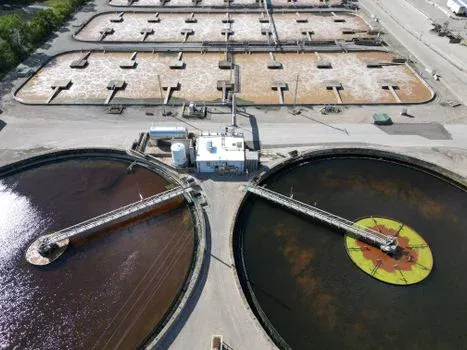
Optimal solar cell wastewater treatment equipment selection hinges on aligning specific PV technology requirements and facility flow rates with appropriate system configurations and regulatory compliance demands. Crystalline silicon (c-Si) fabs, which rely heavily on HF-based etching and cleaning, prioritize robust fluoride removal and pH neutralization. A 2027 hybrid DAF-RO-MBR system specs and cost models is often the preferred solution, combining chemical precipitation, DAF for primary fluoride reduction, and RO system for fluoride polishing and reuse. pH neutralization is typically handled by Acid Waste Neutralization (AWN) systems, as highlighted by Wastech Controls & Engineering, Inc. (Top 2 page). CAPEX for c-Si facilities ranges from $100K–$2M for smaller operations (1–50 gpm) to $2M–$10M for larger plants (50–1,000 gpm), depending on the complexity and degree of water reuse desired (HydropureWater field data, 2025).
Thin-film technologies, such as Cadmium Telluride (CdTe) and Copper Indium Gallium Selenide (CIGS), present different challenges, primarily the capture of specific heavy metals and treatment of organics. These facilities require advanced MBR system for heavy metal and organics removal or specialized chemical precipitation methods for cadmium, tellurium, indium, and gallium, often integrated with an A/O biological process for COD reduction. CAPEX for thin-film fabs typically ranges from $2M–$5M for facilities with flow rates around 50 gpm, scaling up to $5M–$15M for larger operations treating 100–1,000 gpm wastewater. The higher cost reflects the complexity of multi-metal removal and the need for higher-grade effluent for potential material recovery or discharge (HydropureWater field data, 2025).
Regulatory jurisdiction also significantly influences system design. While EPA 40 CFR Part 469 (U.S.) focuses on fluoride and general metals, EU Directive 91/271/EEC imposes strict limits on cadmium (<0.2 mg/L) and other specific heavy metals. China's GB 8978-1996 standard includes a fluoride limit of <10 mg/L, which is more stringent than typical EPA limits. A global perspective reveals a mosaic of discharge limits, often requiring systems designed for the lowest common denominator or specific regional requirements. For instance, facilities in regions with strict cadmium regulations would prioritize MBR or sulfide precipitation, while those in areas with high fluoride limits would lean towards DAF-RO hybrids. This framework ensures compliance and cost-effectiveness based on specific operational and geographical factors.
| PV Technology Type | Wastewater Flow Rate | Key Contaminants | Recommended System Configuration | Typical CAPEX Range |
|---|---|---|---|---|
| Crystalline Silicon (c-Si) | <10 gpm | Fluoride, TSS, pH | Chemical Precipitation + DAF + pH Adjustment | $100K – $500K |
| Crystalline Silicon (c-Si) | 10 – 100 gpm | Fluoride, TSS, pH, some metals | DAF-RO Hybrid + pH Adjustment | $500K – $5M |
| Crystalline Silicon (c-Si) | >100 gpm | Fluoride, TSS, pH, some metals | Integrated DAF-RO-MBR + pH Adjustment | $5M – $10M |
| Thin-Film CdTe | <10 gpm | Cadmium, Tellurium, Organics | Chemical Precipitation (Sulfide) + MBR | $1M – $3M |
| Thin-Film CdTe | 10 – 100 gpm | Cadmium, Tellurium, Organics | MBR + A/O Biological Treatment + Polishing | $3M – $8M |
| Thin-Film CdTe | >100 gpm | Cadmium, Tellurium, Organics | Advanced MBR-RO Hybrid + A/O + Sludge Dewatering | $8M – $15M |
| Thin-Film CIGS | Any flow rate | Copper, Indium, Gallium, Selenium, Organics | MBR or Chemical Precipitation + A/O Treatment | $2M – $12M (flow dependent) |
CAPEX and OPEX Breakdown: Cost Models for Solar Cell Wastewater Treatment Equipment
Evaluating the total cost of ownership for solar cell wastewater treatment equipment requires a detailed analysis of both Capital Expenditure (CAPEX) and Operational Expenditure (OPEX) across various system types and facility scales. CAPEX for core treatment technologies varies significantly. A standalone high-efficiency DAF system for fluoride removal typically ranges from $50K to $500K. RO system for fluoride polishing and reuse can cost $100K–$1M, while a MBR system for heavy metal and organics removal is generally $200K–$2M. Hybrid DAF-RO-MBR systems, offering comprehensive treatment, typically fall within the $300K–$3M range, depending on capacity and customization. These figures are for the core equipment, excluding installation and ancillary costs (HydropureWater field data, 2025).
OPEX drivers are critical for long-term budgeting. Chemical consumption is a major component, including lime for fluoride precipitation, coagulants and flocculants for DAF, and NaOH or acids for pH adjustment and membrane cleaning. Energy consumption is substantial, particularly for RO systems, which can consume 3–5 kWh/m³ due to high-pressure pumps. Membrane replacement, especially for PVDF membranes in MBR and RO systems, is a cyclical cost, typically occurring every 5–7 years. Labor requirements vary; highly automated systems with automated chemical dosing for pH adjustment and coagulation reduce manual intervention compared to batch or manually controlled plants. For instance, a 2027 engineering specs for 99% water reuse in solar fabs highlights how automated systems can significantly reduce OPEX.
To compare systems effectively, an ROI calculation template can be applied: (CAPEX + (OPEX/year × N years)) / annual wastewater volume. For example, a 50 gpm DAF-RO system might have a CAPEX of $1.2M and an OPEX of $150K per year. Over a 10-year lifespan, treating approximately 26 million gallons/year (50 gpm * 60 min * 24 hrs * 365 days / 128 gallons/ft³), the total cost per gallon can be calculated. Hidden costs, often overlooked, include permitting fees ($20K–$100K), installation and commissioning ($50K–$500K), and ongoing compliance testing and reporting ($5K–$50K/year). Features like the "automatic return of off-spec treated wastewater" (Wastech Controls & Engineering, Inc., Top 2 page) can be a significant cost-saving feature by preventing discharge violations and associated fines.
| System Type | CAPEX Range (10 gpm) | CAPEX Range (50 gpm) | CAPEX Range (100 gpm) | Typical OPEX/year (50 gpm) |
|---|---|---|---|---|
| DAF (standalone) | $50K – $150K | $150K – $300K | $300K – $500K | $30K – $60K |
| RO (standalone) | $100K – $300K | $300K – $600K | $600K – $1M | $50K – $120K |
| MBR (standalone) | $200K – $500K | $500K – $1M | $1M – $2M | $70K – $150K |
| Hybrid DAF-RO-MBR | $300K – $800K | $800K – $2M | $2M – $3M | $100K – $250K |
Case Study: Zero-Fouling DAF-RO-MBR System for a 100 gpm Crystalline Silicon Fab
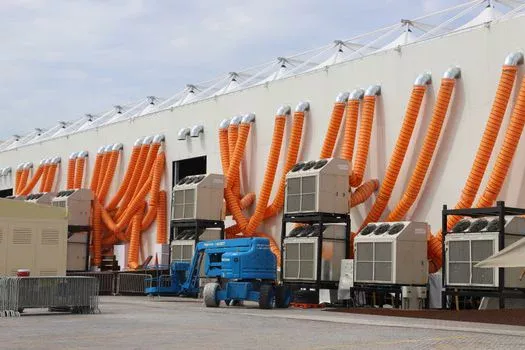
A 100 gpm crystalline silicon fabrication plant in Southeast Asia successfully implemented a zero-fouling DAF-RO-MBR hybrid system, achieving consistent compliance with EPA 40 CFR Part 469 limits for fluoride and copper while realizing a rapid return on investment. The facility's wastewater, generated from texturing and etching processes, presented significant challenges, with fluoride influent concentrations consistently at 800 ppm and copper influent at 15 ppm. Previous treatment methods struggled to meet the stringent EPA discharge limits, resulting in intermittent fines and operational disruptions (HydropureWater field data, 2025).
HydropureWater designed and installed an integrated system comprising a high-efficiency DAF system for fluoride removal (DAF-100 model), followed by an RO system for fluoride polishing and reuse, and a MBR system for heavy metal and organics removal. The DAF unit, preceded by chemical precipitation, effectively reduced fluoride from 800 ppm to approximately 20 ppm. The RO system further polished the effluent, bringing fluoride concentrations to below 1 ppm. Concurrently, the MBR system efficiently treated the organic load, reducing COD from an influent of 400 mg/L to below 30 mg/L, and capturing remaining heavy metals, including copper, to below 0.5 ppm.
Post-implementation, the facility consistently achieved discharge compliance: fluoride levels were maintained at <1 ppm, copper at <0.5 ppm, and COD at <30 mg/L. The total CAPEX for this comprehensive system was $2.8M, with an estimated OPEX of $220K per year. Compared to the previous annual fines of $50K for non-compliance and the cost of potential production halts, the system demonstrated a payback period of approximately 4.2 years. Key lessons learned included the significant impact of automated chemical dosing, which reduced overall OPEX by 25% due to optimized reagent usage. the "zero-fouling" design principles, incorporating automated backwash and weekly citric acid cleaning (similar to the 'hybrid mixing design' mentioned by Wastech, Top 2 page), effectively prevented membrane fouling, ensuring stable performance and minimal downtime (HydropureWater field data, 2025).
Frequently Asked Questions
Understanding common inquiries about solar cell wastewater treatment equipment helps facilities make informed decisions regarding compliance, technology, and cost.
What are the primary contaminants in solar cell manufacturing wastewater?
Solar cell wastewater primarily contains fluoride (up to 1,000+ ppm from etching), heavy metals like cadmium, tellurium, and copper (up to 50 ppm), and organics such as isopropanol (100–500 ppm COD) from cleaning processes. These require specialized treatment for environmental compliance.
How effective is Reverse Osmosis (RO) for fluoride removal?
RO systems are highly effective for fluoride removal, achieving greater than 99% efficiency. After initial chemical precipitation and DAF, RO can reduce fluoride concentrations from 20-30 ppm to below 1 ppm, enabling compliance with stringent discharge limits like EPA 40 CFR Part 469.
What is 'zero-fouling' membrane design in MBR systems?
'Zero-fouling' membrane design refers to incorporating features like robust PVDF membranes (0.1 μm pore size), automated backwash cycles (every 2-4 hours), and chemical cleaning protocols (e.g., citric acid, NaOH) to prevent fouling, maintain flux, and extend membrane lifespan in MBR and RO systems.
How do regulatory limits vary globally for solar fabs?
Regulatory limits for solar fabs vary significantly. For example, EPA 40 CFR Part 469 (U.S.) sets fluoride limits at <20 mg/L, while EU Directive 91/271/EEC emphasizes cadmium at <0.2 mg/L. China's GB 8978-1996 standard has a more stringent fluoride limit of <10 mg/L, necessitating tailored treatment solutions.
What are the main OPEX drivers for a DAF-RO-MBR hybrid system?
The primary OPEX drivers for a DAF-RO-MBR hybrid system include chemical consumption (lime, coagulants, NaOH), energy for pumps (especially RO at 3–5 kWh/m³), membrane replacement (every 5–7 years), and labor for monitoring and maintenance. Automated systems can significantly reduce chemical and labor costs.
Can treated solar wastewater be reused in the manufacturing process?
Yes, advanced treatment systems, particularly those incorporating RO and MBR, can produce high-quality effluent suitable for reuse in non-critical processes like rinsing or cooling towers, and even as make-up water for de-ionized (DI) water systems, significantly reducing fresh water consumption and discharge volumes.