Industrial wastewater treatment in Penang is governed by Malaysia's Environmental Quality (Industrial Effluent) Regulations 2009. The Fifth Schedule Standard B limits set COD below 200 mg/L, TSS below 100 mg/L, and lead below 0.5 mg/L; Standard A sets lead at 0.10 mg/L. Local plants typically report 92–97% COD removal with DAF systems, while MBR systems reach near-reuse effluent at TSS below 10 mg/L for electronics and food processing. A 50 m³/h DAF system starts at RM 850,000 CAPEX with OPEX of RM 12–18 per m³ treated.
Penang's 2025 Industrial Effluent Standards: What Manufacturers Must Know
Under the Environmental Quality (Industrial Effluent) Regulations 2009, Standard B remains the baseline for most Penang industrial zones: COD below 200 mg/L, TSS below 100 mg/L, oil and grease below 10 mg/L, pH 5.5–9.0, and lead below 0.5 mg/L. DOE Malaysia's 2025 enforcement cycle stresses real-time monitoring and lower tolerance for parameter excursions, not a rewrite of those Fifth Schedule numbers. For manufacturers in Bayan Lepas, Mak Mandin, and Batu Kawan, compliance now hinges on continuous system stability rather than periodic grab samples alone.
Data from the DOE Penang branch indicates that 18% of factories received non-compliance notices in 2023. Earlier guidance cited fines up to RM 500,000; the 2024 Environmental Quality Act amendment raises the maximum penalty to RM 10 million, with imprisonment up to five years, and DOE may issue a Prohibition Order until a compliant upgrade is verified. The 2025 inspection protocol integrates Guided Self-Regulation (GSR) and requires "competent persons" to manage the Industrial Effluent Treatment System (IETS) daily. Real-time effluent monitoring for high-risk sectors is increasingly required, so COD, TSS, and pH are logged and accessible for surprise audits.
| Parameter | Standard B (General) | 2025 Industry-Specific Target (Electronics/F&B) | Typical Raw Effluent (Penang) |
|---|---|---|---|
| COD (Chemical Oxygen Demand) | <200 mg/L | <50 mg/L to <150 mg/L | 1,000 – 4,000 mg/L |
| TSS (Total Suspended Solids) | <100 mg/L | <30 mg/L | 500 – 1,500 mg/L |
| FOG (Free Oil & Grease) | <10 mg/L | <5 mg/L (Food Processing) | 200 – 2,000 mg/L |
| pH Value | 5.5 – 9.0 | 6.0 – 9.0 | 2.0 – 11.0 |
| Heavy Metals (e.g., Lead, Cr) | <0.5 mg/L (Combined) | <0.1 mg/L (Lead) / <0.05 mg/L (Cr) | 5 – 50 mg/L |
How to Match Treatment Technology to Your Penang Factory's Waste Stream
Selecting treatment technology for industrial wastewater in Penang starts with the waste stream's chemistry and peak loads. A one-size-fits-all design often wastes CAPEX or fails during production spikes. In electronics and semiconductor fabs, wastewater carries high Total Dissolved Solids (TDS) and trace copper and nickel, so membrane processes are usually required. MBR systems for near-reuse-quality effluent in Penang's electronics sector provide 99% removal for these contaminants and are usually followed by Reverse Osmosis (RO) when water reclamation is the goal.
Food processing plants in Penang face high organic loads (BOD/COD) and emulsified oils. Dissolved Air Flotation (DAF) is the engineering standard here. By introducing micro-bubbles (20–50 microns), DAF units lift FOG and TSS to the surface for mechanical skimming. Penang-optimized DAF systems for FOG and TSS removal allow plants to achieve 92–97% COD removal before secondary treatment. Textile manufacturers dealing with complex dyes and high color units (1,000–3,000 Pt-Co) rely on chemical coagulation and sedimentation, typically with pH adjustment to 6–8 and a coagulant dose of 50–150 mg/L to destabilize dye molecules.
Variable loads are common in Penang's batch-manufacturing plants. Without equalization tanks providing 2–4 hours of hydraulic retention time, downstream biological or chemical systems suffer shock loading. Effective equalization dampens pH spikes and stabilizes the organic loading rate (OLR), so PLC-controlled chemical dosing for Penang's variable waste streams can operate within its optimal stoichiometric range.
| Industry Sector | Primary Contaminants | Recommended Technology | Removal Efficiency (COD/TSS) |
|---|---|---|---|
| Electronics/Semicon | TDS, Metals, Solvents | MBR + RO + Ion Exchange | >98% / >99% |
| Food Processing | FOG, High BOD/COD | DAF + Aerobic Bio-treatment | 95% / 97% |
| Textile/Garment | Color, TSS, Surfactants | Coagulation/Flocculation + DAF | 85% / 95% |
| Metal Finishing | Heavy Metals, Acids | Chemical Precipitation + Filtration | >90% (Metals) |
DAF vs. MBR vs. Chemical Dosing: Performance, Cost, and Footprint Compared
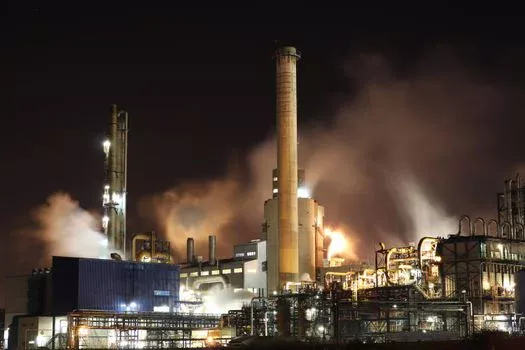
Engineering teams must weigh initial investment against long-term operational stability. Dissolved Air Flotation (DAF) is favored for high TSS and FOG. A 50 m³/h DAF system typically requires CAPEX of RM 850,000 to RM 1.5M. OPEX is moderate at RM 12–18/m³, driven mainly by saturation pump power and polymer flocculant cost. DAF handles primary clarification well but rarely achieves reuse-grade effluent without a secondary biological stage.
Membrane Bioreactor (MBR) systems deliver the best effluent quality. By replacing secondary clarifiers with ultrafiltration membranes, MBRs eliminate sludge bulking risk and deliver TSS below 10 mg/L. CAPEX is higher (RM 1.2–1.8M for 50 m³/h), but the footprint is 60% smaller than conventional activated sludge plus DAF, which matters in land-constrained Bayan Lepas. Account for membrane fouling: OPEX runs RM 15–22/m³ because aeration needs 0.8–1.2 kWh/m³ and membranes need periodic cleaning or replacement.
Chemical dosing systems offer the lowest CAPEX (RM 500,000–900,000) but carry the highest OPEX volatility. Because removal relies on chemical reaction rather than physical or biological separation, coagulants and caustic soda can push OPEX to RM 18–25/m³. These systems also generate more sludge, so an integrated dewatering unit such as a filter press is needed to manage disposal volumes.
| Metric | DAF System | MBR System | Chemical Dosing |
|---|---|---|---|
| CAPEX (50 m³/h) | RM 850k – 1.5M | RM 1.2M – 1.8M | RM 500k – 900k |
| OPEX (per m³) | RM 12 – 18 | RM 15 – 22 | RM 18 – 25 |
| Energy Use (kWh/m³) | 0.3 – 0.5 | 0.8 – 1.2 | 0.2 – 0.4 |
| Footprint | Moderate | Compact (Minimal) | Large (incl. Settlers) |
| Effluent Quality | Standard Compliance | Reuse Quality | Pre-treatment Quality |
Penang-Specific CAPEX/OPEX Breakdowns for Industrial Wastewater Systems
Budgeting a wastewater project in Penang requires local cost adders that generic estimates often omit. For a 50 m³/h DAF installation, the equipment cost of RM 850,000 is only the baseline. Civil works, piping, and DOE-certified installation add roughly RM 200,000. An MBR system of the same capacity has an equipment cost of RM 1.2M, with installation and commissioning typically reaching RM 300,000 due to membrane integration and automated controls. These figures track regional benchmarks; Penang's labor and specialized engineering rates sit above Colombo's CAPEX/OPEX benchmarks for industrial wastewater treatment.
Operational costs in Penang are heavily influenced by sludge management. Sludge disposal is regulated under the Environmental Quality (Scheduled Wastes) Regulations 2005. Local vendors charge RM 300–500 per ton for landfill disposal of non-hazardous sludge, but sludge containing heavy metals (classified as SW204) can cost RM 800–1,200 per ton for incineration at facilities like Kualiti Alam. A filter press for high-solids sludge cake production reduces sludge volume by up to 75%, which pays back in 18–24 months through saved disposal fees.
| Expense Category | DAF (50 m³/h) | MBR (50 m³/h) | Chemical Dosing (50 m³/h) |
|---|---|---|---|
| Equipment CAPEX | RM 850,000 | RM 1,200,000 | RM 500,000 |
| Installation & Civil | RM 200,000 | RM 300,000 | RM 150,000 |
| Annual Maintenance | RM 45,000 | RM 90,000 (incl. membranes) | RM 30,000 |
| Chemicals/Consumables | RM 6 – 10/m³ | RM 2 – 4/m³ | RM 12 – 18/m³ |
| Sludge Disposal | RM 3 – 5/m³ | RM 1 – 2/m³ | RM 5 – 8/m³ |
Compliance Checklist for Penang Factories
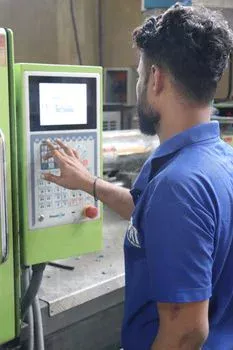
To pass DOE Penang's 2025 audit protocols, plant managers should follow a structured engineering framework. Compliance starts at the headworks. A mechanical bar screen for automated debris removal prevents downstream pump failure and protects sensitive membrane surfaces. After screening, equalization is mandatory for any factory with variable production cycles; a minimum of 2–4 hours of retention is needed to stabilize pH and organic concentration.
Secondary treatment must be sized on the Food-to-Microorganism (F/M) ratio. For aerobic biological systems, maintaining an F/M ratio of 0.05–0.3 kg BOD/kg MLSS/day is critical for preventing sludge bulking. If raw COD exceeds 1,000 mg/L, a multi-stage Anaerobic + Aerobic process is often required. For tertiary treatment in sectors needing pathogen removal, a chlorine dioxide generator for industrial effluent disinfection provides a more stable residual than sodium hypochlorite, which helps meet microbial limits.
The monitoring phase is where many Penang factories fail audits. DOE requires 2-year data logs for all key parameters. Install DOE-approved real-time sensors for pH, TSS, and COD. Comparing requirements across regions, how Odisha's compliance standards compare to Penang's 2025 updates, shows that Malaysia's "competent person" certification (CePIETSO) is a unique and critical pillar of local compliance.
- Pre-treatment: Equalization tank (2-4h retention) + pH adjustment (target 6-9).
- Primary: DAF or sedimentation with a hydraulic loading rate of 1–2 m/h.
- Secondary: MBR or Activated Sludge; maintain MLSS between 3,000–12,000 mg/L (MBR).
- Tertiary: Sand filtration or UV disinfection if TSS <30 mg/L is required.
- Monitoring: Install real-time sensors and maintain daily logbooks signed by a Certified Environmental Professional in IETS Operation (CePIETSO).
Who This Is For and What to Do Next
This guide fits procurement managers, plant engineers, and EPC contractors sizing a new or upgraded IETS in Penang's electronics, F&B, textile, or metal finishing sectors. If your site discharges outside Standard B or needs reuse-grade water, MBR is the safer pick despite the higher CAPEX. If you handle high FOG and TSS at a moderate budget, DAF is the workhorse. Chemical dosing alone is best for short campaigns or pre-treatment polishing, not for continuous primary duty.
Before commissioning, lock down the four cost drivers that swing Penang budgets most: influent load variability (size equalization correctly), sludge classification (SW204 changes disposal cost fourfold), energy kWh per m³ at design flow, and membrane or polymer replacement cadence. Get a written process flow diagram, a Form 1 submission timeline, and a CePIETSO sign-off plan on paper before you sign a PO. Send your influent data and target effluent to our engineering desk for a sized quote and lead-time estimate: request a Penang wastewater treatment quotation.
Frequently Asked Questions
What are the penalties for non-compliance with Penang's 2025 effluent standards?
Earlier guidance cited fines up to RM 500,000 under the Environmental Quality Act. The 2024 amendment raises the maximum penalty to RM 10 million, with imprisonment up to five years, or both. For manufacturing plants in Penang, DOE can also issue a Prohibition Order that shuts production lines until the treatment system is upgraded and verified by a third-party auditor.
How much does it cost to treat 1 m³ of industrial wastewater in Penang?
The cost typically ranges from RM 12 to RM 25 per m³. DAF systems are the most cost-effective for high-solids streams at RM 12–18/m³, while MBR systems cost RM 15–22/m³ but provide higher water quality. Chemical dosing is often the most expensive operationally at RM 18–25/m³ due to high consumable costs and sludge disposal fees.
Can treated wastewater be reused in Penang factories?
Yes. Wastewater reclamation is encouraged by the Penang Water Supply Corporation (PBA) and the DOE to reduce industrial demand on the state's water reserves. Reuse is generally limited to non-potable applications like cooling tower make-up, floor washing, or irrigation. MBR is the preferred standard for reuse as it consistently produces effluent with TSS below 10 mg/L.
What's the lead time for installing a DAF or MBR system in Penang?
Standard lead times are 12–16 weeks for DAF systems and 16–20 weeks for MBR systems. This timeline includes engineering design, fabrication, shipment, and the mandatory DOE permitting process (Form 1 submission), which itself can take 4–8 weeks for approval.
Do I need a DOE license for a new wastewater treatment system in Penang?
Yes. Manufacturers must submit a Written Notification (Form 1) to the Penang DOE branch before constructing or altering any industrial effluent treatment system. This must include detailed engineering drawings, a process flow diagram, and in some cases an Environmental Impact Assessment (EIA) if the plant capacity exceeds certain thresholds.