Why Rosario Hospitals Are Failing Wastewater Compliance in 2026
A 300-bed hospital in Rosario faced a stark reality in mid-2025: a fine of $120,000 for exceeding Ley 25.688’s Chemical Oxygen Demand (COD) limit. Their effluent averaged 420 mg/L, significantly above the mandated 250 mg/L, largely due to unregulated pharmaceutical discharge from oncology wards. This scenario is not isolated. Santa Fe’s 2024 environmental enforcement report revealed that 7 out of 12 audited hospitals failed to meet Fats, Oils, and Grease (FOG) limits, with three facilities temporarily shut down for non-compliance with tertiary treatment mandates under Ordinance 9245/2023. The risks extend beyond regulatory penalties. A 2025 study by the Universidad Nacional de Rosario detected SARS-CoV-2 RNA in 88% of hospital effluent samples, while antibiotic-resistant bacteria (ARB) have been shown to survive standard activated sludge processes, posing a public health threat (NIH 2024). Many hospitals operate under a false sense of compliance, assuming municipal treatment is sufficient or overlooking the provincial mandate for real-time monitoring for facilities discharging over 100 m³/day.
Rosario’s Hospital Wastewater Regulations: Ley 25.688, Santa Fe Ordinances, and 2026 Compliance Checklist
Navigating the regulatory framework for hospital wastewater treatment in Rosario requires understanding the interplay between national, provincial, and municipal directives. Ley 25.688, Argentina’s Water Code, sets foundational effluent standards for industrial discharge, including limits of COD <250 mg/L, BOD <80 mg/L, and FOG <50 mg/L. Hospitals are classified as industrial entities for these effluent regulations. The Secretaría de Ambiente of Santa Fe Province mandates real-time monitoring for all facilities with discharges exceeding 100 m³/day, implementing tiered penalties that can reach $50,000 for a first FOG violation and $150,000 for repeat offenses. Rosario Municipal Ordinance 9245/2023 elevates these requirements significantly for larger facilities, mandating tertiary treatment—typically involving UV or Ozone disinfection and nutrient removal—for plants processing over 500 m³/day. Smaller, rural clinics discharging less than 50 m³/day may be exempt if they implement on-site disinfection, such as with systems like HydropureWater’s. Achieving compliance by 2026 involves a structured approach:
- 1. Discharge Volume Audit: Accurately quantify daily wastewater output to determine regulatory applicability.
- 2. Contaminant Baseline Testing: Conduct comprehensive analyses for COD, pathogens, pharmaceuticals, and heavy metals.
- 3. Equipment Selection: Choose appropriate treatment technology (MBR, DAF, compact medical wastewater system, or hybrid systems) based on influent characteristics and regulatory requirements.
- 4. Real-time Monitoring Installation: Implement continuous monitoring systems as mandated for discharges >100 m³/day.
- 5. Tertiary Treatment Plan: Develop and implement a tertiary treatment strategy if discharge volume exceeds 500 m³/day.
Hospitals must also navigate a complex permitting process, coordinating with the Secretaría de Ambiente (provincial), the Municipalidad de Rosario (local), and potentially AYSA (the water utility) for all necessary approvals.
| Regulation/Ordinance | Scope | Key Requirements | Penalties (Examples) |
|---|---|---|---|
| Ley 25.688 (Water Code) | National Industrial Discharge | COD < 250 mg/L, BOD < 80 mg/L, FOG < 50 mg/L | Varies by infraction severity |
| Santa Fe Province Mandate | Discharges > 100 m³/day | Real-time monitoring | $50K (1st FOG offense), $150K (repeat) |
| Rosario Ordinance 9245/2023 | Discharges > 500 m³/day | Tertiary treatment (UV/Ozone + nutrient removal) | Temporary closure, significant fines |
| Rural Clinics (< 50 m³/day) | Low-volume, remote | On-site disinfection | Exempt from tertiary treatment mandate |
Contaminant Profile: What’s in Hospital Wastewater and Why It Matters
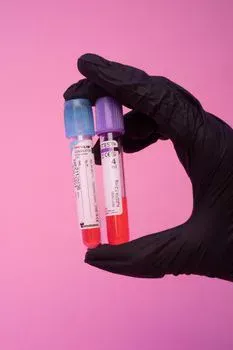
Hospital wastewater presents a unique and complex challenge compared to municipal sewage due to its diverse and often potent contaminants. Pathogens, including SARS-CoV-2, norovirus, and antibiotic-resistant bacteria (ARB), are prevalent. A 2023 study in Ontario found SARS-CoV-2 RNA in 92% of hospital wastewater samples, and standard secondary treatment processes are only 60–80% effective at removing such pathogens (EPA 2023), leaving a critical gap in public health protection. Pharmaceuticals are another major concern; concentrations of carbamazepine (an epilepsy drug) can range from 120–450 μg/L in effluent, while beta-blockers and chemotherapy agents also persist, interfering with biological treatment processes and contaminating receiving waters (NIH 2024). Beyond these, hospitals discharge disinfectants (5–20 mg/L chlorine), heavy metals like mercury (0.5–2 μg/L from dental amalgam), and even radioactive isotopes from nuclear medicine. Kitchens and laundries contribute significantly to the FOG load, often reaching up to 5,000 mg/L, while surgical wards introduce fibrous debris. The synergistic toxicity of this 'cocktail effect'—where mixed contaminants exhibit amplified negative impacts on aquatic ecosystems—means that meeting individual discharge limits may not guarantee environmental safety. Understanding this complex profile is essential for selecting effective treatment technologies.
| Contaminant Type | Typical Concentration Range | Source | Health/Environmental Risk | Standard Treatment Effectiveness |
|---|---|---|---|---|
| Pathogens (SARS-CoV-2, ARB, Norovirus) | Variable, high load | Patient wards, isolation units | Public health risk, spread of disease | 60-80% removal by activated sludge |
| Pharmaceuticals (Carbamazepine, Metoprolol, Cyclophosphamide) | 120-450 μg/L (Carbamazepine) | Patient treatment, disposal | Interference with biological treatment, endocrine disruption, toxicity | Low removal by conventional methods |
| Chemicals (Chlorine, Disinfectants) | 5-20 mg/L | Cleaning, sterilization | Aquatic toxicity, formation of disinfection byproducts | Variable, often requires neutralization |
| Heavy Metals (Mercury, Lead) | 0.5-2 μg/L (Mercury) | Dental amalgam, laboratory equipment | Neurotoxicity, bioaccumulation | Requires specialized removal (e.g., precipitation) |
| Fats, Oils, Grease (FOG) | Up to 5,000 mg/L | Kitchens, laundries | Blockages, odor, reduced dissolved oxygen in water bodies | Removal by physical separation (DAF, screens) |
| Radioactive Isotopes (I-131) | Trace amounts | Nuclear medicine | Radiation hazard, environmental contamination | Requires decay storage or specialized treatment |
For further insights into managing similar challenges, see how other regions handle hospital wastewater compliance in this guide on hospital wastewater treatment in Chhattisgarh, India.
Equipment Showdown: MBR vs DAF vs Compact Medical Wastewater System for Rosario Hospitals
Selecting the right wastewater treatment technology is critical for Rosario hospitals aiming for 2026 compliance. Three primary options offer distinct advantages: Membrane Bioreactors (MBR), Dissolved Air Flotation (DAF), and the compact medical wastewater system. MBR systems, such as HydropureWater’s DF Series, employ submerged membranes with pore sizes as small as <1 μm, achieving over 99.9% pathogen removal and COD levels below 50 mg/L, making them ideal for water reuse applications like irrigation or cooling towers. Their compact footprint, up to 60% smaller than conventional systems, is a significant advantage in urban settings. For hospitals with high FOG loads, particularly from kitchens and laundries (constituting over 30% of effluent), HydropureWater’s DAF systems are highly effective, capable of handling influents with up to 5,000 mg/L of FOG and achieving 92–98% total suspended solids (TSS) removal. These systems typically require chemical dosing for optimal performance. For smaller clinics or rural facilities with lower discharge volumes (<50 m³/day) and minimal FOG, the compact medical wastewater system offers an ozone-based disinfection solution with a 99%+ kill rate and a minimal footprint, starting at just 0.5 m². While cost-effective for niche applications, its capacity for high FOG and pathogen removal is limited. Hybrid approaches, such as combining DAF for pre-treatment with MBR for polishing, or integrating compact systems with UV disinfection for redundancy, can offer tailored solutions.
| Feature | MBR (HydropureWater DF Series) | DAF (HydropureWater) | Compact Medical System |
|---|---|---|---|
| Influent Volume | 50–500 m³/day | 50–300 m³/day | < 50 m³/day |
| FOG Tolerance | Moderate (pre-treatment recommended) | High (up to 5,000 mg/L) | Low |
| Pathogen Removal | >99.9% (<1 μm filtration) | Moderate (relies on downstream processes) | 99%+ (Ozone disinfection) |
| COD Removal | < 50 mg/L | Moderate | Limited |
| CAPEX (Estimate) | $800K–$2M | $300K–$1.2M | $50K–$200K |
| OPEX (Estimate) | $0.80–$1.50/m³ | $0.50–$1.20/m³ | $0.30–$0.80/m³ |
| Footprint | Compact (60% smaller than conventional) | Moderate | Very Compact (as small as 0.5 m²) |
| Best For | Space-constrained urban hospitals, water reuse goals, high pathogen loads | Hospitals with high kitchen/laundry FOG output | Small clinics, rural hospitals, low-volume discharge |
For advanced disinfection, consider ClO₂ generators for hospital wastewater disinfection in Rosario.
Cost Breakdown: CAPEX, OPEX, and ROI for Rosario Hospital Wastewater Systems
The capital expenditure (CAPEX) for hospital wastewater treatment systems in Rosario varies significantly based on technology and capacity. Compact systems for smaller clinics (<50 m³/day) can range from $50,000 to $200,000. For medium-sized facilities discharging 50–300 m³/day, DAF systems typically fall between $300,000 and $1.2 million. Larger hospitals with higher volumes (50–500 m³/day) requiring advanced treatment, such as MBR systems (DF Series), represent a higher investment, from $800,000 to $2 million. Implementing tertiary treatment, which includes advanced disinfection like UV or Ozone, can add an estimated 20–30% to the CAPEX. Operational expenditure (OPEX) also differs; MBR systems generally have higher OPEX, averaging $0.80–$1.50 per cubic meter treated, primarily due to energy consumption and membrane replacement (every 5–8 years, costing $20,000–$100,000). DAF systems range from $0.50–$1.20/m³, and compact systems are the most economical at $0.30–$0.80/m³. Hidden costs must also be factored in, including real-time monitoring systems ($50,000–$150,000), permit fees ($10,000–$50,000), and contingency funds for potential regulatory updates. The return on investment (ROI) is driven by avoided fines, which can range from $50,000 to $150,000 per violation, and water reuse savings, estimated at $0.50–$2.00 per cubic meter. Santa Fe’s ‘Green Hospital’ tax credit program offers rebates of up to 15% on CAPEX for systems meeting tertiary treatment standards, enhancing financial viability. A 2025 case study of a 200-bed Rosario hospital demonstrated a 30% reduction in OPEX after transitioning to an MBR system, achieving a payback period of just 4.2 years.
| System Type | CAPEX Range | OPEX Range/m³ | Key Cost Drivers | Potential ROI Drivers |
|---|---|---|---|---|
| Compact medical wastewater system (<50 m³/day) | $50K–$200K | $0.30–$0.80 | Initial unit cost, minimal maintenance | Avoided fines, low operational cost |
| DAF (50–300 m³/day) | $300K–$1.2M | $0.50–$1.20 | Chemicals, energy, sludge disposal | FOG removal efficiency, avoided fines |
| MBR (50–500 m³/day) | $800K–$2M | $0.80–$1.50 | Energy, membrane replacement, maintenance | Water reuse savings, high effluent quality, avoided fines |
| Tertiary Treatment Add-on | +20–30% CAPEX | +5–15% OPEX | UV lamps/Ozone generators, power | Compliance with Ordinance 9245/2023, Green Hospital credits |
| Ancillary Costs | $60K–$200K (Monitoring, Permits) | N/A | Real-time monitoring hardware, regulatory fees | Streamlined permitting, proactive compliance |
Frequently Asked Questions
What are the penalties for non-compliance with Ley 25.688 in Rosario? Fines can range from $50,000 for first-time FOG violations to $150,000 for repeat offenses. Non-compliance with tertiary treatment mandates under Ordinance 9245/2023 can lead to temporary closures and significant financial penalties.
Can Rosario hospitals discharge wastewater into municipal sewers without pre-treatment? No. Municipal sewer systems in Argentina, including those managed by AYSA, typically provide only primary or secondary treatment; only about 28% of plants offer tertiary treatment (AYSA 2023 data). Hospitals must pre-treat their effluent to meet specific standards before discharge to avoid regulatory action and protect receiving waters.
How much does a hospital wastewater treatment system cost in Rosario? CAPEX varies widely, from $50,000 for small clinic systems to $2 million for advanced tertiary-equipped hospitals (MBR systems). OPEX typically ranges from $0.30 to $1.50 per cubic meter treated, depending on the technology and operational efficiency.
What’s the best system for a 150-bed Rosario hospital? A hybrid approach is often optimal. A DAF system would effectively manage FOG from kitchens and laundries, followed by an MBR system (DF Series) for robust pathogen inactivation and high-quality effluent. The estimated CAPEX for such a configuration would be around $1.1 million, with OPEX at approximately $0.90/m³.
Are there local incentives for hospital wastewater treatment in Rosario? Yes. Santa Fe’s ‘Green Hospital’ program provides tax credits of up to 15% on CAPEX for hospitals that invest in systems meeting tertiary treatment standards as outlined in Ordinance 9245/2023, encouraging adoption of advanced wastewater management technologies.
Related Equipment
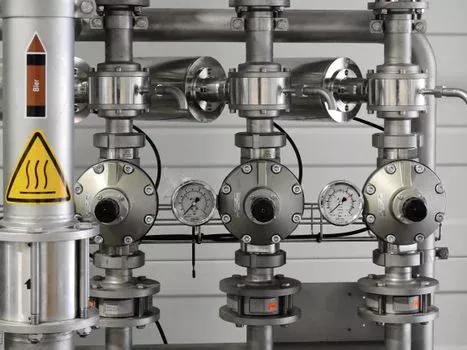
The following HydropureWater products are engineered for the wastewater challenges discussed above:
- MBR systems for hospital wastewater treatment in Rosario — view specifications, capacity range, and technical data
- DAF systems for high-FOG hospital effluent in Rosario — view specifications, capacity range, and technical data
- compact hospital wastewater treatment for Rosario clinics — view specifications, capacity range, and technical data
Need a customized solution? Request a free quote with your specific flow rate and pollutant parameters.