Pennsylvania's Wastewater Infrastructure: 2026 Regulatory and Engineering Landscape
Pennsylvania operates 847 municipal sewage treatment plants (POTWs) serving approximately 9.8 million residents. These facilities are situated across diverse river basins – Delaware, Susquehanna, and Ohio – each with unique topographical and regulatory challenges. A critical driver for upgrades is the Chesapeake Bay Total Maximum Daily Load (TMDL) mandate, requiring stringent nutrient limits of Total Nitrogen (TN) < 3 mg/L and Total Phosphorus (TP) < 0.3 mg/L for plants discharging into the Susquehanna and Delaware River basins. This affects 412 POTWs. Compounding these efforts is the PA DEP's Chapter 94 wasteload management program, which sets permit limits for BOD, TSS, and ammonia based on the receiving water body's classification, such as Exceptional Value (EV) or High Quality (HQ) streams.
the state's legacy cities grapple with aging infrastructure and the persistent challenge of cold-weather operation. Freezing temperatures can reduce microbial activity in biological treatment processes by 30–50%, necessitating specialized design considerations. (EPA 2023 Cold Climate Wastewater Report). Many of these urban centers, including Pittsburgh, Philadelphia, and Harrisburg, are also under federal consent decrees to significantly reduce Combined Sewer Overflow (CSO) events. These decrees mandate an 85% reduction in CSOs by 2026, driven by EPA Region 3 enforcement actions. To address these multifaceted demands, Pennsylvania has allocated over $12 billion in federal Infrastructure Investment and Jobs Act (IIJA) and PENNVEST funding for upgrades through 2026.
| Metric | Pennsylvania Specifics | Regulatory Driver |
|---|---|---|
| Number of POTWs | 847 serving ~9.8 million residents | State & Federal Oversight |
| Chesapeake Bay TMDL Limits | TN < 3 mg/L, TP < 0.3 mg/L (Susquehanna & Delaware basins) | EPA & PA DEP Chapter 94 |
| PA DEP Chapter 94 | BOD, TSS, Ammonia, Phosphorus limits based on stream classification (EV, HQ) | PA DEP Regulations |
| Cold-Weather Operation | 30-50% reduction in microbial activity below freezing | Operational Efficiency & Compliance |
| CSO Reduction Mandate | 85% reduction by 2026 (Pittsburgh, Philadelphia, Harrisburg) | EPA Region 3 Consent Decrees |
| IIJA & PENNVEST Funding | $12B+ allocated through 2026 | Infrastructure Improvement Initiative |
2026 Engineering Specs for Pennsylvania Municipal Sewage Treatment Plants
Designing or upgrading Pennsylvania municipal sewage treatment plants (POTWs) in 2026 demands adherence to specific engineering specifications that account for the state's unique environmental and operational constraints. Design flow rates for these facilities can span a broad spectrum, from small rural lagoons handling 0.1–0.5 MGD to large metropolitan plants like Pittsburgh's ALCOSAN STP, which has a 250 MGD capacity. Influent quality benchmarks, based on PA DEP 2024 data, typically range from BOD of 150–350 mg/L and TSS of 200–400 mg/L, with ammonia levels between 20–40 mg/L.
Treatment process efficiencies must be carefully selected. Conventional activated sludge systems generally achieve 85–95% BOD removal, while Membrane Bioreactor (MBR) systems can achieve 95–99% BOD removal and significantly higher effluent quality. For tertiary filtration, target TSS levels are below 5 mg/L. Cold-weather operation requires specific adjustments; aeration rates may need to be increased by 20–30% when temperatures drop below 5°C, and sludge retention times (SRTs) extended to 20–30 days to maintain microbial viability, as recommended by EPA Cold Climate Guidelines. For nutrient removal, biological phosphorus removal (EBPR) can achieve TP concentrations below 0.5 mg/L, while chemical precipitation using ferric chloride is often employed to meet the stringent < 0.1 mg/L requirement for Chesapeake Bay watershed plants.
Disinfection is another critical consideration, particularly for cold-weather reliability. Chlorine dioxide (ClO₂) systems are often preferred. HydropureWater's chlorine dioxide generators, for instance, are engineered to achieve 99.99% pathogen kill rates at dosage levels of 2–5 mg/L, even in challenging cold-weather conditions. For plants requiring enhanced TSS removal or phosphorus precipitation, Dissolved Air Flotation (DAF) systems, such as HydropureWater's, offer efficient separation.
| Parameter | Specification Range | PA-Specific Considerations |
|---|---|---|
| Design Flow Rate | 0.1 MGD – 500 MGD | Varies widely from rural lagoons to metropolitan STPs |
| Influent Quality (Typical) | BOD: 150–350 mg/L TSS: 200–400 mg/L Ammonia: 20–40 mg/L |
PA DEP 2024 Data |
| Conventional Activated Sludge Efficiency | BOD Removal: 85–95% | Standard secondary treatment |
| MBR System Efficiency | BOD Removal: 95–99% TSS Removal: < 5 mg/L |
Offers higher effluent quality, compact footprint. Link: MBR systems for Pennsylvania municipal sewage treatment |
| Tertiary Filtration Efficiency | TSS Removal: < 5 mg/L | Polishing step for effluent quality |
| Cold-Weather Aeration Adjustment | +20–30% aeration rate below 5°C | Maintains microbial activity |
| Cold-Weather SRT Extension | 20–30 days | Ensures microbial population stability |
| Biological Phosphorus Removal (EBPR) | TP < 0.5 mg/L | Primary biological nutrient removal |
| Chemical Phosphorus Precipitation | TP < 0.1 mg/L | Ferric chloride dosing, required for Chesapeake Bay |
| Chlorine Dioxide Disinfection | 99.99% pathogen kill at 2–5 mg/L dosage | Reliable in cold weather. Link: Chlorine dioxide disinfection for cold-weather POTWs |
| Dissolved Air Flotation (DAF) | High TSS/Phosphorus removal efficiency | Applicable for nutrient removal and sludge thickening. Link: DAF systems for nutrient removal in Pennsylvania POTWs |
Cost Models for Pennsylvania POTW Upgrades: CapEx, OPEX, and Funding Breakdown
Estimating the financial commitment for upgrading Pennsylvania's municipal sewage treatment plants (POTWs) requires a granular understanding of capital expenditures (CapEx), operational expenditures (OPEX), and the strategic utilization of available funding. CapEx ranges vary significantly by technology. Conventional activated sludge systems typically fall between $3–$8 per gallon of daily capacity, while more advanced Membrane Bioreactor (MBR) systems can range from $8–$15 per GPD due to the complexity and membrane costs. Tertiary filtration, often an add-on, adds another $2–$5 per GPD.
Operational expenditures are also a critical factor. Energy costs can range from $0.10–$0.30 per 1,000 gallons treated, chemical costs from $0.05–$0.20 per 1,000 gallons, and labor costs between $0.15–$0.40 per 1,000 gallons. These OPEX figures are influenced by the chosen technology and the plant's operational efficiency.
Pennsylvania has secured substantial federal and state funding to alleviate these costs. The IIJA has allocated over $12 billion for the state, with cost-sharing provisions often covering 45–80% for projects focused on nutrient removal and CSO abatement. For example, Harrisburg's Advanced Nutrient Reduction Facility received significant IIJA support. PENNVEST offers low-interest financing, typically at 1% interest with 20–30 year repayment terms, providing crucial capital for projects like the Philadelphia Southwest Water Pollution Control Plant upgrades, which secured $25 million.
Specific to cold-weather operations, upgrades incur additional costs. Insulated tanks can add 15–20% to CapEx, while heat tracing for pipes might range from $50K–$200K per plant. These investments are often offset by reduced operational disruptions and consistent compliance. Consequently, understanding these cost drivers and funding mechanisms is paramount for effective budget planning and project execution.
| Cost Category | Typical Range (per GPD capacity) | Pennsylvania Funding Impact |
|---|---|---|
| CapEx: Conventional Activated Sludge | $3 – $8 / GPD | Eligible for IIJA/PENNVEST; % varies by project |
| CapEx: MBR System | $8 – $15 / GPD | Higher upfront cost, but can achieve stricter nutrient limits eligible for higher cost share |
| CapEx: Tertiary Filtration | $2 – $5 / GPD | Supplemental cost for advanced effluent polishing |
| OPEX: Energy Costs | $0.10 – $0.30 / 1,000 gallons | Increased aeration for cold weather adds 10-15% OPEX |
| OPEX: Chemical Costs | $0.05 – $0.20 / 1,000 gallons | Higher for chemical phosphorus precipitation |
| OPEX: Labor Costs | $0.15 – $0.40 / 1,000 gallons | Technology dependent |
| IIJA Funding | 45–80% cost share for nutrient removal/CSO projects | Example: $18M for Harrisburg Advanced Nutrient Reduction Facility |
| PENNVEST Financing | 1% interest loans, 20–30 year terms | Example: $25M for Philadelphia Southwest Water Pollution Control Plant upgrades |
| Cold-Weather Upgrade Costs | Insulated tanks: +15–20% CapEx Heat tracing: +$50K–$200K per plant |
Necessary for consistent performance in PA climate |
Zero-Risk Equipment Selection Framework for Pennsylvania POTWs
Selecting the right wastewater treatment equipment for Pennsylvania POTWs involves a systematic, data-driven approach to minimize risk and ensure long-term compliance. This framework guides engineers and procurement managers through critical decision points, aligning technical requirements with regulatory mandates and financial realities. The first step is a thorough assessment of regulatory requirements, focusing on specific NPDES permit limits, the stringent Chesapeake Bay TMDL nutrient targets (TN < 3 mg/L, TP < 0.3 mg/L), and PA DEP Chapter 94 wasteload management objectives. Understanding these targets is non-negotiable.
Concurrently, evaluate site-specific constraints. This includes available footprint, the necessity for cold-weather operation, and any unique sewershed boundaries or discharge limitations. Next, compare technology options. While conventional activated sludge remains a viable option for basic secondary treatment, MBR systems offer superior effluent quality and a smaller footprint, which can be critical for space-constrained urban sites. Tertiary filtration is often employed to meet the most demanding effluent standards. A decision matrix is essential here, scoring each technology against key performance indicators like removal efficiency, footprint, energy consumption, and operational complexity.
With technology options identified, estimate CapEx and OPEX using the cost models previously outlined, factoring in potential IIJA and PENNVEST funding eligibility. This financial projection is crucial for securing municipal approval. Step five involves selecting equipment vendors with demonstrated Pennsylvania-specific experience. This means looking for proven performance in cold-weather MBR systems or robust DAF units for nutrient removal in similar climates. Finally, the ultimate risk mitigation strategy is pilot-testing equipment. A 6-month MBR trial for a 1 MGD plant, for instance, can validate performance under local conditions and confirm that the chosen technology will reliably meet compliance goals before full-scale deployment.
| Step | Action | PA-Specific Considerations |
|---|---|---|
| 1 | Assess Regulatory Requirements | NPDES permits, Chesapeake Bay TMDL, PA DEP Chapter 94 |
| 2 | Evaluate Site Constraints | Footprint, cold-weather operation, sewershed boundaries |
| 3 | Compare Technology Options | Conventional Activated Sludge vs. MBR vs. Tertiary Filtration (see Decision Matrix) |
| 4 | Estimate CapEx/OPEX & Funding | Factor in IIJA/PENNVEST eligibility |
| 5 | Select Vendors with PA Experience | Cold-weather MBR, nutrient removal DAF expertise |
| 6 | Pilot-Test Equipment | Validate performance before full-scale deployment |
Decision Matrix: Technology Comparison for PA POTWs
| Feature | Conventional Activated Sludge | MBR System | Tertiary Filtration |
|---|---|---|---|
| BOD Removal Efficiency | 85–95% | 95–99% | N/A (Polishing) |
| TSS Removal Efficiency | >90% | >99% | < 5 mg/L (Target) |
| Nutrient Removal Capability | Limited (requires enhancements) | High (integrated biological/membrane) | N/A (Polishing) |
| Footprint | Large | Compact | Small (typically post-treatment) |
| Cold-Weather Performance | Moderate (requires SRT extension) | High (membrane integrity maintained) | N/A (Polishing) |
| Sludge Production | Moderate | Lower (higher MLSS) | N/A |
| CapEx per GPD | $3–$8 | $8–$15 | $2–$5 |
| OPEX (Energy) | Moderate | Higher (aeration, pumping) | Low to Moderate |
| Suitability for PA | Basic Compliance | High (Nutrient, Footprint, Effluent Quality) | Essential for Strict Effluent Limits |
Case Study: Upgrading Pittsburgh's ALCOSAN STP for Nutrient Removal and CSO Abatement
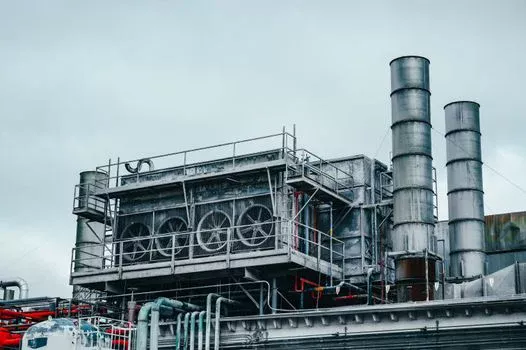
The Allegheny County Sanitary Authority (ALCOSAN) Wastewater Treatment Plant in Pittsburgh serves as a prime example of a large-scale Pennsylvania POTW upgrade tackling complex regulatory demands. Facing stringent Chesapeake Bay TMDL nutrient limits and a critical CSO consent decree requiring an 85% reduction in overflows, ALCOSAN embarked on a monumental $3.6 billion upgrade for its 250 MGD capacity facility. The project's scope necessitated advanced treatment technologies to meet these ambitious goals.
A key technology adopted was an MBR system, initially piloted at 10 MGD and scaled to 200 MGD for full-scale implementation. This choice was driven by the MBR's ability to achieve nearly 99% BOD removal and consistently meet TP targets below 0.1 mg/L, effectively addressing the nutrient reduction mandates. To ensure reliable operation throughout Pennsylvania's harsh winters, the design incorporated robust cold-weather features. This included insulated tanks to maintain optimal biological process temperatures, heat tracing for critical piping, and carefully calibrated aeration systems to sustain microbial activity even below 5°C.
The upgrade was significantly supported by federal and state funding mechanisms. Approximately $1.2 billion was secured from the IIJA, representing a 60% cost share for the project's nutrient removal and CSO abatement components. An additional $800 million was obtained through PENNVEST as a low-interest loan. The remaining $1.6 billion was funded through ratepayer increases. The project's success is measured by its outcomes: an observed 98% reduction in CSO events and consistent achievement of TN < 3 mg/L and TP < 0.1 mg/L, fully complying with Chesapeake Bay TMDL requirements. Lessons learned from this ambitious undertaking emphasize the critical importance of pilot-testing for cold-weather operational validation and highlight that MBR systems, while highly effective, may require up to 20% more aeration during winter months compared to warmer periods.
For facilities considering similar advanced treatment, HydropureWater's MBR systems offer a scalable solution. Link: MBR systems for Pennsylvania municipal sewage treatment.
Frequently Asked Questions
What are the NPDES permit limits for Pennsylvania municipal sewage treatment plants?
Pennsylvania POTWs must meet EPA secondary treatment standards (BOD ≤ 30 mg/L, TSS ≤ 30 mg/L) and PA DEP Chapter 94 limits. For High Quality streams, ammonia limits can be as strict as ≤ 2 mg/L. Plants in the Chesapeake Bay watershed face even more stringent nutrient limits: TN ≤ 3 mg/L and TP ≤ 0.3 mg/L.
How much does it cost to upgrade a Pennsylvania POTW for nutrient removal?
Capital expenditure (CapEx) for nutrient removal upgrades can range from $2 million to $50 million, depending on the plant's size and the chosen technology. For example, a 10 MGD MBR upgrade might cost approximately $2.4 million. The IIJA funding program can cover 45–80% of costs for qualifying projects focused on nutrient removal or CSO abatement.
What are the best treatment technologies for cold-weather operation in Pennsylvania?
Membrane Bioreactor (MBR) systems and chemical precipitation methods (e.g., using ferric chloride) are generally preferred for their reliability in cold weather. Key design adjustments include insulated tanks, heat tracing for pipes, and extending sludge retention times to 20–30 days to maintain microbial activity.
How can Pennsylvania municipalities access IIJA funding for wastewater upgrades?
Municipalities typically apply for IIJA funding through PENNVEST, which administers state and federal infrastructure grants and loans. Applications should clearly demonstrate how the project addresses critical needs such as Chesapeake Bay TMDL compliance or CSO consent decree requirements, as these components often receive funding priority.
What are the key compliance risks for Pennsylvania POTWs?
The primary compliance risks include exceeding established NPDES permit limits for parameters like BOD and ammonia, failing to meet the stringent nutrient reduction targets set by the Chesapeake Bay TMDL, and violations related to Combined Sewer Overflows (CSOs). The EPA ECHO database tracks and publicly reports on compliance history by NPDES permit number.
Further Reading
Explore these in-depth articles on related wastewater treatment topics: