A Louisiana plant manager stared out at the rising floodwaters during Hurricane Ida in 2021, the cost of non-compliance and infrastructure damage mounting with every passing hour. Louisiana’s 328 municipal sewage treatment plants (POTWs) serve 3.36 million residents under strict LDH 2024 discharge standards: BOD <30 mg/L, TSS <30 mg/L, and ammonia-N <2 mg/L. With 40% of plants in flood zones and 120+ rural towns lacking centralized sewers, engineers must balance compliance, cost, and resilience. This guide provides 2026 engineering specs, CAPEX models ($2M–$150M), and zero-risk equipment selection tailored to Louisiana’s petrochemical waste streams and hurricane-prone infrastructure.
Louisiana’s Municipal Sewage Treatment Landscape: 328 POTWs Mapped by Compliance, Flood Risk & Population Served
Louisiana operates 328 publicly owned wastewater treatment plants (POTWs) that serve approximately 3.36 million residents across the state (EPA’s National Sewersheds dataset, version 1.2). Approximately 40% of these facilities are situated within designated flood zones, identified by red markers on state infrastructure maps, posing significant operational challenges during severe weather events. Additionally, EPA ECHO data indicates that a notable percentage of plants, highlighted with orange outlines, struggle with consistent compliance with National Pollutant Discharge Elimination System (NPDES) permit limits, particularly concerning nutrients and bacteria.
The distribution of these plants reflects Louisiana’s diverse geography and population density. While 80% of the state's POTWs serve communities with fewer than 10,000 residents, the top 10 largest plants, such as New Orleans East Bank and Baton Rouge South, collectively manage over 30% of the state’s total wastewater volume. This concentration of flow in major urban centers contrasts sharply with the challenges faced by over 120 rural towns that still lack centralized sewer systems, relying instead on decentralized solutions or aging infrastructure.
A 2024 Louisiana Department of Health (LDH) resiliency report revealed critical vulnerabilities within the state’s wastewater infrastructure. The report found that 60% of POTWs located in flood zones lack adequate backup power systems, rendering them susceptible to power outages during hurricanes and other natural disasters. 25% of these flood-vulnerable plants have no robust flood barriers in place, significantly increasing the risk of inundation and subsequent non-compliance events. These findings underscore the urgent need for resilient design and strategic upgrades across Louisiana's municipal sewage treatment plant infrastructure.
| # | Plant | Operator | City | Pop. Served (2022) | Flood Zone Status | EPA Compliance Status |
|---|---|---|---|---|---|---|
| 1 | NEW ORLEANS EAST BANK | NEW ORLEANS ST WB | New Orleans | 307,020 | Y | Compliant |
| 2 | BATON ROUGE SOUTH WWTP | CITY OF BATON ROUGE | Baton Rouge | 222,805 | Y | Compliant |
| 3 | EAST BANK PLANT | Jefferson Parish Department of Sewerage- East Bank | New Orleans | 204,680 | Y | Compliant |
| 4 | NEW ORLEANS W. BANK | NEW ORLEANS ST WB | New Orleans | 178,500 | Y | Compliant |
| 5 | SHREVEPORT SOUTH WWTP | CITY OF SHREVEPORT | Shreveport | 125,000 | N | Compliant |
| 6 | LAFAYETTE WWTP | LAFAYETTE CONSOLIDATED GOVERNMENT | Lafayette | 120,000 | N | Compliant |
| 7 | LAKE CHARLES WWTP | CITY OF LAKE CHARLES | Lake Charles | 80,000 | Y | Non-Compliant |
| 8 | MONROE WWTP | CITY OF MONROE | Monroe | 75,000 | N | Compliant |
| 9 | HOUMA WWTP | TERREBONNE PARISH CONSOLIDATED GOVERNMENT | Houma | 60,000 | Y | Non-Compliant |
| 10 | KENNER WWTP | CITY OF KENNER | Kenner | 50,000 | Y | Compliant |
Engineering Specs for Louisiana Municipal Sewage Treatment: Influent, Effluent & Process Parameters
Louisiana’s Department of Health (LDH) enforces stringent 2024 discharge standards for municipal sewage treatment plants, often exceeding federal EPA minimums to protect sensitive aquatic ecosystems, particularly in the Gulf of Mexico. For most municipal discharges, LDH requires effluent quality of biochemical oxygen demand (BOD) <30 mg/L (with 85% removal efficiency), total suspended solids (TSS) <30 mg/L (with 90% removal efficiency), and ammonia-nitrogen (ammonia-N) <2 mg/L. Coastal plants, critical for preventing Gulf hypoxia, face an additional standard of fecal coliform <200 CFU/100mL.
These LDH standards are notably stricter than the EPA’s minimum secondary treatment requirements, which typically allow for BOD <45 mg/L and TSS <45 mg/L. The rationale for Louisiana’s heightened stringency stems from the state’s extensive waterways, coastal marshes, and the critical need to reduce nutrient loading into the Gulf, where hypoxia zones pose severe environmental threats. This focus necessitates advanced treatment technologies beyond conventional activated sludge for many facilities.
Influent characteristics for Louisiana's municipal sewage treatment plants vary significantly based on contributing sources. Typical municipal wastewater exhibits BOD in the range of 200–350 mg/L and TSS between 250–400 mg/L. However, facilities receiving industrial contributions, especially from the state’s prolific petrochemical and food processing sectors, face much higher contaminant loads. Petrochemical waste streams can present BOD from 500–1,200 mg/L, TSS from 300–600 mg/L, and oil & grease levels between 50–150 mg/L. Food processing waste is even more challenging, with BOD often ranging from 800–2,000 mg/L and TSS from 500–1,000 mg/L, sometimes accompanied by high salinity.
Process flow diagrams for Louisiana plants often adapt to these influent challenges and strict effluent limits. Conventional activated sludge systems, common in urban areas, typically operate with hydraulic retention times (HRT) of 4–8 hours, solids retention times (SRT) of 5–15 days, and mixed liquor suspended solids (MLSS) concentrations of 2,000–3,500 mg/L. For coastal plants requiring superior nutrient removal, MBR systems are increasingly adopted, featuring HRT of 6–12 hours, SRT of 10–20 days, and higher MLSS concentrations of 3,000–4,000 mg/L. Rural areas often utilize package plants, with HRT and SRT varying based on specific design, but generally optimized for consistent performance with minimal operator oversight. The advanced filtration in MBR systems allows for effluent quality significantly better than conventional methods, crucial for meeting Louisiana’s stringent coastal standards.
| Parameter | LDH 2024 Standard | EPA Minimums | Typical Conventional Activated Sludge Effluent | Typical MBR Effluent |
|---|---|---|---|---|
| BOD | <30 mg/L (85% removal) | <45 mg/L (85% removal) | 10–25 mg/L | <5 mg/L |
| TSS | <30 mg/L (90% removal) | <45 mg/L (85% removal) | 10–25 mg/L | <2 mg/L |
| Ammonia-N | <2 mg/L | N/A (varies by region/permit) | 5–15 mg/L | <0.5 mg/L |
| Fecal Coliform (Coastal) | <200 CFU/100mL | <200 CFU/100mL (varies by region/permit) | 200–10,000 CFU/100mL (post-disinfection) | <10 CFU/100mL (post-UV/chlorine) |
Centralized vs. Decentralized Systems: Cost Models, Resilience & Compliance Trade-offs for Louisiana
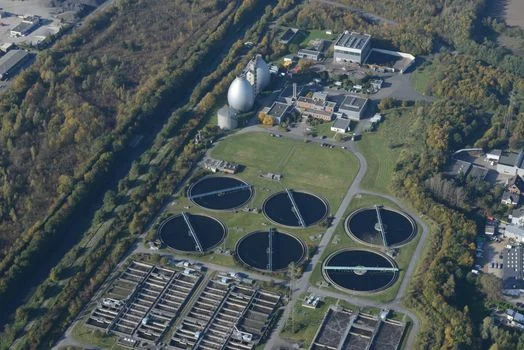
The choice between centralized and decentralized wastewater treatment systems in Louisiana hinges on a complex evaluation of capital expenditure (CAPEX), operational expenditure (OPEX), system resilience, and compliance risk, particularly given the state's unique demographic and environmental challenges. Centralized systems, exemplified by large facilities like the New Orleans East Bank plant, involve extensive sewer networks collecting wastewater from a broad service area and conveying it to a single large treatment facility. In contrast, decentralized systems, often utilizing underground package sewage treatment plants for rural Louisiana towns or septic tanks, treat wastewater closer to its source, serving smaller, localized areas.
CAPEX benchmarks for centralized systems typically range from $5 million to $150 million for plants with capacities between 1 and 50 million gallons per day (MGD), with an additional $500,000 to $1.5 million per mile for new sewer infrastructure. Decentralized solutions, such as package plants for 0.1 to 2 MGD capacities, are significantly less capital-intensive, costing between $500,000 and $5 million. This lower initial investment makes decentralized systems attractive for rural communities or new developments where extending centralized sewers is cost-prohibitive.
OPEX, however, often shows a different trend. Centralized systems generally operate at a lower cost per 1,000 gallons, typically ranging from $0.50 to $1.20, benefiting from economies of scale in labor, chemicals, and maintenance. Decentralized systems, while having lower upfront costs, can have higher OPEX per 1,000 gallons ($0.80–$2.00) due to less efficient energy use per gallon, distributed maintenance needs, and potentially less skilled local operators. The operational efficiency of centralized systems, however, can be offset by the high energy costs of pumping wastewater over long distances.
Resilience is a critical factor for Louisiana's flood-prone infrastructure. Decentralized systems offer inherent advantages by eliminating widespread sewer backups during floods, as treatment occurs locally. However, they require redundant units or robust maintenance plans to ensure reliability across numerous scattered facilities. Centralized systems, while vulnerable to widespread disruptions if the main plant or key pump stations are compromised, can be significantly hardened through targeted investments. Flood-proofing upgrades for centralized facilities, such as watertight doors, elevated equipment, and reinforced structures, typically cost an additional $1.2 million to $3 million, offering enhanced protection against hurricanes and storm surges. The comparison between how Utah’s arid climate approaches wastewater infrastructure and Louisiana’s flood-prone infrastructure highlights the importance of such resilience planning.
| System Type | CAPEX (Approx.) | OPEX per 1,000 Gallons (Approx.) | Resilience (1-5 scale, 5=highest) | Compliance Risk (1-5 scale, 5=lowest) | Best Use Case |
|---|---|---|---|---|---|
| Centralized | $5M–$150M (+ sewer infrastructure) | $0.50–$1.20 | 3 (requires flood-proofing) | 4 (single point of failure, but professional operation) | Urban, high-density areas, large industrial loads |
| Decentralized | $500K–$5M (package plants) | $0.80–$2.00 | 4 (local treatment, no widespread sewer backup) | 3 (multiple points of failure, varied operator skill) | Rural, low-density areas, new developments, coastal communities |
Equipment Selection Framework: Matching Louisiana’s Waste Streams to Treatment Technologies
Effective equipment selection for municipal sewage treatment plants in Louisiana requires a structured approach that meticulously matches influent characteristics to stringent LDH effluent limits and considers environmental resilience. The framework involves three critical steps: 1) Characterize Influent, 2) Match to LDH Effluent Limits, and 3) Select Technology. This methodical process ensures optimal performance, compliance, and cost-effectiveness for Louisiana’s diverse waste streams, from standard municipal to complex industrial contributions.
Step 1, Characterize Influent, involves a detailed analysis of key parameters such as BOD, TSS, ammonia-N, oil & grease, and salinity. For instance, petrochemical wastewater streams will have significantly higher oil & grease and potentially higher BOD compared to typical municipal sewage. Step 2 requires matching these influent characteristics against LDH’s 2024 effluent limits (e.g., BOD <30 mg/L, TSS <30 mg/L, ammonia-N <2 mg/L). This step identifies the specific removal efficiencies needed for each contaminant. Step 3, Select Technology, then involves choosing the most appropriate treatment processes. For instance, DAF systems for Louisiana’s petrochemical and food processing waste streams are ideal for effective oil & grease removal, while MBR systems for coastal Louisiana plants requiring <2 mg/L ammonia-N excel at nutrient removal and provide superior effluent quality.
Technology recommendations for Louisiana’s top waste streams are tailored to their specific challenges. Petrochemical waste, characterized by high BOD and oil & grease, typically benefits from a pretreatment stage using Dissolved Air Flotation (DAF) followed by an activated sludge or MBR system for biological treatment. Food processing waste, often high in BOD and TSS, might best utilize MBR combined with anaerobic digestion for energy recovery and sludge reduction. For standard municipal wastewater, conventional activated sludge remains a viable option, but MBR systems are increasingly preferred for their smaller footprint, higher effluent quality, and resilience, especially in sensitive coastal areas where phosphorus removal is critical, as detailed in discussions on phosphorus wastewater treatment by MBR.
Hurricane-resistant design is a non-negotiable requirement for equipment deployed in Louisiana. This includes specifying watertight enclosures with an Ingress Protection (IP) rating of IP68 for critical electrical and mechanical components, ensuring they can withstand submersion. Equipment should be mounted on elevated skids, typically 3 to 5 feet above the Base Flood Elevation (BFE), to prevent inundation. robust backup power systems, capable of providing 72-hour runtime, are essential to maintain operations during prolonged grid outages, reducing the risk of non-compliance and environmental discharge during and after severe weather events. Understanding how Georgia’s industrial pretreatment standards compare to Louisiana’s LDH requirements also informs equipment choices for industrial contributors.
| Waste Stream | Key Contaminants | Recommended Technology | LDH Compliance Outcome | CAPEX Range (0.1-1 MGD) | OPEX Range (per 1,000 gallons) |
|---|---|---|---|---|---|
| Municipal (standard) | BOD, TSS, Ammonia-N | Conventional Activated Sludge or MBR | High (with proper design) | $2M–$10M | $0.50–$1.20 |
| Petrochemical | BOD, TSS, Oil & Grease, Organics | DAF + Activated Sludge/MBR | High (requires robust pretreatment) | $3M–$15M | $0.80–$1.80 |
| Food Processing | High BOD, TSS, Organics | MBR + Anaerobic Digestion | Very High (efficient nutrient/BOD removal) | $4M–$20M | $0.90–$2.00 |
| Coastal/Sensitive Areas | BOD, TSS, Ammonia-N, Fecal Coliform | MBR (with UV/chlorination) | Excellent (<5 BOD, <2 TSS, <0.5 Ammonia-N) | $3M–$15M | $0.70–$1.50 |
CAPEX & OPEX Breakdown: 2026 Cost Models for Louisiana Municipal Sewage Treatment Plants

Budgeting for municipal sewage treatment plants in Louisiana requires a comprehensive understanding of both capital expenditure (CAPEX) for new builds or major upgrades, and ongoing operational expenditure (OPEX). For new construction, CAPEX ranges significantly based on plant capacity. A smaller facility handling 0.1–2 MGD can expect CAPEX between $2 million and $10 million. Mid-sized plants (2–10 MGD) typically fall within the $10 million to $50 million range, while larger facilities (10–50 MGD) can command investments from $50 million to $150 million. A typical line-item breakdown for CAPEX includes approximately 30% for civil works (excavation, concrete structures), 40% for primary equipment (tanks, pumps, blowers, membranes), 15% for electrical and instrumentation, and a 15% contingency for unforeseen costs.
Operational expenditure is a critical factor influencing long-term financial sustainability. Key OPEX components include energy, which can range from $0.10–$0.30 per 1,000 gallons processed, depending on treatment intensity and local electricity rates. Chemical costs, for disinfection, nutrient removal, or pH adjustment, typically hover between $0.05–$0.20 per 1,000 gallons. Labor, encompassing operators, maintenance staff, and administrative personnel, represents a significant portion, ranging from $0.15–$0.40 per 1,000 gallons. Routine maintenance and spare parts contribute an additional $0.10–$0.25 per 1,000 gallons.
For plants situated in Louisiana's numerous flood-prone areas, an additional 20–30% must be added to the base CAPEX to account for essential resilience upgrades. This includes specific investments such as $1.2 million to $3 million for flood barriers and structural reinforcements, and an estimated $500,000 to $1 million for robust backup power generation systems capable of sustained operation during extended outages. These investments are crucial for ensuring continued compliance and preventing catastrophic failures during hurricanes and other severe weather events, mitigating the long-term costs associated with non-compliance and repairs.
| Plant Size (MGD) | CAPEX (New Build, est.) | OPEX per 1,000 Gallons (est.) | Total Annual OPEX (est., based on 330 days/year) | Payback Period (Decentralized vs. Centralized, years) |
|---|---|---|---|---|
| 0.1–2 MGD | $2M–$10M | $0.80–$2.00 | $26,400–$1,320,000 | N/A (often no centralized alternative) |
| 2–10 MGD | $10M–$50M | $0.60–$1.50 | $396,000–$4,950,000 | 5–10 (for equivalent capacity) |
| 10–50 MGD | $50M–$150M | $0.50–$1.20 | $1,650,000–$19,800,000 | 10–15 (for equivalent capacity) |
| Flood Zone Adjustment | +20%–30% of base CAPEX | +0.05–$0.10 (for maintenance of flood barriers/generators) | Varies | Longer (due to higher CAPEX) |
LDH Compliance Checklist: 2026 Requirements for Louisiana Municipal Sewage Treatment Plants
Ensuring compliance with Louisiana Department of Health (LDH) regulations for municipal sewage treatment plants is critical for preventing penalties and protecting state waterways. The 2024 LDH discharge standards mandate strict effluent limits: biochemical oxygen demand (BOD) <30 mg/L, total suspended solids (TSS) <30 mg/L, ammonia-nitrogen (ammonia-N) <2 mg/L, and fecal coliform <200 CFU/100mL (for coastal discharges). Sampling frequency is typically daily for BOD and TSS, weekly for ammonia-N, and monthly for fecal coliform, with specific requirements detailed in individual NPDES permits.
The NPDES permit application process typically spans 6–12 months, requiring detailed engineering plans and environmental assessments. Permits are renewed every 5 years, necessitating a thorough review of plant performance and any proposed upgrades. Monthly Discharge Monitoring Reports (DMRs) must be submitted electronically via EPA’s NetDMR system, accurately reflecting all monitoring data and any instances of non-compliance. Regular calibration of monitoring equipment and adherence to approved sampling protocols are essential for data integrity.
For Louisiana’s hurricane-prone environment, a robust resiliency plan is integral to compliance. This includes installing flood barriers that extend at least 3 feet above the Base Flood Elevation (BFE) for all critical infrastructure. Backup power systems must be capable of providing a minimum of 72-hour runtime, with sufficient fuel storage and automatic transfer switches. All electrical and control enclosures should meet IP68 watertight standards to prevent damage from inundation. Finally, an LDH-approved emergency response plan, outlining protocols for severe weather, power outages, and equipment failures, must be in place and regularly updated to minimize environmental impact and maintain continuity of operations.
- Discharge Standards: Verify daily/weekly/monthly compliance with BOD <30 mg/L, TSS <30 mg/L, Ammonia-N <2 mg/L, and Fecal Coliform <200 CFU/100mL (coastal).
- NPDES Permits: Ensure permit is current, renewed every 5 years, and all conditions are met.
- DMR Reporting: Submit monthly DMRs accurately and on time via EPA’s NetDMR system.
- Sampling & Analysis: Adhere to specified sampling frequencies and approved analytical methods.
- Flood Barriers: Install and maintain barriers at least 3 ft above BFE for critical assets.
- Backup Power: Implement systems with minimum 72-hour runtime and adequate fuel.
- Watertight Enclosures: Utilize IP68-rated enclosures for all essential electrical/control systems.
- Emergency Response Plan: Develop and regularly update an LDH-approved emergency response plan.
- Operator Certification: Ensure all operators hold current Louisiana wastewater treatment certifications.
- Record Keeping: Maintain comprehensive records of operations, maintenance, monitoring, and training.
Resources:
- LDH Wastewater Permits Portal
- EPA ECHO Compliance Database
- LDH Resiliency Guidelines (refer to latest regulations)
Frequently Asked Questions
What are the key LDH discharge standards for municipal sewage treatment plants in Louisiana?
The key Louisiana Department of Health (LDH) discharge standards for municipal sewage treatment plants (POTWs) as of 2024 are stringent to protect the state's waterways. These include effluent limits of <30 mg/L for Biochemical Oxygen Demand (BOD), <30 mg/L for Total Suspended Solids (TSS), and <2 mg/L for ammonia-nitrogen (ammonia-N). Additionally, coastal plants must meet a fecal coliform limit of <200 CFU/100mL. These standards often exceed federal EPA minimums, particularly for nutrient removal, due to Louisiana's sensitive ecosystems.
How do petrochemical waste streams affect municipal sewage treatment plant design in Louisiana?
Petrochemical waste streams significantly impact municipal sewage treatment plant design in Louisiana due to their high contaminant loads. Influent from these industries can have BOD levels ranging from 500–1,200 mg/L, TSS from 300–600 mg/L, and oil & grease concentrations of 50–150 mg/L. This necessitates robust pretreatment technologies like Dissolved Air Flotation (DAF) to remove oil & grease and reduce organic loading before the wastewater enters biological treatment stages. Failure to pretreat can overwhelm municipal plants, leading to non-compliance and operational issues.
What are the typical CAPEX costs for building a new municipal sewage treatment plant in Louisiana?
CAPEX for a new municipal sewage treatment plant in Louisiana varies widely based on capacity. Smaller plants (0.1–2 MGD) can cost $2 million–$10 million, mid-sized facilities (2–10 MGD) range from $10 million–$50 million, and large plants (10–50 MGD) can require $50 million–$150 million. These figures include civil works, equipment, and electrical components. An additional 20–30% should be budgeted for flood-prone locations to cover resilience upgrades like flood barriers and backup power, which can add $1.2 million–$3 million for flood barriers alone.
How can municipal sewage treatment plants in Louisiana be designed to be hurricane-resistant?
Designing hurricane-resistant municipal sewage treatment plants in Louisiana involves several critical measures. Equipment should be mounted on elevated skids, typically 3–5 feet above the Base Flood Elevation (BFE), to prevent inundation. All critical electrical and control enclosures must be watertight, meeting IP68 standards for submersion protection. Robust backup power systems, capable of providing 72-hour continuous operation, are essential to maintain treatment during prolonged grid outages. Implementing physical flood barriers and having a comprehensive, LDH-approved emergency response plan further enhances resilience against severe weather.
What are the advantages of decentralized sewage treatment systems for rural Louisiana communities?
Decentralized sewage treatment systems offer significant advantages for rural Louisiana communities, particularly those with low population density or challenging terrain. These systems, often using package plants, eliminate the need for costly and extensive sewer infrastructure, which can run $500,000–$1.5 million per mile. They reduce the risk of widespread sewer backups during floods by treating wastewater locally. While their OPEX per gallon can be slightly higher, the lower CAPEX and localized resilience make them a scalable and cost-effective solution for over 120 rural towns lacking centralized sewers, providing a path to compliance without massive upfront investment.