A chip fab wastewater treatment supplier must deliver systems that remove 92–98% COD, cut hydrofluoric acid below 10 mg/L, and sustain 70–90% water reuse for 3nm and 5nm fabs. Selection hinges on validated flux stability, automation depth, and 10-year total cost of ownership.
What a Chip Fab Wastewater Treatment Supplier Must Deliver in 2027
Fab treatment suppliers must handle streams carrying 50–500 mg/L hydrofluoric acid, 10–100 mg/L TMAH, and ppb-level metals while sustaining 70–90% water reuse. Most 2027 projects we quote specify modular skids, 92–98% COD removal, and OPC UA integration with the fab's MES.
Semiconductor fabrication facilities generate 200% to 300% more wastewater than their actual process water consumption (IRDS 2023). Ultra-pure water (UPW) generation and its reject streams dominate the site water balance. Unlike typical industrial effluents, chip fab wastewater combines extreme nutrient deficiency with highly toxic compounds that can instantly compromise standard biological treatment systems. The transition to 3nm and 5nm nodes raises the bar again, introducing specialized organic ligands and higher tetramethylammonium hydroxide (TMAH) concentrations.
The primary challenge is the carbon-to-nitrogen-to-phosphorus (C:N:P) ratio. Standard biological processes need roughly 100:5:1 to hold microbial health. Fab streams arrive skewed: high organic loads with nearly zero phosphorus or nitrogen, or high nitrogen from TMAH without sufficient carbon. Hydrofluoric acid (HF) at 50–500 mg/L and trace copper and nickel at parts-per-billion (ppb) levels demand aggressive pre-treatment ahead of any biomass.
In the United States, the regulatory baseline is 40 CFR Part 469. The EPA promulgated the Electrical and Electronic Components (E&EC) Effluent Guidelines and Standards in 1983; covered facilities manufacture semiconductors, generating wastewater from etching, cleaning, degreasing, cutting and grinding, with pollutants that include fluoride, arsenic and organic compounds (US EPA). A chip fab wastewater treatment supplier therefore designs to the federal numbers plus the stricter local and reuse layers stacked on top.
In water-stressed hubs such as Arizona and Taiwan, fabs are mandated to reach 70–90% water reuse (per TSMC 2024 sustainability reporting), turning treatment from a compliance cost into a mission-critical resource recovery operation. The demand side explains the pressure, because UPW is used extensively in semiconductor manufacturing, with advanced fabrication plants consuming several million gallons of UPW per day (Wikipedia). Every gallon rinsed off a wafer or used to dilute chemicals returns as reject or rinse wastewater, so reuse mandates land directly on the treatment supplier's recovery specification.
| Contaminant | Typical Influent Range | 2027 Discharge/Reuse Target | Regulatory Benchmark |
|---|---|---|---|
| Hydrofluoric Acid (HF) | 50–500 mg/L | <10 mg/L | Taiwan EPA Standard |
| TMAH | 10–100 mg/L | <1 mg/L | Internal Fab Reuse Spec |
| Total Organic Carbon (TOC) | 100–1,000 mg/L | <100 mg/L | U.S. Clean Water Act |
| Trace Metals (Cu, Ni, As) | 100–5,000 ppb | <10 ppb | UPW Feedwater Spec |
| C:N:P Ratio | <100:1:0.1 | Supplemented to 100:5:1 | Process Stability Metric |
Semiconductor Wastewater Treatment Engineering Specs 2027
Modern 3nm and 5nm fab treatment trains must clear a minimum chemical oxygen demand (COD) removal efficiency of 92–98% to prevent downstream membrane fouling in high-recovery loops (EPA 2024 benchmarks). The 2027 engineering standard has shifted toward modular, skid-mounted designs that allow rapid capacity scaling. Systems must hold 10–20 LMH flux in MBR systems for semiconductor wastewater reuse while maintaining a 99% reduction in total suspended solids (TSS). Facilities targeting zero-liquid-discharge (ZLD) system designs add multi-stage reverse osmosis and advanced oxidation behind the biology.
Zero-Fouling RO System for Semiconductor Water Reuse
A zero-fouling RO system for semiconductor water reuse runs on prediction rather than reaction. Fouling-prediction algorithms analyze transmembrane pressure (TMP) and feed conductivity, then schedule clean-in-place (CIP) cycles before production is impacted. RO systems for UPW recovery in semiconductor fabs now ship with this logic as standard, extending RO membrane lifespan and fouling prevention capability across the 3–5 year membrane replacement window.
Automation closes the loop. Suppliers build in OPC UA compatibility so the treatment plant communicates directly with the fab's Manufacturing Execution System (MES). Chemical dosing adjusts in real time to upstream tool activity, preventing "slug" loads of HF or TMAH from reaching sensitive membranes. Any control system that cannot expose its logic is a red flag in a 2027 automation audit.
| Parameter | 2027 Engineering Spec | Technology Requirement |
|---|---|---|
| COD Removal Rate | 92–98% | AOP + MBR Integrated System |
| TSS Removal Rate | >99% | Ultrafiltration (0.04 μm pore size) |
| TMAH Removal | >99.9% | Ion Exchange or Biodegradation |
| Water Recovery Rate | 70–90% | High-Recovery RO / EDI |
| System Footprint | 0.5–1.5 m² per m³/h | Modular Skid-Mounted Design |
| Automation Protocol | OPC UA / MQTT | PLC with Edge Computing Interface |
Chip Fab Wastewater Vendor Comparison: 2027 Archetypes and Costs
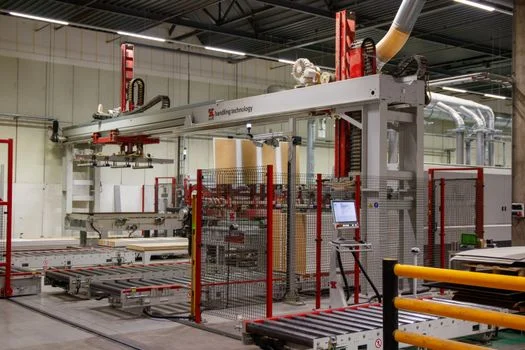
Capital expenditure for a 600 GPM modular wastewater treatment facility in 2027 averages between $4.5M and $5.2M, and TMAH plus HF stage complexity drives most of the spread. When evaluating chip fab wastewater treatment vendors, weigh CapEx against long-term OPEX: membrane replacement frequency and chemical consumption decide the decade. Tier-1 global water conglomerates offer regional support depth, while specialized modular OEMs often post higher removal efficiencies for complex organics like photoresists.
Applications experience matters as much as archetype. The photoresist and developer loads seen in MBR reactor design for wafer cleaning wastewater projects punish suppliers who have never treated them. A general manufacturer of wastewater treatment plants serving municipal clients will quote lower up front, but semiconductor HF and TMAH streams demand fab-specific validation that most municipal portfolios cannot evidence.
The matrix below compares the leading vendor archetypes on 2027 performance data. Evaluation criteria include technical specifications, CapEx, OPEX, modularity, and system features.
| Vendor Category | HF/TMAH Efficiency | CapEx (600 GPM) | OPEX (per 1k gal) | Modularity | Automation |
|---|---|---|---|---|---|
| Global Tier-1 (e.g., Veolia/Suez) | 98.5% | $4.8M–$5.5M | $0.25–$0.30 | Medium | High (Full MES) |
| Modular Specialist (e.g., Saltworks) | 99.5% | $4.2M–$5.0M | $0.20–$0.28 | Ultra-High | High (AI-Driven) |
| Industrial OEM (e.g., HydropureWater) | 99.0% | $3.8M–$4.5M | $0.18–$0.24 | High | Standard (PLC) |
| Regional EPC Firms | 95.0% | $3.2M–$4.0M | $0.30–$0.35 | Low | Variable |
| Pure-Play Membrane Tech | 97.0% | $4.0M–$4.8M | $0.22–$0.26 | Medium | Medium |
Fab-Ready System Selection: A Six-Step Procurement Framework
Fab-ready procurement cycles typically span 12 to 18 months from specification to commissioning. To meet the 95% uptime requirement demanded by high-volume manufacturing (HVM), run a structured evaluation that prioritizes technical validation over initial CapEx at every gate. The six steps below reflect what fab utility teams actually score.
- Step 1: Define Contaminant Loading: Establish the worst-case influent profile, specifically HF peaks during tool cleaning cycles and TMAH concentrations from developer tracks.
- Step 2: Technical Spec Benchmarking: Request data on flux stability and fouling rates. Use the 10–20 LMH MBR flux and 92–98% COD removal rates as your baseline.
- Step 3: Pilot Validation: Require a minimum 60-day on-site pilot. Focus on the stability of PLC-controlled chemical dosing for HF/TMAH neutralization and the accuracy of automated sensor feedback.
- Step 4: Automation Audit: Verify that the supplier's control logic supports OPC UA or MQTT for seamless fab integration. A "black box" control system is a major risk for 2027 smart fabs.
- Step 5: TCO Analysis: Calculate the Total Cost of Ownership over 10 years. Include membrane replacement every 3–5 years, chemical consumption for pH adjustment, and energy for high-pressure RO pumps.
- Step 6: Performance Warranties and LDs: Negotiate liquidated damages for unplanned downtime and contracted effluent quality targets (e.g., <10 mg/L HF).
Case Study: 600 GPM HF Wastewater Treatment at a U.S. Fab
A 600 GPM hydrofluoric acid treatment plant at a U.S.-based fab demonstrated that integrated chemical precipitation and ion exchange can achieve 99.5% HF removal (Saltworks case study, 2025). Influent HF concentrations reached 300 mg/L, TOC ran 800 mg/L, and trace copper and nickel sat at ppb levels. The goal reached beyond discharge compliance to 85% water recovery for non-potable reuse.
The solution ran multi-stage. First, DAF pre-treatment for TSS removal protected downstream membranes from abrasive particulates. A modular RO system followed, with a specialized ion exchange skid polishing trace metals.
AI-driven dosing cut chemical waste by 20% compared to traditional manual dosing. Final results were definitive: HF reduced to <1.5 mg/L, TOC cut by 98%, and a fouling rate below 1% per year — far beyond the industry average for a stream this complex.
ROI: Justifying the Investment to Executives
Unplanned downtime in a semiconductor facility costs $1 million to $5 million per hour. When presenting to the CFO, shift the frame from "treatment cost" to risk mitigation and resource savings. A 500 GPM fab operating at 80% water reuse saves over 200 million gallons of freshwater annually, worth roughly $1.8M per year at current industrial water rates in Arizona.
The ROI formula for a 2027 fab system is: ROI = (annual water savings + avoided downtime exposure + deferred discharge fees − annual OPEX) ÷ total installed CapEx. Run the model over 10 years, matching the TCO window from Step 5. Payback shortens materially once reuse credits and downtime avoidance are counted, and membrane replacement every 3–5 years remains the dominant OPEX swing factor.
Next step: pull the worst-case influent profile from your tool set, then take budgetary designs to the CFO with the ROI math attached. You can request a fab-specific treatment quote with your flow rate and contaminant profile to start that process.
Frequently Asked Questions
What does a 600 GPM semiconductor wastewater treatment plant cost?
A 600 GPM semiconductor wastewater treatment plant costs $3.2M–$5.5M installed in 2027, depending on vendor archetype and treatment depth. Full HF and TMAH trains average $4.5M–$5.2M. OPEX runs $0.18–$0.35 per 1,000 gallons across the same spread. Modular specialists land mid-pack; regional EPC firms quote lowest but usually carry the highest lifecycle cost.
What discharge limit applies to fluoride from semiconductor fabs?
Fluoride limits are jurisdiction-specific, and most fabs treat to internal targets below 10 mg/L to hold permit margin. In the United States, semiconductor effluent falls under 40 CFR Part 469, the Electrical and Electronic Components Point Source Category, which the EPA promulgated in 1983 (US EPA). Covered pollutants include fluoride, arsenic and organic compounds, so HF stage performance is audited against the permit, not the brochure.
How long does fab-ready wastewater system procurement take?
Fab-ready wastewater procurement spans 12 to 18 months from specification to commissioning. The critical-path item is the on-site pilot: require a minimum 60-day run to prove flux stability and dosing control under real tool schedules. Reserve extra calendar time for factory acceptance testing and MES or OPC UA integration checks before go-live.
How much water can a chip fab realistically recycle?
Chip fabs in water-stressed regions target 70–90% water recovery, and the largest operators publish rates consistent with that band in their own sustainability reporting. High-recovery RO with EDI polishing carries most of the lift. Statutory discharge limits still bind the remainder of the flow, so the recycle ceiling is set by membrane recovery and effluent quality together.
What TMAH level should the treatment system achieve?
TMAH should leave the treatment train below 1 mg/L to meet internal fab reuse specifications. Removal above 99.9% is the engineering norm, delivered by ion exchange or dedicated biodegradation on influent of 10–100 mg/L. Biological routes need the C:N:P ratio corrected toward 100:5:1 first, because TMAH loads nitrogen without matching carbon.