Wastewater Treatment Plant Cost in Lobito 2026: CAPEX Breakdown, Tech-Specific Pricing & Angola Compliance Guide
In Lobito, wastewater treatment plant costs vary dramatically by scale and technology: small industrial systems (50–500 m³/day) range from USD 50K–180K, while municipal plants (1,000–10,000 m³/day) cost USD 5M–45M. For example, a 200 m³/day MBR plant in Lobito costs USD 120K–180K (CAPEX) with annual OPEX of USD 20K–30K, including INEA compliance fees. Key cost drivers include technology choice (MBR vs. DAF vs. A/O), Angola’s 10–15% import duties on equipment, and local labor rates (USD 5–10/hour for installation). Understanding these variables is essential for procurement managers and municipal planners to avoid the common 20-30% budget overruns associated with local infrastructure challenges and regulatory delays.
Why Lobito’s Wastewater Treatment Costs Are Higher Than You Think
Import duties and permitting delays often inflate the final cost of wastewater infrastructure in Lobito by 25% to 35% compared to initial equipment quotes. A recent case study of a Lobito-based food processing plant illustrates this trend: the project was originally budgeted at USD 100,000 for a primary treatment system, but the actual realized CAPEX reached USD 140,000. This discrepancy was primarily driven by Angola’s 10–15% import duties on specialized industrial equipment (per Angola Customs 2024) and unexpected logistics costs at the Port of Lobito.
Operational expenses are similarly impacted by the regional lack of specialized infrastructure. Lobito currently lacks dedicated industrial sludge disposal facilities, which forces operators to transport waste to specialized sites or manage it on-site at a cost of USD 50–80 per ton. This is significantly higher than the USD 30–50 per ton average seen in more developed industrial hubs like South Africa. the Instituto Nacional de Gestão Ambiental (INEA) permitting process typically spans 6 to 12 months. Navigating this regulatory timeline often requires hiring local environmental consultants, adding USD 5,000 to USD 15,000 in soft costs to the initial CAPEX before a single liter of water is treated.
These "hidden" costs—ranging from customs brokerage to sludge logistics—mean that a "cheap" equipment purchase can quickly become a financial liability if the total cost of ownership (TCO) is not modeled against Angola’s specific economic environment. Procurement teams must account for these variables during the feasibility stage to ensure project viability.
Wastewater Treatment Plant Costs in Lobito: CAPEX vs. OPEX Framework
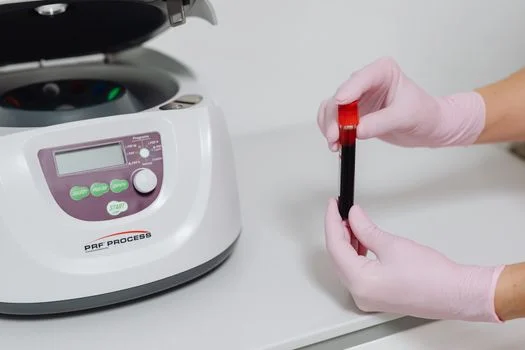
Capital Expenditure (CAPEX) for wastewater systems in Lobito ranges from USD 50,000 for small-scale industrial units to over USD 45 million for large-scale municipal infrastructure. However, the initial purchase price is only one component of the financial model. For instance, a 200 m³/day Membrane Bioreactor (MBR) plant requires an upfront investment of approximately USD 120,000, but it also necessitates an annual Operating Expenditure (OPEX) of USD 25,000 to cover energy, chemicals, and membrane maintenance.
A standard CAPEX breakdown for a Lobito project typically allocates 60% of the budget to the core equipment, 20% to local installation and civil works, and 20% to regulatory compliance and permitting. Shipping costs alone can add USD 5,000 to USD 10,000 per container for equipment sourced from China or Europe. On the operational side, energy is the dominant factor, accounting for 30% of OPEX, followed by chemicals (25%), labor (20%), and sludge disposal (15%). With Lobito’s labor rates for technical staff ranging from USD 5 to USD 10 per hour, automated systems are often preferred to minimize the head-count required for 24/7 operation.
| Cost Category | Component | Estimated Cost (Lobito 2026) | Percentage of Total |
|---|---|---|---|
| CAPEX | Equipment (MBR/DAF) | USD 80,000 – USD 150,000 | 60% |
| CAPEX | Duties & Logistics | USD 15,000 – USD 30,000 | 15% |
| CAPEX | Civil Works & Install | USD 20,000 – USD 40,000 | 25% |
| OPEX (Annual) | Energy ($0.18/kWh) | USD 7,500 – USD 12,000 | 30% |
| OPEX (Annual) | Sludge Disposal | USD 4,000 – USD 8,000 | 15% |
For a 150 m³/day Anaerobic/Oxic (A/O) plant, the 5-year Total Cost of Ownership (TCO) in Lobito would be approximately USD 210,000 (USD 90,000 CAPEX plus USD 120,000 cumulative OPEX). This underscores the importance of evaluating long-term operational efficiency over the lowest initial bid.
Tech-Specific Costs for Lobito’s Industrial Wastewater: MBR vs. DAF vs. A/O
The selection of treatment technology in Lobito is driven by the specific contaminant profile of the industry and the required INEA discharge standards. Membrane Bioreactor (MBR) systems are the gold standard for food processing plants in the Benguela province because they offer 99% pathogen removal and a 60% smaller footprint than traditional clarifiers. However, this performance comes with a 20% higher CAPEX and the requirement for membrane replacement every 5 to 7 years, costing between USD 15,000 and USD 25,000 depending on the system size. Many engineers prefer MBR systems for Lobito’s high-effluent-quality needs when water reuse for irrigation or cooling is a priority.
For the mining and heavy industrial sectors near the Port of Lobito, Dissolved Air Flotation (DAF) is more cost-effective for removing fats, oils, and suspended solids. While DAF systems for Lobito’s mining and industrial wastewater have a lower CAPEX (USD 80,000–120,000), they incur higher chemical costs (USD 10,000–15,000 per year) due to the need for coagulants and flocculants. Meanwhile, A/O (Anaerobic/Oxic) systems remain the most economical choice for municipal sewage, with the lowest CAPEX (USD 50,000–100,000) and simple operation, though they often require secondary polishing to meet strict INEA heavy metal limits.
| Technology | Typical CAPEX (Lobito) | Typical OPEX (Annual) | Best Use Case |
|---|---|---|---|
| MBR (Membrane) | USD 120K – 180K | USD 20K – 30K | Food Processing / Water Reuse |
| DAF (Flotation) | USD 80K – 120K | USD 15K – 25K | Mining / Oil & Gas / Slaughterhouses |
| A/O (Biological) | USD 50K – 100K | USD 10K – 18K | Municipal Sewage / Small Housing |
Energy consumption is a critical differentiator in Lobito, where electricity costs average USD 0.15–0.20/kWh. MBR systems typically consume 1.5 kWh/m³, whereas A/O systems are more efficient at 0.8 kWh/m³. When compared to Mashhad’s tech-specific wastewater treatment costs, Lobito’s energy-to-OPEX ratio is significantly higher, making high-efficiency blowers and motors a mandatory investment for local plants.
Angola’s INEA Compliance: Hidden Costs and Discharge Limits
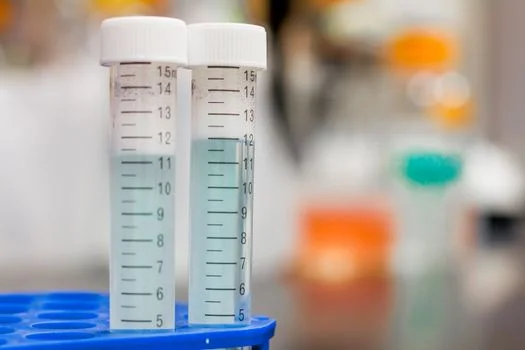
INEA discharge limits in Angola mandate strict thresholds for industrial effluent: Chemical Oxygen Demand (COD) must be below 150 mg/L, Total Suspended Solids (TSS) below 50 mg/L, and pH levels must remain between 6 and 9. Failure to comply can result in fines ranging from USD 10,000 to USD 50,000, or total plant shutdowns. To meet these standards, most industrial facilities must invest in INEA-compliant chemical dosing for pH adjustment and metal precipitation, which adds USD 10,000 to USD 20,000 to the system's CAPEX.
A significant hidden cost in Lobito is the lack of local accredited testing laboratories. Currently, most industrial samples must be sent to Luanda for certified analysis, costing USD 200–500 per test with a 2-to-4-week turnaround time. Annual monitoring fees typically range from USD 2,000 to USD 5,000. Because of these logistical hurdles, INEA has shown a strong preference for MBR systems in municipal and high-risk industrial projects. While MBR adds 20-30% to the initial CAPEX, its 99% pathogen removal rate provides a "compliance safety net" that traditional biological systems lack, effectively reducing the risk of environmental litigation. These strategies mirror the hospital wastewater treatment compliance strategies used in other emerging markets to manage strict regulatory oversight with limited local infrastructure.
Lobito-Specific Cost Drivers: Import Duties, Labor, and Sludge Disposal
Angola’s Customs Code of 2024 imposes a 10–15% import duty on all wastewater treatment machinery, a factor that can add USD 5,000 to USD 25,000 to the price of a mid-sized plant. Beyond the duties, ocean freight to the Port of Lobito and inland transport adds another USD 5,000 to USD 10,000 per 40ft container. Lead times are also a factor; equipment typically takes 4 to 6 weeks to arrive from international ports, and customs clearance can add another 2 weeks of storage fees if documentation is not perfectly aligned with INEA requirements.
Labor rates in Lobito are a double-edged sword. While installation labor is relatively affordable at USD 5–10 per hour, the lack of local technicians specialized in PLC (Programmable Logic Controller) programming or membrane maintenance often requires flying in specialists from Luanda or abroad. This can spike commissioning costs. the absence of centralized sludge processing in the Benguela province means that sludge disposal remains a major OPEX driver. At USD 50–80 per ton, disposal costs in Lobito are significantly higher than in neighboring regions. For a detailed comparison, see how these factors influence Huambo’s wastewater treatment costs and compliance strategies, where similar logistics challenges exist but labor availability differs.
Vendor Selection Checklist: How to Choose a Wastewater Treatment Supplier in Lobito
Choosing a wastewater treatment supplier in Lobito requires a focus on local compliance history and after-sales support rather than just the lowest equipment price. A vendor may offer a 10-15% lower CAPEX (as is common with some international manufacturers), but if they lack experience with INEA's specific documentation requirements, the resulting permitting delays can cost more than the initial savings.
- Angola Experience: Can the vendor provide three references of INEA-approved installations in Angola?
- Local Support: Does the vendor have a service agreement with a local Benguela or Luanda-based firm for spare parts and emergency repairs?
- Warranty Terms: Is there a minimum 2-year warranty on mechanical parts and a 5-year warranty on membranes/structural tanks?
- Import Responsibility: Does the quote include DDP (Delivered Duty Paid) terms, or is the buyer responsible for Angola Customs 2024 duties?
- Training: Does the vendor provide on-site training for Lobito-based operators to manage OPEX (chemicals/energy) effectively?
Procurement managers should utilize a 3-step evaluation process: first, request Lobito-specific case studies; second, verify that the equipment design matches INEA discharge limits; and third, negotiate a clear division of responsibility for import duties and port clearances to avoid "surprise" invoices upon arrival.
ROI Calculator: When Will Your Lobito Wastewater Treatment Plant Pay Off?
The payback period for industrial wastewater systems in Lobito is primarily driven by the avoidance of INEA fines and the reduction of water procurement costs. For a 150 m³/day A/O plant with a total investment of USD 210,000 over five years, the "cost of doing nothing" is often much higher. If a factory faces USD 40,000 in annual fines and spends USD 20,000 on fresh water that could otherwise be replaced by treated effluent, the system pays for itself in less than four years.
Payback periods vary by industry. Food processing facilities often see the fastest ROI (3–5 years) due to the high volume of organic waste and the high cost of municipal water. Mining operations typically see ROI in 4–6 years, driven by heavy metal compliance. Municipal projects have longer horizons (7–10 years) but provide essential long-term stability for urban development. To calculate your specific payback period, use the following formula: (Annual Savings in Fines & Water Costs – Annual OPEX) / CAPEX = Payback Period (Years).
| Industry | Average CAPEX | Annual Savings (Fines/Water) | Estimated Payback |
|---|---|---|---|
| Food Processing | USD 150,000 | USD 55,000 | 3.5 Years |
| Mining | USD 120,000 | USD 35,000 | 4.8 Years |
| Municipal | USD 5,000,000+ | USD 700,000 | 8.5 Years |
Frequently Asked Questions
What is the average cost of a small wastewater treatment plant in Lobito?
A small system (50–500 m³/day) typically costs between USD 50,000 and USD 180,000. The final price depends heavily on whether you choose MBR or biological treatment and includes the 10–15% Angola import duties.
What are the INEA discharge limits for industrial plants in Lobito?
INEA requires COD < 150 mg/L, TSS < 50 mg/L, and pH between 6 and 9. Specific heavy metal limits apply for mining and textile industries, usually requiring concentrations below 0.5 mg/L.
How long does it take to get a wastewater permit in Angola?
The permitting process through INEA usually takes 6 to 12 months. It is recommended to begin the application during the equipment procurement phase to synchronize installation with legal approval.
Are there local sludge disposal sites in Lobito?
Currently, Lobito lacks a centralized industrial sludge facility. Most plants must contract private waste haulers to transport sludge to Luanda or approved landfill sites at a cost of USD 50–80 per ton.