Indonesia domestic wastewater effluent limits 2025 under Permen LH/BPLH No. 11/2025 keep BOD ≤30 mg/L, COD ≤100 mg/L, and TSS ≤30 mg/L for many annex cases, add coliform caps, and update the PERMENLHK 68/2016 baseline.
Indonesia requires buildings that discharge sewage to treat domestic wastewater before release to water bodies, drains, or sewers. PERMENLHK 68/2016 set the national baseline, and Permen LH/BPLH No. 11/2025 expands monitoring and technology duties. According to KLH/BPLH (6 November 2025), volume sets the duty, and an approval or SPPL starts a two-year transition.
What are Indonesia wastewater regulations?
Domestic dischargers in Indonesia must meet national effluent limits before any release to water, drains, or sewers. PERMENLHK 68/2016 set pH 6-9, BOD ≤30 mg/L, COD ≤100 mg/L, and TSS ≤30 mg/L. The 2025 update keeps those core caps for many cases and adds technology standards, volume tiers, and coliform controls.
A raw query that still reaches this page reads do indonesia need waste water domestic regulation; the short answer is yes. The instrument was signed on 4 September 2025 and entered force on 9 September 2025, and Jakarta's environmental compliance portal records that the ministry issued both Number 11 and Number 12 of 2025. Domestic duty sits in Number 11; textile process effluent sits under Permen LH/BPLH No. 12/2025, the companion rule announced by the same ministry.
Earlier explanatory texts often cited Act Number 7/2004 and Government Regulation No. 82/2001 as the water-quality foundation. According to KLH/BPLH (2025), the current ministerial package implements Law No. 32/2009 on Environmental Protection and Management and Government Regulation No. 22/2021. PERMENLHK 68/2016 remains the reference baseline many plants still quote for the classic eight-parameter matrix. Hotel files we open still clip that 2016 sheet to the permit.
The 2025 domestic rule widens compliance beyond end-of-pipe numbers. The ministry issued the pair to split domestic wastewater volume so large and small generators face proportional duties, according to the KLH/BPLH announcement of 6 November 2025. Operators that already hold an environmental approval, or an SPPL environmental commitment statement, receive a two-year transition to adapt technology. Priority basins such as the Citarum and Ciliwung continue to draw tighter local oversight and real-time water-quality monitoring.
For the full annex detail on domestic limits and technology lists, see permenlh/bplh no.11/2025. For the full annex detail on the 2025 domestic package, that companion guide carries the parameter-by-parameter reading.
Indonesia domestic wastewater effluent limits 2025
Indonesia domestic wastewater effluent limits 2025 still center on the PERMENLHK 68/2016 numeric caps that most municipal and commercial plants design against. Engineers compare the 2016 sheet with 2025 additions for ammonia, phosphorus monitoring, and coliform control. A disinfection stage is required once those pathogen caps apply. On priority-basin jobs we size, ammonia is set at 5 mg/L, not the 10 mg/L standard case.
Per the 2025 domestic framework, fecal coliform must stay ≤1,000 MPN/100mL and total coliform ≤10,000 MPN/100mL at the compliance point for the cited cases. Ammonia remains ≤10 mg/L in the standard case and ≤5 mg/L where discharge enters sensitive or priority watersheds. Meeting pathogen limits typically requires chlorination, UV, or ozonation after secondary biological treatment. Biology alone does not close this gap.
Indonesia Fecal Coliform Limit Domestic Sewage Treatment: What Changed in 2025
The fecal coliform limit for domestic sewage treatment in the cited 2025 cases is ≤1,000 MPN/100mL at the compliance point, and total coliform is ≤10,000 MPN/100mL. A plant that already meets BOD and TSS still fails if disinfection is undersized or bypassed during cleaning. Check chlorine contact, UV dose, or ozone transfer at the peak hour, not at the daily average. Package plants we review miss this cap on morning peaks when the disinfection unit was sized on the average flow.
Use the table below as the published 2016-versus-2025 comparison for upgrade screening. Volume-tier nuance under the 2025 rule may adjust how a specific plant applies some caps. Confirm the applicable annex row for your daily flow before final design. Read pH 6-9, oil and grease ≤5 mg/L, and total nitrogen ≤20 mg/L as standard-case design points, and treat phosphorus as explicit monitoring rather than an implied watch item.
| Parameter | PERMENLHK 68/2016 Limit | PerMenLH/BPLH No. 11/2025 Limit | Notes on Change |
|---|---|---|---|
| pH | 6 - 9 | 6 - 9 | Unchanged |
| BOD | ≤ 30 mg/L | ≤ 30 mg/L | Unchanged |
| COD | ≤ 100 mg/L | ≤ 100 mg/L | Unchanged |
| TSS | ≤ 30 mg/L | ≤ 30 mg/L | Unchanged |
| Oil & Grease | ≤ 5 mg/L | ≤ 5 mg/L | Unchanged |
| Ammonia (NH3-N) | ≤ 10 mg/L | ≤ 10 mg/L (Standard) ≤ 5 mg/L (Sensitive Areas) |
Tightened for priority watersheds |
| Total Nitrogen | ≤ 20 mg/L | ≤ 20 mg/L | Unchanged |
| Total Phosphorus | Implied | Explicitly Mandated | New explicit monitoring requirement |
| Fecal Coliform | Not Specified | ≤ 1,000 MPN/100mL | New microbiological parameter |
| Total Coliform | Not Specified | ≤ 10,000 MPN/100mL | New microbiological parameter |
Technology standards for domestic treatment plants
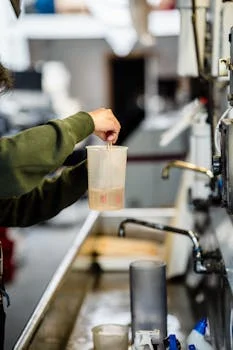
Domestic technology rules now pair numeric limits with minimum design practice so plants can hold compliance through normal load swings. Septic systems for basic decentralized duty must follow SNI 03-2398-2002, including a two-compartment layout, adequate liquid depth, and a distributed absorption field. A sealed holding tank alone does not meet that layout. Small sites we review often fail by omitting the absorption field and calling the tank a treatment plant.
Indonesia Domestic STP Technology Standards Hotels Hospitals Must Meet
Hotels, hospitals, and apartment blocks that generate larger domestic flows need secondary treatment plus disinfection to hit the coliform caps. Extended aeration and sequencing batch reactors are common for BOD and TSS control, with chemical or UV disinfection afterward. Centralized plants above 1,000 m³/day typically need activated sludge or a high-efficiency MBR system for stringent effluent quality to hold BOD ≤30 mg/L and TSS ≤30 mg/L. Specify redundancy on blowers and pumps so one failure does not drop the plant out of compliance.
According to KLH/BPLH (6 November 2025), operators may select listed standardized technologies or verify an alternative, and a process outside the annex needs a supporting technical standard. Food, textile, and manufacturing sites still need influent characterization before the domestic annex is applied. Streams with oil and grease above 5 mg/L benefit from a Dissolved Air Flotation (DAF) system ahead of biology. Tight urban plots often use a compact underground sewage treatment system for hotels and hospitals that stacks primary, secondary, and disinfection stages in one footprint.
Hold the MBR or activated-sludge choice to the limiting parameter, not to a brochure removal rate. An Anaerobic-Oxic train can deliver >90% BOD removal when moving from about 300 mg/L influent BOD to the 30 mg/L discharge cap, provided disinfection meets the coliform limit. Most hotel plants we size sit at the lower end of influent BOD, near 150 mg/L, when occupancy is steady and the kitchen is not dumping untreated grease. If grease spikes, fix the interceptor before you add aeration volume.
How do wastewater systems support compliance?
Wastewater systems support compliance when classification, sizing, disinfection, and records match the duty the permit assigns. Facility managers and EPC engineers usually follow five decision steps, then budget the items that actually move cost. Domestic buildings we size usually show influent BOD at the lower end of 150-300 mg/L when occupancy is steady.
Classify the stream before you size anything. Domestic sewage from toilets, kitchens, and showers falls under the 2025 domestic annex path. Industrial process water with chemicals or metals follows separate instruments such as KepMen LH No. 51/1995 and sector rules. Mixed sanitary-plus-process streams need a waste audit before you pick the legal path.
Characterize influent across a full week. Typical domestic sewage runs BOD 150-300 mg/L and COD 300-600 mg/L under normal building occupancy. Sample across a full operating week so diurnal peaks size the plant, not the average hour alone. A single grab at mid-morning understates kitchen and laundry peaks in hotels.
Select technology against the hardest parameter. Match hydraulic retention time and proven removal to the limiting parameters. Coliform, not BOD, is the limiter once secondary treatment already approaches 30 mg/L. Write the peak-hour disinfection duty into the datasheet before you freeze tank volume.
Set a monitoring regime you can defend. Monthly checks for BOD, COD, TSS, and pH, plus quarterly microbiological sampling, are the practical baseline many plants use. Certified samplers and chain-of-custody keep results defensible for official filings. A self-sampled bottle without a chain of custody is a weak exhibit in an inspection.
File the annual environmental evaluation. Compile accredited lab results into the annual environmental evaluation report (LHE) for KLHK. Regional comparison with compliance strategies for Southeast Asian wastewater standards helps EPC teams frame monitoring frequency and documentation depth. Parameter-by-parameter annex reading for the 2025 domestic package is also covered in the dedicated 2025 Indonesia domestic discharge standards guide.
Cost shows up in equipment redundancy, sampling, and the parameter that is actually tight. Disinfection sized for ≤1,000 MPN/100mL fecal coliform, spare blowers and pumps, accredited LHE sampling, and extra aerobic volume where ammonia must hit 5 mg/L are the items that move the price. Oil and grease above 5 mg/L adds a pretreatment step ahead of biology. None of these is optional once the annex row names them.
Indonesia Wastewater Two Year Transition Compliance 2025: Key Deadlines
The Indonesia wastewater two-year compliance transition gives operators that already hold an environmental approval or an SPPL two years to adapt technology, according to KLH/BPLH (6 November 2025). The window covers technology adaptation and is not a waiver of effluent caps that already apply to the discharge. Map the approval date, list unit processes that fall short of the coliform or ammonia row, and schedule the upgrade inside that window. New plants without an existing approval should design to the current annex from the first operating day.
Selection checklist before purchase or retrofit:
- Confirm domestic versus industrial legal path and daily flow tier.
- Verify BOD, COD, TSS, ammonia, phosphorus, and coliform design points.
- Require disinfection capable of ≤1,000 MPN/100mL fecal coliform.
- Specify redundancy for aeration and pumping on continuous-duty plants.
- Budget accredited sampling, LHE reporting, and spare-parts lead time.
- If you already hold an approval or an SPPL, map the two-year transition clock (KLH/BPLH, 6 November 2025).
- Document SNI references used for septic or activated-sludge performance tests.
Who this is for
Plant engineers, hotel and hospital facility managers, and EPC contractors sizing or upgrading domestic sewage treatment plants in Indonesia are the audience for this guide. Buyers who only need textile process limits should start from Permen LH/BPLH No. 12/2025 instead of the domestic annex. A household that only needs one septic tank, with no sewer or water-body discharge duty, will not get a useful spec here. If you are scoping a package plant or retrofit, send influent data and the discharge location on the project data sheet so design can lock the annex row and disinfection duty.
Frequently Asked Questions

What is the main wastewater regulation in Indonesia for domestic discharge?
The main domestic instruments are PERMENLHK 68/2016 and Permen LH/BPLH No. 11/2025 on wastewater quality and treatment technology. The 2016 rule set the national numeric baseline many plants still use for BOD, COD, and TSS. The 2025 update adds technology standards, volume-based duties, and stronger microbiological controls. According to KLH/BPLH (6 November 2025), operators with an environmental approval or an SPPL also receive a two-year transition to adapt technology.
What are the discharge limits for BOD and COD in Indonesia?
Under PERMENLHK 68/2016, domestic BOD must stay ≤30 mg/L and COD ≤100 mg/L at the compliance point for the standard annex cases. The 2025 comparison used here keeps those same core caps for many facilities. Local authorities may still impose stricter site limits when discharge enters priority river basins. Always confirm the annex row that matches your daily volume before freezing blower, tank, and disinfection capacity.
Do hotels and hospitals need wastewater treatment plants?
Yes, Article 4 of PERMENLHK 68/2016 requires buildings that generate domestic wastewater, including hotels, hospitals, and malls, to treat effluent before discharge to water bodies or public sewers. Larger commercial flows also need secondary treatment plus disinfection to meet the 2025 coliform caps of ≤1,000 MPN/100mL fecal coliform. Compact integrated plants are common where the plot cannot fit an open aeration basin. Land-short sites still have to hit the same numeric caps.
What is the role of SNI standards in wastewater treatment?
SNI documents supply design and performance-test criteria referenced by the domestic technology rules. SNI 03-2398-2002 covers septic-tank layout, liquid depth, and absorption fields. SNI 19-6447-2000 covers activated-sludge performance testing methods. Specifying the correct SNI in procurement documents reduces disputes over acceptance testing, and auditors use those references to check that installed equipment matches the approved process train.
How does Indonesia handle industrial versus domestic wastewater?
Indonesia regulates the two streams on separate tracks. Domestic sewage follows the 2016 and 2025 domestic package discussed above. Industrial process effluent follows KepMen LH No. 51/1995 and sector-specific rules, including Permen LH/BPLH No. 12/2025 for textile wastewater. When sanitary and process flows mix, classify the stream first, because the stricter or sectoral path usually controls treatment design, sampling frequency, and the report you file.