Industrial Waste Treatment Thailand: Key Laws and Agencies
Industrial waste treatment Thailand compliance uses a two-tier structure: the Ministry of Natural Resources and Environment sets policy, and the Ministry of Industry enforces factory effluent limits. The Enhancement and Conservation of National Environmental Quality Act B.E. 2535 (1992) created the Pollution Control Department and empowered ONEP on national policy. Numeric limits sit in MOI Notification B.E. 2550 (2007).
The Factory Act B.E. 2535 (1992) covers plant establishment and waste management. The Public Health Act B.E. 2535 (1992) lets local authorities manage community sanitation. Large or complex sites usually report to the Office of Natural Resources and Environmental Policy and Planning (ONEP) and the Pollution Control Department (PCD). Local Administrative Organizations (LAOs) monitor many small- and medium-sized factories inside their districts.
A factory in an industrial estate may need Industrial Estate Authority of Thailand (IEAT) and PCD permits, then still file to its LAO. Unclear roles at design freeze often delay commissioning. The Department of Industrial Works (DIW) also plays an enforcement role alongside PCD, ONEP, and LAOs. Operators comparing multi-country permit files can use the Nigeria wastewater treatment regulations guide as a parallel checklist format.
Building on this legal framework, MOI Notification B.E. 2550 sets the numeric wastewater standards that drive treatment equipment selection.
Industrial Effluent Standards by Factory Type: MOI Notification B.E. 2550
MOI Notification B.E. 2550 groups factories and assigns effluent limits by type across more than 60 parameters. Designers must hit those numbers at the legal discharge point, not at an intermediate sump. Article 9 lets authorities tighten limits near sensitive watersheds, public water sources, or dense urban areas.
| Factory Type / Parameter | BOD (mg/L) | COD (mg/L) | TSS (mg/L) | Other Key Parameters |
|---|---|---|---|---|
| Food Processing | ≤ 60 | ≤ 120 | ≤ 100 | pH 5.5–9.0, Oil & Grease ≤ 5 |
| Textile Manufacturing | ≤ 40 | ≤ 100 | ≤ 50 | Color ≤ 500 PCU, Sulfide ≤ 1.0 |
| Pulp & Paper | ≤ 50 | ≤ 150 | ≤ 100 | Chlorides ≤ 1,000, Sulfate ≤ 400 |
| Metal Plating | n/a | n/a | ≤ 30 | Total Cr ≤ 2.0, Cr(VI) ≤ 0.5, CN ≤ 0.5 |
| General Standard | ≤ 20 | ≤ 120 | ≤ 30 | pH 5.5–9.0, TKN ≤ 100 |
Textile limits emphasize color and sulfide because dye baths and reducing agents dominate that load. Metal plating limits focus on chromium and cyanide, which need precipitation and destruction before biology. Most plants we size for food lines run near the BOD ≤ 60 mg/L and FOG ≤ 5 mg/L ceilings rather than municipal reuse quality.
Unlisted sectors, or sites under Article 9, often default to the general wastewater treatment standards of BOD ≤ 20 mg/L and TSS ≤ 30 mg/L. That shift usually forces tertiary polishing beyond a single DAF or conventional clarifier train.
Onsite Treatment Requirements for Commercial and Institutional Facilities
Commercial kitchens and canteens must install grease trap ponds sized for peak kitchen flow. Daily manual desludging during operating hours is the usual practice to keep FOG out of sewers. Grease trap hydraulic retention time is typically at least 30 minutes at peak serving flow.
Under Ministerial Regulation No.3 (B.E.2535), buildings taller than 15 meters, or with total area over 10,000 m², need dedicated drainage and wastewater treatment. Hotels and malls with many restaurants often use one large interceptor rather than many undersized traps. Where lift stations feed those trains, owners sometimes compare prefabricated versus traditional pump stations before freezing civil scope.
Septic tank effluent may irrigate gardens on site. Discharge of septic effluent to surface water or public drains without tertiary treatment is prohibited under the same onsite rules. High-rise sewage loads usually need package plants or extended aeration with documented maintenance logs for inspections.
Do Saudi compliance regulations apply to Thai factories?
Saudi compliance regulations do not govern discharges inside Thailand. A Thai factory must meet MOI Notification B.E. 2550 and any Article 9 tightening at its Thai outfall. Multi-country owners should keep separate permit files per jurisdiction instead of copying Gulf limit sheets onto Thai designs.
Matching Treatment Technologies to Regulatory Standards
Technology choice is an engineering balance of influent load, target limits, and sludge handling cost. The mapping below shows common industrial waste treatment Thailand pairings used on food, textile, and plating trains.
| Target Compliance | Recommended Technology | Expected Performance | Typical Applications |
|---|---|---|---|
| BOD ≤ 60 mg/L, TSS ≤ 100 mg/L, FOG ≤ 5 mg/L | Dissolved Air Flotation (DAF) | 90–95% FOG removal, 85-95% TSS reduction | Food processing, slaughterhouses, palm oil |
| BOD ≤ 20 mg/L, TSS ≤ 5 mg/L, high-quality reuse | Membrane Bioreactor (MBR) | BOD < 10 mg/L, TSS < 5 mg/L, Turbidity < 1 NTU | Textiles, pharmaceuticals, electronics |
| COD ≤ 100 mg/L, TSS ≤ 30 mg/L, heavy metals removal | Chemical Dosing + Clarification | 80-95% metal precipitation, 60-80% COD reduction | Metal plating, chemical manufacturing |
A food plant can place a high-efficiency DAF system ahead of biology to strip FOG and TSS. A textile line that needs reuse-quality water usually needs a compact MBR system to hold BOD and color under the tighter sector limits.
MBR raises membrane replacement and scour energy cost. Activated sludge plus tertiary sand filtration can meet general BOD ≤ 20 mg/L at lower OPEX when reuse is not required. Advanced oxidation processes are reserved for stubborn color or selected metals after precipitation fails the permit sheet.
Compliance Monitoring, Penalties, and Enforcement Trends
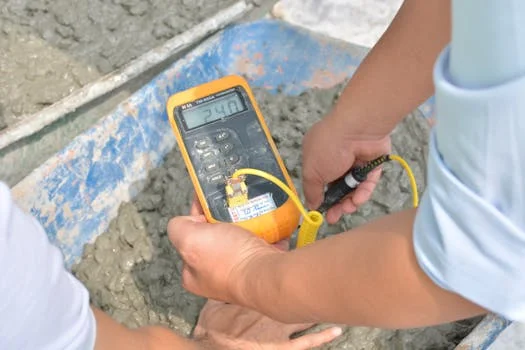
Factories must sample and analyze effluent quarterly and submit results to ONEP through the Industrial Waste Management System (IWMS). Missing a quarterly report is treated as a compliance violation on its own. Exceeding discharge standards can bring fines up to 200,000 THB per day until corrected.
Unpermitted discharges or repeated breaches can reach fines up to 1 million THB and operational suspension. Eastern Seaboard industrial estates have pushed real-time effluent monitoring since 2022. Accredited labs and certified sampling staff are expected for self-monitoring packages.
Public listing on the PCD violator database adds commercial and lender risk beyond the cash fine itself. Continuous monitoring shifts plant staff from quarterly catch-up sampling to day-to-day process control on the full treatment train.
Factory Compliance Selection Checklist
Before you freeze process design for a Thai factory discharge permit, work through these checks in order:
- Confirm factory type under MOI Notification B.E. 2550 and whether Article 9 applies at the site.
- Lock effluent limits at the legal outfall, including BOD, COD, TSS, pH, and sector-specific items.
- Measure peak and average influent load; size FOG and solids removal for kitchen or process peaks.
- Select DAF, chemical precipitation, biological treatment, or MBR against the numeric gap to the limit.
- Budget quarterly IWMS sampling, accredited lab fees, and operator training inside the OPEX model.
- Plan sludge handling and spare parts so uptime matches continuous or real-time monitoring duty.
- Map IEAT, PCD, ONEP, DIW, and LAO permit holders so reporting lines are clear before commissioning.
Who This Is For, Who Should Look Elsewhere, and Next Step
This guide is for plant engineers, EPC contractors, and procurement managers sizing treatment for Thai industrial or large commercial discharges. Hospital-only treatment scopes should use dedicated hospital guides such as the Salalah hospital wastewater treatment overview rather than this factory-focused page.
If you already know your MOI limits and need equipment sizing, send influent data and target effluent for a process match. Request a technical quote through our request quote form with flow, BOD/COD, and factory type listed.
Frequently Asked Questions
What is the main law governing wastewater in Thailand?
The Enhancement and Conservation of National Environmental Quality Act B.E. 2535 (1992) is the foundational environmental statute. It established the PCD and supports ONEP policy work. Numeric industrial effluent limits for factories come from Ministry of Industry Notification B.E. 2550 (2007), which replaced earlier B.E. 2535 industrial discharge rules used for plant design.
Does Thailand publish industrial wastewater standards by factory type?
Yes. MOI Notification B.E. 2550 sets numeric effluent limits across more than 60 parameters and factory categories. Food plants often face BOD ≤ 60 mg/L and FOG ≤ 5 mg/L, while the general standard can require BOD ≤ 20 mg/L. Article 9 may tighten those ceilings near sensitive water bodies or dense urban districts.
Are grease traps required in Thai commercial kitchens?
Yes. Canteens and food service facilities must install grease trap ponds sized for kitchen peak flow. Daily desludging during operating periods is standard practice to prevent sewer blockages and stay inside FOG discharge limits. Large hotels and malls usually need centralized interceptors rather than many small under-sink units.
How strict are Thailand’s BOD limits for factories?
BOD limits commonly range from 20 mg/L under the general standard or Article 9 conditions to 60 mg/L for listed food processing discharges. Textile plants often sit at BOD ≤ 40 mg/L with color and sulfide caps. Confirm the exact factory class on the notification schedule before you fix aeration volume or membrane area.
What happens if a factory violates discharge standards?
Exceeding standards can trigger fines up to 200,000 THB per day until the plant returns to compliance. Unpermitted discharge or repeated violations can reach fines up to 1 million THB and suspension of operations. Missed IWMS quarterly reports are violations, and PCD public listing can damage customer and lender reviews.
Further Reading

Explore these in-depth articles on related wastewater treatment topics: