Why Food Processing Wastewater Needs Medical-Grade Treatment
Food processing effluent typically contains organic concentrations 10 to 50 times higher than domestic sewage, with Biological Oxygen Demand (BOD) levels frequently reaching 10,000 mg/L in meat and dairy operations. These high-strength waste streams are characterized by extreme fluctuations in pH, high concentrations of Fats, Oils, and Grease (FOG), and significant pathogen loads including E. coli, Salmonella, and Listeria. Under the EPA 40 CFR Part 503 and the EU Urban Waste Water Directive 91/271/EEC, facilities must achieve stringent reduction targets—often requiring BOD and Total Suspended Solids (TSS) to be lower than 30 mg/L for indirect discharge. However, for facilities pursuing direct water reuse or "medical-grade" safety standards, the threshold drops to <5 mg/L BOD and <1 mg/L TSS to prevent biofilm growth and cross-contamination in the production environment.
The financial risk of non-compliance has escalated significantly; for instance, a 2025 EPA enforcement action resulted in a $450,000 fine for a Midwest meat processor that exceeded its permitted BOD limits by 400% over a six-month period. Conventional industrial wastewater systems often fail under these loads because they lack the refined disinfection and filtration stages necessary to handle rapid spikes in organic matter. Medical-grade treatment protocols differ by integrating advanced oxidation, such as ozone or chlorine dioxide, with membrane-based separation. These systems ensure that treated water is not just chemically compliant but biologically sterile. By adopting MBR systems for medical-grade effluent in food plants, engineers can achieve a level of purity that allows treated wastewater to be safely repurposed for cooling towers, boiler feed, or facility wash-downs, effectively closing the water loop.
Contaminant profiles in food processing vary by sector. Dairy plants produce high volumes of phosphorus and nitrogen, while meat processing generates high FOG (500–2,000 mg/L) and protein-heavy sludge. Medical-grade systems address these through multi-stage barriers: primary DAF for physical separation, secondary biological treatment for organic digestion, and tertiary membrane filtration for pathogen exclusion. This rigorous approach is no longer optional for facilities operating in water-stressed regions or those subject to the strict China GB 18918-2002 Class 1A standards, which mandate near-potable quality for discharge into sensitive watersheds.
Treatment Technologies Compared: DAF vs. MBR vs. Anaerobic Digestion for Food Processing
Selecting a treatment architecture depends on the ratio of Fats, Oils, and Grease (FOG) to soluble Chemical Oxygen Demand (COD) and the desired final water quality. Dissolved Air Flotation (DAF) serves as the industry standard for primary pretreatment, particularly in meat and snack food plants where FOG removal is the priority. By utilizing micro-bubbles to lift hydrophobic particles to the surface, DAF systems for FOG removal in food processing can achieve 90–95% FOG removal efficiency, protecting downstream biological units from fouling. However, DAF alone cannot meet medical-grade discharge limits, as it primarily targets physical solids rather than dissolved organics.
For high-strength streams like those found in breweries or ethanol plants, Anaerobic Digestion (AD) offers a "waste-to-energy" advantage. AD systems break down complex carbohydrates and proteins in the absence of oxygen, yielding 0.3–0.5 m³ of biogas per kg of COD removed. While the CAPEX for AD is higher, the energy recovery can offset up to 40% of a plant's total utility costs. In contrast, Membrane Bioreactors (MBR) provide the highest effluent quality. By replacing traditional gravity clarifiers with ultrafiltration membranes, MBRs eliminate sludge bulking issues and ensure a pathogen-free filtrate. The following table provides a technical comparison of these technologies based on 2026 engineering benchmarks.
| Technology | Influent Capacity (m³/day) | COD Removal (%) | BOD Removal (%) | FOG Removal (%) | Biogas Yield (m³/kg COD) | CAPEX ($/m³/day) | OPEX ($/m³) | Compliance |
|---|---|---|---|---|---|---|---|---|
| DAF (Pretreatment) | 100–5,000 | 40–60% | 30–50% | 90–95% | N/A | $50–$150 | $0.10–$0.30 | Pre-treat only |
| MBR (Aerobic) | 50–2,000 | 95–99% | 99% | 99% | N/A | $200–$500 | $0.30–$0.60 | EPA/EU/China 1A |
| Anaerobic Digestion | 200–10,000 | 70–90% | 60–80% | 50–70% | 0.3–0.5 | $150–$400 | $0.05–$0.20 | Indirect/Energy |
Hybrid systems are increasingly common in 2026 facility designs. A dairy plant, for example, may utilize a DAF unit to strip cream and fats followed by an MBR to polish the water for reuse. Similarly, meat processors often employ an anaerobic lagoon or reactor for bulk COD reduction, followed by an aerobic MBR stage to meet "zero-detect" pathogen requirements. This tiered approach optimizes both energy consumption and chemical dosing, ensuring the system can handle seasonal harvest peaks without biological collapse.
Engineering Specs: Influent, Effluent, and Process Parameters for Food Processing Systems
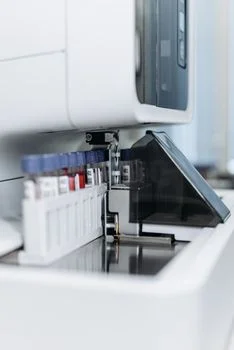
Engineering design for food processing wastewater must account for peak hydraulic loads that often exceed average daily flow by 250% during intensive sanitation cycles. To achieve medical-grade disinfection, the system must be sized not just for average BOD, but for the maximum organic shock loads that occur when tanks are drained or product lines are flushed. For MBR systems, maintaining a stable Membrane Flux (measured in Liters per Square Meter per Hour, or LMH) is critical; for food wastewater, flux rates are typically kept between 12–25 LMH to prevent irreversible pore fouling from residual oils.
The process chemistry must also be tightly controlled. PH adjustment is mandatory, as food wastewater can swing from pH 4.0 (acidic fruit processing) to pH 11.0 (alkaline cleaning). Using an automatic chemical dosing system ensures that the influent is neutralized to a range of 6.5–7.5 before entering biological stages. medical-grade disinfection requires a validated "kill-step." According to WHO guidelines, chlorine dioxide (ClO₂) is preferred over standard chlorine because it does not produce trihalomethanes (THMs) and remains effective across a wider pH range. Dosing ClO₂ at 2–5 mg/L with a 30-minute contact time is the engineering standard for eliminating Listeria and Salmonella in reuse water.
| Parameter | Raw Influent (Food) | MBR Effluent (Reuse) | Process Spec (2026) |
|---|---|---|---|
| BOD₅ (mg/L) | 1,000 – 10,000 | < 5 | HRT: 18–36 hours |
| COD (mg/L) | 2,000 – 15,000 | < 30 | SRT: 25–40 days |
| TSS (mg/L) | 300 – 1,500 | < 1 | Membrane Flux: 15 LMH |
| FOG (mg/L) | 500 – 2,000 | < 1 | DAF Air-to-Solids: 0.03 |
| Total Nitrogen (mg/L) | 50 – 200 | < 10 | MLSS: 8,000–12,000 mg/L |
| Disinfection (Log Red.) | High Pathogen Load | 6-Log (Bacteria) | ClO₂ Dose: 2–5 mg/L |
To maintain these specs, engineers must implement redundant sensors for Oxidation-Reduction Potential (ORP) and turbidity. If the effluent turbidity exceeds 1.0 NTU, the system should automatically trigger a recycle loop to prevent sub-standard water from entering the reuse storage tanks. This fail-safe mechanism is a hallmark of the ClO₂ generators for pathogen control in food processing wastewater, which integrate directly with the plant’s SCADA system for real-time compliance monitoring.
Cost Breakdown: CAPEX, OPEX, and ROI for Food Processing Wastewater Systems
The total cost of ownership for food processing wastewater systems is increasingly dominated by energy and chemical consumption rather than initial equipment purchase. While a high-performance MBR system has a higher CAPEX than a traditional activated sludge plant, the smaller footprint and the ability to reclaim water often lead to a lower Lifecycle Cost (LCC). For a mid-sized facility processing 500 m³/day, the CAPEX for a turnkey medical-grade MBR system typically ranges from $400,000 to $750,000, depending on the level of automation and the complexity of the influent.
OPEX is driven by four primary factors: electricity for aeration (40–60%), chemical dosing for coagulation and disinfection (20–30%), labor for system oversight (10–20%), and periodic membrane replacement (5–10%). For facilities in regions with high water costs, such as California or parts of Europe, the ROI is accelerated by the "avoided cost" of purchasing municipal water and the reduction in sewer surcharges. A 500 m³/day MBR system in a California dairy plant recently demonstrated a 3.2-year payback period by recycling 70% of its process water for non-potable use, saving over $180,000 annually in water procurement costs alone.
| System Scale | Capacity (m³/day) | CAPEX Range ($) | OPEX ($/m³) | Annual OPEX ($) | Estimated ROI (Years) |
|---|---|---|---|---|---|
| Small (DAF + Aerobic) | 100 | $80K – $150K | $0.45 | $16,400 | 4.5 – 6.0 |
| Medium (MBR) | 500 | $400K – $750K | $0.35 | $63,800 | 3.0 – 4.0 |
| Large (AD + MBR) | 1,000 | $1.2M – $2.0M | $0.25* | $91,250 | 2.5 – 3.5 |
*Note: Large-scale AD systems can achieve near-zero or negative net OPEX if biogas is used for combined heat and power (CHP) generation.
Beyond direct water savings, procurement teams must factor in the "risk mitigation" value. The cost of a single 48-hour production halt due to a wastewater permit violation can exceed $100,000 in lost revenue. Investing in a robust system provides an insurance policy against regulatory shifts. For more on how these costs scale in developing markets, see our guide on regional compliance and cost benchmarks for food processing wastewater.
Compliance Checklist: Meeting EPA, EU, and Local Standards for Food Processing Wastewater
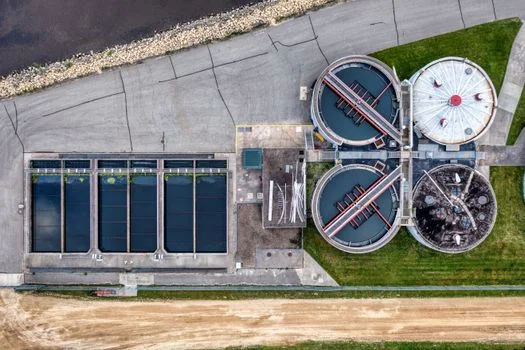
Regulatory compliance for food-grade water reuse requires a 4-log reduction in enteric viruses and a 3-log reduction in Giardia cysts. Environmental managers must navigate a complex web of local and international standards to ensure their facility remains operational. In the United States, the EPA 40 CFR Part 503 governs the land application of biosolids, while local pretreatment programs (LPPs) dictate the BOD and TSS limits for sewer discharge. In Europe, the EU Urban Waste Water Directive is even more stringent regarding nutrient removal (Nitrogen and Phosphorus) to prevent eutrophication in local waterways.
To ensure zero-risk compliance, follow this 5-step roadmap:
- Characterize Wastewater: Conduct a 7-day composite sampling during peak production and sanitation cycles to determine true max-load BOD, COD, TSS, and FOG.
- Select Technology: Match the technology to the goal. Use DAF for FOG-heavy streams and advanced MBR applications for high-COD wastewater if reuse is the objective.
- Pilot Testing: For flows exceeding 500 m³/day, run a 30-day pilot plant to verify membrane flux rates and chemical consumption under real-world fluctuations.
- Obtain Permits: Secure National Pollutant Discharge Elimination System (NPDES) permits or local industrial discharge permits early in the design phase.
- Monitoring and Reporting: Install continuous monitoring for pH, Flow, and Turbidity. Medical-grade systems should include automated data logging for disinfection residuals (e.g., ClO₂ levels).
Common pitfalls include undersized equalization (EQ) tanks, which lead to biological shocks, and a lack of redundancy in disinfection systems. A compliant system must have N+1 redundancy for critical pumps and blowers to ensure the plant never discharges untreated waste during maintenance. Adhering to the China GB 18918-2002 Class 1A standards—often considered the global gold standard for reuse—requires BOD <10 mg/L and Total Phosphorus <0.5 mg/L, benchmarks that are increasingly being adopted by multinational food brands as their internal corporate sustainability goals.
Frequently Asked Questions
What is the difference between industrial and medical-grade wastewater treatment for food plants? Industrial treatment focuses on meeting basic discharge permits (BOD <300 mg/L). Medical-grade treatment utilizes Membrane Bioreactors (MBR) and advanced oxidation (ClO₂ or Ozone) to achieve pathogen-free water with BOD <5 mg/L, suitable for direct facility reuse or discharge into sensitive ecosystems per EPA and WHO guidelines.
How does high FOG (Fats, Oils, and Grease) affect MBR performance? High FOG levels (above 100 mg/L) can coat membranes, leading to irreversible fouling and a 50-80% drop in flux. Effective medical-grade systems must use a Dissolved Air Flotation (DAF) unit as pretreatment to reduce FOG to <20 mg/L before the effluent reaches the MBR stage.
What is the typical payback period for a water reuse system in food processing? Payback periods typically range from 2.5 to 4.5 years. The ROI is driven by three factors: savings on municipal water purchase ($0.50–$2.00/m³), elimination of high-strength sewer surcharges, and potential energy recovery from anaerobic digestion (0.3–0.5 m³ biogas/kg COD).
Can chlorine dioxide be used for food-contact water disinfection? Yes, chlorine dioxide is FDA and EPA approved for various food processing applications. In wastewater reuse, it is preferred over chlorine because it effectively kills Cryptosporidium and Giardia without forming carcinogenic disinfection byproducts, maintaining a medical-grade safety profile.
Sources
- EPA Summary of the Clean Water Act (40 CFR Part 503)
- EU Urban Waste Water Directive (91/271/EEC)
- WHO Guidelines for Drinking-water Quality: 4th Edition
- HydropureWater Field Engineering Data (2025-2026)