Hospital wastewater treatment in Rotterdam must comply with the Dutch Water Act and Rotterdam Water Authority (RWA) discharge permits, requiring COD ≤125 mg/L, BOD ≤25 mg/L, and <10 CFU/100 mL fecal coliforms. Advanced systems like MBR (membrane bioreactors) achieve 99%+ removal of antibiotic resistance genes (ARGs) such as blaKPC and vanA, while ozonation or catalytic oxidation targets pharmaceutical residues. On-site treatment is increasingly mandated for hospitals over 200 beds to avoid overloading Rotterdam’s centralized plants, which are transitioning to underground facilities by 2026.
Why Rotterdam Hospitals Need Specialized Wastewater Treatment
Rotterdam Water Authority (RWA) enforces stricter discharge limits than the EU Urban Waste Water Directive 91/271/EEC for hospital effluent, necessitating specialized treatment. Per 2025 RWA guidelines, hospital discharge permits in Rotterdam require effluent to meet stringent parameters: COD ≤125 mg/L, BOD ≤25 mg/L, TSS ≤35 mg/L, and <10 CFU/100 mL fecal coliforms. These limits are more rigorous than general municipal standards due to the unique contaminants found in healthcare facilities.
Hospital wastewater in Rotterdam contains significantly higher concentrations of problematic substances compared to typical municipal sewage. A 2019 PubMed study indicated that hospital effluent in Dutch urban areas exhibits 25% higher antibiotic concentrations and three times more antibiotic resistance genes (ARGs) like blaKPC and vanA. These persistent pollutants, including pharmaceuticals and their metabolites, pose a substantial environmental risk if not adequately treated. Failure to sufficiently pre-treat hospital effluent risks severe financial penalties, ranging from €10,000 to €50,000 per violation, and contributes to bioaccumulation in the Nieuwe Maas River, potentially impacting local fisheries and critical drinking water intakes.
Rotterdam's long-term plan to transition its centralized sewage treatment plants to underground facilities by 2026 (per ScienceDirect research) is set to significantly impact hospital discharge requirements. This strategic move aims to optimize land use and enhance treatment efficiency, but it will likely lead to increased scrutiny and potentially higher surcharges for non-compliant hospital wastewater, pushing more facilities towards robust on-site pre-treatment solutions to safeguard the municipal infrastructure and meet future capacity demands.
Rotterdam-Specific Compliance: Discharge Limits and Permitting Process
Rotterdam Water Authority (RWA) discharge permits mandate quarterly monitoring for specific pharmaceuticals and ARGs, reflecting stringent local compliance requirements. Under the 2025 RWA Circular 12, hospitals must regularly test their effluent for key pharmaceutical markers such as carbamazepine and ciprofloxacin, in addition to monitoring the presence and reduction of antibiotic resistance genes. This level of detail surpasses many general industrial discharge permits.
The specific discharge limits for hospitals in Rotterdam can be more stringent than in other Dutch cities. For instance, while The Hague currently allows up to 125 mg/L COD for some hospital effluent, new permits in Rotterdam often require a COD limit of 100 mg/L, especially for facilities with significant pharmaceutical discharge. This local variation underscores the importance of understanding Rotterdam-specific regulations.
The permitting timeline for new hospital wastewater treatment systems in Rotterdam typically spans 6 to 12 months. A mandatory pre-application consultation with the RWA is a critical first step. This consultation helps applicants understand the RWA’s pre-application checklist, which includes detailed engineering reports, effluent characterization data, and proposed treatment schematics, streamlining the subsequent application process.
A notable case example is Erasmus MC, Rotterdam's largest hospital, whose 2024 permit renewal specifically required the installation of an on-site MBR system. This upgrade was essential for the hospital to meet newly imposed, stricter ARG limits, illustrating the RWA’s increasing emphasis on advanced pre-treatment for complex hospital waste streams.
| Parameter | Rotterdam (New Permits, 2025) | The Hague (General Hospital, 2025) | EU Urban Waste Water Directive (91/271/EEC) |
|---|---|---|---|
| COD | ≤100 mg/L | ≤125 mg/L | ≤125 mg/L |
| BOD₅ | ≤25 mg/L | ≤25 mg/L | ≤25 mg/L |
| TSS | ≤35 mg/L | ≤35 mg/L | ≤35 mg/L |
| Fecal Coliforms | <10 CFU/100 mL | <10 CFU/100 mL | N/A (General) |
| Pharmaceuticals (e.g., Carbamazepine) | Monitored, Target >90% removal | Monitored | N/A |
| ARGs (e.g., blaKPC, vanA) | Monitored, Target >99% removal | Monitored | N/A |
Treatment Technologies for Rotterdam Hospitals: On-Site vs. Centralized Options
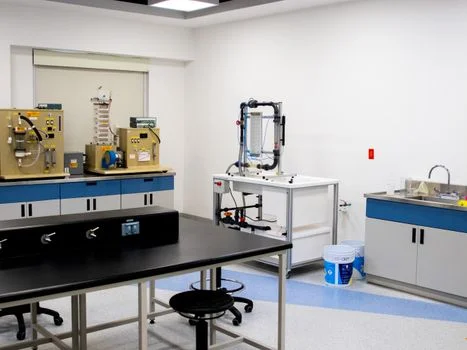
On-site membrane bioreactor (MBR) systems achieve 99% antibiotic resistance gene (ARG) removal, offering a significantly smaller footprint compared to conventional treatment for Rotterdam hospitals. MBR systems for hospital wastewater treatment in Rotterdam, such as HydropureWater MBR product specifications, demonstrate 95% COD reduction and require up to 60% less space than traditional activated sludge systems. This compact design is crucial for space-constrained urban hospitals.
For advanced pharmaceutical removal, technologies like ozonation or catalytic oxidation are highly effective. The Pharmafilter plant at Franciscus Gasthuis in Rotterdam, for example, utilizes ozonation to achieve 90%+ pharmaceutical removal. However, ozonation requires careful post-treatment to manage bromate formation, with the EU limit for bromate in drinking water set at 10 μg/L, necessitating secondary filtration or activated carbon. Another disinfection option for hospital effluent is the use of chlorine dioxide generators for hospital effluent disinfection, offering broad-spectrum microbial control.
Centralized municipal treatment offers a lower operational expenditure (OPEX) for basic wastewater discharge, typically ranging from €0.30–€0.50/m³. However, this option often necessitates substantial pre-treatment at the hospital to avoid surcharges from the RWA, which can levy charges of €2.50/m³ or more for non-compliant hospital effluent containing high concentrations of specific pollutants. The transition to Rotterdam’s underground treatment plant plan by 2026, as detailed in ScienceDirect, is projected to further increase centralized treatment costs and potentially tighten pre-treatment requirements for industrial and institutional dischargers, including hospitals.
A highly effective solution for comprehensive hospital wastewater treatment is a hybrid MBR + ozonation system. The process flow typically involves primary screening (to remove solids), followed by an MBR unit for biological degradation and solid-liquid separation. The permeate from the MBR then enters an ozonation reactor for advanced oxidation of pharmaceuticals and ARGs. Post-ozonation, a granular activated carbon (GAC) filter can be used to remove any residual bromate and other oxidation byproducts, ensuring compliance with strict discharge limits.
| Feature | On-Site MBR System | Ozonation/Catalytic Oxidation | Centralized Municipal Treatment (with pre-treatment) |
|---|---|---|---|
| Primary Function | Biological treatment, solids separation, ARG/pathogen reduction | Advanced Oxidation Processes (AOP) for pharmaceuticals | General municipal waste treatment |
| ARG Removal Efficiency | >99% | >90% (when combined with biological) | Limited, often requires on-site pre-treatment |
| Pharmaceutical Removal | >90% (some compounds) | >90% (specific compounds) | Limited, often requires on-site pre-treatment |
| Footprint | Compact (up to 60% smaller than conventional) | Moderate (reactor and gas handling) | Minimal on-site, but overall large municipal plant |
| Typical CAPEX (100-500 m³/day) | €500K – €2M | €200K – €800K (add-on to MBR) | €100K – €300K (for DAF pre-treatment) |
| Typical OPEX (€/m³) | €0.80 – €1.50 | €0.20 – €0.40 (for energy/chemicals) | €0.30 – €0.50 (municipal fee) + pre-treatment OPEX |
| Main Advantage | High effluent quality, compact, direct compliance | Effective for micropollutants, robust disinfection | Lower initial investment for basic discharge |
| Main Challenge | Higher CAPEX, membrane maintenance | Bromate formation, energy intensity | Risk of surcharges, limited control over final effluent quality |
Cost Breakdown: CAPEX and OPEX for Hospital Wastewater Treatment in Rotterdam
On-site MBR system CAPEX for a 100–500 m³/day hospital wastewater treatment plant in Rotterdam typically ranges from €500K to €2M, encompassing civil works, membranes, and automation. This initial investment covers the entire system, from influent pumping and pre-screening to the MBR tanks, permeate pumping, and control systems. The specific cost varies based on flow rate, required effluent quality, and site-specific installation complexities.
The operational expenditure (OPEX) for an on-site MBR system generally falls between €0.80–€1.50/m³. This figure includes energy consumption for pumps and aeration, periodic membrane replacement (typically every 5–8 years), and the cost of chemicals for membrane cleaning and system maintenance. For hospitals seeking strategies to lower OPEX for hospital wastewater systems, optimizing energy use and implementing effective membrane cleaning protocols are key.
In contrast, relying solely on centralized municipal treatment presents a lower direct OPEX of €0.30–€0.50/m³ for the municipal discharge fee. However, this often requires a DAF system for hospital wastewater pre-treatment or other preliminary treatment to meet RWA's pre-discharge limits for solids and grease, incurring a separate CAPEX of €100K–€300K. This pre-treatment also adds its own OPEX for energy and chemical consumption, which can range from €0.10–€0.25/m³.
Beyond equipment, permitting costs for a new hospital wastewater treatment system in Rotterdam typically range from €20K–€50K. This includes expenses for engineering reports, environmental impact assessments, and RWA application and inspection fees. Maintenance costs are also a significant factor; while MBR membranes last 5–8 years, ozonation systems require annual catalyst replacement, which can cost €15K–€30K per year, in addition to energy and oxygen supply.
Despite the higher initial CAPEX, on-site systems often demonstrate a strong return on investment (ROI). For hospitals exceeding 300 beds, on-site treatment systems can pay back their investment in 3–5 years due to avoided RWA surcharges for non-compliant discharge, reduced risk of fines, and potential for water reuse, which lowers potable water consumption.
| Cost Category | On-Site MBR System (100-500 m³/day) | Centralized Treatment (with DAF Pre-treatment) |
|---|---|---|
| CAPEX (Initial Investment) | ||
| Treatment System | €500,000 – €2,000,000 | €100,000 – €300,000 (DAF pre-treatment) |
| Civil Works & Installation | €100,000 – €500,000 | €20,000 – €50,000 |
| Permitting & Engineering | €20,000 – €50,000 | €10,000 – €25,000 |
| Total Estimated CAPEX | €620,000 – €2,550,000 | €130,000 – €375,000 |
| OPEX (Annual Operating Costs) | ||
| Energy Consumption | €0.30 – €0.50/m³ | €0.10 – €0.15/m³ (DAF only) |
| Chemicals & Consumables | €0.20 – €0.40/m³ | €0.05 – €0.10/m³ (DAF only) |
| Membrane Replacement (amortized) | €0.15 – €0.30/m³ | N/A |
| Maintenance & Labor | €0.15 – €0.30/m³ | €0.05 – €0.10/m³ |
| Municipal Discharge Fee | N/A (or minimal if high quality effluent) | €0.30 – €0.50/m³ |
| Total Estimated OPEX | €0.80 – €1.50/m³ | €0.50 – €0.85/m³ |
Equipment Selection Guide: Matching Technology to Hospital Size and Budget
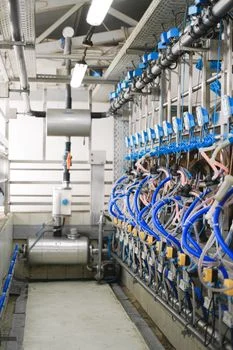
Small hospitals with fewer than 200 beds in Rotterdam can effectively utilize compact MBR systems or chemical dosing with DAF for pre-treatment to meet discharge requirements. For these facilities, where space and budget may be limited, a HydropureWater compact medical wastewater treatment system offers a self-contained, efficient solution. Alternatively, a chemical dosing system followed by a DAF unit can provide adequate pre-treatment for discharge into the municipal sewer, particularly if the primary concern is high suspended solids from laundry or basic pharmaceutical removal.
Medium-sized hospitals, typically ranging from 200 to 500 beds, often require a more robust solution to handle higher flows and more complex waste streams. An MBR system for hospital wastewater treatment in Rotterdam combined with ozonation is ideal for achieving full compliance with stringent RWA limits for pharmaceuticals and ARGs. The Pharmafilter setup at Franciscus Gasthuis in Rotterdam serves as a prime example of this integrated approach, effectively treating both solid and liquid hospital waste. Effluent characteristics, such as high total suspended solids (TSS) from laundry facilities or elevated pharmaceutical concentrations from oncology wards, significantly influence the choice of advanced treatment stages.
For large hospitals exceeding 500 beds, such as Erasmus MC, hybrid systems integrating MBR with reverse osmosis (RO) are becoming increasingly common, especially for water reuse applications. Erasmus MC's 2024 upgrade to include advanced RO post-MBR illustrates a trend towards achieving ultra-pure effluent suitable for non-potable uses within the hospital, reducing overall water consumption and minimizing environmental impact.
A structured decision tree can guide the selection process:
- If your hospital has >300 beds and significant oncology/intensive care wards: Choose MBR + Ozonation for comprehensive pharmaceutical and ARG removal, potentially with RO for water reuse.
- If your hospital has 200–300 beds and moderate pharmaceutical usage: Opt for a standalone MBR system, with potential for future ozonation module addition.
- If your hospital has <200 beds and no oncology/complex drug administration: Consider a compact MBR system or DAF + disinfection for pre-treatment before municipal discharge.
| Hospital Size/Characteristics | Recommended Technology | Key Benefits | Considerations |
|---|---|---|---|
| Small Hospitals (<200 beds) (Limited space, budget-conscious, lower complex waste load) |
Compact MBR (e.g., HydropureWater) OR Chemical Dosing + DAF | Compact footprint, cost-effective for basic compliance, ease of operation. | May not achieve full pharmaceutical/ARG removal; check RWA specific limits. |
| Medium Hospitals (200-500 beds) (Moderate space, higher complex waste load, full compliance required) |
MBR + Ozonation (e.g., Franciscus Gasthuis setup) | High removal of ARGs and pharmaceuticals, robust disinfection, water reuse potential. | Higher CAPEX/OPEX, requires skilled operators, bromate management for ozonation. |
| Large Hospitals (>500 beds) (Abundant complex waste, potential for water reuse, stringent limits) |
Hybrid MBR + RO (e.g., Erasmus MC upgrade) | Highest effluent quality, ideal for water reuse, superior micropollutant removal. | Highest CAPEX/OPEX, complex operation, membrane fouling for RO. |
| Specific Effluent Concerns (High TSS from laundry, high FOG from kitchens) |
DAF (Dissolved Air Flotation) as pre-treatment | Effective for solids, oil, and grease removal, prevents municipal sewer clogs. | Does not treat dissolved organics or micropollutants. |
Frequently Asked Questions
Facility managers and environmental engineers in Rotterdam frequently inquire about specific regulatory nuances and cost implications for hospital wastewater treatment.
Q: What are the most critical discharge parameters for Rotterdam hospitals?
A: The most critical parameters are COD (≤100-125 mg/L), BOD (≤25 mg/L), TSS (≤35 mg/L), fecal coliforms (<10 CFU/100 mL), and increasingly, the removal of specific pharmaceuticals (e.g., carbamazepine) and antibiotic resistance genes (ARGs) like blaKPC and vanA, as mandated by the Rotterdam Water Authority (RWA).
Q: How does Rotterdam's 2026 underground plant plan affect hospital wastewater treatment?
A: The transition to underground centralized plants by 2026 is expected to lead to stricter pre-treatment requirements and potentially higher surcharges for hospitals discharging non-compliant effluent. This development further incentivizes robust on-site treatment to protect municipal infrastructure and avoid increased costs.
Q: Is on-site treatment always more cost-effective than centralized treatment for Rotterdam hospitals?
A: While on-site treatment has a higher initial CAPEX, it often becomes more cost-effective for hospitals over 300 beds within 3–5 years due to avoided RWA surcharges, reduced fines for non-compliance, and the potential for water reuse. For smaller hospitals, a combination of basic on-site pre-treatment (like DAF) and centralized discharge might be more economical.
Q: Can hospital wastewater be reused after on-site treatment in Rotterdam?
A: Yes, with advanced on-site systems like MBR combined with Reverse Osmosis (RO), hospital wastewater can be treated to a quality suitable for non-potable reuse within the facility, such as for toilet flushing, irrigation, or cooling towers. This approach significantly reduces potable water consumption and enhances sustainability.
Further Reading
Explore these in-depth articles on related wastewater treatment topics: