Bangladesh’s hospitals generate over 5,500 kg of medical waste daily, with 22.6% classified as hazardous—yet only 15% of Dhaka’s major hospitals use adequate wastewater treatment systems (PLOS Water, 2025). This 2025 engineering guide provides a data-driven framework for selecting hospital WWTPs in Bangladesh, including compliance with DoE and WHO standards (e.g., COD < 250 mg/L, fecal coliform < 1,000 MPN/100mL), cost benchmarks ($80K–$1.2M for 50–500 bed hospitals), and a side-by-side comparison of MBR, DAF, and chlorine dioxide systems for pathogen removal and space efficiency.
Why Bangladesh’s Hospital Wastewater Crisis Demands Urgent Action
Bangladesh’s hospitals generate approximately 5,562 kg of medical waste daily, with 22.6% categorized as hazardous, posing significant public health and environmental risks (MDPI study cited in Top 2 page). Despite this substantial output, only 15% of Dhaka’s major hospitals currently utilize adequate wastewater treatment systems, as highlighted by a PLOS Water study published in 2025. This critical gap in proper wastewater management often includes a lack of effective disinfection, inadequate sludge management practices, and widespread non-compliance with established Department of Environment (DoE) standards.
Untreated hospital effluent directly contributes to the spread of antimicrobial resistance (AMR) and waterborne diseases such as cholera and hepatitis in downstream communities, a severe public health concern underscored by the WHO Bangladesh AMR report in 2023. These discharges introduce a cocktail of pathogens, pharmaceuticals, and hazardous chemicals into surface and groundwater sources, impacting both human health and aquatic ecosystems. Recognizing the escalating threat, Bangladesh’s Department of Environment has intensified regulatory pressure, enforcing stricter penalties for non-compliance under the Environmental Conservation Act (2023 amendments). This legislative tightening aims to compel healthcare facilities to adopt robust hospital wastewater treatment in Bangladesh, ensuring discharges meet environmental quality standards and mitigating the pervasive risks associated with medical wastewater.
Bangladesh’s Hospital Wastewater Treatment Standards: DoE, DGHS, and WHO Requirements
Compliance with stringent regulatory standards is non-negotiable for hospital wastewater treatment systems in Bangladesh, protecting public health and avoiding severe penalties. The Department of Environment (DoE) sets definitive discharge standards for hospital effluent, which are legally binding benchmarks for all healthcare facilities.
DoE Discharge Standards for Hospital Effluent (2025)
| Parameter | Standard (mg/L, unless specified) |
|---|---|
| Chemical Oxygen Demand (COD) | < 250 |
| Biochemical Oxygen Demand (BOD) | < 30 |
| Total Suspended Solids (TSS) | < 50 |
| Fecal Coliform | < 1,000 MPN/100mL |
| Residual Chlorine | 0.5–1.0 |
| pH | 6.0–9.0 |
| Oil & Grease | < 10 |
These standards, updated in the DoE Environmental Quality Standards (2023), dictate the maximum permissible levels of pollutants before discharge into the environment. Parallel to DoE regulations, the Directorate General of Health Services (DGHS) issued Circular No. 2024/12, mandating on-site wastewater treatment plants (WWTPs) for all hospitals with a capacity exceeding 50 beds. This guideline also stipulates annual compliance audits and requires third-party testing to verify treatment efficacy, ensuring accountability and continuous adherence to standards. the WHO Guidelines for Safe Use of Wastewater (2023) recommend a 6-log reduction of pathogens for hospital effluent intended for reuse, such as irrigation or toilet flushing, emphasizing the need for advanced disinfection technologies.
Non-compliance carries significant repercussions under the Environmental Conservation Act (2023 amendments), including fines up to BDT 500,000 (~$4,500 USD) per violation and potential facility shutdowns. Obtaining a DoE environmental clearance certificate is a prerequisite for operating a hospital WWTP. This process typically involves submitting a comprehensive Environmental Impact Assessment (EIA) report, detailed WWTP design specifications, hydraulic calculations, and a robust disinfection protocol, ensuring a thorough evaluation of the proposed system's environmental impact and treatment capabilities. Facility managers can also review how South Africa’s hospital WWTP regulations differ from Bangladesh’s for comparative insights into global best practices.
Hospital Wastewater Treatment Technologies: MBR vs DAF vs Chlorine Dioxide Systems
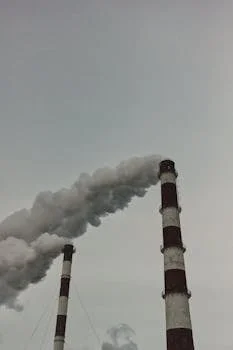
Selecting the optimal compact hospital wastewater treatment systems for Bangladesh requires a detailed understanding of each technology's performance, footprint, and operational demands, particularly within the constraints of urban hospitals in Bangladesh regarding space, cost, and stringent pathogen removal requirements. Three primary technologies—Membrane Bioreactor (MBR), Dissolved Air Flotation (DAF), and Chlorine Dioxide (ClO₂) disinfection—offer distinct advantages for treating medical wastewater.
Membrane Bioreactor (MBR) systems are highly effective, achieving up to 99.9% pathogen removal and 90–95% Chemical Oxygen Demand (COD) reduction. Their compact footprint makes them ideal for urban hospitals where space is a premium, as demonstrated by the icddr,b project data (Top 1 page). An MBR system typically integrates biological treatment with membrane filtration, where activated sludge flows through membrane modules (e.g., hollow fiber or flat sheet) to separate treated water from biomass. This eliminates the need for a secondary clarifier, resulting in superior effluent quality suitable for reuse. Limitations include a higher Capital Expenditure (CAPEX) of approximately $150–$250 per cubic meter of capacity and the risk of membrane fouling, which necessitates regular cleaning and eventual replacement. HydropureWater offers advanced MBR systems for hospital wastewater treatment in Bangladesh designed for efficiency and ease of maintenance.
Dissolved Air Flotation (DAF) systems excel at removing 90–95% of Total Suspended Solids (TSS) and 60–80% of Fats, Oils, and Grease (FOG). This makes DAF particularly suitable for hospitals with high suspended solids loads, often originating from labs, kitchens, and laundry facilities. DAF operates by dissolving air under pressure into wastewater, then releasing it at atmospheric pressure, creating microscopic bubbles that attach to suspended particles, floating them to the surface for skimming. DAF systems have a lower CAPEX, ranging from $80–$150 per cubic meter, but require consistent chemical dosing (e.g., poly-aluminum chloride (PAC) and polymer) to enhance coagulation and flocculation. Our DAF systems for high-TSS hospital wastewater in Bangladesh are engineered for robust performance.
Chlorine Dioxide (ClO₂) disinfection offers a highly effective method for pathogen inactivation, achieving a 99.9% kill rate for bacteria and viruses without forming harmful trihalomethanes (THMs), a common byproduct of chlorine gas disinfection. ClO₂ is generated on-site, typically from sodium chlorite and hydrochloric acid, and is then dosed into the treated effluent. It offers lower operational expenditure (OPEX) compared to chlorine gas and is ideal for retrofitting into existing treatment systems, with a CAPEX of $50–$100 per cubic meter. However, effective ClO₂ disinfection requires precise on-site generation and pH control, ideally within a range of 6.5–8.5. HydropureWater provides reliable Chlorine dioxide disinfection for hospital effluent in Bangladesh solutions.
For hospitals with severe space constraints or exceptionally high pathogen loads (e.g., infectious disease wards), hybrid systems combining these technologies can provide superior results. For example, a DAF system could be used for primary treatment to remove solids and FOG, followed by an MBR for biological treatment and advanced filtration, and finally, chlorine dioxide disinfection for ultimate pathogen inactivation. This multi-barrier approach ensures comprehensive treatment tailored to specific effluent characteristics and regulatory demands.
Comparison of Hospital Wastewater Treatment Technologies
| Feature | MBR (Membrane Bioreactor) | DAF (Dissolved Air Flotation) | Chlorine Dioxide (ClO₂) Disinfection |
|---|---|---|---|
| Primary Function | Biological treatment, advanced filtration, pathogen removal | Suspended solids, FOG removal | Pathogen inactivation (disinfection) |
| Pathogen Removal | 99.9% (6-log reduction) | Minimal (primary treatment) | 99.9% (bacteria, viruses) |
| COD Reduction | 90–95% | Limited (depends on TSS/FOG COD) | Minimal |
| TSS Removal | >99% | 90–95% | Minimal |
| Footprint | Compact (ideal for urban areas) | Medium to Large | Small (for generator unit) |
| CAPEX (per m³ capacity) | $150–$250 | $80–$150 | $50–$100 |
| Key Limitations | Higher CAPEX, membrane fouling | Requires chemical dosing, sludge management | On-site generation, pH control, no pollutant removal |
| Ideal Application | High-quality effluent for reuse, limited space | High TSS/FOG loads, pre-treatment | Final disinfection, retrofitting existing systems |
Cost Breakdown: Hospital WWTPs in Bangladesh (50–500 Bed Capacity)
The total investment for a hospital wastewater treatment plant (WWTP) in Bangladesh, encompassing both capital expenditure (CAPEX) and operational expenditure (OPEX), varies significantly based on hospital bed capacity, chosen technology, and local economic factors. For hospitals ranging from 50 to 500 beds, the CAPEX for a compliant WWTP typically falls between $80,000 and $1.2 million USD. Specifically, MBR systems represent the higher end of this range at $150–$250 per cubic meter of capacity due to advanced membrane technology. DAF systems offer a more moderate CAPEX of $80–$150/m³, while chlorine dioxide disinfection systems are generally the most cost-effective for initial setup at $50–$100/m³.
Annual OPEX is a critical consideration for long-term sustainability. For a typical 200-bed hospital utilizing an MBR system, annual OPEX can be around $25,000 USD. This breakdown includes electricity (30–40% of OPEX), chemicals (20–30%), labor (15–25%), and membrane replacement (10–15% for MBR systems, every 3-5 years). Local cost factors significantly influence these figures; for instance, electricity costs around BDT 8/kWh, a dedicated WWTP operator typically earns $200–$400/month, and chemical prices such as PAC are approximately $300/ton, with chlorine dioxide precursors around $500/ton.
Estimated Cost Breakdown for Hospital WWTPs in Bangladesh
| Cost Category | Range (50-500 Bed Hospital) | Key Drivers | Local Factors |
|---|---|---|---|
| CAPEX (Total) | $80,000 – $1,200,000 | Technology choice (MBR, DAF, ClO₂), capacity, civil works | Import duties, local construction costs |
| CAPEX (per m³ capacity) | MBR: $150–$250 DAF: $80–$150 ClO₂: $50–$100 |
Equipment sophistication, material quality | Supplier pricing, installation complexity |
| OPEX (Annual, % of total) | Electricity: 30–40% Chemicals: 20–30% Labor: 15–25% Maintenance/Spares: 10–15% |
System automation, effluent quality, operator skill | Electricity BDT 8/kWh, Labor $200-400/month |
| ROI Drivers | Avoidance of DoE fines ($4,500/violation), water reuse savings (BDT 50/m³), reduced sludge disposal (BDT 2,000/ton) | Compliance, water scarcity, environmental stewardship | Local water tariffs, sludge treatment facilities |
The Return on Investment (ROI) for a hospital WWTP extends beyond financial metrics. While avoiding DoE fines (up to $4,500 per violation) and potential facility shutdowns provides direct financial benefits, hospitals can also achieve significant savings through water reuse, estimated at BDT 50/m³ for non-potable uses like irrigation. Reduced sludge disposal costs, which can be BDT 2,000/ton, further contribute to ROI. several funding options exist to support these investments, including the World Bank’s Bangladesh Health Sector Program ($50M allocated for WASH upgrades), Asian Development Bank (ADB) grants, and DoE low-interest loans specifically for WWTP projects. These financial mechanisms aim to ease the burden of initial investment and promote widespread adoption of compliant hospital wastewater treatment in Bangladesh.
Step-by-Step Guide: Designing a Hospital WWTP for Bangladesh’s Regulatory Environment
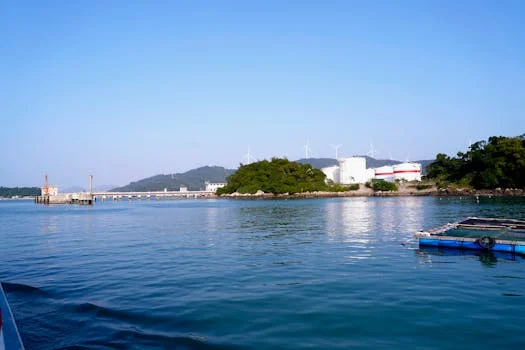
Designing a hospital wastewater treatment plant (WWTP) in Bangladesh requires a structured approach, integrating engineering principles with strict adherence to local regulatory requirements. The process ensures both effective treatment and timely DoE approval.
- Step 1: Wastewater Characterization
The foundational step involves a detailed analysis of the hospital's wastewater. This includes measuring flow rates (e.g., a 200-bed hospital typically generates 50–100 m³/day of wastewater), and comprehensive analysis of pollutant parameters like Chemical Oxygen Demand (COD), Biological Oxygen Demand (BOD), Total Suspended Solids (TSS), and pathogen load (e.g., COD often ranges from 500–1,000 mg/L in Dhaka hospital data, per Top 2 page). This characterization informs the appropriate treatment capacity and technology selection. - Step 2: Technology Selection
Based on the wastewater characterization, a suitable treatment technology or combination of technologies must be chosen. Refer to the comparison table in the previous section for MBR, DAF, and chlorine dioxide systems. A decision tree can guide this process:- High pathogen load, limited space, desire for reuse: Prioritize MBR systems for hospital wastewater treatment in Bangladesh.
- High TSS/FOG, pre-treatment needed: Consider DAF systems for high-TSS hospital wastewater in Bangladesh.
- Existing system needs disinfection upgrade, cost-sensitive: Integrate Chlorine dioxide disinfection for hospital effluent in Bangladesh.
- Step 3: Site Assessment
Evaluate the available space for the WWTP, considering both above-ground and underground options. Factors like soil conditions, groundwater levels, and proximity to sensitive receptors or water bodies are crucial. Underground systems, such as HydropureWater’s WSZ series, can be effective for saving space but necessitate robust waterproofing and structural design. Our WSZ underground integrated sewage treatment systems are designed for discreet, efficient operation. - Step 4: Design and Permitting
Develop detailed engineering designs, including process flow diagrams, hydraulic calculations, equipment specifications, and civil engineering plans. An Environmental Impact Assessment (EIA) report is mandatory for DoE environmental clearance. Required documentation typically includes:- Comprehensive WWTP layout and site plan
- Detailed process description and hydraulic profiles
- Equipment data sheets and specifications
- Sludge management plan
- Disinfection protocol and efficacy calculations
- Emergency response plan
- Step 5: Installation and Commissioning
The installation phase typically spans 3–6 months, depending on system complexity and site conditions. After installation, thorough commissioning is essential. This includes:- Leak tests on all piping and tanks
- Functional checks of pumps, blowers, and control systems
- Calibration of sensors and dosing equipment
- Disinfection efficacy testing
- System startup and gradual loading with wastewater
- Performance testing to ensure compliance with DoE standards
- Step 6: Operation and Maintenance
Establish a robust Operation and Maintenance (O&M) schedule. This includes daily checks (e.g., DAF skimmer operation, chemical levels), weekly tasks (e.g., MBR membrane cleaning, sludge wasting), and monthly/quarterly maintenance (e.g., equipment calibration, deep membrane cleaning, filter replacement). Proper training for operators is paramount to ensure consistent performance and compliance.
Frequently Asked Questions
Understanding common concerns about hospital wastewater treatment in Bangladesh is essential for effective planning and implementation.
What is the floating hospital in Bangladesh?
The Kuwait Bangladesh Friendship Government Hospital (KBFGH) in Dhaka is recognized as Bangladesh’s first floating hospital and the location of the country’s pioneering sustainable hospital WWTP (icddr,b project, 2024). This advanced facility integrates MBR and chlorine dioxide disinfection, achieving an impressive 99.9% pathogen removal rate and enabling 90% of the treated water to be reused for irrigation.
What are the biggest challenges for hospital wastewater treatment in Bangladesh?
The PLOS Water study (2025) identifies three primary challenges: (1) limited adoption of adequate treatment technologies, with only 15% of Dhaka hospitals having proper systems; (2) poor sludge management, as most hospitals lack effective dewatering and disposal facilities; and (3) a severe shortage of trained operators, with only 30% of existing WWTPs having dedicated, skilled staff. These factors collectively hinder effective hospital wastewater treatment in Dhaka's major hospitals.
How much does a hospital WWTP cost in Bangladesh?
The cost for a hospital WWTP in Bangladesh varies significantly by hospital size and technology. CAPEX ranges from approximately $80,000 for a 50-bed hospital utilizing DAF and chlorine dioxide to $1.2 million for a 500-bed hospital with an MBR and ClO₂ system. CAPEX typically accounts for 60–70% of the total cost, with annual OPEX adding an estimated $15,000–$30,000, depending on the chosen technology (refer to the cost breakdown section for detailed figures).
What are the DoE’s penalties for non-compliance?
Under the Environmental Conservation Act (2023 amendments), hospitals found in non-compliance with wastewater discharge standards face severe penalties. These include fines up to BDT 500,000 (~$4,500 USD) per violation and the potential for facility shutdowns. Repeat offenders may also face more stringent measures, including criminal charges and imprisonment for up to two years.
Can hospital wastewater be reused in Bangladesh?
Yes, treated hospital wastewater can be reused in Bangladesh, but strictly for non-potable applications such as irrigation, landscaping, and toilet flushing. This is permissible only after achieving a stringent 6-log pathogen reduction, as recommended by WHO guidelines. The icddr,b project at KBFGH exemplifies this, successfully reusing 90% of its treated effluent for landscaping, which results in water cost savings of approximately BDT 1.2 million per year.
Further Reading
Explore these in-depth articles on related wastewater treatment topics: