A factory manager in the Oinofyta industrial zone recently faced a €45,000 administrative fine when their aging secondary clarifier failed to meet the strict effluent standards required by the Prefecture of Attica. This scenario is increasingly common as Athens’ sewage treatment equipment market consolidates around 5–7 suppliers offering turn-key solutions compliant with EU Directive 91/271/EEC (COD ≤125 mg/L, TSS ≤35 mg/L). For industrial projects, Athens-compliant MBR systems for space-constrained sites achieve 99% pathogen removal in 60% smaller footprints than conventional activated sludge, while high-FOG DAF systems for Athens’ food processing and textile sectors handle 4–300 m³/h of wastewater. Local suppliers like Ecotech and Flowtec provide OEM equipment and trenchless rehabilitation, but often lack standardized cost transparency—procurement managers should budget €50K–€5M CAPEX depending on technology and scale.
Why Athens’ Sewage Treatment Needs Are Unique: Climate, Compliance, and Cost Pressures
Athens’ wastewater temperature ranges from 18°C in winter to 25°C in peak summer, a thermal profile that significantly dictates the kinetics of biological treatment processes. In the Mediterranean climate, mesophilic bacteria thrive, allowing for higher metabolic rates compared to Northern European counterparts; however, this also increases the risk of filamentous bulking in conventional clarifiers during seasonal transitions. Engineering specifications for any sewage treatment equipment supplier in Athens must account for these temperature-adjusted biological growth rates to prevent biomass washout.
Compliance is governed strictly by the EU Urban Waste Water Directive 91/271/EEC. For plants serving the Greater Athens Area and surrounding industrial parks, the discharge limits are non-negotiable: Chemical Oxygen Demand (COD) must remain ≤125 mg/L, Total Suspended Solids (TSS) ≤35 mg/L, Total Nitrogen (N) ≤15 mg/L, and Total Phosphorus (P) ≤2 mg/L. Meeting Greece’s 2026 EU compliance requirements for industrial wastewater requires multi-stage treatment, particularly for the pharmaceutical and textile hubs in Attica that produce complex, non-biodegradable COD fractions.
the regional economy is heavily influenced by tourism, leading to seasonal hydraulic surges. In coastal Athens or nearby resort areas, wastewater volume can spike by 30% during the summer months. This volatility demands modular equipment—such as Ecotech’s compact pretreatment units—that can scale oxygen transfer rates and sludge return ratios dynamically. Without such scalability, municipal WWTPs risk "shock loading," leading to permit violations and environmental degradation of the Saronic Gulf.
How to Compare Athens Sewage Treatment Equipment Suppliers: A 5-Point Evaluation Framework
Evaluating an Athens-based sewage treatment equipment supplier requires distinguishing between Original Equipment Manufacturers (OEMs) and value-added distributors. While local firms like Newtec represent high-end EU and US brands, local OEMs like Ecotech design and manufacture over 50 types of specialized units in-house. For a procurement manager, the choice between an OEM and a distributor often hinges on the lead time for custom modifications versus the brand prestige of imported components.
A structured evaluation should prioritize local project experience. Flowtec, for instance, has completed over 3,000 meters of trenchless rehabilitation in Athens, demonstrating a capability to handle the city’s dense, historical urban fabric. Conversely, Ecotech’s portfolio of 800+ turn-key projects provides a benchmark for industrial-scale biological systems. When reviewing suppliers, verify their ISO9001 certification and their history of securing "Operation Permits" from Greek environmental authorities, as equipment without local certification can delay project commissioning by months.
After-sales support is the most frequent point of failure in Athens projects. Buyers should compare standard 2-year warranties against extended 5-year service contracts that include telemetry monitoring. Remote monitoring is essential for industrial sites in East Attica where on-site engineering staff may be limited. Finally, cost transparency is paramount; demand a breakdown that separates the equipment CAPEX from civil works, as the latter can often exceed the cost of the machinery itself in the rocky terrain of the Attica basin.
| Evaluation Criterion | OEM (Local Manufacture) | Distributor (Imported Brands) |
|---|---|---|
| Customization | High; can modify specs for specific Athens influent. | Low; limited to standard manufacturer models. |
| Lead Time | 3–6 months (Local production). | 6–12 months (International shipping/customs). |
| Technical Support | Direct access to design engineers. | Third-party technicians or factory relay. |
| Compliance | Designed specifically for EU 91/271/EEC. | May require local "Grecianization" of controls. |
Top 5 Sewage Treatment Equipment Suppliers in Athens: Specs, Costs, and Use Cases
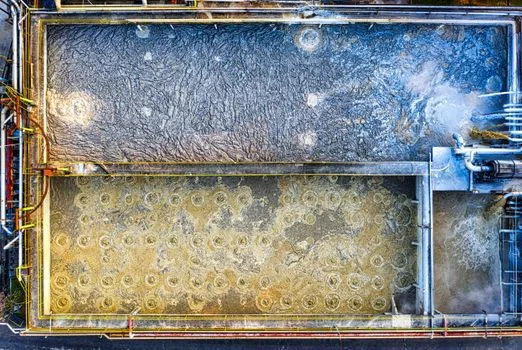
The Athens market for wastewater infrastructure is segmented into high-capacity municipal contractors and specialized industrial OEM providers. Selecting the right partner involves matching the technology type—such as MBR or DAF—to the specific waste stream of the facility. Below is a comparison of the leading entities currently operating in the Attica region.
| Supplier | Core Technologies | CAPEX Range | Best For |
|---|---|---|---|
| Ecotech | OEM Pretreatment, Biological Systems | €50K – €2M | Small-to-medium industrial & hotel projects. |
| Flowtec | Trenchless Rehab, Municipal WWTP | €200K – €5M | Large-scale municipal pipeline & infrastructure. |
| Newtec | EU/US Imported Filtration & Dosing | €100K – €3M | High-spec pharmaceutical or chemical plants. |
| HydropureWater Partner | MBR (DF Series), DAF | €40K – €1.5M | Space-constrained urban sites & FOG removal. |
| Hydro-Tech Athens | Chemical Dosing, Sludge Dewatering | €30K – €800K | Tertiary treatment & sludge management. |
For projects requiring high-purity effluent for potential reuse in irrigation—a growing trend in the drought-prone Attica region—EU-compliant disinfection for Athens wastewater reuse projects is often integrated into these systems. While Ecotech excels in the initial mechanical design, Flowtec is the preferred choice for projects involving complex civil engineering and underground pipe networks.
Athens-Specific Equipment Selection: When to Choose MBR, DAF, or Conventional Systems
Selecting the optimal treatment technology in Athens depends on the specific balance between available land area and required effluent purity. Membrane Bioreactor (MBR) systems, such as the HydropureWater DF Series, are the gold standard for Athens’ boutique hotels and urban industrial parks. Because MBR replaces the secondary clarifier with membrane filtration, it provides a 60% smaller footprint and achieves COD levels ≤50 mg/L, far exceeding EU minimums. This high-quality water is often reused for cooling towers or landscape irrigation under Greek Presidential Decree 51/2007.
For the food processing and textile industries located in the Aspropyrgos area, Dissolved Air Flotation (DAF) is the necessary first step. High levels of Fats, Oils, and Grease (FOG) can coat biological media and inhibit oxygen transfer. A high-FOG DAF system can remove up to 95% of suspended solids and grease before the water enters a biological stage, protecting the more sensitive downstream equipment. This is particularly critical for Athens’ olive oil and dairy processors who deal with highly concentrated organic loads.
Conventional activated sludge remains relevant only for large-scale municipal projects where land is not a constraint and influent characteristics are exceptionally stable. When upgrading these older systems, engineers often look for the best secondary clarifiers for Athens’ municipal WWTPs to improve settling efficiency without expanding the physical plant boundary. Hybrid systems—combining DAF for pretreatment and MBR for polishing—are becoming the preferred "zero-risk" configuration for mixed-use industrial zones in Attica.
Cost Breakdown for Athens Sewage Treatment Projects: CAPEX, OPEX, and Hidden Expenses
Capital expenditure (CAPEX) for Athens sewage treatment projects typically accounts for only 40-60% of the total 20-year lifecycle cost. For a medium-scale industrial MBR system, CAPEX ranges from €150,000 to €450,000. However, the operational expenditure (OPEX) is heavily influenced by Greece’s energy prices, currently averaging €0.15/kWh. Energy consumption for aeration and pumping usually represents 30-50% of the annual OPEX, making high-efficiency diffusers and variable frequency drives (VFDs) a mandatory investment for ROI optimization.
Hidden costs in the Athens market are frequently tied to civil works and permitting. In the rocky terrain of Northern Athens, excavation costs can be 20% higher than the national average. environmental permitting and telemetry integration can add €15,000 to €50,000 to the total budget. Flowtec’s trenchless rehabilitation methods often mitigate these costs by avoiding the need for extensive surface excavation, which is particularly valuable in the traffic-congested streets of central Athens.
| Cost Component | Estimated % of Total Budget | Athens-Specific Notes |
|---|---|---|
| Equipment (CAPEX) | 40% – 50% | Includes MBR/DAF units and controls. |
| Civil Works | 20% – 35% | High variability due to rocky Attica soil. |
| Energy (OPEX) | 15% – 20% (Annual) | Based on €0.15/kWh industrial rates. |
| Maintenance & Parts | 5% – 10% (Annual) | Membrane replacement or chemical refills. |
| Permitting & Legal | 3% – 7% | Compliance with Greek Decree 51/2007. |
To calculate the Return on Investment (ROI), managers should use the formula: Payback Period = (Total CAPEX - EU Grants) / (Annual OPEX Savings + Water Reuse Revenue). With current EU structural funds available for "Green Transition" projects in Greece, many Athens facilities achieve a full ROI within 3.5 to 5 years.
Step-by-Step Guide to Selecting a Supplier in Athens: From RFP to Commissioning
Procurement of industrial or municipal sewage equipment in Greece follows a structured timeline that must respect both technical and legal requirements. The process begins with a detailed influent characterization—sampling the wastewater over a 7-day period to capture peak flows and concentration spikes. This data forms the basis of the Request for Proposal (RFP), which should explicitly cite EU Directive 91/271/EEC as the minimum performance benchmark.
Once the RFP is issued, the shortlisting process should utilize the 5-point framework discussed earlier. It is highly recommended to request site visits to at least two local Athens references. For instance, if evaluating Ecotech, ask to see a functional compact pretreatment unit at a similar-sized facility. During these visits, speak directly with the operators about the frequency of unplanned downtime and the responsiveness of the supplier’s technical team when spare parts are needed.
The final stages involve contract negotiation and commissioning. Ensure that the contract includes performance guarantees tied to effluent quality—if the system fails to meet COD ≤125 mg/L during the first 12 months, the supplier should be liable for upgrades. Commissioning in Athens usually requires a 30-day "proving period" where the biological system is stabilized. Modern suppliers now include telemetry monitoring as a standard feature, allowing for real-time reporting to both the factory manager and the relevant environmental regulators, ensuring long-term compliance and peace of mind.
Frequently Asked Questions
Q: What are the EU wastewater discharge limits for Athens industrial projects?
A: Athens strictly adheres to EU Directive 91/271/EEC, requiring COD ≤125 mg/L, TSS ≤35 mg/L, Total Nitrogen ≤15 mg/L, and Total Phosphorus ≤2 mg/L. Advanced Athens-compliant MBR systems for space-constrained sites often achieve COD ≤50 mg/L, providing a safety margin for industrial fluctuations.
Q: How much does a small sewage treatment plant cost in Athens?
A: For small industrial or hotel applications, the CAPEX typically ranges from €50,000 to €500,000. Municipal-scale plants or those requiring extensive civil works can cost between €1M and €5M. Civil works and local permits usually add 20–40% to the base equipment cost.
Q: Which Athens supplier offers the fastest lead time for OEM equipment?
A: Ecotech is the primary local OEM with in-house manufacturing, typically offering lead times of 3–6 months. Distributors like Newtec, which represent overseas brands, may require 6–12 months due to international logistics and customs clearance.
Q: Can I reuse treated wastewater in Athens for irrigation or cooling?
A: Yes, wastewater reuse is permitted under Greek Presidential Decree 51/2007. This requires high-level disinfection, often achieved through MBR filtration and EU-compliant disinfection for Athens wastewater reuse projects, to ensure the water is pathogen-free for non-potable use.
Q: What maintenance is required for Athens’ sewage treatment equipment?
A: Weekly tasks include checking chemical dosing levels and membrane integrity. Monthly, operators should clean air diffusers and backwash filters. Most major Athens suppliers now offer telemetry monitoring, which automates many of these checks and alerts engineers to potential issues before they cause a permit violation.