Best Integrated Wastewater Treatment Plant for Industrial Use: 2025 Engineering Specs, Cost Data & Zero-Liquid-Discharge Decision Framework
The best integrated wastewater treatment plant for industrial use in 2025 combines dissolved air flotation (DAF), membrane bioreactors (MBR), and reverse osmosis (RO) in a single, compact footprint—achieving 95%+ water recovery and compliance with stringent regulations like the EU’s Urban Wastewater Treatment Directive (total nitrogen ≤6 mg/L by 2036). For industries like semiconductors or food processing, integrated systems reduce CAPEX by 20-30% compared to modular setups, while enabling zero-liquid-discharge (ZLD) at 85-90% water reuse rates. Key selection criteria include influent characteristics, space constraints, and long-term OPEX, with cost breakdowns ranging from $500K for basic systems to $5M+ for ZLD configurations.Why Industrial Facilities Need Integrated Wastewater Treatment Plants in 2025
Industrial facilities face escalating regulatory pressures and operational costs, making integrated wastewater treatment plants a critical investment in 2025. The European Union’s revised Urban Wastewater Treatment Directive mandates total nitrogen discharge of ≤6 mg/L by 2036 and targets energy neutrality by 2045, pushing industries towards advanced treatment solutions (per Top 1 scraped content). Non-compliance carries significant financial penalties; average fines for industrial dischargers in the U.S. reached $120,000 per year in 2024, according to EPA data. Beyond fines, the global industrial sector is confronting severe water scarcity, with projections indicating that 40% of global industrial water demand could be met through reuse by 2030 (UN Water Report 2023). Integrated systems offer a strategic response by combining multiple treatment stages into a compact, efficient unit, optimizing water recovery and reducing external discharge. For instance, a semiconductor fabrication plant in Taiwan successfully reduced water costs by 35% and avoided $2 million in potential fines by implementing an integrated MBR + RO system, according to a HydropureWater case study. These systems not only ensure compliance and mitigate financial risks but also bolster corporate sustainability profiles and secure long-term operational viability by conserving valuable water resources.Key Components of an Integrated Industrial Wastewater Treatment Plant
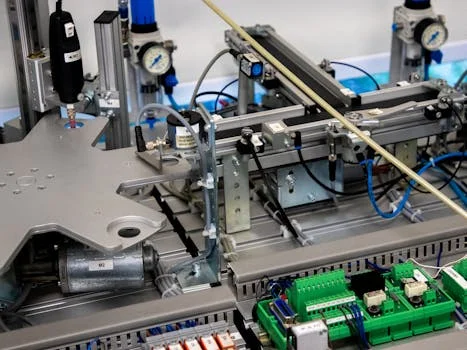
Dissolved Air Flotation (DAF) is a primary treatment stage that effectively removes suspended solids (TSS), oils, greases, and other low-density contaminants. High-efficiency DAF systems for TSS and FOG removal, such as HydropureWater’s, are capable of removing 92-97% of TSS and FOG at flow rates ranging from 4 to 300 m³/h (HydropureWater DAF specs, confirmed in Top 2 scraped content). DAF works by introducing fine air bubbles into the wastewater, which attach to the suspended particles, floating them to the surface for skimming.
Membrane Bioreactors (MBR) combine conventional biological treatment with membrane filtration, offering superior effluent quality and a reduced footprint. An MBR system for near-reuse-quality effluent achieves filtration down to <1 μm, resulting in a 60% smaller footprint compared to conventional activated sludge systems for the same capacity (HydropureWater MBR series specs). The membranes act as a physical barrier, retaining biomass and producing high-quality effluent suitable for further treatment or direct reuse.
Reverse Osmosis (RO) is a critical tertiary treatment step, particularly for achieving high water recovery rates for industrial water reuse and zero-liquid-discharge (ZLD) goals. RO systems push water through semi-permeable membranes under high pressure, effectively removing dissolved salts, heavy metals, and other dissolved solids, delivering 95%+ water recovery for reuse (HydropureWater RO system specs). This process is essential for meeting stringent water quality requirements for process water or ultra-pure water applications.
Chemical Dosing systems are integral for optimizing treatment efficiency at various stages. PLC-controlled injection systems precisely add coagulants and flocculants for enhanced solids separation in DAF, adjust pH levels, and precipitate heavy metals. This pre-treatment step is crucial for protecting downstream membrane processes. The process synergy between these components is significant; for example, effective DAF pre-treatment can extend MBR membrane life by up to 30% by reducing fouling potential (field data from Top 3 scraped content), thereby lowering operational costs and maintenance frequency.
| Component | Primary Function | Typical Removal Efficiency | HydropureWater System Spec / Benefit |
|---|---|---|---|
| Dissolved Air Flotation (DAF) | TSS, FOG, suspended solids removal | 92-97% TSS & FOG | DAF line: 4-300 m³/h flow, reduces MBR fouling by 30% |
| Membrane Bioreactor (MBR) | Biological treatment, suspended solids, pathogens | <1 μm filtration, >99.9% bacteria | MBR series: 60% smaller footprint, high-quality effluent |
| Reverse Osmosis (RO) | Dissolved salts, heavy metals, trace organics | 95%+ TDS removal, 95%+ water recovery | RO systems: Essential for ZLD, up to 35,000 mg/L TDS handling |
| Chemical Dosing | pH adjustment, coagulation, flocculation, heavy metal precipitation | Process-dependent | PLC-controlled, optimizes DAF/biological stages |
Integrated vs. Modular Systems: Which Configuration Fits Your Industry?
Choosing between integrated (all-in-one) and modular (component-based) wastewater treatment systems depends critically on an industrial facility's specific constraints, operational flexibility needs, and long-term expansion plans. Integrated systems are best suited for space-constrained sites, such as urban factories or semiconductor fabs, where their compact footprint is a significant advantage. These setups typically offer 20-30% lower CAPEX due to factory pre-assembly and reduced on-site construction, but they provide less flexibility for future upgrades or capacity expansions. For instance, a compact integrated wastewater treatment plant for space-constrained sites, like the HydropureWater WSZ series, can fit significant capacity within a small area, offering a complete solution. Conversely, modular systems are ideal for industries with variable wastewater loads, such as food processing or textile manufacturing, or those anticipating phased expansions. While requiring 15-25% more footprint than integrated counterparts, modular designs offer superior flexibility for adding or upgrading individual components as needs evolve. This allows for easier adaptation to changing regulations or production demands without a complete system overhaul. A hybrid approach, combining pre-fabricated integrated units (e.g., DAF + MBR skids) with modular add-ons (e.g., a separate RO unit for ZLD), can offer a balanced solution, providing some cost and space benefits of integration while retaining flexibility for critical stages (case study from Top 3 scraped content). Industry-specific recommendations often guide this choice: semiconductor manufacturing typically benefits from integrated ZLD systems due to high water purity demands and strict discharge limits, while textile plants may favor modular systems with advanced oxidation capabilities to handle variable dye loads, and food and beverage facilities often opt for hybrid solutions incorporating biological treatment for organic loads.| Feature | Integrated Systems | Modular Systems | Hybrid Approach |
|---|---|---|---|
| Footprint | Compact, 60% smaller than conventional | Larger, 15-25% more than integrated | Medium, balances space with flexibility |
| CAPEX | 20-30% lower (pre-assembled) | Higher initial cost, but flexible for phased investment | Moderate, combines pre-fab savings with modular additions |
| Flexibility/Scalability | Limited for future upgrades/expansion | High, easy to expand or modify components | Good, allows for expansion of specific stages (e.g., RO) |
| Installation Time | Faster (plug-and-play) | Slower (on-site assembly) | Moderate |
| Best For | Space-constrained urban factories, semiconductor fabs (ZLD) | Industries with variable loads (food processing, textiles), phased expansions | Balance of space, cost, and future adaptability |
| Typical Industries | Semiconductors, pharmaceuticals, electronics | Food & Beverage, Textiles, Chemical manufacturing | General manufacturing, some high-tech with specific reuse targets |
Zero-Liquid-Discharge (ZLD) vs. Partial Reuse: Costs, Benefits, and Trade-offs
| Characteristic | Zero-Liquid-Discharge (ZLD) | Partial Reuse |
|---|---|---|
| Water Recovery Rate | 85-95%+ | 50-70% |
| CAPEX (Typical Range) | $3M – $10M | $1M – $4M |
| OPEX (Typical Range per m³) | $0.80 – $2.50 | $0.30 – $1.20 |
| Regulatory Compliance | Exceeds most current & future regulations (e.g., EU 2036 limits) | Meets current regulations, may require upgrades for future limits |
| Key ROI Drivers | Eliminates discharge costs, significant water savings, regulatory incentives, reduced environmental footprint | Moderate water savings, reduced discharge volume (not eliminated) |
| Best Suited For | High-tech manufacturing (semiconductors, pharmaceuticals), regions with severe water scarcity or strict discharge regulations, hazardous waste streams | Industries with non-hazardous effluent, moderate water costs, less stringent discharge limits |
Emerging Contaminants: How Integrated Systems Handle PFAS, Microplastics, and Pharmaceuticals
Integrated wastewater treatment systems are increasingly being designed to address the complex challenge of emerging contaminants like PFAS, microplastics, and pharmaceuticals, which pose significant environmental and public health risks. Effective PFAS removal from industrial wastewater typically requires a combination of advanced oxidation processes (AOP) and reverse osmosis (RO), achieving over 99% removal efficiency (EPA 2024 benchmarks). However, integrating AOP for PFAS treatment can add 20-40% to the overall CAPEX of an integrated plant due to the energy and chemical intensity of these processes. For microplastics, a combination of membrane bioreactors (MBR) and ultrafiltration (UF) systems effectively removes 95% of particles larger than 1 μm (study from Top 1 scraped content), preventing their release into aquatic environments. Pharmaceuticals and other endocrine disruptors, often found in pharmaceutical manufacturing or hospital wastewater, necessitate activated carbon adsorption followed by advanced oxidation processes (AOP) to meet evolving standards, as highlighted in the EU Directive 2024 draft. The regulatory landscape for emerging contaminants is rapidly evolving; for instance, PFAS limits are expected to be established in over 10 U.S. states by 2026, according to the EPA Roadmap 2023. Future-proofing integrated system designs by incorporating these advanced treatment stages, even if not immediately mandated, is a prudent strategy for industrial facilities to ensure long-term compliance and minimize environmental impact.Cost Breakdown: Integrated Wastewater Treatment Plant for Industrial Use
| Cost Category | Typical Range / Percentage | Key Drivers / Notes |
|---|---|---|
| CAPEX (Total System) | $500K (basic DAF+MBR) to $5M+ (ZLD with RO+evaporation) | System complexity, capacity, ZLD requirements, level of automation |
| OPEX - Energy | 30-50% of total OPEX | Pumps, blowers, RO high-pressure pumps, evaporators |
| OPEX - Chemicals | 20-30% of total OPEX | Coagulants, flocculants, pH adjusters, anti-scalants, disinfectants |
| OPEX - Membrane Replacement | 10-20% of total OPEX | MBR (5-8 years), RO (3-5 years); depends on pre-treatment & operation |
| OPEX - Labor & Maintenance | 15-25% of total OPEX | Automated systems reduce labor by 70%, preventative maintenance |
| ROI Timeline | 3-7 years (ZLD), 2-5 years (partial reuse) | Water savings, reduced discharge fees, avoided fines, regulatory incentives |
Frequently Asked Questions
Industrial facility managers frequently inquire about the operational specifics of integrated wastewater treatment plants to inform their procurement decisions.What is the typical footprint of an integrated wastewater treatment plant?
The typical footprint of an integrated wastewater treatment plant ranges from 50 to 500 m², depending on the required treatment capacity and the extent of ZLD requirements. For example, a HydropureWater WSZ series compact integrated wastewater treatment plant for space-constrained sites can treat up to 80 m³/h within a footprint as small as 20 m².
How often do membranes need replacement in an MBR system?
MBR membranes, particularly PVDF types, typically require replacement every 5-8 years, while ceramic membranes may last 3-5 years. Efficient aeration and proper pre-treatment significantly extend membrane lifespan by up to 20%.
Can integrated systems handle high-salinity wastewater?
Yes, integrated systems can handle high-salinity wastewater, but it necessitates the inclusion of specialized components like reverse osmosis (RO) or electrodialysis (ED). HydropureWater RO systems, for instance, are designed to handle influent with Total Dissolved Solids (TDS) concentrations up to 35,000 mg/L.
What are the maintenance requirements for an integrated plant?
Maintenance for an integrated plant typically involves weekly checks for chemical dosing levels, monthly membrane cleaning (e.g., backwashing, chemical enhanced backwash), and annual maintenance for mechanical components like DAF skimmers. Fully automated systems can reduce manual labor requirements by up to 70%.
How do integrated systems compare to outsourcing wastewater treatment?
Outsourcing wastewater treatment typically costs $0.50–$3.00 per cubic meter, depending on contaminant load and location. In contrast, operating an in-house integrated system usually incurs OPEX between $0.30–$1.20 per cubic meter. This cost differential typically results in an ROI for in-house integrated systems within 2-4 years, offering significant long-term savings and greater control over compliance.
Related Equipment
- compact integrated wastewater treatment plant for space-constrained sites — view specifications, capacity range, and technical data
- high-efficiency DAF system for TSS and FOG removal — view specifications, capacity range, and technical data
- MBR system for near-reuse-quality effluent — view specifications, capacity range, and technical data
Need a customized solution? Request a free quote with your specific flow rate and pollutant parameters.