Wastewater Treatment Plant Cost in Auckland 2025: Engineering Breakdown, Budget Data & ROI Calculator
Auckland's wastewater treatment plant costs vary widely based on scale, technology, and compliance requirements. For industrial projects, expect $500,000–$1.5M for a 150,000 GPD system (including equipment, engineering, and installation), with annual OPEX ranging from $85,000–$250,000 depending on flow rate and maintenance needs. Municipal plants, like the $450M Māngere upgrade, reflect higher costs due to scale and infrastructure.
Why Wastewater Treatment Plant Costs in Auckland Are Rising in 2025
The financial landscape for wastewater management in Auckland is shifting rapidly due to regulatory tightening and infrastructure pressure. Watercare’s 2025 discharge limits for industrial effluents have become significantly more stringent than the 2020 standards. For many industrial facilities, meeting a BOD limit of less than 20 mg/L and TSS under 30 mg/L requires advanced secondary or tertiary treatment stages.
Auckland’s population growth, currently at 1.7% annually, continues to strain the city’s aging infrastructure. The Māngere Wastewater Treatment Plant, which underwent a $450M upgrade completed in 2005, is already facing capacity challenges. This systemic pressure trickles down to industrial users in the form of higher volumetric charges and stricter monitoring.
A 2024 case study of a local Auckland food processor illustrates this trend: the facility was required to spend $1.2M on an integrated Dissolved Air Flotation (DAF) and Membrane Bioreactor (MBR) system to comply with new nitrogen and phosphorus limits. Beyond equipment, logistical challenges in the Auckland region add a premium to project budgets. Freight and installation costs in Auckland are typically 5–10% higher than the New Zealand national average.
Wastewater Treatment Plant Cost Breakdown: CAPEX vs. OPEX for Auckland Projects
Understanding the distinction between Capital Expenditure (CAPEX) and Operational Expenditure (OPEX) is critical for Auckland procurement teams justifying long-term investments. A 50 m³/h MBR system in Auckland generally costs between $800,000 and $1.2M. Within this budget, equipment accounts for 60–70%, while engineering and design take up 10–15%.
OPEX represents the ongoing cost of staying compliant. In Auckland, energy is the largest contributor to OPEX, typically accounting for 30–40%. Labor follows at 20–30%, driven by Auckland’s higher technician rates, which average $85/hour. For a 100 m³/day DAF system, chemical costs—including polymers and pH adjusters—can reach $25,000/year, with an additional $15,000/year allocated for daily technician monitoring.
| Cost Category | Auckland Estimated Range (Industrial) | % of Total Budget |
|---|---|---|
| Equipment (CAPEX) | $350,000 – $1,000,000 | 60–70% |
| Engineering & Design | $60,000 – $150,000 | 10–15% |
| Auckland Labor (Installation) | $85,000 – $200,000 | 15–20% |
| Annual Energy (OPEX) | $30,000 – $80,000/year | 30–40% of OPEX |
| Sludge Disposal (Auckland Landfill) | $100 – $300/ton | Variable |
To accurately budget, consider hidden costs such as compliance testing, which ranges from $5,000 to $15,000 annually. Sludge disposal is a significant Auckland-specific variable; because the region lacks industrial incineration facilities, landfilling remains the primary option.
How Flow Rate and Contaminant Load Impact Your Auckland WWTP Budget
The cost of a wastewater treatment plant does not scale linearly with flow rate. A 10 m³/h system might cost $200,000–$300,000, whereas a 100 m³/h system ranges from $1M to $1.5M, representing a 30–40% reduction in cost per cubic meter at higher capacities.The contaminant load—specifically COD, TSS, and heavy metals—can drastically inflate the budget regardless of flow. High BOD and TSS levels necessitate biological treatment stages such as MBR or A/O processes, which can add $150,000 to $300,000 to the initial CAPEX.
Consider a 2024 case study of an Auckland textile plant with a 50 m³/h flow and high COD. The facility invested $950,000 in a combined DAF and biological system. For sites with space constraints, underground package sewage treatment plants offer a way to reduce CAPEX.
| Industry Type | Flow Rate (m³/day) | Primary Contaminant | Estimated CAPEX (Auckland) |
|---|---|---|---|
| Food Processing | 250 | FOG / BOD | $750,000 – $1,100,000 |
| Textile/Laundry | 500 | COD / Dyes | $900,000 – $1,300,000 |
| Metal Finishing | 100 | Heavy Metals | $400,000 – $650,000 |
| Residential/Commercial | 50 | Nutrients (N/P) | $200,000 – $400,000 |
Auckland Wastewater Treatment Technologies: Cost Comparison for 2025
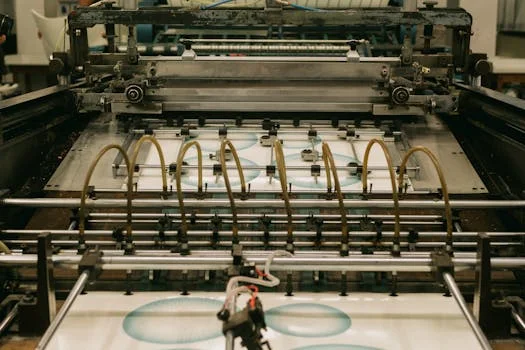
Choosing the right technology is crucial in balancing upfront costs against long-term compliance. DAF systems are highly effective for removing suspended solids and fats, with a CAPEX of $300,000–$600,000 for a 50 m³/h flow.
For facilities requiring high-quality effluent, MBR systems are the gold standard. Although the CAPEX is higher ($800,000–$1.5M), the footprint is significantly smaller, and the effluent quality often exceeds regulatory requirements.
| Technology | CAPEX (50 m³/h) | Annual OPEX | Footprint | Effluent Quality |
|---|---|---|---|---|
| DAF | $300k – $600k | $30k – $50k | 50–100 m² | TSS < 30 mg/L |
| MBR System | $800k – $1.5M | $60k – $100k | 30–60 m² | BOD < 5 mg/L |
| Conv. Activated Sludge | $500k – $1M | $40k – $70k | 200–400 m² | BOD < 20 mg/L |
| Package Plant (WSZ) | $200k – $400k* | $15k – $30k | 10–20 m² | Standard Secondary |
*Note: Package plant pricing based on 10 m³/h capacity.
Modular, pre-fabricated systems are becoming popular as they reduce on-site installation time. Understanding how DAF systems work can help managers decide if the lower CAPEX outweighs the higher effluent quality of MBR.
Step-by-Step ROI Calculator for Your Auckland Wastewater Treatment Project
Calculating the Return on Investment (ROI) for an Auckland wastewater project involves more than just subtracting OPEX from revenue. The basic framework is: (Annual Savings + Revenue from Reuse) / (CAPEX + Annual OPEX). For example, an Auckland dairy plant spending $1.2M on a DAF system might save $150,000/year in Watercare non-compliance fines and $50,000/year by reusing treated water.
Auckland-specific variables that must be included in your ROI calculation include Watercare fines, water reuse savings, and sludge disposal costs. Financing can also improve the ROI outlook. The Auckland Council and various government initiatives often offer low-interest loans for industrial water efficiency projects.
ROI Example: A textile facility with 100 m³/day flow.
CAPEX: $600,000 | OPEX: $40,000/year.
Avoided Fines: $30,000/year | Water Savings: $90,000/year.
Annual Net Benefit: $80,000. Payback Period: 7.5 Years.
Frequently Asked Questions
What is the average cost of an industrial wastewater treatment plant in Auckland?
For most industrial applications, the total project cost ranges from $500,000 to $1.5 million.
How much does Watercare charge for trade waste in 2025?
Watercare utilizes a volumetric and load-based charging system. The cost of non-compliance is the most significant financial risk, with fines for exceeding BOD or heavy metal limits reaching $50,000 per instance.
Is MBR or DAF more cost-effective for Auckland businesses?
DAF is generally more cost-effective for primary solids and grease removal. However, MBR is more cost-effective for businesses with limited space or those needing to meet the strictest 2025 discharge limits.
Are there grants available for wastewater treatment in Auckland?
While direct grants are rare, the Auckland Council and central government provide low-interest financing and "Water Efficiency" incentives for industries that reduce their burden on the municipal grid through onsite treatment and reuse.
What are the typical maintenance costs for a WWTP in Auckland?
Annual maintenance typically runs between 10% and 15% of the initial CAPEX.