Hospital Wastewater Treatment in Halifax: 2026 Engineering Specs, Compliance & Zero-Risk Equipment Guide
Halifax hospitals face a 2026 deadline to comply with NS Environment’s Wastewater Systems Effluent Regulations (WSER), requiring secondary treatment for all facilities discharging >100 m³/day. Hospital wastewater—laden with pharmaceuticals (e.g., carbamazepine at 5–50 µg/L), pathogens (E. coli >10⁶ CFU/100mL), and BOD levels 3–5× higher than municipal sewage—demands specialized treatment. Halifax Water’s 2023 Integrated Resource Plan prioritizes $120M in upgrades, but hospitals must act now to avoid surcharges (up to $0.85/m³ for non-compliance) or permit revocations. Modular systems like MBR or chlorine dioxide generators offer zero-risk compliance with footprints as small as 10 m².Why Halifax Hospitals Need Specialized Wastewater Treatment by 2026
NS Environment’s Wastewater Systems Effluent Regulations (WSER) mandate secondary treatment for all facilities discharging over 100 m³/day by 2026, with penalties for non-compliance reaching up to $200,000 per year (Environment Canada, 2023). This provincial directive places a critical compliance burden on Halifax hospitals, which generate substantial volumes of wastewater. While Halifax Water’s 2023 Integrated Resource Plan earmarks $120 million for 12 priority projects to upgrade municipal wastewater treatment plants (WWTPs), hospitals cannot rely solely on municipal infrastructure. On-site pre-treatment is essential to avoid significant surcharges from Halifax Water, which can range from $0.45 to $0.85 per cubic meter for biochemical oxygen demand (BOD) or total suspended solids (TSS) exceedances, and even permit revocations for repeated violations (Halifax Water, 2023 Industrial Discharge Bylaw). Hospital wastewater is fundamentally different from typical municipal sewage, presenting unique treatment challenges. It contains BOD levels that are 3–5 times higher, typically ranging from 300–800 mg/L, compared to 150–250 mg/L in municipal effluent (per WHO 2023 guidelines). hospital discharge is characterized by significantly higher concentrations of pharmaceutical residues, such as 5–50 µg/L of carbamazepine, and elevated pathogen loads, with E. coli counts often exceeding 10⁶ CFU/100mL. These contaminants necessitate specialized treatment processes beyond conventional primary or secondary municipal treatment. Beyond chemical and biological loads, Halifax’s climate resilience requirements, driven by a 30% increase in high-intensity rainfall events since 2000 (Halifax 2022 Climate Risk Assessment), impact hospital wastewater system design. This mandates considerations like stormwater separation and flood-proofing measures to ensure operational continuity during extreme weather events.Halifax-Specific Compliance: NS Environment vs. Halifax Water Bylaws

| Parameter | NS Environment WSER Limit | Halifax Water Bylaw Limit |
|---|---|---|
| BOD | ≤25 mg/L | ≤25 mg/L (surcharge for exceedance) |
| TSS | ≤30 mg/L | ≤30 mg/L (surcharge for exceedance) |
| E. coli | ≤100 CFU/100mL | Pathogen removal to secondary standards |
| Ammonia | ≤10 mg/L | Not explicitly listed (covered by BOD/TSS) |
| pH | 6–9 | 6–9 |
| FOG | Not explicitly listed | ≤100 mg/L |
Hospital Wastewater Characteristics: What Makes It Different from Municipal Sewage
Influent parameters for Halifax hospitals typically show BOD levels ranging from 300–800 mg/L, significantly higher than municipal averages (Halifax Water 2023 sampling data). This elevated organic load is accompanied by chemical oxygen demand (COD) concentrations between 600–1,500 mg/L and total suspended solids (TSS) from 200–500 mg/L. Pathogen concentrations, particularly E. coli, are also notably higher, often observed in the range of 10⁶–10⁸ CFU/100mL in raw hospital effluent (WHO 2023 guidelines). These characteristics indicate a wastewater stream that is far more concentrated and complex than typical residential or commercial discharge, rendering off-the-shelf municipal systems inadequate without extensive modifications. A critical distinguishing factor in hospital wastewater is the presence of pharmaceutical residues and other emerging contaminants. Studies, including a WHO 2023 study confirmed by Halifax Water’s 2022 pilot testing, have detected carbamazepine at concentrations of 5–50 µg/L, ibuprofen at 10–100 µg/L, and ciprofloxacin at 1–10 µg/L in hospital effluent. These micropollutants are not effectively removed by conventional secondary treatment processes, necessitating advanced oxidation or membrane filtration technologies. Disinfection also presents unique challenges; the high organic load in hospital wastewater results in a chlorine demand 2–3 times greater than municipal sewage. Achieving a 99% pathogen kill typically requires chlorine doses of 8–12 mg/L, compared to 3–5 mg/L for municipal effluent. Halifax’s aging infrastructure contributes to treatment complexities. Combined sewer overflows during heavy rainfall events can introduce surges of diluted, yet still contaminated, hospital wastewater into the municipal system, while limited capacity at facilities like the Dartmouth WWTP underscores the need for effective on-site pre-treatment to protect downstream municipal processes.| Parameter | Halifax Hospital Wastewater (Raw Influent) | Typical Municipal Sewage |
|---|---|---|
| BOD | 300–800 mg/L | 150–250 mg/L |
| COD | 600–1,500 mg/L | 300–500 mg/L |
| TSS | 200–500 mg/L | 100–250 mg/L |
| E. coli | 10⁶–10⁸ CFU/100mL | 10⁴–10⁶ CFU/100mL |
| Carbamazepine | 5–50 µg/L | <1 µg/L (if present) |
| Ibuprofen | 10–100 µg/L | <5 µg/L (if present) |
| Chlorine Demand | 8–12 mg/L | 3–5 mg/L |
Treatment Technology Comparison: MBR vs. DAF vs. Chlorine Dioxide for Halifax Hospitals
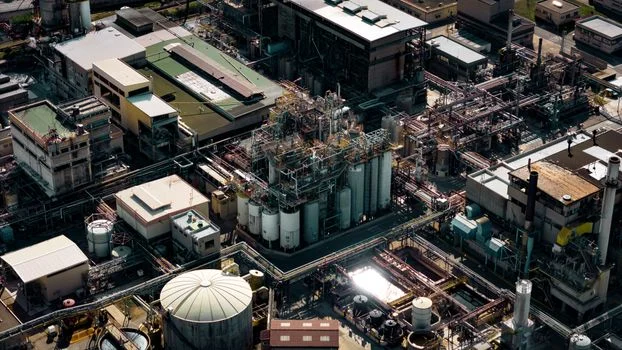
| Technology | Key Benefit | Effluent Quality (BOD/TSS) | Pathogen Removal | Typical CAPEX (100-bed) | Typical OPEX ($/m³) | Footprint (100-bed) |
|---|---|---|---|---|---|---|
| MBR System | Highest effluent quality, small footprint | <5 mg/L BOD, <2 mg/L TSS | >99% | $350K–$500K | $0.40–$0.60 | 10–20 m² |
| DAF System (Pre-treatment) | High TSS removal, good BOD reduction | 60–70% BOD, 90–95% TSS removal | Minimal (requires post-disinfection) | $150K–$250K | $0.25–$0.40 | 30–50 m² |
| Chlorine Dioxide Generator | Effective disinfection, no DBPs | Limited (requires pre-treatment) | >99.9% | $200K–$300K | $0.15–$0.25 | ~5 m² (generator only) |
CAPEX and OPEX Breakdown for Hospital Wastewater Systems in Halifax
Capital expenditure (CAPEX) for a 100-bed Halifax hospital implementing an MBR system is estimated between $350,000 and $500,000 (HydropureWater field data, 2025), reflecting the advanced nature of the technology and its comprehensive treatment capabilities. For a DAF system combined with chlorine dioxide disinfection, a more common and cost-effective approach for meeting WSER and Halifax Water bylaws, the CAPEX typically falls between $200,000 and $300,000 for a similar 100-bed facility. Smaller 50-bed hospitals might find a sedimentation system paired with chlorine dioxide disinfection sufficient, with an estimated CAPEX ranging from $150,000 to $250,000. These figures include equipment, installation, and initial commissioning, but exclude land acquisition if new construction is required. Operational expenditure (OPEX) benchmarks for Halifax in 2026 reflect local rates for labor, energy, and chemicals. MBR systems typically incur an OPEX of $0.40–$0.60/m³, with a significant portion allocated to membrane replacement every 5–7 years, costing $50,000–$80,000 per changeout. DAF systems, while having lower CAPEX, require continuous chemical dosing, leading to an OPEX of $0.25–$0.40/m³. This includes PAC at approximately $0.12/kg, based on Halifax Water’s chemical rates (Halifax Water, 2023). Chlorine dioxide generators have an OPEX of $0.15–$0.25/m³, primarily for sodium chlorite at around $1.80/kg, leveraging Halifax bulk pricing. Key Halifax-specific cost drivers include labor rates for certified operators, typically $45–$60/hr, and energy costs at approximately $0.18/kWh. Crucially, avoiding Halifax Water’s industrial discharge fees, which can reach $0.85/m³ for non-compliance, provides a significant incentive for investment in on-site treatment.| System Type | Capacity (Hospital Size) | Estimated CAPEX | Estimated OPEX ($/m³) | Key OPEX Drivers |
|---|---|---|---|---|
| MBR System | 20 m³/day (100-bed) | $350,000–$500,000 | $0.40–$0.60 | Membrane replacement, energy, labor |
| DAF + Chlorine Dioxide | 20 m³/day (100-bed) | $200,000–$300,000 | $0.25–$0.40 | Chemicals (PAC, sodium chlorite), energy, labor |
| Sedimentation + Chlorine Dioxide | 10 m³/day (50-bed) | $150,000–$250,000 | $0.20–$0.30 | Chemicals (sodium chlorite), energy, labor |
Step-by-Step Equipment Selection Framework for Halifax Hospitals
Frequently Asked Questions
Q: What are the penalties for non-compliance with Halifax Water’s bylaws?
A: Halifax Water imposes surcharges of $0.45/m³ for BOD >25 mg/L and $0.85/m³ for TSS >30 mg/L, plus permit revocation for repeated violations (per Halifax Water’s 2023 Industrial Discharge Bylaw). These financial penalties can quickly outweigh the cost of an on-site treatment system.
Q: Can hospitals discharge to Halifax’s municipal WWTPs without pre-treatment?
A: No. Halifax Water’s bylaws prohibit direct discharge of hospital wastewater (defined as >100 m³/day with pharmaceuticals/pathogens) without on-site pre-treatment to secondary standards (BOD ≤25 mg/L, TSS ≤30 mg/L, and effective pathogen reduction). This is due to the unique contaminants and higher loads in hospital effluent.
Q: What’s the most cost-effective system for a 50-bed Halifax hospital?
A: A sedimentation + chlorine dioxide system (CAPEX $150,000–$200,000, OPEX $0.20–$0.30/m³) typically offers the most cost-effective solution for a 50-bed Halifax hospital. This configuration meets WSER limits for BOD/TSS and Halifax Water’s pathogen requirements, often achieving a 3–5 year ROI compared to ongoing surcharge payments.
Q: How does Halifax’s climate affect hospital wastewater treatment?
A: The 30% increase in high-intensity rainfall since 2000 (Halifax 2022 Climate Risk Assessment) necessitates specific design considerations. Hospitals must implement effective stormwater separation from wastewater streams and incorporate flood-proofing measures, such as elevated equipment platforms and redundant backup pumps, to ensure system resilience during extreme weather events.
Q: Are there grants for hospital wastewater upgrades in Halifax?
A: Yes. The Nova Scotia Green Fund offers 30–50% cost-sharing for projects that meet WSER 2026 deadlines, with a maximum of $500,000 per facility. Additionally, Halifax Water provides low-interest loans specifically for industrial and institutional pre-treatment systems, making compliance more financially accessible.
Related Equipment
- compact hospital wastewater treatment system with ozone disinfection — view specifications, capacity range, and technical data
Need a customized solution? Request a free quote with your specific flow rate and pollutant parameters.