Abha’s Industrial Wastewater Challenges: Climate, Regulations, and Industry-Specific Effluents
Industrial wastewater treatment in Abha is a complex undertaking, shaped by the region's arid climate, stringent national regulations, and the diverse effluent characteristics of its key industries. Abha receives an average of only 150 mm of rainfall annually, significantly reducing natural dilution capacity for industrial discharges and necessitating robust pretreatment, especially for effluents with high Total Dissolved Solids (TDS) like those from mining operations. Saudi Arabia's environmental standards, particularly SASO 2856:2020, impose strict discharge limits that are more demanding than those in many neighboring countries. For instance, the permissible Chemical Oxygen Demand (COD) is capped at 150 mg/L, compared to 250 mg/L in the UAE, with additional stringent limits on oil and grease (≤ 5 mg/L) and heavy metals such as chromium (≤ 0.5 mg/L). The industrial landscape in Abha is dominated by sectors that generate challenging wastewater streams: petrochemical plants produce effluents laden with oil and grease and volatile organic compounds like BTEX; food processing facilities generate high levels of fats, oils, and grease (FOG) along with significant organic loads; mining activities result in highly saline wastewater with potential heavy metal contamination; and textile industries discharge wastewater containing dyes and surfactants. Compounding these challenges, Saudi Vision 2030 sets an ambitious target of achieving 30% industrial water reuse by 2030, pushing industries towards advanced treatment technologies such as Membrane Bioreactors (MBRs) and Reverse Osmosis (RO) that can produce water of sufficient quality for recycling, moving beyond conventional treatment methods.
| Industry | Key Pollutants | Typical Influent Characteristics | Regulatory Drivers |
|---|---|---|---|
| Petrochemical | Oil & Grease, BTEX, Phenols, COD | COD: 1,200–3,500 mg/L Oil & Grease: 200–800 mg/L |
SASO 2856:2020, Saudi Aramco Standards |
| Food Processing | FOG, BOD, TSS, Nutrients | BOD: 800–2,500 mg/L FOG: 300–1,200 mg/L |
SASO 2856:2020 |
| Mining | TDS, Heavy Metals (e.g., Chromium, Lead), pH fluctuations | TDS: 3,000–10,000 mg/L pH: 2–4 (acidic) or 10–12 (alkaline) |
SASO 2856:2020 |
| Textiles | Dyes, Surfactants, COD, BOD | COD: 500–1,500 mg/L BOD: 200–800 mg/L |
SASO 2856:2020 |
Process Engineering Parameters for Abha’s Industrial Wastewater Treatment
Effective industrial wastewater treatment in Abha hinges on precise process engineering parameters tailored to specific influent characteristics and stringent effluent standards. For petrochemical facilities, dealing with high oil and grease content and COD often requires preliminary treatment. Dissolved Air Flotation (DAF) systems are a cornerstone, typically operating with a hydraulic loading rate between 5–12 m/h and an air-to-solids ratio of 0.02–0.06. Effective flocculation is critical, necessitating polymer dosing of 2–5 mg/L of anionic flocculant to achieve 92–97% Total Suspended Solids (TSS) removal. For food processing plants, the primary challenge is high BOD and FOG. Similar DAF parameters apply, but the subsequent biological treatment must be robust. Membrane Bioreactors (MBRs) are increasingly favored for their compact footprint and high effluent quality, suitable for water reuse mandates. MBR systems typically operate with a Mixed Liquor Suspended Solids (MLSS) concentration of 8,000–12,000 mg/L and a membrane flux of 15–25 LMH, with backwashing occurring every 10–15 minutes for PVDF flat-sheet membranes. This process can achieve effluent BOD levels below 10 mg/L and turbidity below 1 NTU. Chemical dosing for pH adjustment is crucial across various industries. Sulfuric acid (98%) is used for alkaline effluents, such as those from textile dyeing, while sodium hydroxide (50%) is employed for acidic streams, common in mining, with dosages ranging from 0.5–2 L/m³ of influent. Sludge management is an integral part of the process. Conventional activated sludge processes can generate sludge production rates of 0.3–0.5 kg TSS/kg BOD removed, whereas MBRs are more efficient, producing 0.1–0.2 kg TSS/kg BOD removed. Dewatering via a filter press to achieve 20–30% solids content is a standard practice to minimize disposal volumes and costs.
| Parameter | Typical Range/Value | Applicable Technologies | Notes |
|---|---|---|---|
| Hydraulic Loading Rate (DAF) | 5–12 m/h | DAF | Influences efficiency and footprint |
| Air-to-Solids Ratio (DAF) | 0.02–0.06 | DAF | Critical for bubble attachment and solid flotation |
| Polymer Dosing (DAF) | 2–5 mg/L (anionic flocculant) | DAF | Enhances TSS removal |
| MLSS Concentration (MBR) | 8,000–12,000 mg/L | MBR | Impacts biological activity and sludge settleability |
| Membrane Flux (MBR) | 15–25 LMH | MBR | Determines treatment capacity and energy consumption |
| Backwash Frequency (MBR) | 10–15 min | MBR | Maintains membrane permeability |
| pH Adjustment Chemical Dose | 0.5–2 L/m³ | All (for pH control) | Depends on influent pH and target effluent pH |
| Sludge Production Rate (Activated Sludge) | 0.3–0.5 kg TSS/kg BOD removed | Activated Sludge | Higher for conventional biological treatment |
| Sludge Production Rate (MBR) | 0.1–0.2 kg TSS/kg BOD removed | MBR | More efficient sludge yield |
| Sludge Dewatering Solids Content | 20–30% | Filter Press | Reduces disposal volume |
For DAF systems, explore advanced DAF systems for FOG and TSS removal in Abha’s industrial wastewater. For facilities aiming for high-quality effluent and water reuse, our MBR systems for water reuse and Vision 2030 compliance in Abha offer a technologically superior solution.
Technology Comparison: DAF vs. MBR vs. Conventional Activated Sludge for Abha’s Industries
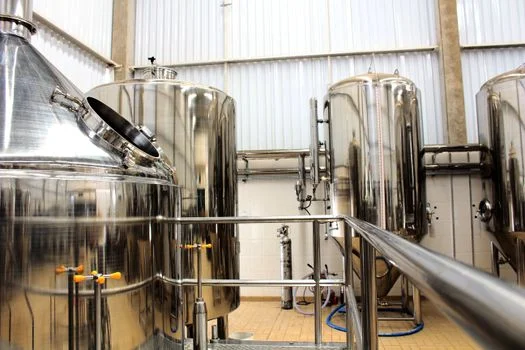
Selecting the appropriate wastewater treatment technology in Abha requires a careful balance of effluent quality requirements, spatial constraints, operational costs, and capital investment. Dissolved Air Flotation (DAF) systems are highly effective for removing suspended solids, FOG, and oil from effluents generated by food processing and petrochemical industries. Their Capital Expenditure (CAPEX) typically ranges from SAR 800,000 to SAR 2.5 million for a 50 m³/h system, with Operating Expenditure (OPEX) between SAR 150–300 per cubic meter. However, DAF alone is not suitable for treating soluble organic compounds where BOD exceeds 1,500 mg/L. Membrane Bioreactors (MBRs) offer superior effluent quality, achieving near-reuse standards with BOD levels below 10 mg/L, making them ideal for meeting Saudi Vision 2030 water reuse targets and for facilities with limited space. The CAPEX for MBR systems is higher, ranging from SAR 2.5 million to SAR 4.5 million for a comparable flow rate, and OPEX is around SAR 250–400 per cubic meter. A key limitation of MBRs in Abha's context can be membrane fouling in high-TDS effluents, such as those from mining operations, which may necessitate pre-treatment or alternative technologies. Conventional Activated Sludge (CAS) processes represent the lowest CAPEX option, typically SAR 600,000 to SAR 1.8 million, with OPEX of SAR 100–200 per cubic meter. However, CAS systems require a significantly larger footprint and often struggle with fluctuating loads and high FOG concentrations. For industries like petrochemicals, a hybrid approach combining DAF pretreatment with an MBR system, similar to configurations used by major players like Saudi Aramco for their Jazan refinery, can provide optimal results, though this increases both CAPEX (SAR 3 million–5 million) and OPEX by approximately 30% over a standalone MBR. This integrated approach ensures robust removal of both suspended and dissolved pollutants, meeting the most stringent discharge and reuse standards.
| Technology | Primary Application | CAPEX (SAR 50 m³/h) | OPEX (SAR/m³) | Pros | Cons |
|---|---|---|---|---|---|
| DAF | FOG, TSS, Oil Removal (Food Processing, Petrochemical) | 800,000 – 2,500,000 | 150 – 300 | Effective for FOG/TSS, compact | Limited for soluble organics, not for high TDS |
| MBR | Water Reuse, High Effluent Quality (All Industries) | 2,500,000 – 4,500,000 | 250 – 400 | Superior effluent quality, compact, ideal for reuse | Higher CAPEX/OPEX, potential fouling with high TDS |
| Conventional Activated Sludge (CAS) | General Organic Load Reduction (Various Industries) | 600,000 – 1,800,000 | 100 – 200 | Lower CAPEX, proven technology | Large footprint, less effective for FOG/variable loads |
| DAF + MBR (Hybrid) | Stringent Effluent & Reuse (Petrochemical, Complex Industrial) | 3,000,000 – 5,000,000 | 325 – 520 (approx. 30% higher than MBR) | Maximized pollutant removal, high reuse potential | Highest CAPEX/OPEX, complex operation |
Cost Breakdown: CAPEX, OPEX, and ROI for Industrial Wastewater Systems in Abha
Understanding the financial implications of industrial wastewater treatment systems in Abha is critical for budget justification and strategic investment. For a typical 50 m³/h capacity system, CAPEX varies significantly by technology: a DAF system might range from SAR 1.2 million, an MBR system from SAR 3 million, and a conventional activated sludge system from SAR 900,000. These figures encompass civil works, equipment procurement, and commissioning. On an operating expenditure basis, per cubic meter treated, energy consumption is a major component, accounting for 40–60% of OPEX, with MBRs generally having higher energy demands due to aeration and pumping. Chemical costs typically represent 20–30%, labor 10–15%, and for MBR systems, membrane replacement can add another 5–10%. The Return on Investment (ROI) for these systems is driven by multiple factors. Water reuse offers substantial savings; treated water can be valued at SAR 5–10/m³, significantly less than the cost of freshwater, which can range from SAR 15–25/m³. Effective sludge dewatering, often achieved with technologies like a plate and frame filter press for sludge dewatering, can reduce sludge disposal costs by 40–60%. Crucially, avoiding regulatory penalties, which can range from SAR 50,000 to SAR 200,000 per violation, offers direct financial protection. For instance, a 100 m³/h food processing plant in Abha successfully reduced its OPEX by 25% and achieved a three-year payback period by upgrading from a conventional activated sludge system to a DAF followed by anaerobic digestion.
| Cost Component | Typical Range (50 m³/h System) | Key Drivers |
|---|---|---|
| CAPEX (DAF) | SAR 1.2 Million | Equipment size, automation, civil works |
| CAPEX (MBR) | SAR 3 Million | Membrane modules, aeration, sludge handling |
| CAPEX (CAS) | SAR 900,000 | Tank volumes, aeration, clarifier size |
| OPEX - Energy | 40–60% | Aeration intensity, pumping, membrane operation (MBR) |
| OPEX - Chemicals | 20–30% | Coagulants, flocculants, pH adjustment, disinfection |
| OPEX - Labor | 10–15% | Skilled operators, maintenance staff |
| OPEX - Membrane Replacement (MBR) | 5–10% | Membrane lifespan, flux rates, cleaning frequency |
| ROI Driver - Water Reuse Savings | SAR 5–10/m³ (vs. SAR 15–25/m³ freshwater) | Freshwater cost, reuse application |
| ROI Driver - Sludge Disposal Reduction | 40–60% | Dewatering efficiency, disposal fees |
| ROI Driver - Penalty Avoidance | SAR 50K–200K per violation | Compliance level, enforcement severity |
For detailed cost analysis and technology-specific breakdowns, refer to articles such as cost benchmarks for industrial wastewater systems in Saudi Arabia.
Compliance Checklist: Meeting Saudi Aramco, SASO, and Vision 2030 Requirements
Achieving and maintaining compliance with Saudi Arabia's evolving environmental regulations is paramount for industrial facilities in Abha. Saudi Aramco standards for refineries and petrochemical facilities are particularly stringent, demanding oil and grease levels not exceeding 5 mg/L, phenol concentrations below 0.1 mg/L, and benzene below 0.5 mg/L. Quarterly third-party testing is mandatory to verify adherence. The national standard, SASO 2856:2020, sets the benchmark for general industrial discharges, with limits of COD ≤ 150 mg/L, BOD ≤ 30 mg/L, and TSS ≤ 30 mg/L, while maintaining a pH range of 6–9. Monthly self-monitoring is required for these parameters. Looking towards the future, Saudi Vision 2030's mandate to recycle 30% of industrial water by 2030 necessitates the implementation of advanced treatment technologies like MBR or RO for non-potable reuse applications such as cooling towers and irrigation. Navigating the permitting process involves submitting detailed engineering drawings to the Saudi Water Authority (SWA) for approval, a timeline that can extend from 6 to 12 months for new systems. Common compliance pitfalls include inadequate FOG removal, which DAF systems are designed to address; high TDS in mining effluents, often requiring additional RO stages; and a lack of system redundancy, particularly for critical components like aeration in MBR systems, which can lead to temporary non-compliance during maintenance or unexpected shutdowns. Proactive system design and diligent monitoring are key to avoiding costly retrofits and penalties.
Frequently Asked Questions
What are the discharge limits for industrial wastewater in Abha?
The primary standard is SASO 2856:2020, setting limits for COD ≤ 150 mg/L, BOD ≤ 30 mg/L, and TSS ≤ 30 mg/L, with a pH range of 6–9. Saudi Aramco standards add specific requirements for refineries, including oil & grease ≤ 5 mg/L.
How much does an industrial wastewater treatment plant cost in Abha?
Capital costs vary significantly by technology and capacity. For a 50 m³/h system, CAPEX can range from approximately SAR 1.2 million for a DAF system to SAR 3 million for an MBR system, inclusive of civil works and commissioning.
Which treatment technology is best for food processing wastewater in Abha?
DAF systems are highly effective for initial FOG and TSS removal (90–98% efficiency). For high BOD effluents, subsequent anaerobic digestion can achieve 85–95% removal, often followed by polishing steps.
Can treated industrial wastewater be reused in Abha?
Yes, under Saudi Vision 2030, treated industrial wastewater can be reused for non-potable applications like irrigation and cooling towers. MBR or RO systems are typically required to achieve the necessary effluent quality standards for reuse.
What are the penalties for non-compliance with wastewater regulations in Saudi Arabia?
Penalties for non-compliance can be substantial, with fines ranging from SAR 50,000 to SAR 200,000 per violation. Repeated offenses may lead to facility shutdowns.
Further Reading
Explore these in-depth articles on related wastewater treatment topics: