Dicing Wastewater Treatment by Reverse Osmosis: 2026 Engineering Specs, 98% Recovery & Zero-Fouling Blueprint
Reverse osmosis (RO) achieves 95-98% recovery in dicing wastewater treatment, reducing total dissolved solids (TDS) from 1,200–3,500 mg/L to <50 mg/L—meeting semiconductor discharge limits (e.g., Taiwan EPA <100 mg/L). With ultrafiltration (UF) pre-treatment, flux rates of 18–22 LMH and cleaning intervals of 3–6 months are achievable, cutting operational costs by 30–40% compared to conventional systems. This blueprint provides 2026 engineering specs, including membrane selection, pre-treatment requirements, and cost-optimized system design for dicing applications.Why Dicing Wastewater Demands Reverse Osmosis: Contaminant Profile & Compliance Challenges
Dicing wastewater presents a complex contaminant profile that conventional treatment methods struggle to address, necessitating advanced solutions like reverse osmosis. Per 2024 semiconductor industry data, dicing wastewater contains a challenging mix of silicon particles (ranging from 0.1–10 µm), abrasive slurries typically composed of alumina or silica (5–50 µm), and various glycol-based coolants. This combination results in a high-TDS stream, often between 1,200–3,500 mg/L, with a chemical oxygen demand (COD) ranging from 800–2,000 mg/L. These specific contaminants are difficult to separate effectively using traditional physical-chemical processes. Conventional treatment methods, such as dissolved air flotation (DAF) followed by coagulation and flocculation, are often insufficient to meet stringent discharge limits for dicing wastewater. For instance, while DAF can remove larger suspended solids, it typically fails to reduce TDS to the <100 mg/L required by regulations like the Taiwan EPA, or to bring COD below the <125 mg/L mandated by directives such as EU Directive 91/271/EEC. The fine colloidal particles and dissolved organics present in dicing coolant wastewater bypass these initial stages, requiring a robust polishing step. Without effective reverse osmosis (RO) for final purification, semiconductor and electronics manufacturing plants face significant environmental and regulatory risks. These risks include substantial fines, as seen in 2023 cases in Taiwan and Germany, and potential production shutdowns due to non-compliance, impacting operational continuity and brand reputation.| Parameter | Typical Dicing Wastewater Influent (2024 Data) | Semiconductor Discharge Limit (Example: Taiwan EPA) |
|---|---|---|
| Total Dissolved Solids (TDS) | 1,200 – 3,500 mg/L | <100 mg/L |
| Chemical Oxygen Demand (COD) | 800 – 2,000 mg/L | <125 mg/L (EU Directive 91/271/EEC) |
| Suspended Solids (SS) | 200 – 800 mg/L | <30 mg/L |
| Silicon Particles | 0.1 – 10 µm | Effectively <0.02 µm (for RO protection) |
| Abrasives (Alumina/Silica) | 5 – 50 µm | Effectively <0.02 µm (for RO protection) |
| Glycol-based Coolants | Present (contributing to COD) | <10 mg/L (for RO protection) |
Reverse Osmosis for Dicing Wastewater: Process Flow & Engineering Specifications
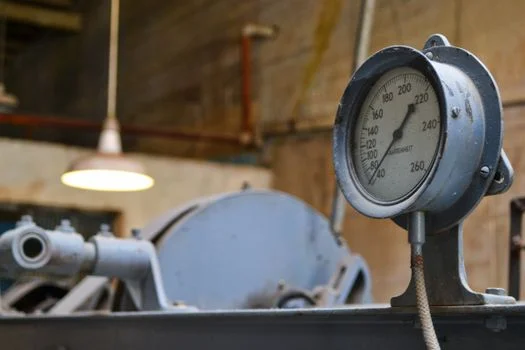
- **Equalization Tank:** Stabilizes influent flow and contaminant load.
- **Pre-treatment (UF):** Removes suspended solids and colloidal particles (0.02 µm pore size).
- **Activated Carbon Filtration:** Adsorbs dissolved organics, glycols, and coolants.
- **Cartridge Filtration:** Final safeguard against fine particles before RO (e.g., 5 µm).
- **High-Pressure Pump:** Supplies pressurized feedwater to the RO membranes.
- **Reverse Osmosis (RO) System:** Separates dissolved salts and remaining contaminants. HydropureWater industrial RO systems for dicing wastewater are designed for high efficiency.
- **Permeate Tank:** Stores treated water from the RO system.
- **Post-treatment (EDI/IX):** Further purifies permeate for ultra-pure water reuse.
- **Reuse Tank:** Stores ultra-pure water for manufacturing processes.
- **Concentrate Management:** Discharges or further treats the concentrated reject stream.
| Component/Parameter | Specification for Dicing Wastewater RO System |
|---|---|
| Pre-treatment (UF) Pore Size | 0.02 µm |
| Activated Carbon EBCT | 10 – 15 minutes |
| RO Membrane Type | Low-fouling Polyamide TFC (e.g., Hydranautics ESPA2-LD, Toray TM720-400) |
| RO Membrane Salt Rejection | ≥ 99.5% |
| RO Flux Rate | 18 – 22 LMH (with UF pre-treatment) |
| RO Operating Pressure | 15 – 25 bar |
| System Recovery Rate | 75 – 95% (adjustable) |
| Operating pH Range | 6.5 – 7.5 (to prevent silica scaling) |
| Post-treatment (EDI/IX) | Resistivity > 18 MΩ·cm for reuse |
| SDI (Silt Density Index) | <3 (after pre-treatment) |
Pre-Treatment Essentials: Preventing Fouling & Scaling in Dicing Wastewater RO Systems
Effective pre-treatment is the cornerstone of a sustainable reverse osmosis system for dicing wastewater, directly impacting membrane lifespan and operational efficiency. Silica scaling, a prevalent issue in dicing wastewater due to the presence of silicon and abrasive particles, is primarily prevented by maintaining the feed pH below 7.0 and employing specialized antiscalants, such as polyacrylic acid, to inhibit silica polymerization. This strategy ensures the silica saturation index remains below 1.0, preventing precipitation on membrane surfaces. For optimized dosing, automated antiscalant and chloramination dosing for RO pre-treatment can be achieved with HydropureWater's automatic chemical dosing system. Biofouling control is another critical aspect, with chloramination (1–2 mg/L monochloramine) or UV disinfection (254 nm, 40 mJ/cm²) effectively reducing biofilm formation, as supported by Top 3 PubMed data on membrane fouling prevention. These methods minimize microbial growth that can clog membrane pores and degrade membrane integrity. Particle fouling, caused by the fine silicon and abrasive particles characteristic of dicing wastewater, is robustly addressed by ultrafiltration (UF) systems featuring a 0.02 µm pore size, which removes over 99% of these particulates. Regular backwashing, typically every 30–60 minutes, with 10–15% flux recovery, is essential to flush accumulated particles from the UF membranes and maintain their efficiency. While DAF pre-treatment for dicing wastewater can remove larger suspended solids, UF is crucial for the finer particles. Finally, efficient coolant removal is achieved through activated carbon filtration, utilizing an empty bed contact time (EBCT) of 10–15 minutes, which reduces glycols to below 10 mg/L. This prevents organic fouling, a significant contributor to irreversible damage and performance decline in RO membranes. Common pre-treatment failures include UF fiber breakage due to excessive pressure or chemical exposure, leading to increased particle loading on RO membranes, and carbon exhaustion, resulting in higher organic loads. Troubleshooting involves routine integrity testing for UF membranes and scheduled activated carbon replacement based on effluent COD monitoring.Performance Benchmarks: TDS Reduction, Flux Rates & Recovery for Dicing Wastewater RO
| Performance Metric | Low-Fouling RO with UF Pre-treatment (Dicing Wastewater) | Standard RO (without optimized pre-treatment) |
|---|---|---|
| TDS Reduction | 98 – 99.5% (<50 mg/L effluent) | 90 – 95% (<150-300 mg/L effluent) |
| Flux Rate | 18 – 22 LMH | 12 – 16 LMH |
| System Recovery Rate | 75 – 95% (90%+ achievable) | 60 – 75% |
| Cleaning Intervals | 3 – 6 months | 1 – 2 months |
| Membrane Lifespan | 5 – 7 years | 3 – 5 years |
Cost Analysis: CapEx, OPEX & ROI for Dicing Wastewater RO Systems
Investing in a reverse osmosis (RO) system for dicing wastewater treatment yields significant long-term economic benefits through reduced operational costs and enhanced compliance. For a typical 50 m³/h dicing wastewater RO system, the capital expenditure (CapEx) breakdown is approximately $120,000 for the essential ultrafiltration (UF) pre-treatment, $200,000 for the core RO system, $50,000 for electrodeionization (EDI) post-treatment to achieve ultra-pure water, and an estimated $30,000 for installation, totaling around $400,000. These costs are justified by the system's ability to achieve high recovery rates and stringent discharge quality. Operational expenditures (OPEX) for such a system typically range from $0.80–$1.20/m³ of treated water. This includes energy costs of $0.30/m³ (based on 1.5 kWh/m³ consumption), chemical costs for antiscalants and cleaning agents at $0.20/m³, membrane replacement costs of $0.15/m³ (assuming a 3-year lifespan for RO membranes), and labor costs of $0.15/m³. The return on investment (ROI) is primarily driven by substantial savings from water reuse, with 50–70% of the permeate typically recycled back into dicing processes, and significantly reduced disposal costs, saving $0.50–$2.00/m³ on external wastewater treatment or discharge fees. avoiding compliance fines, which can reach up to $100,000 per year for repeated violations, contributes substantially to the ROI. Consequently, the payback period for dicing wastewater RO systems with 90%+ recovery and effective water reuse is typically 2–3 years, while lower recovery systems might see payback periods of 4–5 years.| Treatment Technology | Typical CapEx (50 m³/h System) | Typical OPEX (per m³) | Estimated Payback Period |
|---|---|---|---|
| RO with UF Pre-treatment (Dicing) | $400,000 | $0.80 – $1.20 | 2 – 3 years (with water reuse) |
| DAF + Coagulation + Filtration | $250,000 | $0.40 – $0.70 | 4 – 6 years (limited reuse, higher disposal) |
| Evaporation (Zero Liquid Discharge) | $800,000 – $1,500,000 | $3.00 – $5.00 | > 7 years (high energy costs) |
System Selection Guide: How to Choose the Right RO for Dicing Wastewater
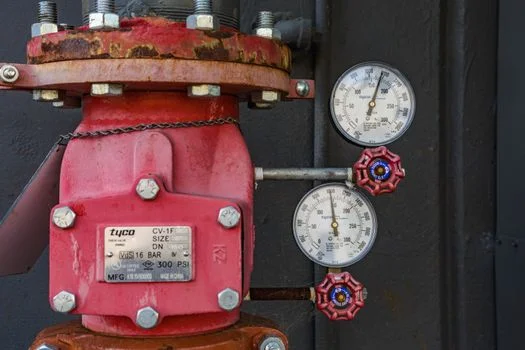
- **Start:** Evaluate Dicing Wastewater Profile (TDS, COD, Particle Size).
- **High Particle Load (>50 mg/L SS) & Colloidal Silica?**
- **Yes:** Mandate UF pre-treatment (0.02 µm).
- **No:** Consider multimedia filtration if budget-constrained, but proceed with caution.
- **High Organics/Glycols (>300 mg/L COD)?**
- **Yes:** Integrate Activated Carbon filtration.
- **No:** Monitor COD, may still benefit from carbon for membrane protection.
- **Required Recovery Rate (>85%) & Ultra-Pure Water Reuse?**
- **Yes:** Select Low-Fouling RO membranes + EDI/IX post-treatment. Prioritize long-term OPEX savings.
- **No (Lower Recovery/Discharge Only):** Standard RO membranes may be considered, but evaluate against compliance risks and disposal costs.
- **Footprint Constrained?**
- **Yes:** Opt for compact, modular RO system designs.
- **No:** Standard RO system layout.
- **Final Step:** Engage vendors with dicing wastewater expertise for pilot testing and detailed proposals.
| Criteria | Low-Fouling Polyamide RO (with UF) | Standard Polyamide RO (with MF/MMF) |
|---|---|---|
| Feedwater Quality (SS, SDI) | Best for high SS, colloidal silica (SDI <3) | Suitable for lower SS, less colloidal (SDI <5) |
| Recovery Rate Goal | >85% (for water reuse) | 60-75% (for discharge compliance) |
| CapEx | Higher initial investment | Lower initial investment |
| OPEX | Lower long-term (less cleaning, longer membrane life) | Higher long-term (more cleaning, shorter membrane life) |
| Membrane Lifespan | 5-7 years | 3-5 years |
| Fouling Resistance | Excellent | Moderate |
| Compliance (TDS) | <50 mg/L (excellent) | <100-300 mg/L (good to fair) |
Frequently Asked Questions
What are the primary challenges of treating dicing wastewater with RO?
Dicing wastewater presents challenges due to high concentrations of fine silicon particles, abrasive slurries, and glycol-based coolants. These contaminants lead to high TDS and COD, increasing the potential for membrane fouling (particulate, organic, biofouling) and scaling (silica), which can reduce flux, lower recovery, and shorten membrane lifespan if not properly addressed by pre-treatment.
How does UF pre-treatment specifically benefit dicing wastewater RO systems?
Ultrafiltration (UF) pre-treatment, with its 0.02 µm pore size, is crucial for dicing wastewater by effectively removing over 99% of suspended solids, including fine silicon and abrasive particles. This significantly reduces the Silt Density Index (SDI) to <3, protecting the downstream RO membranes from particulate fouling, extending their lifespan, and ensuring stable flux rates and longer cleaning intervals.
What is the typical lifespan of RO membranes in dicing wastewater applications?
With proper pre-treatment, such as UF and activated carbon filtration, and diligent operational control (pH, antiscalant dosing), low-fouling RO membranes in dicing wastewater applications can achieve a lifespan of 5–7 years. Without adequate pre-treatment or in challenging conditions, membrane lifespan can reduce to 3–5 years.
How can silica scaling be effectively prevented in dicing wastewater RO?
Silica scaling is prevented by maintaining the RO feed pH below 7.0, ideally between 6.5–7.0, to keep silica in a non-polymerized form. Additionally, the precise dosing of specialized antiscalants, such as polyacrylic acid, is essential to inhibit silica precipitation and maintain the silica saturation index below 1.0. Monitoring feedwater analysis regularly is key.
Is water reuse feasible after RO treatment of dicing wastewater?
Yes, water reuse is highly feasible and encouraged after RO treatment of dicing wastewater. RO typically reduces TDS to <50 mg/L, and with further post-treatment like Electrodeionization (EDI) or Ion Exchange (IX), ultra-pure water with resistivity >18 MΩ·cm can be produced, suitable for direct reuse in dicing processes, contributing to significant water savings and operational cost reductions.
What are the main operational costs associated with dicing wastewater RO systems?
The main operational costs for dicing wastewater RO systems include energy consumption (primarily for high-pressure pumps), chemical costs for antiscalants, cleaning agents, and pre-treatment chemicals (e.g., coagulants, biocides), membrane replacement costs (UF and RO membranes), and labor for system monitoring, maintenance, and troubleshooting. These typically range from $0.80–$1.20/m³.
Related Equipment
- HydropureWater industrial RO systems for dicing wastewater — view specifications, capacity range, and technical data
- automated antiscalant and chloramination dosing for RO pre-treatment — view specifications, capacity range, and technical data
- DAF pre-treatment for dicing wastewater — view specifications, capacity range, and technical data
Need a customized solution? Request a free quote with your specific flow rate and pollutant parameters.