Grinding Wastewater Treatment by Reverse Osmosis: 2026 Engineering Specs, 98% Recovery & Zero-Fouling Blueprint
Grinding wastewater treatment by reverse osmosis (RO) can achieve 95-98% water recovery and 90-99% silica removal. However, sub-micron particles (1-10 μm) and oil/grease contribute to approximately 70% of membrane fouling in metalworking plants. A 2026 engineering blueprint for effective grinding wastewater RO necessitates dissolved air flotation (DAF) for oil/grease removal (95%+ efficiency) and ultrafiltration (UF) with 0.01-0.1 μm pores to reduce the Silt Density Index (SDI) below 3. Hybrid coagulation-UF-RO systems are crucial for extending membrane life to 4-6 years. These systems must effectively handle influent turbidity up to 3,500 NTU and Chemical Oxygen Demand (COD) levels of 200-1,200 mg/L, with recovery rates exceeding 90% to meet zero-liquid discharge (ZLD) compliance.
Why Grinding Wastewater Breaks Conventional RO Systems: The Silica and Oil/Grease Challenge
Grinding wastewater presents unique challenges for conventional RO systems, primarily due to its distinct contaminant profile. Unlike the nanoscale silica particles (50-500 nm) found in semiconductor Chemical Mechanical Polishing (CMP) wastewater, grinding operations (metalworking, ceramics, glass, tooling) generate larger silica particles ranging from 1 to 10 μm. These larger, yet still fine, particles, combined with significant oil and grease loads (typically 50-500 mg/L) and high Total Suspended Solids (TSS) concentrations (1,000-3,500 NTU), are responsible for an estimated 70% of membrane fouling incidents in metalworking plants, according to 2025 EPA data. Oil and grease act as a sticky film, rapidly coating RO membrane surfaces and reducing flux by 40-60% within as little as 24 hours. Concurrently, silica particles, especially at concentrations exceeding 100 mg/L, can precipitate and form irreversible scaling on the membrane, confirmed by extensive field data. Understanding the particle size distribution (PSD) is paramount for effective pretreatment selection. Methods like laser diffraction analysis and Scanning Electron Microscopy (SEM) provide crucial insights into particle characteristics, guiding decisions on filtration pore sizes and coagulant chemistries. For instance, a ceramic grinding plant significantly improved its RO system's longevity, reducing membrane replacements from four per year to just one, by implementing DAF pretreatment for 95% oil/grease removal, followed by UF and RO.
| Contaminant Type | Typical Grinding Wastewater Characteristics | Impact on RO Membranes | CMP Wastewater Comparison |
|---|---|---|---|
| Silica Particles | 1-10 μm (larger, abrasive) | Irreversible scaling, abrasion, reduced flux | 50-500 nm (nanoscale, easily penetrate prefilters) |
| Oil & Grease | 50-500 mg/L (emulsified and free) | Membrane surface fouling, rapid flux decline, reduced efficiency | Lower concentrations, often less emulsified |
| TSS | 1,000-3,500 NTU | Pre-filter clogging, SDI increase, membrane fouling | Up to 3,000 NTU, but particle size is key |
| COD | 200-1,200 mg/L | Can contribute to organic fouling, increase osmotic pressure | 50-500 mg/L |
Pretreatment Strategies for Grinding Wastewater: DAF, UF, and Coagulation Integration
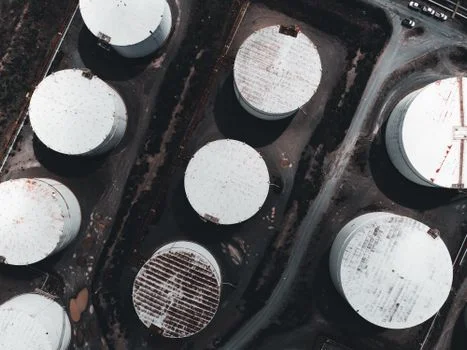
Effective pretreatment is non-negotiable for successful RO implementation in grinding wastewater treatment. Dissolved Air Flotation (DAF) systems are critical for the initial removal of oil and grease, achieving 95-99% separation efficiency, and can also remove 80-90% of TSS. This significantly reduces the fouling potential for downstream processes, decreasing RO fouling risk by an estimated 60%, as evidenced by 2024 field data from advanced systems like the DAF systems for oil/grease and TSS removal in grinding wastewater. Ultrafiltration (UF) pretreatment, utilizing membranes with pore sizes ranging from 0.01 to 0.1 μm, is essential for reducing the Silt Density Index (SDI) to below 3. This level of pretreatment is vital for protecting RO membranes and can extend their operational lifespan to 4-6 years, a substantial improvement over the 1-2 years typical without UF. Hybrid coagulation-UF systems, employing coagulants like ferric chloride (FeCl₃) or polyaluminum chloride (PAC), can further enhance silica removal by 20-30% compared to UF alone. However, this enhanced performance comes with an increased sludge volume, typically by 15-25%. Precise coagulation dosing calculations, often expressed in mg/L of FeCl₃ per mg/L of silica, are necessary for optimal performance and cost-effectiveness. For UF membrane selection, materials like Polyvinylidene Fluoride (PVDF) are often preferred for their superior oil resistance compared to Polyethersulfone (PES) in these challenging applications. A typical DAF-UF-RO process flow for grinding wastewater would involve influent equalization, DAF for bulk oil/grease and TSS removal, followed by UF for fine particle and colloidal matter removal, and finally RO for demineralization and high-purity water production. Key parameters to monitor include DAF float concentration, UF permeate flux, SDI, and RO feed pressure and flux.
| Pretreatment Technology | Primary Removal Targets | Typical Efficiency | Impact on RO Performance | Considerations |
|---|---|---|---|---|
| Dissolved Air Flotation (DAF) | Oil & Grease, TSS, some suspended solids | 95-99% Oil/Grease; 80-90% TSS | Reduces RO fouling risk by ~60%; extends upstream filter life | Requires chemical addition (coagulants, flocculants); produces sludge |
| Ultrafiltration (UF) (0.01-0.1 μm) | Fine suspended solids, colloids, bacteria, viruses | >99% particle removal; SDI < 3 | Protects RO membranes from fouling and scaling; extends RO membrane life to 4-6 years | Membrane material selection (PVDF preferred for oil resistance); backwashing required |
| Coagulation (e.g., FeCl₃, PAC) | Dissolved silica (forms larger precipitates), colloidal particles | Improves silica removal by 20-30% (when combined with UF) | Reduces silica scaling on RO membranes | Dosing optimization critical; increases sludge volume by 15-25% |
RO Membrane Selection for Grinding Wastewater: Polyamide vs. Cellulose Acetate vs. Ceramic
Choosing the right RO membrane chemistry is paramount for optimizing performance, preventing fouling, and ensuring longevity in grinding wastewater applications. Polyamide Thin-Film Composite (TFC) membranes are the industry standard, offering 15-20% higher flux rates and typical lifespans of 3-5 years in well-pretreated grinding wastewater streams. However, their primary limitation is sensitivity to residual chlorine, necessitating careful control of feedwater chemistry to levels below 0.1 mg/L. Cellulose Acetate (CA) membranes offer an advantage in chlorine tolerance (up to 1 mg/L) but are susceptible to degradation at pH levels above 8. This pH sensitivity can limit recovery rates to 75-85%, whereas TFC membranes can achieve 90-95% recovery. For the most challenging applications with high oil/grease loads and extreme pH variations, ceramic membranes (typically Al₂O₃ or TiO₂) present a robust solution. They exhibit excellent resistance to oil/grease and can operate across a wide pH range (2-12). The significant drawback of ceramic membranes is their cost, which can be 3-5 times higher than polymeric membranes, and their requirement for higher operating pressures (40-60 bar). Effective membrane cleaning protocols are essential for maintaining performance. For grinding wastewater, alkaline cleaning (pH 11) is effective for removing oil and grease, while acidic cleaning (pH 2) targets silica scaling. The frequency of these Clean-In-Place (CIP) procedures typically ranges from every 2 to 4 weeks, depending on influent quality and operational load. A decision framework for membrane selection would consider influent COD levels, oil/grease concentration, silica concentration, and acceptable operating pH range.
| Membrane Type | Typical Flux (LMH) | Lifespan (Years) | Chlorine Tolerance | pH Tolerance | Cost (vs. Polyamide) | Grinding Wastewater Suitability |
|---|---|---|---|---|---|---|
| Polyamide TFC | 15-20% higher than CA | 3-5 | Low (<0.1 mg/L) | 4-10 | 1x (Baseline) | Excellent with proper pretreatment; most common choice |
| Cellulose Acetate (CA) | 12-15 | 2-4 | Moderate (up to 1 mg/L) | 3-8 | 1.1x | Suitable if chlorine residual is unavoidable, but pH limits recovery |
| Ceramic (Al₂O₃, TiO₂) | Lower than polymeric | 10+ | Excellent | 2-12 | 3-5x | Ideal for extreme conditions, high oil/grease, or long-term investment |
System Design Parameters: Flux, Recovery, and Energy Optimization for Grinding RO
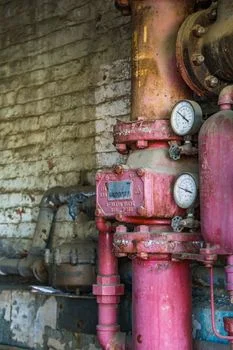
Optimizing system design parameters is crucial for balancing water recovery, operational costs, and membrane longevity in grinding wastewater RO applications. An optimal flux rate for grinding wastewater RO systems is typically between 12-18 Liters per Minute per Square Meter (LMH). This lower flux, compared to the 20-25 LMH common for municipal water treatment, helps mitigate the risk of rapid fouling by reducing the shear forces and concentration polarization at the membrane surface, thereby extending cleaning cycles and membrane life. Recovery rates are a key performance indicator: standard RO systems typically achieve 85-90% recovery, while advanced high-recovery systems, such as those incorporating technologies like Veolia's CaptuRO™, can reach 90-95%. For facilities pursuing Zero Liquid Discharge (ZLD) compliance, recovery rates of 95-98% are targeted. Energy consumption is a significant operational expense, with standard RO systems consuming 2.5-4.0 kWh/m³. The integration of Energy Recovery Devices (ERDs) can substantially reduce this to 1.8-2.5 kWh/m³ by capturing hydraulic energy from the high-pressure reject stream. Pressure requirements vary: standard RO typically operates between 15-30 bar, whereas high-recovery or ZLD systems may require 40-60 bar to overcome increased osmotic pressure, which is influenced by the dissolved solids concentration in the grinding wastewater (COD 200-1,200 mg/L contributes to this osmotic pressure). Designing for high recovery often involves staging RO modules or employing advanced configurations to manage concentrate streams effectively.
| System Configuration | Typical Recovery Rate (%) | Flux (LMH) | Operating Pressure (bar) | Energy Consumption (kWh/m³) | Estimated CAPEX (Relative) | Estimated OPEX (Relative) |
|---|---|---|---|---|---|---|
| Standard RO | 85-90 | 15-20 | 15-30 | 2.5-4.0 | 1.0x | 1.0x |
| High-Recovery RO | 90-95 | 12-18 | 25-45 | 1.8-3.0 (with ERDs) | 1.2x | 0.9x |
| ZLD Configuration | 95-98 | 10-15 | 40-60 | 1.5-2.5 (with advanced ERDs) | 1.5x+ | 1.1x+ (due to additional processes) |
Cost Breakdown and ROI: CAPEX, OPEX, and Payback Period for Grinding RO Systems
The investment in an RO system for grinding wastewater treatment requires a thorough understanding of both capital expenditure (CAPEX) and operational expenditure (OPEX) to ensure a favorable return on investment (ROI). For integrated systems treating grinding wastewater, including DAF, UF, and RO units with full automation for capacities ranging from 5 to 50 m³/h, the estimated CAPEX in 2026 is between $250,000 and $1.2 million. OPEX typically ranges from $0.80 to $2.50 per cubic meter of treated water. The largest cost drivers within OPEX are membrane replacement, which can range from $0.15 to $0.40/m³, and energy consumption, accounting for $0.30 to $0.80/m³. Systems achieving high recovery rates (90%+) offer compelling ROI, typically within 2-4 years. This payback is driven by significant water reuse savings, estimated at $1.50 to $3.00/m³, and the avoidance of substantial regulatory fines, which can range from $50,000 to $200,000 annually for non-compliance. Implementing cost-saving strategies is vital: Energy Recovery Devices (ERDs) can slash energy costs by 30-50%, and automated Clean-In-Place (CIP) systems can reduce labor requirements by 20-30%. A payback period calculator would incorporate variables such as the cost of fresh water, the achievable recovery rate, the system size, and the potential cost of non-compliance.
| Cost Component | Estimated Range (2026 USD) | Contribution to OPEX (%) | Optimization Strategies |
|---|---|---|---|
| CAPEX (5-50 m³/h, incl. DAF/UF/RO/Automation) | $250,000 - $1,200,000 | N/A | Modular design, standardized components |
| OPEX per m³ | $0.80 - $2.50 | 100% | N/A |
| Membrane Replacement | $0.15 - $0.40 /m³ | 15-30% | Effective pretreatment, optimized cleaning cycles, correct membrane selection |
| Energy Consumption | $0.30 - $0.80 /m³ | 30-50% | Energy Recovery Devices (ERDs), variable frequency drives (VFDs), optimized flux |
| Chemicals (Pretreatment & Cleaning) | $0.10 - $0.30 /m³ | 10-20% | Precise dosing, alternative treatment chemistries |
| Labor & Maintenance | $0.10 - $0.25 /m³ | 5-15% | Automation, predictive maintenance |
| Sludge Disposal | $0.05 - $0.15 /m³ | 5-10% | Sludge dewatering, waste-to-energy options |
Compliance and Discharge Standards: Meeting Global Regulations for Grinding Wastewater
Meeting stringent environmental regulations is a primary driver for implementing advanced grinding wastewater treatment systems. Regulatory bodies worldwide have established specific discharge limits to protect water bodies and public health. In the United States, the EPA's 40 CFR Part 464 sets limits for industrial discharge, typically requiring silica concentrations below 10 mg/L, COD below 125 mg/L, and TSS below 30 mg/L for metalworking wastewater. The EU Industrial Emissions Directive (2010/75/EU) mandates similar controls, often specifying silica limits around 20 mg/L and COD below 125 mg/L, with a strict prohibition on visible oil and grease discharge as per Annex I. China's GB 3544-2008 standard for metalworking wastewater is even more rigorous, often requiring COD below 60 mg/L and TSS below 20 mg/L, with pH maintained between 6 and 9. Achieving Zero Liquid Discharge (ZLD) compliance, which requires 95-98% water recovery, is becoming increasingly common for facilities operating in water-scarce regions or facing extremely strict discharge regulations. ZLD systems often necessitate post-treatment steps, such as ion exchange or evaporation, to remove residual contaminants like heavy metals, or to manage the final brine concentrate. Designing RO systems for ZLD involves not only maximizing water recovery but also ensuring the treated water meets reuse quality standards. A comprehensive compliance checklist should cover all stages: effective pretreatment to manage silica and oils, RO performance monitoring for flux and rejection rates, appropriate post-treatment if necessary, and continuous monitoring of discharge parameters.
- Pretreatment Effectiveness: Verification of DAF and UF performance for oil/grease, TSS, and SDI reduction.
- RO System Performance: Regular monitoring of permeate flux, pressure, and solute rejection rates.
- Membrane Integrity: Periodic integrity testing to detect breaches or bypasses.
- Post-Treatment (if applicable): Ensuring ion exchange or other polishing steps meet final quality targets.
- Discharge Monitoring: Continuous or frequent sampling for regulated parameters (Silica, COD, TSS, pH, heavy metals).
- Record Keeping: Maintaining detailed operational logs, maintenance records, and compliance reports.
Frequently Asked Questions
What are the primary contaminants in grinding wastewater that impact RO systems?
The primary contaminants are larger silica particles (1-10 μm) which cause scaling, and significant oil/grease loads that lead to membrane surface fouling. High TSS (1,000-3,500 NTU) also contributes to pre-filter clogging and increased SDI.
How does grinding wastewater differ from CMP wastewater in terms of RO treatment challenges?
Grinding wastewater contains larger silica particles (1-10 μm) and higher oil/grease concentrations compared to CMP wastewater, which features nanoscale silica (50-500 nm) and lower oil/grease. This difference necessitates tailored pretreatment strategies, particularly for oil/grease removal.
What is the recommended SDI target for RO influent in grinding applications?
For grinding wastewater, the recommended Silt Density Index (SDI) target for RO influent is below 3. This is typically achieved through effective UF pretreatment with pore sizes of 0.01-0.1 μm.
Can RO systems achieve Zero Liquid Discharge (ZLD) for grinding wastewater?
Yes, RO systems can achieve ZLD for grinding wastewater by operating at high recovery rates of 95-98%. This often requires advanced configurations and potentially post-treatment like evaporation or crystallization to manage the final brine.
What is the typical lifespan of RO membranes in grinding wastewater treatment?
With proper DAF and UF pretreatment, RO membrane lifespan in grinding wastewater applications can range from 3 to 5 years for polyamide membranes. Ceramic membranes can last 10+ years.
How often should RO membranes be cleaned in grinding wastewater service?
RO membranes in grinding wastewater service typically require cleaning every 2 to 4 weeks. Alkaline cleaning (pH 11) is used for oil/grease, and acidic cleaning (pH 2) for silica scaling.
Related Equipment
- DAF systems for oil/grease and TSS removal in grinding wastewater — view specifications, capacity range, and technical data
- JY series all-in-one pretreatment systems for high-turbidity grinding wastewater — view specifications, capacity range, and technical data
- Fully automated industrial RO systems for grinding wastewater reuse and ZLD compliance — view specifications, capacity range, and technical data
Need a customized solution? Request a free quote with your specific flow rate and pollutant parameters.