Hospital wastewater in Argentina requires treatment systems capable of 99.9% pathogen removal and AMR surveillance compliance. A 2018-2020 Buenos Aires pilot study demonstrated this urgency, detecting multidrug-resistant Enterobacterales in 40% of untreated effluent samples. Argentine regulations (Ley 24.051, Resolución 336/2003) mandate strict effluent limits, including <50 mg/L COD, <30 mg/L BOD₅, and zero detectable fecal coliforms—benchmarks reliably achievable with advanced MBR systems (effluent COD <10 mg/L) or high-efficiency chlorine dioxide disinfection (99.99% bacterial kill rate).
Why Hospital Wastewater in Argentina Demands Specialized Treatment
Untreated hospital wastewater poses significant environmental and public health risks in Argentina, with a 2012 study showing 40% of Buenos Aires hospital wastewater samples were genotoxic to Allium cepa, and 55% toxic to algae (PMC4158310). This alarming data underscores the critical need for specialized treatment systems beyond conventional municipal infrastructure. The presence of pharmaceuticals, disinfectants, and particularly antimicrobial-resistant (AMR) microorganisms in hospital effluents contributes to ecotoxicological risks, impacting aquatic life and potentially entering the food chain.
An AMR surveillance pilot project conducted between 2018 and 2020 in two Buenos Aires hospitals identified multidrug-resistant Enterobacterales in 40% of untreated effluent samples collected from plumbing nodes, showing a direct correlation with clinical AMR cases within the facilities (per CONICET study, 2025). This highlights the "One Health" perspective, where hospital effluents serve as crucial early indicators of community AMR spread. Effective treatment within hospitals is not just a regulatory obligation but a public health imperative to mitigate the dissemination of superbugs.
Argentine environmental regulations are designed to address these risks. Ley 24.051 classifies hazardous waste, including certain categories of hospital effluents, mandating their proper management and treatment. Complementing this, Resolución 336/2003 sets specific effluent discharge limits for various parameters, including chemical oxygen demand (COD), biochemical oxygen demand (BOD₅), and fecal coliforms. While these national regulations establish a baseline, provincial variations exist; for instance, Buenos Aires province may have additional or more stringent requirements compared to Córdoba, necessitating a nuanced approach to compliance for facility managers and environmental engineers.
Argentine Hospital Wastewater: Composition, Risks, and Treatment Challenges
Argentine hospital wastewater is a complex matrix of contaminants that conventional municipal treatment plants are ill-equipped to handle effectively. The primary sources of these contaminants include patient excretion, laboratory waste, laundry, and cleaning activities. Key pollutants include a wide range of pharmaceuticals such as antibiotics (e.g., ciprofloxacin, sulfamethoxazole), cytostatics (e.g., carboplatin), and contrast agents. Disinfectants like chlorhexidine and glutaraldehyde, along with heavy metals such as mercury (from dental amalgam) and silver (from photographic waste), are also prevalent. Pathogens, including multidrug-resistant strains of E. coli, Pseudomonas aeruginosa, and Klebsiella pneumoniae, represent a significant biological risk.
AMR gene prevalence in Buenos Aires hospital effluents is particularly concerning, with CONICET data indicating concentrations of 10³–10⁵ copies/mL for genes like blaCTX-M, blaKPC, and mecA. These genes confer resistance to critical antibiotics, posing a direct threat to public health if released into the environment. The failure of conventional municipal wastewater treatment plants (WWTPs) to adequately remove these emerging contaminants is evident; a study in Buenos Aires found 41% toxicity to algae even after municipal treatment (PMC4158310), indicating incomplete removal of genotoxic compounds and pharmaceuticals.
Treatment challenges are further compounded by seasonal variations. Ecotoxicological evaluations using Allium cepa tests have shown that chromosome aberrations in hospital wastewater samples peaked in September (typically a dry season in Buenos Aires), suggesting higher contaminant concentrations due to reduced dilution. This variability necessitates robust and adaptable treatment systems capable of maintaining compliance under fluctuating influent conditions. Understanding the specific contaminants and their concentrations is paramount for selecting and designing appropriate medical wastewater treatment systems.
| Contaminant Category | Specific Examples | Typical Concentration in Untreated HWW (Buenos Aires, Estimated) | Primary Risk |
|---|---|---|---|
| Pharmaceuticals | Ciprofloxacin, Carbamazepine, Diclofenac | µg/L to mg/L range | Ecotoxicity, AMR selection pressure |
| Disinfectants | Chlorhexidine, Glutaraldehyde | mg/L range | Aquatic toxicity, DBP formation |
| Heavy Metals | Mercury, Silver | µg/L to mg/L range | Bioaccumulation, toxicity |
| Pathogens | E. coli, Pseudomonas, MRSA | 10⁶–10⁸ CFU/100 mL | Infection risk, AMR spread |
| AMR Genes | blaCTX-M, blaKPC, mecA | 10³–10⁵ copies/mL | Horizontal gene transfer, AMR dissemination |
Treatment Technologies for Hospital Wastewater in Argentina: A Head-to-Head Comparison
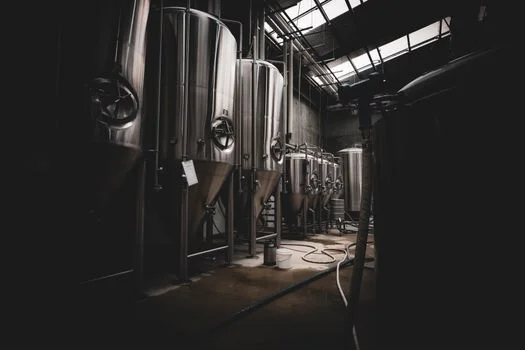
Selecting the optimal wastewater treatment technology for Argentine hospitals requires a detailed evaluation of contaminant removal efficiency, AMR mitigation, footprint, and operational costs. Membrane Bioreactors (MBR) consistently demonstrate superior effluent quality, achieving COD levels below 10 mg/L and a significant 92% reduction in AMR genes, making them a preferred choice for MBR systems for hospital wastewater in Argentina. MBR systems combine biological treatment with membrane filtration, offering a compact footprint (up to 60% smaller than conventional activated sludge) and high-quality effluent suitable for potential reuse.
Chlorine dioxide (ClO₂) disinfection offers a highly effective solution for pathogen inactivation, achieving a 99.99% bacterial kill rate without forming harmful disinfection byproducts (DBPs) like trihalomethanes, which are a concern with traditional chlorine. Chlorine dioxide generators for hospital effluent are modular and can be sized efficiently, typically requiring only 0.5 m²/100 g/h of generation capacity. Dissolved Air Flotation (DAF) systems are highly effective as a pre-treatment step, achieving up to 95% TSS removal and significantly reducing the load on subsequent biological or disinfection processes. DAF systems for hospital wastewater pre-treatment improve overall system efficiency and reduce chemical consumption for disinfection.
Ozone (O₃) treatment, while effective at 99% pharmaceutical removal and AMR gene reduction, typically incurs higher operational expenditures (OPEX) due to energy consumption and equipment complexity. However, for specific cases requiring advanced oxidation for recalcitrant compounds or very sensitive discharge environments, ozone can be an excellent tertiary treatment option. Argentine hospitals like Hospital Italiano in Buenos Aires have successfully implemented MBR technology, demonstrating its efficacy, while Hospital Austral in Pilar utilizes chlorine dioxide for robust disinfection, showcasing practical applications of these advanced systems in Latin American hospital wastewater case studies.
| Technology | Key Contaminants Removed | Removal Rate (Typical) | Footprint/Scalability | Key Advantages | Considerations |
|---|---|---|---|---|---|
| MBR | COD, BOD₅, TSS, Fecal Coliforms, AMR Genes, Pharmaceuticals | COD <10 mg/L, 92% AMR gene reduction, >99.9% pathogens | Compact (60% smaller), highly scalable | High effluent quality, low sludge production, potential for reuse | Membrane fouling, higher CapEx |
| Chlorine Dioxide | Fecal Coliforms, Bacteria, Viruses | 99.99% bacterial kill rate | Modular (0.5 m²/100 g/h), flexible | No DBPs, effective against a wide range of pathogens | Requires chemical handling, no COD/BOD₅ removal |
| DAF | TSS, Fats, Oils, Grease, Particulate COD/BOD₅ | 95% TSS removal, 50-70% BOD₅/COD reduction | 1–10 m²/10 m³/h, pre-treatment focus | Effective pre-treatment, reduces downstream load, removes colloids | Requires chemical coagulants, sludge management |
| Ozone | Pharmaceuticals, AMR Genes, Color, Odor | 99% pharmaceutical removal, significant AMR gene reduction | Moderate footprint, requires power | Powerful oxidant, effective for recalcitrants, no chemical residue | High OPEX (energy), complex operation, no TSS removal |
Engineering Specs for Hospital Wastewater Systems in Argentina: 2026 Benchmarks
Designing hospital wastewater treatment systems in Argentina requires adherence to stringent performance benchmarks, driven by both regulatory compliance and the need for robust AMR mitigation. Typical influent characteristics for a 100-200 bed Buenos Aires hospital indicate high organic loads and significant pathogen counts: COD generally ranges from 500–1,500 mg/L, BOD₅ from 200–800 mg/L, and TSS from 100–500 mg/L. Fecal coliform concentrations are often between 10⁶–10⁸ CFU/100 mL (HydropureWater field data, 2025).
Effluent requirements under Resolución 336/2003 are strict: COD must be <50 mg/L, BOD₅ <30 mg/L, and TSS <30 mg/L. Crucially, fecal coliforms must be reduced to 0 CFU/100 mL. Beyond these established limits, emerging best practices, aligned with WHO 2024 draft guidelines for environmental surveillance, suggest targeting AMR genes at concentrations <10² copies/mL. Achieving these benchmarks necessitates precise hydraulic loading rates and efficient sludge management strategies.
For MBR systems, typical hydraulic loading rates range from 0.5–1.0 m³/m²/day, ensuring sufficient membrane flux and biological treatment time. DAF units, primarily for pre-treatment, operate effectively at surface loading rates of 4–8 m/h. Chlorine dioxide generators are specified based on demand, with a typical capacity for 10–20 m³/h of wastewater treated per 1,000 g/h generator capacity. Sludge production is an important consideration for operational costs: MBR systems typically generate 0.2–0.4 kg TSS/kg BOD₅ removed, while DAF systems produce 0.1–0.2 kg TSS/kg TSS removed. These parameters guide system sizing and ensure compliance with Argentine wastewater regulations for hospitals.
| Parameter | Influent Characteristics (Buenos Aires HWW) | Effluent Requirements (Resolución 336/2003 & WHO Guidelines) | Typical System Design Parameters |
|---|---|---|---|
| COD | 500–1,500 mg/L | <50 mg/L | MBR: <10 mg/L effluent |
| BOD₅ | 200–800 mg/L | <30 mg/L | MBR: <5 mg/L effluent |
| TSS | 100–500 mg/L | <30 mg/L | MBR: <5 mg/L effluent; DAF: 95% removal |
| Fecal Coliforms | 10⁶–10⁸ CFU/100 mL | 0 CFU/100 mL | Chlorine Dioxide: 99.99% kill |
| AMR Genes | 10³–10⁵ copies/mL (e.g., blaCTX-M) | <10² copies/mL (WHO 2024 draft) | MBR: 92% reduction; Ozone: significant reduction |
| Hydraulic Loading Rate (MBR) | N/A | N/A | 0.5–1.0 m³/m²/day |
| Hydraulic Loading Rate (DAF) | N/A | N/A | 4–8 m/h |
| Sludge Production (MBR) | N/A | N/A | 0.2–0.4 kg TSS/kg BOD₅ removed |
Cost Breakdown for Hospital Wastewater Treatment in Argentina: CapEx, OPEX, and ROI
The total cost of hospital wastewater treatment in Argentina involves significant capital expenditure (CapEx) and ongoing operational expenditure (OPEX), which facility managers and procurement officers must thoroughly evaluate. For a 100-bed hospital, a DAF + chlorine dioxide system can range from $250K to $350K, while a comprehensive MBR system for a 200-bed hospital may cost between $450K and $600K. These figures typically include equipment procurement, civil works, installation, and automation systems (HydropureWater estimates, 2025).
Operational costs are highly variable but generally range from $0.80/m³ for a DAF + chlorine dioxide system to $1.50/m³ for an MBR system. The largest components of OPEX are energy consumption (approximately 40% for aeration and pumping), chemical reagents (around 30% for coagulants, disinfectants, and cleaning agents), and labor (about 20% for monitoring, maintenance, and sludge handling). Other costs include membrane replacement for MBRs and sludge disposal fees. Understanding this hospital wastewater treatment cost Argentina helps in long-term budget planning.
Return on Investment (ROI) for these systems can be realized through several avenues. MBR systems, with their high-quality effluent, often achieve an ROI in 3–5 years, primarily through water reuse for non-potable applications like irrigation, toilet flushing, or cooling tower make-up water, significantly reducing municipal water consumption. Chlorine dioxide systems, while not offering water reuse, deliver ROI within 2–3 years by drastically reducing the risk of non-compliance fines and minimizing chemical costs compared to less efficient disinfection methods. Cost-saving tips include investing in modular systems that can scale with hospital expansion, exploring solar-powered aeration for off-grid or remote facilities, and investigating sludge co-digestion opportunities with municipal plants for energy recovery.
| System Type | Hospital Size (Beds) | Estimated CapEx (USD) | Estimated OPEX (USD/m³) | Primary ROI Driver | Estimated ROI Period |
|---|---|---|---|---|---|
| DAF + Chlorine Dioxide | 100 | $250K - $350K | $0.80 - $1.20 | Reduced fines, lower chemical costs | 2 - 3 years |
| MBR | 100 | $350K - $450K | $1.20 - $1.80 | Water reuse, compliance | 3 - 5 years |
| MBR | 200 | $450K - $600K | $1.00 - $1.50 | Water reuse, compliance | 3 - 5 years |
| MBR + Tertiary (Ozone/RO) | 200 | $700K - $900K | $1.80 - $2.50 | High-purity reuse, advanced AMR removal | 4 - 6 years |
Compliance Checklist for Argentine Hospitals: Step-by-Step Guide to Meeting Ley 24.051 and Resolución 336/2003
Achieving and maintaining compliance with Argentine wastewater regulations like Ley 24.051 and Resolución 336/2003 is paramount for hospital operations. A structured approach ensures all requirements are met, minimizing risks of fines and environmental impact. The first critical step is effective pre-treatment: influent pH must be adjusted to 6.5–8.5, followed by screening with 3 mm bar spacing to remove gross solids. An equalization tank with at least 24-hour retention time is essential to buffer flow and contaminant load variations.
Primary treatment typically involves physical-chemical processes. Dissolved Air Flotation (DAF) or sedimentation units are recommended to achieve over 70% TSS removal. The resulting sludge requires proper handling, often using a filter press or centrifuge for dewatering to reduce volume and disposal costs. Secondary treatment focuses on biological degradation and disinfection. MBR systems are highly effective for reducing COD to below 50 mg/L, while advanced chlorine dioxide disinfection systems ensure fecal coliforms are reduced to 0 CFU/100 mL.
For hospitals discharging into particularly sensitive receiving environments or aiming for water reuse, tertiary treatment may be necessary. Reverse Osmosis (RO) can achieve pharmaceutical removal to <1 μg/L, while ozone treatment is highly effective for advanced AMR gene reduction to <10² copies/mL. Continuous monitoring is non-negotiable: weekly tests for COD, BOD₅, and TSS are standard, supplemented by quarterly AMR gene analysis and annual ecotoxicological evaluations using methods like the Allium cepa test to ensure comprehensive environmental safety and compliance.
Frequently Asked Questions
Addressing common inquiries regarding Argentine hospital wastewater treatment systems clarifies typical challenges and solutions for environmental engineers, facility managers, and procurement officers.
Q: What are the primary regulatory challenges for hospital wastewater in Argentina?
A: The main challenges stem from Ley 24.051 (hazardous waste classification) and Resolución 336/2003 (effluent discharge limits), which mandate strict controls on parameters like COD, BOD₅, TSS, and fecal coliforms. Provincial regulations can add further complexity.
Q: How do Argentine hospitals typically manage AMR in wastewater?
A: While specific AMR regulations are evolving, advanced treatment technologies like MBR and ozone are being adopted to significantly reduce AMR genes and multidrug-resistant Enterobacterales. Regular AMR wastewater surveillance Argentina is also becoming a critical practice.
Q: Is water reuse from hospital wastewater feasible in Argentina?
A: Yes, with advanced treatment such as MBR followed by tertiary polishing (e.g., RO or UV disinfection), treated hospital wastewater can be safely reused for non-potable applications like irrigation, cooling towers, and toilet flushing, offering significant cost savings.
Q: What is the estimated lifespan of a typical hospital wastewater treatment system?
A: Properly maintained biological systems (like MBRs) can last 15-20 years for civil infrastructure and 7-10 years for membranes. Chemical disinfection systems (like chlorine dioxide generators) typically have a lifespan of 10-15 years for the main unit, with consumable parts replaced periodically.
Q: How can hospitals ensure their wastewater treatment system is cost-optimized?
A: Cost optimization involves selecting modular systems that can expand with hospital needs, evaluating CapEx vs. OPEX for different technologies, exploring energy-efficient components (e.g., solar-powered aeration), and considering water reuse to offset municipal water costs. Regular maintenance also prevents costly breakdowns.