Why Puebla Hospitals Need Dedicated Wastewater Treatment Systems
Puebla’s Atoyac River basin receives untreated or poorly treated effluent from three primary municipal wastewater treatment plants, yet hospital wastewater exhibits toxicity levels 5 to 15 times higher than standard urban sewage. While municipal systems are designed to handle domestic organic loads, they are frequently overwhelmed by the complex chemical profiles of medical effluent, which includes antibiotics, disinfectants, radioactive isotopes, and heavy metals. For facility managers in Puebla, relying on municipal infrastructure is no longer a viable strategy for long-term compliance or environmental risk management.
Federal regulations under NOM-001-SEMARNAT-1996 set the baseline for discharge limits, requiring Chemical Oxygen Demand (COD) levels of ≤ 125 mg/L and fecal coliforms below 1,000 MPN/100 mL. However, local Puebla bylaws often impose stricter thresholds due to the critical state of the Atoyac River. The 2017 compliance challenges faced by the Hospital of the Poblano Child serve as a benchmark for the region; failing to meet these standards can result in administrative fines reaching up to $50,000 MXN per violation, alongside potential temporary closures and severe reputational damage. These risks are amplified by Puebla’s specific environmental conditions.
Puebla’s semi-arid climate, characterized by an average annual rainfall of 1,200 mm, significantly impacts the engineering of biological treatment systems. During the dry season, the lack of dilution in the receiving water bodies means that effluent must meet higher purity standards to avoid environmental degradation. This climate requires engineering specifications that account for longer Hydraulic Retention Times (HRT) to ensure biological stability. Without dedicated on-site systems, hospitals cannot guarantee the 99.9% pathogen removal and 90% COD reduction necessary to protect local ecosystems and adhere to evolving Puebla SEDEMA environmental regulations.
Puebla-Specific Compliance Standards for Hospital Wastewater
The Mexican federal standard NOM-001-SEMARNAT-1996 establishes the primary framework for wastewater discharge, but the Puebla Environmental Secretariat (SEDEMA) enforces additional localized limits for healthcare facilities discharging into sensitive basins. Engineers must design systems that not only meet these federal minimums but also anticipate the 2025 audit priorities, which focus on hospitals with more than 100 beds. These audits prioritize the removal of recalcitrant organic matter and specific pathogens that are common in clinical environments.
| Parameter | NOM-001-SEMARNAT-1996 (Federal) | Puebla Local Target (SEDEMA 2025) | Typical Hospital Raw Effluent |
|---|---|---|---|
| COD (mg/L) | 125 - 150 | ≤ 100 | 400 - 900 |
| BOD&sub5; (mg/L) | 30 - 60 | ≤ 30 | 200 - 450 |
| Total Suspended Solids (mg/L) | 40 - 60 | ≤ 35 | 150 - 400 |
| Fecal Coliforms (MPN/100 mL) | 1,000 | ≤ 200 | 10&sup6; - 10&sup8; |
| Mercury (mg/L) | 0.01 | ≤ 0.001 | 0.05 - 0.10 |
| Residual Chlorine (mg/L) | ≤ 0.5 | ≤ 0.2 | Variable |
Disinfection requirements in Puebla are particularly stringent, with a mandate for a 4-log reduction in pathogens (99.99% inactivation) per WHO 2024 guidelines. This is critical for hospital wastewater toxicity removal, as medical effluent often carries multi-drug resistant bacteria. the sampling protocols in Puebla require 24-hour composite samples rather than simple grab samples, meaning systems must maintain consistent performance across varying hospital shifts and peak surgical hours. Penalties for non-compliance are progressive; repeat violations can lead to the revocation of discharge permits, effectively halting hospital operations.
To ensure NOM-001-SEMARNAT-1996 compliance, engineers must also manage heavy metal concentrations. Parameters such as mercury, cadmium, and lead must be monitored closely, as these do not degrade biologically and can accumulate in the Atoyac River sediments. Effective treatment requires a combination of advanced filtration and chemical precipitation or oxidation to reach the parts-per-billion levels required by local authorities.
Hospital Wastewater Treatment Technologies: Puebla Performance Benchmarks
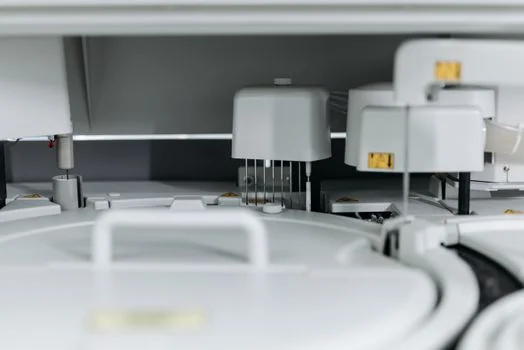
Membrane Bioreactor (MBR) systems currently provide the highest benchmark for hospital effluent treatment in Puebla, achieving over 90% Chemical Oxygen Demand (COD) reduction and consistent 99.9% pathogen removal. Because MBR combines biological treatment with microfiltration or ultrafiltration, it eliminates the need for secondary clarifiers, making it ideal for urban hospitals where space is at a premium. However, the engineering team must account for Puebla’s power reliability. Frequent outages can disrupt aeration, leading to membrane fouling or biomass death; therefore, an integrated compact MBR system for hospital wastewater must be paired with automated backwash cycles and emergency power protocols.
| Technology | COD/BOD Removal % | Footprint | CAPEX (MXN) | OPEX (MXN/m³) | Compliance Risk |
|---|---|---|---|---|---|
| MBR | 90 - 98% | Small | $800,000+ | $0.80 - $1.10 | Very Low |
| DAF | 70 - 85% (TSS focused) | Medium | $400,000+ | $1.20 - $1.50 | Moderate (needs polishing) |
| Chlorine Dioxide | Disinfection only | Very Small | $300,000+ | $0.50 - $0.70 | High (if used alone) |
For facilities with high Fats, Oils, and Grease (FOG) loads—typically those with large industrial kitchens or specific pathology labs—a DAF system for high-FOG hospital wastewater is the preferred pre-treatment step. DAF achieves 70–85% TSS removal by using micro-bubbles to float suspended solids to the surface for mechanical skimming. While the OPEX is higher due to chemical dosing (coagulants and flocculants), it protects downstream biological units from fouling, which is essential for maintaining Atoyac River wastewater standards.
Disinfection is the final critical hurdle. Conventional chlorination often fails to meet residual limits or produces harmful disinfection byproducts (DBPs). An on-site ClO&sub2; generator for hospital effluent offers a 4-log disinfection rate without the residual toxicity associated with liquid bleach. While the initial investment for a 20 g/h system is approximately $300,000 MXN, the reduction in regulatory risk and the elimination of hazardous chemical storage (precursors are managed in closed loops) provide a significant return on investment. This technology is particularly favored in Puebla hospital effluent treatment because it remains effective across a wider pH range than traditional chlorine.
Zero-Risk Equipment Selection for Puebla Hospitals: A Decision Framework
Selecting the optimal wastewater treatment system for a Puebla-based hospital requires a multi-variable analysis of bed count, daily hydraulic load, and specific discharge outlet requirements. To minimize risk, procurement teams should follow a structured decision tree. First, determine the discharge destination: municipal sewer, direct discharge to the Atoyac River, or on-site reuse for green areas. Direct discharge or reuse necessitates the high-effluent quality of MBR, whereas municipal sewer discharge may only require DAF and advanced disinfection depending on the specific zone in Puebla.
The second variable is the hospital's scale and budget. For facilities with fewer than 50 beds and a budget under $500,000 MXN, a modular DAF-based system with advanced oxidation may suffice. For mid-to-large hospitals (50–200+ beds) with budgets ranging from $500,000 to $1.2M MXN, an integrated MBR system is the engineering standard. These systems provide a buffer against future regulatory shifts. It is also important to consider Latin American cost benchmarks for hospital WWTPs to ensure that CAPEX and OPEX projections align with regional economic realities.
Puebla offers specific financial incentives that can offset these costs. SEDEMA grants for hospitals adopting MBR or ClO&sub2; systems can cover up to 30% of the CAPEX, provided the system demonstrates a significant reduction in environmental impact. When evaluating vendors, facility managers must prioritize those who offer local service availability in Puebla and can demonstrate compliance with Mexican NMX standards for equipment manufacturing. A zero-risk approach also involves comparing local requirements with global benchmarks for hospital wastewater compliance to ensure the facility remains world-class.
Step-by-Step Selection Framework:
- Audit Raw Effluent: Conduct a 7-day characterization study to identify peak COD, TSS, and specific pharmaceutical residues.
- Define Compliance Tier: Identify if the hospital falls under the 2025 SEDEMA priority audit list (>100 beds).
- Evaluate Space Constraints: Use MBR for compact footprints; use DAF + SBR if land is available and FOG is high.
- Assess Power Stability: Install VFDs and backup power for MBR membranes to prevent irreversible fouling during Puebla’s seasonal outages.
- Calculate Lifecycle ROI: Compare the $0.80 MXN/m³ OPEX of MBR against the potential $50,000 MXN monthly fines for non-compliance.
Case Study: Hospital Wastewater Treatment Upgrade in Puebla City
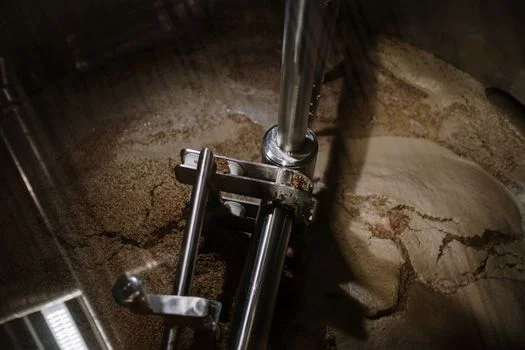
In 2024, a 150-bed healthcare facility in Puebla City completed an infrastructure upgrade to mitigate rising regulatory fines and improve the quality of effluent discharged into the municipal network. Previously, the hospital relied on a basic septic system followed by liquid chlorine disinfection. This setup consistently failed to meet the NOM-001-SEMARNAT-1996 compliance targets, with COD levels averaging 350 mg/L and fecal coliform counts exceeding 10&sup6; MPN/100 mL, resulting in multiple administrative warnings from local authorities.
The upgrade involved the installation of a 75 m³/day MBR system integrated with a chlorine dioxide generator for final polishing. The CAPEX for the MBR system was $950,000 MXN, with an additional $250,000 MXN for the ClO&sub2; unit. Post-installation data (HydropureWater field data, 2025) showed a dramatic shift in effluent quality: COD was reduced to 45 mg/L, and fecal coliforms dropped to less than 10 MPN/100 mL. This performance exceeded both federal and local Puebla standards, effectively "future-proofing" the hospital against stricter 2026 regulations.
The project was not without challenges. During the first two months of operation, the hospital experienced rapid membrane fouling. Engineering analysis revealed that high FOG loads from the hospital’s main cafeteria were bypassing the initial grease traps. The solution involved retrofitting a small DAF unit as a pre-treatment step. This modification stabilized the system and reduced the OPEX from an estimated $1.50 MXN/m³ (under the old chlorine system) to $0.90 MXN/m³. The primary lesson learned was the critical importance of pilot testing and local vendor partnerships; having 24/7 technical support in Puebla City allowed the facility to resolve the fouling issue without incurring regulatory penalties.
Frequently Asked Questions
What are the specific discharge limits for hospitals in Puebla?
Hospitals must comply with NOM-001-SEMARNAT-1996, which generally requires COD ≤ 125 mg/L and TSS ≤ 60 mg/L. However, for discharges affecting the Atoyac River basin, Puebla SEDEMA often targets stricter limits of COD ≤ 100 mg/L and fecal coliforms ≤ 200 MPN/100 mL to prevent environmental degradation.
How does MBR compare to traditional activated sludge for Puebla hospitals?
MBR is significantly more effective for Puebla hospitals due to its smaller footprint and higher removal efficiency. While traditional activated sludge may struggle to meet the 99.9% pathogen removal required by Puebla hospital effluent treatment standards, MBR acts as a physical barrier to bacteria, ensuring consistent compliance even during peak loads.
Is chlorine dioxide better than liquid bleach for disinfection in Mexico?
Yes, chlorine dioxide (ClO&sub2;) is superior for medical effluent because it does not produce organochlorine byproducts and remains effective in the presence of high organic loads. Under chlorine dioxide disinfection Mexico guidelines, ClO&sub2; generators are preferred for achieving 4-log pathogen reduction without exceeding the 0.5 mg/L residual chlorine limit set by NOM-001.
What is the typical CAPEX for a hospital WWTP in Puebla?
For a mid-sized hospital (100–150 beds), the CAPEX for a high-quality MBR system typically ranges from $800,000 to $1,200,000 MXN. While higher than basic systems, the hospital WWTP CAPEX Puebla is offset by lower OPEX and the elimination of fines, which can reach $50,000 MXN per incident.
Are there government grants available for wastewater upgrades in Puebla?
Yes, the Puebla Environmental Secretariat (SEDEMA) occasionally offers incentives and grants that can cover up to 30% of the equipment costs for hospitals that implement advanced technologies like MBR or ClO&sub2; to protect the Atoyac River. Compliance with Mexican NMX standards is usually a prerequisite for these funds.