Why Virginia Beach Hospitals Need Specialized Wastewater Treatment
Virginia Beach hospitals must treat wastewater to meet VADEQ’s stringent discharge permits, which require <30 mg/L BOD, <30 mg/L TSS, and <200 CFU/100mL fecal coliform (EPA 2025). Hospital effluent contains pharmaceuticals, pathogens (e.g., E. coli, norovirus), and heavy metals (mercury, silver), demanding specialized systems like MBR (99% pathogen removal) or chlorine dioxide disinfection (99.99% kill rate). HRSD’s regional infrastructure handles municipal sewage, but hospitals need on-site pretreatment or dedicated systems—CAPEX ranges from $120K (small clinics) to $850K (large hospitals) for turnkey solutions.
The urgency for specialized treatment is underscored by the 2020–2021 VADEQ inspections of the Marlin VA Hospital, which revealed significant deficiencies in pathogen control and heavy metal discharge management. Unlike standard municipal waste, medical effluent is a concentrated stream of "recalcitrant" pollutants. These include antibiotics that foster antimicrobial resistance (AMR), chemotherapy drugs like cyclophosphamide, and heavy metals such as mercury from dental amalgams or silver from legacy X-ray processing. These contaminants are not effectively neutralized by standard biological processes used in municipal plants.
While the Hampton Roads Sanitation District (HRSD) operates advanced facilities, such as the Atlantic Wastewater Treatment Plant (WWTP) which utilizes Cambi thermal hydrolysis for sludge, these systems are designed for high-volume municipal loads rather than the specific toxicity of medical waste. HRSD’s Industrial Pretreatment Program (IPP) places the burden of compliance on the generator. Failure to pre-treat leads to heavy surcharges or permit revocations. VADEQ’s 2025 permit thresholds have introduced stricter monitoring for emerging contaminants, aligning with how Washington state hospitals meet EPA standards for medical effluent to prevent environmental degradation in sensitive coastal ecosystems like the Chesapeake Bay.
Virginia Beach Hospital Wastewater: Regulatory Requirements and Compliance Roadmap
VADEQ discharge permits for Virginia Beach medical facilities operate on a five-year renewal cycle, requiring rigorous public comment periods and adherence to the 2024 VADEQ Strategic Plan. This plan mandates stricter nutrient and pathogen limits for the 2025–2030 cycle to protect local watersheds. Compliance is no longer a matter of simple filtration; it requires a documented roadmap of sampling, reporting, and equipment validation. For 2025, the EPA has introduced voluntary limits for 12 key pharmaceuticals, including ciprofloxacin and carbamazepine, while maintaining mandatory strictures on mercury and silver discharge via the Dental Amalgam Rule (40 CFR Part 441).
Local ordinances in Virginia Beach require hospitals to participate in the IPP if they discharge to the HRSD system. Key technical requirements include maintaining a pH between 6.0 and 9.0 and ensuring zero free chlorine residuals, which can react with organic matter to form toxic trihalomethanes (THMs). To navigate this, facility managers must follow a structured compliance timeline that accounts for the 6–12 month permit application window. Implementing a compact medical wastewater treatment system with ozone disinfection can streamline this process by ensuring effluent consistently falls below the "high-strength" surcharge thresholds set by HRSD.
| Compliance Step | Timeline | Requirement / Metric |
|---|---|---|
| Permit Application/Renewal | 6–12 Months Lead Time | Submission of Form 2A (VADEQ) |
| Effluent Sampling | 24-Hour Composite | BOD, TSS, Pathogens, Priority Pollutants |
| Heavy Metal Monitoring | Quarterly | Mercury (<0.1 ppb), Silver (<0.05 mg/L) |
| Pathogen Reporting | Monthly | Fecal Coliform <200 CFU/100mL |
| Pharmaceutical Screening | Annual (Voluntary/Emerging) | EPA 2025 Guidance for 12 specific drugs |
Treatment Technologies for Hospital Wastewater: Engineering Specs and Performance Benchmarks

Selecting a treatment technology for a Virginia Beach hospital requires balancing removal efficiency with the physical constraints of an urban medical campus. Membrane Bioreactor (MBR) systems have emerged as the gold standard, offering a 99% pathogen removal rate and 95% pharmaceutical degradation. According to EPA 2024 data, while MBRs require approximately 30% more energy than conventional activated sludge, their ability to produce "near-reuse" quality water makes them ideal for facilities looking to offset non-potable water costs. An MBR system for near-reuse-quality hospital effluent typically utilizes 0.1 μm PVDF membranes with a flux rate of 10–20 LMH, fitting a 50-bed hospital's needs within a compact 20–30 m³ footprint.
For facilities with high-volume cafeteria or laboratory output, Dissolved Air Flotation (DAF) is necessary for Total Suspended Solids (TSS) and Fats, Oils, and Grease (FOG) removal. DAF systems achieve 92–97% TSS removal by utilizing saturation pressures of 0.5–1.0 bar. When combined with an on-site chlorine dioxide generator for hospital effluent disinfection, hospitals can achieve a 99.99% kill rate for resistant pathogens like MRSA and norovirus without the byproduct risks associated with traditional chlorination. chemical precipitation remains the most effective method for heavy metal sequestration, using sulfide or hydroxide at controlled pH levels (9–11 for hydroxide) to achieve 99% removal of mercury and silver.
| Technology | Removal Efficiency | Footprint (50-bed) | Energy Consumption |
|---|---|---|---|
| MBR (Membrane Bioreactor) | 99% Pathogens / 95% Pharma | 20–30 m³ | 1.2–1.8 kWh/m³ |
| DAF (Dissolved Air Flotation) | 95% TSS / 90% FOG | 15–20 m² | 0.4–0.7 kWh/m³ |
| Chlorine Dioxide (ClO₂) | 99.99% Virus/Bacteria Kill | <5 m² | Negligible |
| Chemical Precipitation | 99% Heavy Metals | 10–15 m² | 0.2–0.4 kWh/m³ |
| Filter Press (Dewatering) | 30–40% Dry Solids | 10–20 m² | 0.5–0.8 kWh/m³ |
Cost Breakdown: CAPEX, OPEX, and ROI for Virginia Beach Hospital Systems
Capital Expenditure (CAPEX) for Virginia Beach hospital wastewater systems is primarily driven by the required treatment depth and daily flow volume. A small clinic (10–50 beds) can expect a turnkey solution to range from $120,000 to $250,000, while a large regional hospital (200+ beds) may require investments upwards of $850,000 for fully integrated MBR and metal recovery systems. These costs include engineering design, VADEQ permitting assistance, and equipment installation. Operating Expenditure (OPEX) is influenced by local utility rates; currently, MBR systems in Virginia Beach cost between $0.80 and $1.50 per 1,000 gallons treated, whereas DAF combined with disinfection ranges from $1.20 to $2.50 due to chemical consumables.
The Return on Investment (ROI) for these systems is realized through three primary channels: fine avoidance, surcharge reduction, and water reuse. VADEQ non-compliance fines can range from $10,000 to $50,000 per violation day (HydropureWater field data, 2025). reducing the strength of effluent discharged to HRSD can save a large hospital $0.20–$0.50 per 1,000 gallons in surcharges. For hospitals pursuing LEED certification or sustainability goals, reusing treated effluent for cooling towers or landscape irrigation saves an additional $0.50–$1.00 per 1,000 gallons. Funding is often available through VADEQ’s Clean Water Revolving Loan Fund, offering 1.5% interest rates over 20-year terms, or federal WIFIA loans for larger infrastructure upgrades.
| Hospital Scale | Typical Flow (GPD) | Estimated CAPEX | Estimated OPEX (per 1k gal) |
|---|---|---|---|
| Small Clinic (10-50 beds) | 1,500 – 7,500 | $120K – $250K | $1.50 – $2.50 |
| Medium Hospital (50-200 beds) | 7,500 – 30,000 | $350K – $600K | $1.00 – $1.80 |
| Large Hospital (200+ beds) | 30,000 – 60,000+ | $700K – $850K+ | $0.80 – $1.40 |
Selecting the Right System for Your Virginia Beach Hospital: A Zero-Risk Decision Framework
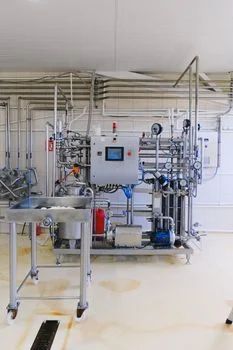
Engineering consultants and facility managers should adopt a "zero-risk" framework when selecting equipment to ensure long-term compliance with VADEQ and HRSD standards. The first step is comprehensive contaminant profiling using LC-MS for pharmaceuticals and qPCR for pathogens. For example, an oncology center will have vastly different pharmaceutical loads than a dental clinic or a general surgical ward. Understanding these profiles prevents under-engineering, which leads to permit violations, or over-engineering, which wastes CAPEX. These steps align with global best practices for hospital wastewater treatment, ensuring systems are tailored to specific medical specialties.
Flow rate calculation is the next critical pillar. AHA 2024 data suggests an average of 150–300 gallons per bed per day, but systems must be sized for peak flows—typically 2–3x the average—to handle shift changes and laundry cycles. Footprint assessment is equally vital; MBR systems are generally the most space-efficient for high-pathogen loads, whereas DAF is preferred if kitchen fats are the primary concern. Finally, vendor selection must prioritize those offering 24/7 service contracts and local Virginia Beach case studies, such as Sentara Virginia Beach General Hospital, to ensure rapid response during system upsets.
| Primary Concern | Recommended Technology | Selection Rationale |
|---|---|---|
| Pathogens & Antibiotics | MBR + Ozone/UV | Highest log-reduction for bacteria and drug degradation. |
| High FOG & TSS (Kitchens) | DAF (Dissolved Air Flotation) | Prevents sewer line blockages and HRSD surcharges. |
| Heavy Metals (Dental/Lab) | Chemical Precipitation | Ensures compliance with EPA Dental Amalgam Rule. |
| Limited Space / Retrofit | Integrated compact medical wastewater system | Modular design fits into existing utility basements. |
Frequently Asked Questions
What are the VADEQ discharge limits for hospital wastewater in Virginia Beach?As of 2025, VADEQ mandates that hospital effluent discharged directly to the environment must meet limits of <30 mg/L for both BOD and TSS, and <200 CFU/100mL for fecal coliform. For facilities discharging to HRSD, limits are governed by the Industrial Pretreatment Program, focusing on pH (6.0–9.0), temperature, and specific toxic pollutants like mercury and silver.
How much does it cost to install an on-site hospital wastewater treatment system in Virginia Beach?Installation costs (CAPEX) typically range from $120,000 for small clinics to over $850,000 for large-scale hospitals. These figures include the cost of MBR or DAF equipment, installation, and the complex VADEQ permitting process. OPEX generally fluctuates between $0.80 and $2.50 per 1,000 gallons, depending on the technology and local utility rates.
What are the best treatment technologies for removing pharmaceuticals from hospital effluent?Membrane Bioreactors (MBR) combined with advanced oxidation processes (AOP) like ozone or chlorine dioxide are the most effective. MBRs provide superior biological degradation of complex molecules, while chlorine dioxide offers a 99.99% kill rate for pathogens without creating harmful chlorination byproducts, ensuring compliance with 2025 EPA pharmaceutical guidelines.
Can hospitals discharge to HRSD’s sewer system, or do they need on-site treatment?Hospitals can discharge to HRSD, but they must meet specific pretreatment standards. Because HRSD’s municipal plants are not designed to remove pharmaceuticals or high concentrations of pathogens and heavy metals, hospitals often require on-site pretreatment systems to avoid significant "high-strength" surcharges and to comply with federal mercury discharge regulations.
What are the penalties for non-compliance with VADEQ’s hospital wastewater permits?Penalties for non-compliance are severe, with civil charges ranging from $10,000 to $50,000 per day per violation. Beyond financial fines, hospitals face reputational risk, potential "cease and desist" orders for specific departments (like dental or oncology), and mandatory, expensive corrective action plans overseen by VADEQ and EPA regulators.